Estée Lauder Advanced Night Repair Eye Supercharged Complex Versus Elizabeth Arden Advanced Ceramide Capsules Daily Youth Restoring Serum
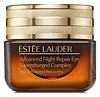
This barrier-repair eye moisturizer is formulated around Bifida Ferment Lysate and Caffeine to strengthen the skin barrier and soften the look of wrinkles.
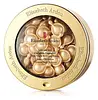
This barrier-repair serum is formulated around Ceramide EOP and Ceramide NP to strengthen the skin barrier and soften the look of wrinkles.

What's inside
What's inside
 Key Ingredients
Benefits
Concerns
Ingredients Side-by-side
Methyl Trimethicone
Skin Conditioning
Water
Skin ConditioningBifida Ferment Lysate
Skin Conditioning



Dimethicone
Emollient
Dimethicone/Vinyl Dimethicone Crosspolymer
Skin Conditioning
Propanediol
Solvent
Sucrose
Humectant
Petrolatum
Emollient


Polysorbate 40
Emulsifying

Trehalose
Humectant
Algae Extract
Emollient

Morus Bombycis Root Extract
Skin ConditioningScutellaria Baicalensis Root Extract
Astringent
Lactobacillus Ferment
Skin Conditioning
Triticum Vulgare Germ Extract
Skin ConditioningAcrylamide/Sodium Acryloyldimethyltaurate Copolymer
Emulsion StabilisingBetula Alba Bark Extract
Masking
Hydrolyzed Algin
Poria Cocos Sclerotium Extract
AstringentJojoba Alcohol
Emollient
Ethylhexylglycerin
Skin ConditioningGlycine Soja Seed Extract
Skin Conditioning
Isopropyl Jojobate
EmollientJojoba Esters
Emollient
Isohexadecane
EmollientFaex Extract
Skin ConditioningHydrogenated Lecithin
Emulsifying
Hordeum Vulgare Extract
EmollientPEG/PPG-18/18 Dimethicone
Emulsifying
Cholesterol
Emollient
Anthemis Nobilis Flower Extract
Masking
Tocopheryl Acetate
Antioxidant


Sodium Rna
Skin ConditioningCaffeine
Skin Conditioning
Polysorbate 80
Emulsifying
Caprylyl Glycol
Emollient
Phytosphingosine
Skin Conditioning
Squalane
Emollient
Potassium Sulfate
Sodium Hyaluronate
Humectant
Acrylates/C10-30 Alkyl Acrylate Crosspolymer
Emulsion StabilisingTripeptide-32
Skin Conditioning
Butylene Glycol
Humectant
Tromethamine
BufferingDisodium EDTA
BHT
Antioxidant
Phenoxyethanol
Preservative
CI 77491
Cosmetic ColorantCI 77492
Cosmetic ColorantCI 77499
Cosmetic ColorantMethyl Trimethicone, Water, Bifida Ferment Lysate, Dimethicone, Dimethicone/Vinyl Dimethicone Crosspolymer, Propanediol, Sucrose, Petrolatum, Polysorbate 40, Trehalose, Algae Extract, Morus Bombycis Root Extract, Scutellaria Baicalensis Root Extract, Lactobacillus Ferment, Triticum Vulgare Germ Extract, Acrylamide/Sodium Acryloyldimethyltaurate Copolymer, Betula Alba Bark Extract, Hydrolyzed Algin, Poria Cocos Sclerotium Extract, Jojoba Alcohol, Ethylhexylglycerin, Glycine Soja Seed Extract, Isopropyl Jojobate, Jojoba Esters, Isohexadecane, Faex Extract, Hydrogenated Lecithin, Hordeum Vulgare Extract, PEG/PPG-18/18 Dimethicone, Cholesterol, Anthemis Nobilis Flower Extract, Tocopheryl Acetate, Sodium Rna, Caffeine, Polysorbate 80, Caprylyl Glycol, Phytosphingosine, Squalane, Potassium Sulfate, Sodium Hyaluronate, Acrylates/C10-30 Alkyl Acrylate Crosspolymer, Tripeptide-32, Butylene Glycol, Tromethamine, Disodium EDTA, BHT, Phenoxyethanol, CI 77491, CI 77492, CI 77499
Isononyl Isononanoate
EmollientIsodecyl Neopentanoate
EmollientIsododecane
EmollientIsopropyl Myristate
Emollient
Dimethicone
Emollient
Camellia Japonica Seed Oil
Emollient
Divinyldimethicone/Dimethicone Copolymer
Dimethicone Crosspolymer
Emulsion Stabilising
Caprylic Acid
CleansingCaprylic/Capric Triglyceride
Masking
Ceramide EOP
Skin Conditioning
Ceramide NP
Skin Conditioning
Ceramide AP
Skin Conditioning
Cholesterol
Emollient
Cocos Nucifera Oil
Masking
Crithmum Maritimum Extract
Skin ConditioningLinoleic Acid
Cleansing
Linolenic Acid
Cleansing
Medicago Sativa Extract
TonicPhytosphingosine
Skin Conditioning
Retinyl Palmitate
Skin Conditioning
Squalene
Emollient
Tocopherol
Antioxidant
Isononyl Isononanoate, Isodecyl Neopentanoate, Isododecane, Isopropyl Myristate, Dimethicone, Camellia Japonica Seed Oil, Divinyldimethicone/Dimethicone Copolymer, Dimethicone Crosspolymer, Caprylic Acid, Caprylic/Capric Triglyceride, Ceramide EOP, Ceramide NP, Ceramide AP, Cholesterol, Cocos Nucifera Oil, Crithmum Maritimum Extract, Linoleic Acid, Linolenic Acid, Medicago Sativa Extract, Phytosphingosine, Retinyl Palmitate, Squalene, Tocopherol
Reviews
Alternatives
Ingredients Explained
These ingredients are found in both products.
Ingredients higher up in an ingredient list are typically present in a larger amount.
Cholesterol is a lipid that is naturally found in human skin and is one of the three key components of your skin barrier. In skincare, it is an emollient and barrier-repairing ingredient.
It works by fitting directly into the lipid layers of skin to help restore structure and reduce transepidermal water loss (TEWL).
This is a great ingredient for dry, compromised, or aging skin; our skin starts to produce less cholesterol with age.
Research shows cholesterol works best in combination with ceramides and fatty acids, the other two major components in your skin barrier.
Cholesterol is also a well-establish penetration enhancer and can help other actives absorb more effectively.
Cosmetic-grade cholesterol is usually derived from lanolin but plant and synthetic options also exist. We recommend reaching out to the brand if you have questions about their source of cholesterol.
Learn more about CholesterolDimethicone is a type of synthetic silicone created from natural materials such as quartz. It is also known as polydimethylsiloxane.
What it does:
Dimethicone comes in different viscosities:
Depending on the viscosity, dimethicone has different properties.
Ingredients lists don't always show which type is used, so we recommend reaching out to the brand if you have questions about the viscosity.
This ingredient is unlikely to cause irritation because it does not get absorbed into skin. However, people with silicone allergies should be careful about using this ingredient.
Note: Dimethicone may contribute to pilling. This is because it is not oil or water soluble, so pilling may occur when layered with products. When mixed with heavy oils in a formula, the outcome is also quite greasy.
Learn more about DimethiconePhytosphingosine is a phospholipid naturally found in our skin as a building block for ceramides.. It helps moisturize, soothe, and protect skin.
Phytosphingosine contributes to your skin's natural moisturizing factor (NMF). The NMF is responsible for hydration, a strong barrier, and plasticity. Our NMF decreases with age. Increasing NMF leads to more healthy and hydrated skin.
Studies show products formulated with NMF ingredients help strengthen our skin's barrier. Having a healthy skin barrier reduces irritation and increases hydration. Our skin barrier is responsible for having plump and firm skin. It also helps protect our skin against infection, allergies, and inflammation.
Fun fact: Phytosphingosine is abundant in plants and fungi.
More ingredients that help boost collagen in skin:
Learn more about Phytosphingosine

