Erborian Skin Therapy Multi-Perfecting Bi-Phase Night Oil-Serum Versus Furtuna Skin Due Alberi Biphase Moisturizing Oil
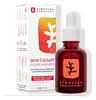
This smoothing oil is formulated around Gluconolactone and Squalane to refine skin texture and brighten dull-looking skin.
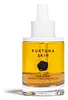
This hydrating oil is formulated around Olea Europaea Fruit Oil and Squalane to hydrate skin and strengthen the skin barrier.


What's inside
What's inside
 Key Ingredients
Benefits
Concerns
Ingredients Side-by-side
Water
Skin ConditioningGlycerin
Humectant


Caprylic/Capric Triglyceride
Masking
Gluconolactone
Skin Conditioning






Helianthus Annuus Seed Oil
Emollient


Squalane
Emollient
Coco-Caprylate/Caprate
Emollient
Propanediol
Solvent
Dicaprylyl Carbonate
EmollientButylene Glycol
Humectant
Arginine
Masking
Phyllostachys Bambusoides Extract
Skin Conditioning1,2-Hexanediol
Skin Conditioning
Citrus Junos Fruit Extract
Skin ConditioningSodium Citrate
BufferingSodium Chloride
MaskingBetaine
Humectant
Zinc PCA
Humectant

Avena Sativa Kernel Oil
Skin Conditioning
Panax Ginseng Root Extract
Emollient
Ophiopogon Japonicus Root Extract
Skin ConditioningPolygonatum Officinale Rhizome/Root Extract
Skin ConditioningScrophularia Nodosa Extract
Skin ConditioningPhyllostachys Bambusoides Juice
Skin ConditioningCentella Asiatica Extract
Cleansing
Glycine Soja Oil
Emollient



Glycyrrhiza Glabra Root Extract
Bleaching
Capsicum Annuum Fruit Extract
Antimicrobial
Dioscorea Villosa Root Extract
Skin Conditioning
Polygonum Cuspidatum Root Extract
Antioxidant
Kigelia Africana Fruit Extract
Skin ConditioningScutellaria Baicalensis Root Extract
Astringent
Equisetum Giganteum Extract
Skin ConditioningRosmarinus Officinalis Leaf Extract
AntimicrobialCamellia Sinensis Leaf Extract
Antimicrobial
Chamomilla Recutita Flower Extract
Masking
Lactobacillus Ferment
Skin Conditioning
Sodium Hyaluronate
Humectant
Pentylene Glycol
Skin Conditioning
Tocopherol
Antioxidant
Bisabolol
Antioxidant
Citric Acid
Buffering
Ethylhexylglycerin
Skin ConditioningParfum
Masking


Hexyl Cinnamal
Perfuming
Alpha-Isomethyl Ionone
Perfuming
Linalool
Perfuming
Citronellol
Perfuming
Water, Glycerin, Caprylic/Capric Triglyceride, Gluconolactone, Helianthus Annuus Seed Oil, Squalane, Coco-Caprylate/Caprate, Propanediol, Dicaprylyl Carbonate, Butylene Glycol, Arginine, Phyllostachys Bambusoides Extract, 1,2-Hexanediol, Citrus Junos Fruit Extract, Sodium Citrate, Sodium Chloride, Betaine, Zinc PCA, Avena Sativa Kernel Oil, Panax Ginseng Root Extract, Ophiopogon Japonicus Root Extract, Polygonatum Officinale Rhizome/Root Extract, Scrophularia Nodosa Extract, Phyllostachys Bambusoides Juice, Centella Asiatica Extract, Glycine Soja Oil, Glycyrrhiza Glabra Root Extract, Capsicum Annuum Fruit Extract, Dioscorea Villosa Root Extract, Polygonum Cuspidatum Root Extract, Kigelia Africana Fruit Extract, Scutellaria Baicalensis Root Extract, Equisetum Giganteum Extract, Rosmarinus Officinalis Leaf Extract, Camellia Sinensis Leaf Extract, Chamomilla Recutita Flower Extract, Lactobacillus Ferment, Sodium Hyaluronate, Pentylene Glycol, Tocopherol, Bisabolol, Citric Acid, Ethylhexylglycerin, Parfum, Hexyl Cinnamal, Alpha-Isomethyl Ionone, Linalool, Citronellol
Olea Europaea Fruit Oil
Masking
Squalane
Emollient
Simmondsia Chinensis Seed Oil
Emollient
Octyldodecanol
Emollient
Propanediol
Solvent
Caprylic/Capric Triglyceride
Masking
Dicaprylyl Ether
Emollient
Water
Skin ConditioningGlycerin
Humectant
Michelia Alba Flower Oil
Masking
Olea Europaea Leaf Water
Skin ConditioningCichorium Intybus Root Oligosaccharides
Skin ConditioningCaesalpinia Spinosa Gum
Skin ConditioningCichorium Intybus Leaf Extract
MaskingBeta Vulgaris Leaf Extract
Skin ConditioningMalva Sylvestris Leaf Extract
Skin ConditioningAsparagus Officinalis Stem Extract
Skin ConditioningHelianthus Annuus Flower Extract
Skin ConditioningMalva Sylvestris Flower Extract
Skin ConditioningAscorbyl Palmitate
Antioxidant
Vitis Vinifera Leaf Extract
Skin ConditioningCalendula Officinalis Flower Extract
Masking
Rubus Fruticosus Fruit Water
Masking
Borago Officinalis Seed Oil
Emollient
Lactobacillus Ferment
Skin Conditioning
Eruca Sativa Leaf Extract
Skin ConditioningLamium Album Extract
AstringentPapaver Rhoeas Flower Extract
Skin ConditioningUrtica Dioica Leaf Extract
Skin ConditioningRosa Canina Fruit Extract
Astringent
Hypericum Perforatum Extract
AntimicrobialSodium Benzoate
Masking
Potassium Sorbate
Preservative
Gluconolactone
Skin Conditioning
Calcium Gluconate
HumectantCitric Acid
Buffering
Olea Europaea Fruit Oil, Squalane, Simmondsia Chinensis Seed Oil, Octyldodecanol, Propanediol, Caprylic/Capric Triglyceride, Dicaprylyl Ether, Water, Glycerin, Michelia Alba Flower Oil, Olea Europaea Leaf Water, Cichorium Intybus Root Oligosaccharides, Caesalpinia Spinosa Gum, Cichorium Intybus Leaf Extract, Beta Vulgaris Leaf Extract, Malva Sylvestris Leaf Extract, Asparagus Officinalis Stem Extract, Helianthus Annuus Flower Extract, Malva Sylvestris Flower Extract, Ascorbyl Palmitate, Vitis Vinifera Leaf Extract, Calendula Officinalis Flower Extract, Rubus Fruticosus Fruit Water, Borago Officinalis Seed Oil, Lactobacillus Ferment, Eruca Sativa Leaf Extract, Lamium Album Extract, Papaver Rhoeas Flower Extract, Urtica Dioica Leaf Extract, Rosa Canina Fruit Extract, Hypericum Perforatum Extract, Sodium Benzoate, Potassium Sorbate, Gluconolactone, Calcium Gluconate, Citric Acid
Reviews
Alternatives
Ingredients Explained
These ingredients are found in both products.
Ingredients higher up in an ingredient list are typically present in a larger amount.
Caprylic/Capric Triglyceride (aka MCT Oil) is a lightweight emollient, solvent, and texture enhancer. It is considered a skin-softener by helping to prevent moisture loss.
Though it behaves like an oil, it is not technically one due to its chemical composition. One perk of this ingredient is that it is very stable, resistant to oxidation, and unlikely to go rancid.
In practice, that translates to a long shelf life and a consistently elegant skin feel.
While there is an assumption Caprylic Triglyceride can clog pores due to it being derived from coconut oil, there is no research supporting this. Just patch test if you have concerns.
Fractionated coconut oil and MCT Oil are both listed as Caprylic/Capric Triglyceride according to INCI. This is because INCI names are based on the ingredient’s final chemical composition and not its marketing name or source.
This ingredient is treated as the gold standard fungal acne safe oil. Even though it is coconut derived, the problematic lauric acid is stripped out.
This leaves just caprylic (C8) and capric (C10) acid. These chain lengths actually trend antifungal; a 2020 study found caprylic acid was enough to disrupt Malassezia furfur cell membrane, with a caprylic acid derivative damaging membrane structures at concentrations as low as 0.2%.
Learn more about Caprylic/Capric TriglycerideCitric Acid is an alpha hydroxy acid (AHA) naturally found in citrus fruits like oranges, lemons, and limes.
Like other AHAs, citric acid can exfoliate skin by breaking down the bonds that hold dead skin cells together. This helps reveal smoother and brighter skin underneath.
However, this exfoliating effect only happens at high concentrations (20%) which can be hard to find in cosmetic products.
Due to this, citric acid is usually included in small amounts as a pH adjuster. This helps keep products slightly more acidic and compatible with skin's natural pH.
In skincare formulas, citric acid can:
While it can provide some skin benefits, research shows lactic acid and glycolic acid are generally more effective and less irritating exfoliants.
Most citric acid used in skincare today is made by fermenting sugars (usually from molasses). This synthetic version is identical to the natural citrus form but easier to stabilize and use in formulations.
Read more about some other popular AHA's here:
Learn more about Citric AcidGluconolactone is a PHA. PHAs are a great gentle alternative to traditional AHAs.
When applied, Gluconolactone has the same affect on skin as AHAs such as lactic acid. It helps dissolve the dead skin cells in the top layer of your skin. This improves texture and brightens the skin.
PHAs are more gentle than AHAs due to their larger structure. They do not penetrate as deeply as AHAs and take a longer time to dissolve dead cells. Studies show PHAs do not cause as much irritation.
Gluconolactone has some interesting properties:
In a 2004 study, Gluconolactone was found to prevent UV damage in mouse skin cells and has not been found to increase sun sensitivity. However, we still recommend wearing SPF daily.
This ingredient is is an created by reacting gluconic acid with an alcohol.
Learn more about GluconolactoneGlycerin (or glycerol) is a compound naturally found in your skin. It's a powerhouse humectant that pulls water into the stratum corneum.
Topically, glycerin does several things at once:
Your skin makes glycerin on its own (mostly from sebaceous oil breakdown) and shuttles it to your outermost layer of skin, or your epidermis, via aquaporin-3.
Aquaporin-3 is a transporter that is essential for normal skin hydration, elasticity, and repair. Interestingly, mice lacking in AQP3 have dry and less elastic skin that can be fully corrected with glycerin.
This ingredient is non-irritating, plays well with almost every ingredient, and works across all skin types. Typical use is anywhere between 3-10% but can go up to 79% in some leave-on products.
Just know very high concentrations (>40%) can feel tacky in low humidity.
Glycerin is the name for this ingredient in American English. British English uses Glycerol/Glycerine.
Learn more about GlycerinThis ingredient is made when the Lactobacillus bacteria (the same kind that makes yogurt and kimchi) are allowed to ferment a nutrient medium.
As it ferments, it collects lactic acid, peptides, enzymes, and other bioactive metabolites to provide:
A 2023 review noted that probiotic fermentation ingredients like this one can enhance antioxidant capacity, reduce UV-induced oxidative damage, and support barrier function.
One clinical study from the same year showed a Lactobacillus ferment lysate significantly reduced transepidermal water loss and improved skin hydration.
Another review highlighted that topical Lactobacillus-based preparations can improve ceramide levels in the stratum corneum, support barrier integrity, and even help reduce S. aureus colonization in atopic dermatitis.
Why is this so cool?
Basically, your skin's outer layer works as a brick wall; skin cells are bricks and ceramides are the mortar holding it together. Moisture escapes, irritants get in, and your skin gets dry and reactive when ceramide levels drop. On top of that, "bad" skin bacteria S. aureus loves to move in when your barrier is weak to make inflammation and irritation worse.
So Lactobacillus ferment is basically patching the wall and evicting the troublemaker when it boosts ceramide production and help keep S. aureus in check.
On top of all this, it also acts as a mild antimicrobial preservative booster.
Just so you know, most studies focus on specific strains or the lysate form rather than this generic "Lactobacillus Ferment", so results can vary.
Though it's a promising ingredient, it doesn't have decades of robust clinical data behind it just yet.
Lactobacillus Ferment is generally considered safe for fungal-acne prone skin. The key thing to understand is that it comes from bacteria, not yeast or fungus.
Yeast-derived ferments (like galactomyces) have been shown to activate a protein that's linked to Malassezia-related skin issues whereas lactobacillus doesn't have that problem.
Its byproducts also don't contain the types of fatty acids (C11-24 chain lengths) that Malassezia feeds on.
Learn more about Lactobacillus FermentPropanediol is an all-star ingredient. It softens, hydrates, and smooths the skin.
It’s often used to:
Propanediol is not likely to cause sensitivity and considered safe to use. It is derived from corn or petroleum with a clear color and no scent.
Learn more about PropanediolSqualane is the hydrogenated and shelf-stable form of squalene (a lipid that naturally occurs in human sebum).
It is an emollient and skin conditioning agent that is able to integrate seamlessly into the skin's lipid barrier without clogging pores.
This is due to how structurally similar it is to what your skin already produces.
Though it is mostly an emollient that helps soften and hydrate skin, it also has some humectant and occlusive action. Humectants help the skin retain moisture while occlusives seal it in, making squalane a triple-threat moisturizer.
Research shows it has antioxidant capabilities that help protect against stressors like UV exposure, specifically UVA induced oxidative stress. This study also found that it supports collagen biosynthesis in human dermal fibroblasts.
No clinical study has reported significant adverse effects and irritation reactions are very rare from this ingredient (even at 100% concentration).
Overall, it's a fantastic ingredient for hydration and is suitable for all skin types.
This depends on the source. Squalane can be derived from both plants and animals. Most squalane used in skincare comes from plants.
Please note: the source of squalane is only known if disclosed by the brand. We recommend reaching out to the brand if you have any questions about their squalane.
Read more about squalene with an "e".
Though squalane is often called an oil, it’s technically not one. It is a hydrocarbon, meaning it is only made of carbon and hydrogen. True oils are triglycerides and made of fatty acids and glycerol.
The term “oil-free” isn’t regulated so companies can define it however they want. Some exclude all oils, while others just avoid mineral oil or comedogenic oils.
Squalane has a comedogenic rating of 1 from the original 1972 study that tested raw ingredients under occlusion on rabbit ears. This system is not standardized or peer-reviewed, and using the raw ingredients is very different from how diluted cosmetic formulations are used on human skin.
A comedogenic rating of 1 means it is "unlikely to clog pores" according to the original rating system.
The overall formula of a product matters more than the individual ingredients on whether or not it will cause clogged pores.
Learn more about SqualaneWater. It's the most common cosmetic ingredient of all. You'll usually see it at the top of ingredient lists, meaning that it makes up the largest part of the product.
So why is it so popular? Water most often acts as a solvent - this means that it helps dissolve other ingredients into the formulation.
You'll also recognize water as that liquid we all need to stay alive. If you see this, drink a glass of water. Remember to stay hydrated!
Learn more about Water

