Erborian Skin Therapy Multi-Perfecting Bi-Phase Night Oil-Serum Versus REN Clean Skincare Ready Steady Glow Daily AHA Tonic
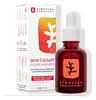
This smoothing oil is formulated around Gluconolactone and Squalane to refine skin texture and brighten dull-looking skin.
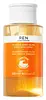
This smoothing toner is formulated around Lactic Acid and Potassium Azeloyl Diglycinate to refine skin texture and brighten dull-looking skin.


What's inside
What's inside
 Key Ingredients
Benefits
Concerns
Ingredients Side-by-side
Water
Skin ConditioningGlycerin
Humectant


Caprylic/Capric Triglyceride
Masking
Gluconolactone
Chelating






Helianthus Annuus Seed Oil
Emollient


Squalane
Emollient
Coco-Caprylate/Caprate
Emollient
Propanediol
Solvent
Dicaprylyl Carbonate
EmollientButylene Glycol
Humectant
Arginine
Masking
Phyllostachys Bambusoides Extract
Skin Conditioning1,2-Hexanediol
Skin Conditioning
Citrus Junos Fruit Extract
Skin ConditioningSodium Citrate
BufferingSodium Chloride
MaskingBetaine
Humectant
Zinc PCA
Humectant

Avena Sativa Kernel Oil
Skin Conditioning
Panax Ginseng Root Extract
Emollient
Ophiopogon Japonicus Root Extract
Skin ConditioningPolygonatum Officinale Rhizome/Root Extract
Skin ConditioningScrophularia Nodosa Extract
Skin ConditioningPhyllostachys Bambusoides Juice
Skin ConditioningCentella Asiatica Extract
Cleansing
Glycine Soja Oil
Emollient



Glycyrrhiza Glabra Root Extract
Bleaching
Capsicum Annuum Fruit Extract
Antimicrobial
Dioscorea Villosa Root Extract
Skin Conditioning
Polygonum Cuspidatum Root Extract
Antioxidant
Kigelia Africana Fruit Extract
Skin ConditioningScutellaria Baicalensis Root Extract
Astringent
Equisetum Giganteum Extract
Skin ConditioningRosmarinus Officinalis Leaf Extract
AntimicrobialCamellia Sinensis Leaf Extract
Antimicrobial
Chamomilla Recutita Flower Extract
Masking
Lactobacillus Ferment
Skin Conditioning
Sodium Hyaluronate
Humectant
Pentylene Glycol
Skin Conditioning
Tocopherol
Antioxidant
Bisabolol
Antioxidant
Citric Acid
Buffering
Ethylhexylglycerin
Skin ConditioningParfum
Masking


Hexyl Cinnamal
Perfuming
Alpha-Isomethyl Ionone
Perfuming
Linalool
Perfuming
Citronellol
Perfuming
Water, Glycerin, Caprylic/Capric Triglyceride, Gluconolactone, Helianthus Annuus Seed Oil, Squalane, Coco-Caprylate/Caprate, Propanediol, Dicaprylyl Carbonate, Butylene Glycol, Arginine, Phyllostachys Bambusoides Extract, 1,2-Hexanediol, Citrus Junos Fruit Extract, Sodium Citrate, Sodium Chloride, Betaine, Zinc PCA, Avena Sativa Kernel Oil, Panax Ginseng Root Extract, Ophiopogon Japonicus Root Extract, Polygonatum Officinale Rhizome/Root Extract, Scrophularia Nodosa Extract, Phyllostachys Bambusoides Juice, Centella Asiatica Extract, Glycine Soja Oil, Glycyrrhiza Glabra Root Extract, Capsicum Annuum Fruit Extract, Dioscorea Villosa Root Extract, Polygonum Cuspidatum Root Extract, Kigelia Africana Fruit Extract, Scutellaria Baicalensis Root Extract, Equisetum Giganteum Extract, Rosmarinus Officinalis Leaf Extract, Camellia Sinensis Leaf Extract, Chamomilla Recutita Flower Extract, Lactobacillus Ferment, Sodium Hyaluronate, Pentylene Glycol, Tocopherol, Bisabolol, Citric Acid, Ethylhexylglycerin, Parfum, Hexyl Cinnamal, Alpha-Isomethyl Ionone, Linalool, Citronellol
Water
Skin ConditioningSodium Lactate
Buffering
Lactic Acid
Buffering
Heptyl Glucoside
SurfactantPotassium Azeloyl Diglycinate
Skin Conditioning
Triethyl Citrate
Masking
Glyceryl Caprylate
EmollientSalix Nigra Bark Extract
Skin ProtectingBenzoic Acid
Masking
Citrus Nobilis Peel Oil
Masking
Citrus Aurantium Dulcis Flower Oil
Astringent
Citrus Grandis Peel Oil
Masking

Citrus Tangerina Peel Oil
Masking
Heptanol
Perfuming
Parfum
Masking
Limonene
Perfuming
Water, Sodium Lactate, Lactic Acid, Heptyl Glucoside, Potassium Azeloyl Diglycinate, Triethyl Citrate, Glyceryl Caprylate, Salix Nigra Bark Extract, Benzoic Acid, Citrus Nobilis Peel Oil, Citrus Aurantium Dulcis Flower Oil, Citrus Grandis Peel Oil, Citrus Tangerina Peel Oil, Heptanol, Parfum, Limonene
Reviews
Alternatives
Ingredients Explained
These ingredients are found in both products.
Ingredients higher up in an ingredient list are typically present in a larger amount.
Parfum is a catch-all term for an ingredient or more that is used to give a scent to products.
Also called "fragrance", this ingredient can be a blend of hundreds of chemicals or plant oils. This means every product with "fragrance" or "parfum" in the ingredients list is a different mixture.
For instance, Habanolide is a proprietary trade name for a specific aroma chemical. When used as a fragrance ingredient in cosmetics, most aroma chemicals fall under the broad labeling category of “FRAGRANCE” or “PARFUM” according to EU and US regulations.
The term 'parfum' or 'fragrance' is not regulated in many countries. In many cases, it is up to the brand to define this term.
For instance, many brands choose to label themselves as "fragrance-free" because they are not using synthetic fragrances. However, their products may still contain ingredients such as essential oils that are considered a fragrance by INCI standards.
One example is Calendula flower extract. Calendula is an essential oil that still imparts a scent or 'fragrance'.
Depending on the blend, the ingredients in the mixture can cause allergies and sensitivities on the skin. Some ingredients that are known EU allergens include linalool and citronellol.
Parfum can also be used to mask or cover an unpleasant scent.
The bottom line is: not all fragrances/parfum/ingredients are created equally. If you are worried about fragrances, we recommend taking a closer look at an ingredient. And of course, we always recommend speaking with a professional.
Learn more about ParfumWater. It's the most common cosmetic ingredient of all. You'll usually see it at the top of ingredient lists, meaning that it makes up the largest part of the product.
So why is it so popular? Water most often acts as a solvent - this means that it helps dissolve other ingredients into the formulation.
You'll also recognize water as that liquid we all need to stay alive. If you see this, drink a glass of water. Remember to stay hydrated!
Learn more about Water

