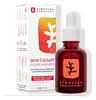
This smoothing oil is formulated around Gluconolactone and Squalane to refine skin texture and brighten dull-looking skin.
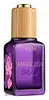
This hydrating oil is formulated around Tocopherol to hydrate skin and strengthen the skin barrier.


What's inside
What's inside
 Key Ingredients
Benefits
Concerns
Ingredients Side-by-side
Water
Skin ConditioningGlycerin
Humectant


Caprylic/Capric Triglyceride
Masking
Gluconolactone
Chelating






Helianthus Annuus Seed Oil
Emollient


Squalane
Emollient
Coco-Caprylate/Caprate
Emollient
Propanediol
Solvent
Dicaprylyl Carbonate
EmollientButylene Glycol
Humectant
Arginine
Masking
Phyllostachys Bambusoides Extract
Skin Conditioning1,2-Hexanediol
Skin Conditioning
Citrus Junos Fruit Extract
Skin ConditioningSodium Citrate
BufferingSodium Chloride
MaskingBetaine
Humectant
Zinc PCA
Humectant

Avena Sativa Kernel Oil
Skin Conditioning
Panax Ginseng Root Extract
Emollient
Ophiopogon Japonicus Root Extract
Skin ConditioningPolygonatum Officinale Rhizome/Root Extract
Skin ConditioningScrophularia Nodosa Extract
Skin ConditioningPhyllostachys Bambusoides Juice
Skin ConditioningCentella Asiatica Extract
Cleansing
Glycine Soja Oil
Emollient



Glycyrrhiza Glabra Root Extract
Bleaching
Capsicum Annuum Fruit Extract
Antimicrobial
Dioscorea Villosa Root Extract
Skin Conditioning
Polygonum Cuspidatum Root Extract
Antioxidant
Kigelia Africana Fruit Extract
Skin ConditioningScutellaria Baicalensis Root Extract
Astringent
Equisetum Giganteum Extract
Skin ConditioningRosmarinus Officinalis Leaf Extract
AntimicrobialCamellia Sinensis Leaf Extract
Antimicrobial
Chamomilla Recutita Flower Extract
Masking
Lactobacillus Ferment
Skin Conditioning
Sodium Hyaluronate
Humectant
Pentylene Glycol
Skin Conditioning
Tocopherol
Antioxidant
Bisabolol
Antioxidant
Citric Acid
Buffering
Ethylhexylglycerin
Skin ConditioningParfum
Masking


Hexyl Cinnamal
Perfuming
Alpha-Isomethyl Ionone
Perfuming
Linalool
Perfuming
Citronellol
Perfuming
Water, Glycerin, Caprylic/Capric Triglyceride, Gluconolactone, Helianthus Annuus Seed Oil, Squalane, Coco-Caprylate/Caprate, Propanediol, Dicaprylyl Carbonate, Butylene Glycol, Arginine, Phyllostachys Bambusoides Extract, 1,2-Hexanediol, Citrus Junos Fruit Extract, Sodium Citrate, Sodium Chloride, Betaine, Zinc PCA, Avena Sativa Kernel Oil, Panax Ginseng Root Extract, Ophiopogon Japonicus Root Extract, Polygonatum Officinale Rhizome/Root Extract, Scrophularia Nodosa Extract, Phyllostachys Bambusoides Juice, Centella Asiatica Extract, Glycine Soja Oil, Glycyrrhiza Glabra Root Extract, Capsicum Annuum Fruit Extract, Dioscorea Villosa Root Extract, Polygonum Cuspidatum Root Extract, Kigelia Africana Fruit Extract, Scutellaria Baicalensis Root Extract, Equisetum Giganteum Extract, Rosmarinus Officinalis Leaf Extract, Camellia Sinensis Leaf Extract, Chamomilla Recutita Flower Extract, Lactobacillus Ferment, Sodium Hyaluronate, Pentylene Glycol, Tocopherol, Bisabolol, Citric Acid, Ethylhexylglycerin, Parfum, Hexyl Cinnamal, Alpha-Isomethyl Ionone, Linalool, Citronellol


Reviews
Ingredients Explained
These ingredients are found in both products.
Ingredients higher up in an ingredient list are typically present in a larger amount.
Linalool is a small, naturally occurring scent molecule found in plants like lavender, coriander, bergamot, and more.
It is one of the two most-used fragrance ingredients in cosmetics and added purely for smell. Since it's not used for a skin benefit, there's no "effective dose". Concentration depends on the fragrance load of the product.
The EU requires it to be named on the label above 0.001% in leave-on and 0.01% in rinse-off products.
Fresh linalool is a weak sensitizer but air exposure turns some of it into hydroperoxides, which are strong sensitizers. Those oxidation products are the actual allergy concern.
Patch-test clinics see positive reactions to linalool hydroperoxides in about 4% to 12% of dermatitis patients depending on country and test concentration.
Resassuringly, one analytical study found hydroperoxide levels in real fragranced products to be orders of magnitude below what induced sensitization in animal studies with no evidence of oxidation building up during normal storage.
The practical takeaway is that linalool is fine for most people but worth avoiding if you have a confirmed fragrance contact allergy or a badly compromised barrier.
Products stored a long time after opening are also the high-risk scenario since that is when oxidation happens.
The scent of linalool is described as floral, spicy tropical, and citrus-like.
Learn more about LinaloolThis is a botanical extract from the rosemary plant (the same one you cook with). In skincare, it mostly works as a skin conditioning agent.
Its activity comes from a handful of polyphenols, carnosic acid, carnosol, and rosmarinic acid. Almost 90% of the antioxidant activity of this ingredient can be attributed to canosol and carnosic acid.
These compounds protect your skin two ways:
1) They fight off free radicals, or the unstable molecules from things like sun and pollution that age and damage skin.
2) They help calm inflammation by switching off the chemical signals that tell skin to get red and irritated.
Lab studies also suggest that rosmarinic acid may help protect collagen and slow sugar-related damage to it.
The Cosmetic Ingredient Review has concluded rosemary-derived ingredients to be safe when formulated to be non-sensitizing.
Rosemary can occasionally cause allergic contact dermatitis (due to carnosol), so be sure to patch test if you have reactive or fragrance-sensitive skin.
Learn more about Rosmarinus Officinalis Leaf ExtractTocopherol is a fat-soluble antioxidant known as Vitamin E.
You'll find this ingredient in the vast majority of skincare (for good reason). It works to neutralize free radicals, or unstable molecules generated by UV exposure, pollution, and other environmental stressors, before they can cause oxidative damage to your skin cells.
Topically applied tocopherol has been shown to protect against UV damage by ramping up the skin's own natural defense enzymes.
It also acts as a skin conditioning agent; some studies show that regular topical use can improve the skin's water-binding capacity over 2-4 weeks.
This ingredient is especially loved for being a team player. When combined with Vitamin C, the photoprotective effect of both ingredients roughly doubles and the combo also helps reduce UV-induced DNA damage.
This ingredient has some brightening potential but it's more of a prevention ingredient than spot-fader. Cell studies show it can slow down melanin production but it's worth noting that it's not the most powerful brightener out there.
In formulations, it also serves as a stabilizer that helps protect other oxidation-prone ingredients from degrading.
Concentrations usually range from 0.1-1% in most leave-on products.
Learn more about Tocopherol


