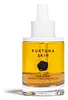
This hydrating oil is formulated around Olea Europaea Fruit Oil and Squalane to hydrate skin and strengthen the skin barrier.
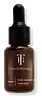
This hydrating oil is formulated around Camellia Oleifera Seed Oil and Vitis Vinifera Seed Oil to hydrate skin and calm redness.

What's inside
What's inside
 Key Ingredients
Benefits
Concerns
Ingredients Side-by-side
Olea Europaea Fruit Oil
Masking






Squalane
Emollient

Simmondsia Chinensis Seed Oil
Emollient
Octyldodecanol
Emollient
Propanediol
Solvent
Caprylic/Capric Triglyceride
Masking
Dicaprylyl Ether
Emollient
Water
Skin ConditioningGlycerin
Humectant
Michelia Alba Flower Oil
Masking
Olea Europaea Leaf Water
Skin ConditioningCichorium Intybus Root Oligosaccharides
Skin ConditioningCaesalpinia Spinosa Gum
Skin ConditioningCichorium Intybus Leaf Extract
MaskingBeta Vulgaris Leaf Extract
Skin ConditioningMalva Sylvestris Leaf Extract
Skin ConditioningAsparagus Officinalis Stem Extract
Skin ConditioningHelianthus Annuus Flower Extract
Skin ConditioningMalva Sylvestris Flower Extract
Skin ConditioningAscorbyl Palmitate
Antioxidant


Vitis Vinifera Leaf Extract
Skin ConditioningCalendula Officinalis Flower Extract
Masking

Rubus Fruticosus Fruit Water
Masking
Borago Officinalis Seed Oil
Emollient
Lactobacillus Ferment
Skin Conditioning
Eruca Sativa Leaf Extract
Skin ConditioningLamium Album Extract
AstringentPapaver Rhoeas Flower Extract
Skin ConditioningUrtica Dioica Leaf Extract
Skin ConditioningRosa Canina Fruit Extract
Astringent
Hypericum Perforatum Extract
AntimicrobialSodium Benzoate
Masking
Potassium Sorbate
Preservative
Gluconolactone
Chelating




Calcium Gluconate
HumectantCitric Acid
Buffering
Olea Europaea Fruit Oil, Squalane, Simmondsia Chinensis Seed Oil, Octyldodecanol, Propanediol, Caprylic/Capric Triglyceride, Dicaprylyl Ether, Water, Glycerin, Michelia Alba Flower Oil, Olea Europaea Leaf Water, Cichorium Intybus Root Oligosaccharides, Caesalpinia Spinosa Gum, Cichorium Intybus Leaf Extract, Beta Vulgaris Leaf Extract, Malva Sylvestris Leaf Extract, Asparagus Officinalis Stem Extract, Helianthus Annuus Flower Extract, Malva Sylvestris Flower Extract, Ascorbyl Palmitate, Vitis Vinifera Leaf Extract, Calendula Officinalis Flower Extract, Rubus Fruticosus Fruit Water, Borago Officinalis Seed Oil, Lactobacillus Ferment, Eruca Sativa Leaf Extract, Lamium Album Extract, Papaver Rhoeas Flower Extract, Urtica Dioica Leaf Extract, Rosa Canina Fruit Extract, Hypericum Perforatum Extract, Sodium Benzoate, Potassium Sorbate, Gluconolactone, Calcium Gluconate, Citric Acid
Camellia Oleifera Seed Oil
Skin Conditioning
Vitis Vinifera Seed Oil
Emollient
Persea Gratissima Oil
Skin Conditioning
Sclerocarya Birrea Seed Oil
Humectant
Cannabis Sativa Seed Oil
Emollient
Salvia Hispanica Seed Oil
Emollient
Citrullus Lanatus Seed Oil
Emollient
Borago Officinalis Seed Oil
Emollient
Rosa Rubiginosa Seed Oil
Emollient
Rubus Idaeus Seed Oil
Emollient
Oenothera Biennis Oil
Emollient
Argania Spinosa Kernel Oil
Emollient
Squalane
Emollient
Carica Papaya Seed Oil
Humectant
Actinidia Chinensis Seed Oil
Emollient
Passiflora Incarnata Seed Oil
Skin Protecting
Passiflora Edulis Seed Oil
Emollient
Olea Europaea Fruit Oil
Masking
Silybum Marianum Seed Oil
Skin Conditioning
Cinnamomum Camphora Leaf Extract
MaskingBoswellia Carterii Oil
Masking
Citrus Aurantium Amara Leaf/Twig Extract
Skin ConditioningTocopherol
Antioxidant
Vetiveria Zizanoides Root Oil
Masking

Rosa Damascena Flower Oil
Masking
Jasminum Officinale Oil
Masking
Abies Sibirica Oil
Masking
Haematococcus Pluvialis Extract
Antioxidant
Nannochloropsis Oculata Extract
HumectantPinus Densiflora Extract
Antioxidant
Porphyra Umbilicalis Extract
Skin ConditioningRosmarinus Officinalis Extract
AntimicrobialLinalool
Perfuming
Citronellol
Perfuming
Geraniol
Perfuming
Farnesol
Perfuming
Benzyl Alcohol
Perfuming

Citral
Perfuming
Eugenol
Perfuming
Benzyl Benzoate
Antimicrobial
Limonene
Perfuming
Camellia Oleifera Seed Oil, Vitis Vinifera Seed Oil, Persea Gratissima Oil, Sclerocarya Birrea Seed Oil, Cannabis Sativa Seed Oil, Salvia Hispanica Seed Oil, Citrullus Lanatus Seed Oil, Borago Officinalis Seed Oil, Rosa Rubiginosa Seed Oil, Rubus Idaeus Seed Oil, Oenothera Biennis Oil, Argania Spinosa Kernel Oil, Squalane, Carica Papaya Seed Oil, Actinidia Chinensis Seed Oil, Passiflora Incarnata Seed Oil, Passiflora Edulis Seed Oil, Olea Europaea Fruit Oil, Silybum Marianum Seed Oil, Cinnamomum Camphora Leaf Extract, Boswellia Carterii Oil, Citrus Aurantium Amara Leaf/Twig Extract, Tocopherol, Vetiveria Zizanoides Root Oil, Rosa Damascena Flower Oil, Jasminum Officinale Oil, Abies Sibirica Oil, Haematococcus Pluvialis Extract, Nannochloropsis Oculata Extract, Pinus Densiflora Extract, Porphyra Umbilicalis Extract, Rosmarinus Officinalis Extract, Linalool, Citronellol, Geraniol, Farnesol, Benzyl Alcohol, Citral, Eugenol, Benzyl Benzoate, Limonene
Alternatives
Ingredients Explained
These ingredients are found in both products.
Ingredients higher up in an ingredient list are typically present in a larger amount.
Borago Officinalis Seed Oil is the fixed oil pressed from the seed of borage (or starflower). In cosmetics, it's a skin conditioning agent and emollient that helps soften and hydrate the skin.
Its whole reputation rests on one fatty acid, gamma-linolenic acid, that makes up about 20-26% of the oil. There are also significant levels of linoleic, oleic, palmitic, stearic, erucic, and nervonic acids.
Topical evidence is small but reasonably consistent; most of it is about barrier function rather than curing anything.
In 37 infants with seborrhoeic dermatitis treated daily with topical borage oil containing 24% GLA, all patients were free of skin symptoms within 3-4 weeks.
A double-blind placebo controlled trial in 32 children aged 1-10 used undershirts coated with borage oil for two weeks and found statistically significant improvements in erythema and itch. Transepidermal water loss from the back also decreased.
The CIR reviewed this ingredient and concluded it to be safe as used in cosmetics.
Concentration amounts can be as low as fractions of a percent all the way to 100% in facial oils.
Oxidation matters since it's high in polyunsaturates: pairing it with tocopherol or opaque packaging can make a difference.
Allergy risk is low though anyone with a known Boraginaceae allergy should patch test. Cosmetic-grade refined borage oil is usually free from the proteins that cause allergies, but manufacturing quality can differ around the world.
This ingredient shows up on a lot of "pore-clogging" lists but there's no real evidence behind that. It doesn't even have a comedogenic rating from an actual study; the numbers you'll find online come from blogs citing other blogs.
Ratings for other ingredients mostly come from a 1980s rabbit ear test. This test doesn't translate well to human skin or to real products because the ingredient sits at a much lower percentage.
Some people still find it breaks them out. So if that's you, definitely trust your skin.
The Malassezia species takes up external fatty acids in the C11-24 range to survive. Since this oil is a triglyceride of exactly the chain lengths it needs, this ingredient may not be fungal acne safe.
Learn more about Borago Officinalis Seed OilThis ingredient is also known as olive oil. It has been used in skincare for centuries and science largely backs up its reputation as a nourishing emollient.
The main components of olive oil are oleic acid (55-83%), linoleic acid (3.5-20%), and palmitic acid (7-20%). Oleic acid promotes skin regeneration and helps regulate inflammatory responses.
Squalene is also naturally present in olive oil and exhibits moisturizing and antioxidant properties.
The polyphenols in olive oil also show anti-aging promise; one clinical study found a measurable improvement in skin appearance after 30 days of topical serum use.
Just be aware that applying olive oil directly to skin can weaken the barrier and cause redness. One study with volunteers found even people without sensitive skin experienced a significant reduction in stratum corneum integrity and induced mild erythema.
It's best to use this ingredient as part of a carefully crafted formula (instead of putting it on skin directly from the bottle).
Because it has a 0-2 on the comedogenic scale, it is low risk for acne-prone skin. Just remember the overall formulation of a product matters more than a few ingredients with comedogenic ratings.
This ingredient may not be fungal acne safe because of the oleic and palmitic acid content. These fall within the C11-24 fatty acid range that the Malassezia yeast can metabolize to grow.
Overall, olive oil is a well-studied and nourishing skincare ingredient.
Learn more about Olea Europaea Fruit OilSqualane is the hydrogenated and shelf-stable form of squalene (a lipid that naturally occurs in human sebum).
It is an emollient and skin conditioning agent that is able to integrate seamlessly into the skin's lipid barrier without clogging pores.
This is due to how structurally similar it is to what your skin already produces.
Though it is mostly an emollient that helps soften and hydrate skin, it also has some humectant and occlusive action. Humectants help the skin retain moisture while occlusives seal it in, making squalane a triple-threat moisturizer.
Research shows it has antioxidant capabilities that help protect against stressors like UV exposure, specifically UVA induced oxidative stress. This study also found that it supports collagen biosynthesis in human dermal fibroblasts.
No clinical study has reported significant adverse effects and irritation reactions are very rare from this ingredient (even at 100% concentration).
Overall, it's a fantastic ingredient for hydration and is suitable for all skin types.
This depends on the source. Squalane can be derived from both plants and animals. Most squalane used in skincare comes from plants.
Please note: the source of squalane is only known if disclosed by the brand. We recommend reaching out to the brand if you have any questions about their squalane.
Read more about squalene with an "e".
Though squalane is often called an oil, it’s technically not one. It is a hydrocarbon, meaning it is only made of carbon and hydrogen. True oils are triglycerides and made of fatty acids and glycerol.
The term “oil-free” isn’t regulated so companies can define it however they want. Some exclude all oils, while others just avoid mineral oil or comedogenic oils.
Squalane has a comedogenic rating of 1 from the original 1972 study that tested raw ingredients under occlusion on rabbit ears. This system is not standardized or peer-reviewed, and using the raw ingredients is very different from how diluted cosmetic formulations are used on human skin.
A comedogenic rating of 1 means it is "unlikely to clog pores" according to the original rating system.
The overall formula of a product matters more than the individual ingredients on whether or not it will cause clogged pores.
Learn more about Squalane

