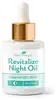
This hydrating oil is formulated around Argania Spinosa Kernel Oil and Oenothera Biennis Oil to hydrate skin and calm redness.
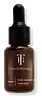
This hydrating oil is formulated around Camellia Oleifera Seed Oil and Vitis Vinifera Seed Oil to hydrate skin and calm redness.

What's inside
What's inside
 Key Ingredients
Benefits
Concerns
Ingredients Side-by-side
Argania Spinosa Kernel Oil
Emollient







Sclerocarya Birrea Seed Oil
Humectant

Oenothera Biennis Oil
Emollient
Vitis Vinifera Seed Oil
Emollient
Persea Gratissima Oil
Skin Conditioning
Salvia Hispanica Seed Oil
Emollient
Plukenetia Volubilis Seed Oil
Emollient
Tocopherol
Antioxidant



Cannabis Sativa Flower/Leaf/Stem Extract
Antioxidant
Anthemis Nobilis Flower Oil
Masking


Citrus Aurantium Dulcis Peel Oil
Masking
Tanacetum Annuum Flower Oil
Masking
Citrus Aurantium Amara Flower Oil
Masking
Rosmarinus Officinalis Leaf Oil
Masking
Vetiveria Zizanoides Root Oil
Masking
Cananga Odorata Flower Oil
Masking
Chamomilla Recutita Flower Oil
Masking
Helianthus Annuus Seed Oil
Emollient
Lecithin
Emollient
Argania Spinosa Kernel Oil, Sclerocarya Birrea Seed Oil, Oenothera Biennis Oil, Vitis Vinifera Seed Oil, Persea Gratissima Oil, Salvia Hispanica Seed Oil, Plukenetia Volubilis Seed Oil, Tocopherol, Cannabis Sativa Flower/Leaf/Stem Extract, Anthemis Nobilis Flower Oil, Citrus Aurantium Dulcis Peel Oil, Tanacetum Annuum Flower Oil, Citrus Aurantium Amara Flower Oil, Rosmarinus Officinalis Leaf Oil, Vetiveria Zizanoides Root Oil, Cananga Odorata Flower Oil, Chamomilla Recutita Flower Oil, Helianthus Annuus Seed Oil, Lecithin
Camellia Oleifera Seed Oil
Skin Conditioning
Vitis Vinifera Seed Oil
Emollient
Persea Gratissima Oil
Skin Conditioning
Sclerocarya Birrea Seed Oil
Humectant
Cannabis Sativa Seed Oil
Emollient
Salvia Hispanica Seed Oil
Emollient
Citrullus Lanatus Seed Oil
Emollient
Borago Officinalis Seed Oil
Emollient
Rosa Rubiginosa Seed Oil
Emollient
Rubus Idaeus Seed Oil
Emollient
Oenothera Biennis Oil
Emollient
Argania Spinosa Kernel Oil
Emollient
Squalane
Emollient
Carica Papaya Seed Oil
Humectant
Actinidia Chinensis Seed Oil
Emollient
Passiflora Incarnata Seed Oil
Skin Protecting
Passiflora Edulis Seed Oil
Emollient
Olea Europaea Fruit Oil
Masking
Silybum Marianum Seed Oil
Skin Conditioning
Cinnamomum Camphora Leaf Extract
MaskingBoswellia Carterii Oil
Masking
Citrus Aurantium Amara Leaf/Twig Extract
Skin ConditioningTocopherol
Antioxidant
Vetiveria Zizanoides Root Oil
Masking
Rosa Damascena Flower Oil
Masking
Jasminum Officinale Oil
Masking
Abies Sibirica Oil
Masking
Haematococcus Pluvialis Extract
Antioxidant
Nannochloropsis Oculata Extract
HumectantPinus Densiflora Extract
Antioxidant
Porphyra Umbilicalis Extract
Skin ConditioningRosmarinus Officinalis Extract
AntimicrobialLinalool
Perfuming
Citronellol
Perfuming
Geraniol
Perfuming
Farnesol
Perfuming
Benzyl Alcohol
Perfuming


Citral
Perfuming
Eugenol
Perfuming
Benzyl Benzoate
Antimicrobial
Limonene
Perfuming
Camellia Oleifera Seed Oil, Vitis Vinifera Seed Oil, Persea Gratissima Oil, Sclerocarya Birrea Seed Oil, Cannabis Sativa Seed Oil, Salvia Hispanica Seed Oil, Citrullus Lanatus Seed Oil, Borago Officinalis Seed Oil, Rosa Rubiginosa Seed Oil, Rubus Idaeus Seed Oil, Oenothera Biennis Oil, Argania Spinosa Kernel Oil, Squalane, Carica Papaya Seed Oil, Actinidia Chinensis Seed Oil, Passiflora Incarnata Seed Oil, Passiflora Edulis Seed Oil, Olea Europaea Fruit Oil, Silybum Marianum Seed Oil, Cinnamomum Camphora Leaf Extract, Boswellia Carterii Oil, Citrus Aurantium Amara Leaf/Twig Extract, Tocopherol, Vetiveria Zizanoides Root Oil, Rosa Damascena Flower Oil, Jasminum Officinale Oil, Abies Sibirica Oil, Haematococcus Pluvialis Extract, Nannochloropsis Oculata Extract, Pinus Densiflora Extract, Porphyra Umbilicalis Extract, Rosmarinus Officinalis Extract, Linalool, Citronellol, Geraniol, Farnesol, Benzyl Alcohol, Citral, Eugenol, Benzyl Benzoate, Limonene
Ingredients Explained
These ingredients are found in both products.
Ingredients higher up in an ingredient list are typically present in a larger amount.
You may know this ingredient as argan oil. It has emollient and skin conditioning properties that help soften skin and reinforce the lipid barrier.
The fatty acid profile of argan oil is roughly 45-55% oleic acid, 28-36% linoleic acid, 10-15% palmitic acid, and 5-7% stearic acid. It also contains vitamin E, sterols, squalene, and polyphenols like ferulic acid.
Two clinical studies in postmenopausal women found that applying argan oil for 60 days significantly improved skin elasticity and moisturization (reduced transepidermal water loss and increased epidermal water content).
Since it is high in oleic and linoleic acid, this ingredient may not be fungal acne safe. Both of these fall in the C11-C24 range that Malassezia yeast can metabolize.
Learn more about Argania Spinosa Kernel OilOenothera Biennis Oil (aka Evening Primrose Oil) is a non-fragrant oil from the evening primrose. Like other botanical oils, it is an emollient that helps hydrate and nourish skin.
It has an interesting fatty acid profile: linoleic (70-74%) and γ-linolenic (8-10%), with some amounts ofoleic palmitic, and stearic acids.
The gamma-linoleic acid (GLA) is the headliner here; it's relatively rare in plant oils and acts as a precursor for anti-inflammatory signaling molecules in the skin.
There's a mixed body of clinical research with this ingredient as well, mostly on eczema/atopic dermatitis skin.
Some controlled trials showed improvement in inflammation, dryness, scaling, and overall severity. Other studies and large meta-analysis failed to show a significant effect; the honest takeaway here is "promising but inconsistent" rather than "miracle oil".
On the safety front, this ingredient is found to be safe as used in cosmetics and even has a history of safe food use.
This ingredient does have a comedogenic rating of 3, but this doesn't mean a formula with this ingredient will clog pores. Human testing has proved that any finished product with this ingredient won't automatically make you break out; it really comes down to concentration, formula, and your skin.
Since this oil is contains oleic acid and palmitic acid, it may not be fungal acne safe. The Malassezia yeast feeds on fatty acids with carbon chain lengths between C11-C24. Oleic Acid sits at C18 and Palmitic acid sits at C16.
In vitro studies have shown that oleic acid and palmitic acid are some of the fatty acids that induce rapid Malassezia growth in lab settings.
Learn more about Oenothera Biennis OilThis ingredient is also known as Avocado oil. It's the cold-pressed oil from the flesh of the avocado fruit packed with fatty acids (mostly oleic acid).
The rich fatty acid profile allows it to function as a skin conditioning agent and emollient; it helps soften and smooth skin while reducing water loss.
Preclinical research has found that topical avocado oil increased collagen synthesis and reduced inflammation during wound healing, giving it some skin-repairing credibility.
The unsaponifiable fraction of the oil is also interesting: studies on avocado unsaponifiables showed that it helped skin produce more collagen and other structural compounds that support healing.
The CIR Expert Panel has found this ingredient to be non-irritating in formulations.
This ingredient may not be fungal acne safe. This is because the oleic acid content falls within the range that Malassezia can use as a food source.
This ingredient does have a comedogenic rating of 0-3, but this doesn't mean a formula with this ingredient will clog pores. Human testing has proved that any finished product with a comedogenic ingredient won't automatically make you break out; it really comes down to concentration, formula, and your skin.
Learn more about Persea Gratissima OilThis ingredient is also known as Chia Seed Oil. It is rich in fatty acids, especially linolenic acid and linoleic acid.
Research shows topical application of chia seed oil improves skin hydration and barrier function. In vitro studies show the chia seed oil especially rich in linolenic acid can increase the skin's natural ability to hydrate and even boost natural hyaluronic acid.
Due to its fatty acid content, this ingredient may not be Malassezia folliculitis safe.
Learn more about Salvia Hispanica Seed OilSclerocarya Birrea Seed Oil (aka marula oil) is a skin hydrating ingredient.
Its fatty acid profile is dominated by oleic acid (~69%), palmitic acid (~15%), linoleic acid (~9%), and palmitoleic acid (~4%).
These fatty acids are very similar to those naturally found in the epidermis, making this oil biomimetic; basically, your skin recognizes it.
Clinical testing found this ingredient to be moisturizing and non-irritating, with noteworthy effects on reducing transepidermal water loss (TEWL).
Besides fatty acids, marula oil is also rich in oxidative stabilizers like vitamin E, vitamin C precursors, and polyphenols. This gives it excellent shelf stability compared to most facial oils.
This is a great ingredient for dry, dull, or barrier-compromised skin.
Just know it may not be fungal acne safe due to the oleic and palmitic acid content. These fatty acids can as as a food source for the Malassezia yeast.
This ingredient shows up on a lot of "pore-clogging" lists but there's no real evidence behind that. It doesn't even have a comedogenic rating from an actual study; the numbers you'll find online come from blogs citing other blogs.
Some people still find it breaks them out. So if that's you, definitely trust your skin.
Learn more about Sclerocarya Birrea Seed OilTocopherol is a fat-soluble antioxidant known as Vitamin E.
You'll find this ingredient in the vast majority of skincare (for good reason). It works to neutralize free radicals, or unstable molecules generated by UV exposure, pollution, and other environmental stressors, before they can cause oxidative damage to your skin cells.
Topically applied tocopherol has been shown to protect against UV damage by ramping up the skin's own natural defense enzymes.
It also acts as a skin conditioning agent; some studies show that regular topical use can improve the skin's water-binding capacity over 2-4 weeks.
This ingredient is especially loved for being a team player. When combined with Vitamin C, the photoprotective effect of both ingredients roughly doubles and the combo also helps reduce UV-induced DNA damage.
This ingredient has some brightening potential but it's more of a prevention ingredient than spot-fader. Cell studies show it can slow down melanin production but it's worth noting that it's not the most powerful brightener out there.
In formulations, it also serves as a stabilizer that helps protect other oxidation-prone ingredients from degrading.
Concentrations usually range from 0.1-1% in most leave-on products.
Learn more about TocopherolVetiver oil is known for its earthy fragrance. It is most often used for adding a scent or fragrance to a product.
Recent studies have found potential antioxidant activity of vetiver root oil.
Vitis Vinifera Seed Oil comes from the grape vine. Grape seeds are a byproduct of creating grape juice or wine.
The components of grape seeds have many skin benefits. Research has found it to be antimicrobial and anti-inflammatory. It also contains many potent antioxidants such as Vitamin E , Vitamin C, proanthocyanidins, polyphenols, flavonoids, and anthocyanins. Proanthocyanidin has been shown to help even out skin tone.
Antioxidants help fight free-radical molecules. Free-radical molecules are capable of damaging our cells and other genetic material. Antioxidants help stabilize free-radicals by donating extra electrons. Grape seed extract may help reduce the signs of aging.
The antimicrobial properties of grape seed may help treat acne. However, more research is needed to support this claim.
Grape seed has also been found to help absorb UV rays. Grape seed extract should not replace your sunscreen.
The fatty acids of grape seed oil give it emollient properties. Emollients help soothe and soften your skin by creating a film. This film traps moisture within, keeping your skin hydrated.
Learn more about Vitis Vinifera Seed Oil

