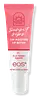
This lip moisturizer is formulated around Bis-Diglyceryl Polyacyladipate-2 and Ricinus Communis Seed Oil to hydrate lips.
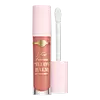
This barrier-repair lip moisturizer is formulated around Petrolatum and Sodium Hyaluronate to strengthen the lip barrier and hydrate lips.

What's inside
What's inside
 Key Ingredients
Benefits
Concerns
Ingredients Side-by-side
Octyldodecanol
Emollient
Synthetic Beeswax
Emulsion Stabilising

Bis-Diglyceryl Polyacyladipate-2
Emollient
Ricinus Communis Seed Oil
Masking

Petrolatum
Emollient

Cera Alba
Emollient

Aroma

Polyglyceryl-3 Diisostearate
Emulsifying
Butyrospermum Parkii Butter
Skin Conditioning
Persea Gratissima Oil
Skin Conditioning
Theobroma Cacao Seed Butter
Emollient
Jojoba Esters
Emollient
Helianthus Annuus Seed Wax
Skin Conditioning
Olea Europaea Fruit Oil
Masking
Acacia Decurrens Flower Wax
Emollient
Stevia Rebaudiana Leaf/Stem Extract
MaskingTocopheryl Acetate
Antioxidant


Ascorbyl Palmitate
Antioxidant

Sorbitan Oleate
Emulsifying
Polyglycerin-3
Humectant
Phytosterols
Skin Conditioning
Silica
Abrasive


Citric Acid
Buffering
Octyldodecanol, Synthetic Beeswax, Bis-Diglyceryl Polyacyladipate-2, Ricinus Communis Seed Oil, Petrolatum, Cera Alba, Aroma, Polyglyceryl-3 Diisostearate, Butyrospermum Parkii Butter, Persea Gratissima Oil, Theobroma Cacao Seed Butter, Jojoba Esters, Helianthus Annuus Seed Wax, Olea Europaea Fruit Oil, Acacia Decurrens Flower Wax, Stevia Rebaudiana Leaf/Stem Extract, Tocopheryl Acetate, Ascorbyl Palmitate, Sorbitan Oleate, Polyglycerin-3, Phytosterols, Silica, Citric Acid
Petrolatum
Emollient
Hydrogenated Polyisobutene
EmollientOctyldodecanol
Emollient
Bis-Diglyceryl Polyacyladipate-2
Emollient
Ethylene/Propylene/Styrene Copolymer
Synthetic Wax
Abrasive
Vp/Hexadecene Copolymer
Tocopheryl Acetate
Antioxidant
C12-15 Alkyl Benzoate
AntimicrobialPolyglyceryl-10 Heptahydroxystearate
Skin ConditioningPolydecene
Skin ConditioningSodium Hyaluronate
Humectant


Butyrospermum Parkii Butter
Skin Conditioning
Cocos Nucifera Fruit Juice
Emollient
Cocos Nucifera Liquid Endosperm
Cucumis Sativus Fruit Extract
Emollient
Helianthus Annuus Seed Extract
Skin Conditioning
Hordeum Vulgare Extract
EmollientMangifera Indica Seed Butter
Skin Conditioning
Olea Europaea Fruit Oil
Masking
Persea Gratissima Oil
Skin Conditioning
Ricinus Communis Seed Oil
Masking
Yogurt Powder
Lactobacillus Ferment
Skin Conditioning
Glycerin
Humectant
Phytosterols
Skin Conditioning
Menthol
Masking

Propylene Glycol Dicaprate
EmollientMeteorite Powder
Skin ConditioningCholesterol
Emollient
Hydrogenated Castor Oil
Emollient
Sorbitan Oleate
Emulsifying
Water
Skin ConditioningButylene/Ethylene/Styrene Copolymer
Silica
Abrasive
Saccharin
MaskingParfum
Masking
Benzyl Benzoate
Antimicrobial
Linalool
Perfuming
Limonene
Perfuming
Tetrahexyldecyl Ascorbate
Antioxidant
BHT
Antioxidant
Phenoxyethanol
Preservative
Mica
Cosmetic ColorantCI 77891
Cosmetic ColorantCI 77491
Cosmetic ColorantCI 77492
Cosmetic ColorantCI 77499
Cosmetic ColorantCI 77163
Cosmetic Colorant
CI 42090
Cosmetic ColorantCI 15850
Cosmetic ColorantCI 45380
Cosmetic ColorantCI 45410
Cosmetic ColorantCI 17200
Cosmetic ColorantCI 19140
Cosmetic ColorantCI 15985
Cosmetic ColorantPetrolatum, Hydrogenated Polyisobutene, Octyldodecanol, Bis-Diglyceryl Polyacyladipate-2, Ethylene/Propylene/Styrene Copolymer, Synthetic Wax, Vp/Hexadecene Copolymer, Tocopheryl Acetate, C12-15 Alkyl Benzoate, Polyglyceryl-10 Heptahydroxystearate, Polydecene, Sodium Hyaluronate, Butyrospermum Parkii Butter, Cocos Nucifera Fruit Juice, Cocos Nucifera Liquid Endosperm, Cucumis Sativus Fruit Extract, Helianthus Annuus Seed Extract, Hordeum Vulgare Extract, Mangifera Indica Seed Butter, Olea Europaea Fruit Oil, Persea Gratissima Oil, Ricinus Communis Seed Oil, Yogurt Powder, Lactobacillus Ferment, Glycerin, Phytosterols, Menthol, Propylene Glycol Dicaprate, Meteorite Powder, Cholesterol, Hydrogenated Castor Oil, Sorbitan Oleate, Water, Butylene/Ethylene/Styrene Copolymer, Silica, Saccharin, Parfum, Benzyl Benzoate, Linalool, Limonene, Tetrahexyldecyl Ascorbate, BHT, Phenoxyethanol, Mica, CI 77891, CI 77491, CI 77492, CI 77499, CI 77163, CI 42090, CI 15850, CI 45380, CI 45410, CI 17200, CI 19140, CI 15985
Reviews
Ingredients Explained
These ingredients are found in both products.
Ingredients higher up in an ingredient list are typically present in a larger amount.
Bis-Diglyceryl Polyacyladipate-2 is a synthetic emollient that works as a lanolin substitute.
This ingredient is a great vegan option for those avoiding animal-derived ingredients.
It mostly stays on the surface of skin where it helps hydrate due to its large molecular size and low water solubility.
Due to it being derived from fatty acids, this ingredient may not be Malassezia or fungal acne safe.
Learn more about Bis-Diglyceryl Polyacyladipate-2This ingredient is also known as shea butter. It is a plant-derived extract from the nuts of the Africa shea tree and one of the most well-studied emollients.
Because it has a high concentration of fatty acids (primarily oleic, stearic, and linoleic) it is able to form a protective barrier on the skin's surface. This helps seal in moisture and prevents transepidermal water loss (TEWL).
In vitro research found an increase in skin hydration by 58% and a decrease in TEWL by 37.8% after 24 hours of applying this ingredient (pretty impressive for a single ingredient!).
Besides hydration, shea butter also contains triterpenes that have anti-inflammatory potential. In particule, lupeol cinnamate has shown the highest anti-inflammatory activity in vivo.
Shea butter also contains vitamins A and E which may contribute to antioxidant activity.
While Shea Butter has an SPF rating of about 3-4, it is not a sunscreen replacement.
This ingredient may not be fungal acne safe because its fatty acids fall within the C11-C24 range that the Malassezia yeast can metabolize.
This ingredient shows up on a lot of "pore-clogging" lists but there's no real evidence behind that. It doesn't even have a comedogenic rating from an actual study; the numbers you'll find online come from blogs citing other blogs.
Ratings for other ingredients mostly come from a 1980s rabbit ear test. This test doesn't translate well to human skin or to real products because the ingredient sits at a much lower percentage.
Some people still find it breaks them out. So if that's you, definitely trust your skin. Just know this one's based on experience and not evidence.
Learn more about Butyrospermum Parkii ButterOctyldodecanol is a fatty alcohol sourced from plant oils like coconut or palm (or made synthetically).
It is:
You'll likely see this in many BHA products because this is the go-to solvent for salicylic acid.
This ingredient is typically used at levels between 2-20%.
Regarding fungal acne:
In 2019, this ingredient was tested against multiple Malassezia species (the yeast that causes fungal acne) and showed no growth.
This ingredient is also known as olive oil. It has been used in skincare for centuries and science largely backs up its reputation as a nourishing emollient.
The main components of olive oil are oleic acid (55-83%), linoleic acid (3.5-20%), and palmitic acid (7-20%). Oleic acid promotes skin regeneration and helps regulate inflammatory responses.
Squalene is also naturally present in olive oil and exhibits moisturizing and antioxidant properties.
The polyphenols in olive oil also show anti-aging promise; one clinical study found a measurable improvement in skin appearance after 30 days of topical serum use.
Just be aware that applying olive oil directly to skin can weaken the barrier and cause redness. One study with volunteers found even people without sensitive skin experienced a significant reduction in stratum corneum integrity and induced mild erythema.
It's best to use this ingredient as part of a carefully crafted formula (instead of putting it on skin directly from the bottle).
Because it has a 0-2 on the comedogenic scale, it is low risk for acne-prone skin. Just remember the overall formulation of a product matters more than a few ingredients with comedogenic ratings.
This ingredient may not be fungal acne safe because of the oleic and palmitic acid content. These fall within the C11-24 fatty acid range that the Malassezia yeast can metabolize to grow.
Overall, olive oil is a well-studied and nourishing skincare ingredient.
Learn more about Olea Europaea Fruit OilThis ingredient is also known as Avocado oil. It's the cold-pressed oil from the flesh of the avocado fruit packed with fatty acids (mostly oleic acid).
The rich fatty acid profile allows it to function as a skin conditioning agent and emollient; it helps soften and smooth skin while reducing water loss.
Preclinical research has found that topical avocado oil increased collagen synthesis and reduced inflammation during wound healing, giving it some skin-repairing credibility.
The unsaponifiable fraction of the oil is also interesting: studies on avocado unsaponifiables showed that it helped skin produce more collagen and other structural compounds that support healing.
The CIR Expert Panel has found this ingredient to be non-irritating in formulations.
This ingredient may not be fungal acne safe. This is because the oleic acid content falls within the range that Malassezia can use as a food source.
This ingredient does have a comedogenic rating of 0-3, but this doesn't mean a formula with this ingredient will clog pores. Human testing has proved that any finished product with a comedogenic ingredient won't automatically make you break out; it really comes down to concentration, formula, and your skin.
Learn more about Persea Gratissima OilPetrolatum is more commonly known as petroleum jelly. It is created by mixing waxes and mineral oils.
This ingredient is effective at reducing water loss by 99%. This is because it is an occlusive. Occlusives create a hydrophobic barrier on the skin to prevent evaporation. This property makes it great for hydrating dry skin.
Pro tip: Use occlusives, such as this ingredient, on damp skin for the best results.
The quality or origin of petrolatum is only known when disclosed by the brand. Most cosmetic petrolatum has gone through several purification stages.
Another benefit of occlusives is it protects your skin against infection or allergies.
Petrolatum is fungal acne safe. It is a hydrocarbon with no fatty acid structure, so Malassezia cannot metabolize it. In-vitro studies support negligible growth stimulation as well.
It's also worth noting that petrolatum has a comedogenic rating of 0. In updated rabbit ear testing (and in human testing), petrolatum was found to be not comedogenic. This means it didn’t promote comedone formation in standard models.
Learn more about PetrolatumPhytosterols are plant-derived sterols (you can think of them as the plant world's version of cholesterol). In cosmetics, this ingredient is usually sourced from soybean, rice bran, shea, sunflower, and other seed oils.
The main actors in this group are β-sitosterol, campesterol, and stigmasterol (the CIR covers 27 phytosterols).
They work by fitting perfectly into your stratum corneum's lipid matrix since they're structurally similar to cholesterol. Here, they reinforce your skin's barrier.
One small in vivo human study showed topical soybean phytosterols sped up barrier recovery within three days on tape-stripped skin.
Broader research credits them with:
Formulation use typically sit under 5%.
Testing in soy-allergic subjects found no sensitization signals, but be sure to patch test if you are unsure or have existing allergies.
Learn more about PhytosterolsThis ingredient is also known as castor oil. It is a skin conditioning ingredient.
The star component of castor oil is ricinoleic acid, an unusual fatty acid that makes up ~80-92% of its composition.
In skincare, it is an emollient that dries down to a solid film with water-binding properties. This helps keep skin hydrated and helps reduce transepidermal water loss (TEWL).
A 2026 dermatology review pulls together its broader uses:
Human clinical testing found this ingredient to be non-irritating and non-sensitizing.
Because castor oil contains fatty acids in the C11-24 range, this ingredient may not be fungal acne safe.
At this time, the literature does not support castor oil in regrowing hair. A 2022 systematic review found no strong evidence that it supports hair growth and only weak evidence that it improves hair shine.
Castor oil itself carries "perfuming" and "masking" function tags according to the official CosIng database. This is because of its mild odor and odor-dampening properties.
Learn more about Ricinus Communis Seed OilSilica, also known as silicon dioxide, is a naturally occurring mineral. It is used as a fine, spherical, and porous powder in cosmetics.
Though it has exfoliant properties, the function of silica varies depending on the product.
The unique structure of silica enhances the spreadability and adds smoothness, making it a great texture enhancer.
It is also used as an active carrier, emulsifier, and mattifier due to its ability to absorb excess oil.
In some products, tiny microneedles called spicules are made from silica or hydrolyzed sponge. When you rub them in, they lightly polish away dead skin layers and enhance the penetration of active ingredients.
Learn more about SilicaSorbitan Oleate is a PEG-free emulsifier made by esterifying sorbitol with oleic acid.
You'll likely see it paired with Polysorbate 80 to create the right emulsification balance.
Typical use levels in formulas range from 2-10%.
The CIR Expert Panel has concluded this ingredient to be safe as a cosmetic ingredient.
Since this ingredient is an ester of oleic acid, it may not be fungal acne safe. Oleic acid is a fatty acid that falls into the C11-24 range that Malassezia can metabolize.
This ingredient does have a comedogenic rating of 3, but this doesn't mean a formula with this ingredient will clog pores. Human testing has proved that any finished product with a comedogenic ingredient won't automatically make you break out; it really comes down to concentration, formula, and your skin.
Learn more about Sorbitan OleateTocopheryl Acetate is a stable, shelf-friendly form of vitamin E.
Formulators love it because plain vitamin E oxidizes quickly once it hits air. This acetate version stays stable and resists going off, helping to extend a product's shelf life.
It's actually inactive on its own and works like a slow-release "storage" form; the enzymes in your skin called esterases gradually convert it into active vitamin E over time.
One in vivo study showed 5% of the acetate in the living layer of the epidermis converted to vitamin E after 5 days of application. This study also found the skin gained protection against UV damage even though the conversion was slow and small.
Once converted, vitamin E acts as a skin's main fat-soluble antioxidant that fights free radicals to protect skin from damage.
Topical vitamin E generally boosts the skin's photoprotection, and it reduced UV-damage in animal models.
This ingredient has some brightening potential but it's more of a prevention ingredient than spot-fader. Cell studies show it can slow down melanin production but it's worth noting that it's not the most powerful brightener out there.
Overall, it has a pretty solid safety profile and has been found to be non-irritating and non-comedogenic. Allergic reactions may happen but stay rare due to how widely the ingredient gets used.
The concentration will vary depending on the formula; industry data shows 0.1% in baby lotions, 3% in lipsticks, and 5% in foot powders. You can also find this ingredient at 100% in a pure vitamin E oil.
Most leave-on skincare keeps it at the lower end, often between 0.5-1%.
Learn more about Tocopheryl Acetate

