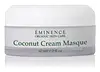
This wash off mask is made with Aloe Barbadensis Leaf Juice and Cocos Nucifera Oil for a rinse-off hydration boost.
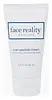
This anti-aging moisturizer is formulated around Palmitoyl Tripeptide-38 to soften the look of wrinkles and refine skin texture.


What's inside
What's inside
 Key Ingredients
Benefits
Concerns
Ingredients Side-by-side
Aloe Barbadensis Leaf Juice
Skin Conditioning


Terminalia Ferdinandiana Fruit Extract
Antioxidant
Prunus Cerasus Juice
Skin ConditioningMyrciaria Dubia Fruit Juice
Antioxidant
Citrus Limon Juice
Skin Conditioning
Pyrus Malus Juice
Skin ConditioningCalendula Officinalis Flower Extract
Masking
Daucus Carota Sativa Extract
Perfuming
Trifolium Pratense Flower Extract
AstringentCocos Nucifera Oil
Masking






Milk
Skin Conditioning
Vitis Vinifera Seed Extract
Antimicrobial
Dioscorea Villosa Root Extract
Skin Conditioning
Rosmarinus Officinalis Leaf Extract
AntimicrobialCyamopsis Tetragonoloba Gum
Emulsion StabilisingZea Mays Silk Extract
Skin ConditioningGlycine Soja Germ Extract
EmollientCitric Acid
Buffering

Maltodextrin
Absorbent
Cetearyl Alcohol
Emollient
Zea Mays Germ Oil
Emollient
Butyrospermum Parkii Butter
Skin Conditioning
Glycerin
Humectant
Cera Alba
Emollient
Glyceryl Stearate
Emollient
Vitis Vinifera Seed Oil
Emollient
Cellulose
Absorbent
Methyl Glucose Sesquistearate
Emollient
Benzyl Alcohol
Perfuming



Salicylic Acid
Masking




Sorbic Acid
Preservative
Sodium Cetearyl Sulfate
Cleansing
Sodium Benzoate
Masking
Potassium Sorbate
Preservative
Xanthan Gum
EmulsifyingLactic Acid
Buffering

Ascorbyl Palmitate
Antioxidant
Tocopheryl Acetate
Antioxidant
Lecithin
Emollient
Euterpe Oleracea Fruit Extract
Citrus Limon Peel
MaskingMalpighia Glabra Fruit Extract
Skin ConditioningEmblica Officinalis Fruit
Skin ConditioningAdansonia Digitata Seed Oil
Emollient
Myrciaria Dubia Fruit Extract
Skin ConditioningDaucus Carota Sativa Root Extract
Skin Conditioning
Cocos Nucifera Water
Masking
Lycium Barbarum Fruit Extract
Astringent
Tapioca Starch
Thioctic Acid
Antioxidant
Ubiquinone
Antioxidant
Aloe Barbadensis Leaf Juice, Terminalia Ferdinandiana Fruit Extract, Prunus Cerasus Juice, Myrciaria Dubia Fruit Juice, Citrus Limon Juice, Pyrus Malus Juice, Calendula Officinalis Flower Extract, Daucus Carota Sativa Extract, Trifolium Pratense Flower Extract, Cocos Nucifera Oil, Milk, Vitis Vinifera Seed Extract, Dioscorea Villosa Root Extract, Rosmarinus Officinalis Leaf Extract, Cyamopsis Tetragonoloba Gum, Zea Mays Silk Extract, Glycine Soja Germ Extract, Citric Acid, Maltodextrin, Cetearyl Alcohol, Zea Mays Germ Oil, Butyrospermum Parkii Butter, Glycerin, Cera Alba, Glyceryl Stearate, Vitis Vinifera Seed Oil, Cellulose, Methyl Glucose Sesquistearate, Benzyl Alcohol, Salicylic Acid, Sorbic Acid, Sodium Cetearyl Sulfate, Sodium Benzoate, Potassium Sorbate, Xanthan Gum, Lactic Acid, Ascorbyl Palmitate, Tocopheryl Acetate, Lecithin, Euterpe Oleracea Fruit Extract, Citrus Limon Peel, Malpighia Glabra Fruit Extract, Emblica Officinalis Fruit, Adansonia Digitata Seed Oil, Myrciaria Dubia Fruit Extract, Daucus Carota Sativa Root Extract, Cocos Nucifera Water, Lycium Barbarum Fruit Extract, Tapioca Starch, Thioctic Acid, Ubiquinone
Water
Skin ConditioningCaprylic/Capric Triglyceride
Masking
Coco-Caprylate/Caprate
Emollient
Cetyl Alcohol
Emollient
Glycerin
Humectant
Stearyl Alcohol
Emollient
Cetearyl Olivate
Alcohol Denat.
Antimicrobial
Sorbitan Olivate
Emulsifying
Phenoxyethanol
Preservative
Xanthan Gum
EmulsifyingCaprylyl Glycol
Emollient
Tocopheryl Acetate
Antioxidant
Aloe Barbadensis Leaf Juice Powder
Skin Conditioning
Totarol
Antioxidant
Ethylhexylglycerin
Skin ConditioningEclipta Prostrata Extract
Skin Conditioning
Melia Azadirachta Leaf Extract
Skin ConditioningMethylglucoside Phosphate
Skin ConditioningCopper Lysinate/Prolinate
Skin ConditioningHydroxypropyl Cyclodextrin
MaskingMoringa Oleifera Seed Extract
Skin Conditioning
Vaccinium Macrocarpon Fruit Extract
AstringentPalmitoyl Tripeptide-38
Skin Conditioning
Maltodextrin
Absorbent
Syringa Vulgaris Leaf Cell Culture Extract
Skin ConditioningHamamelis Virginiana Extract
Antiseborrhoeic
Butylene Glycol
Humectant
Water, Caprylic/Capric Triglyceride, Coco-Caprylate/Caprate, Cetyl Alcohol, Glycerin, Stearyl Alcohol, Cetearyl Olivate, Alcohol Denat., Sorbitan Olivate, Phenoxyethanol, Xanthan Gum, Caprylyl Glycol, Tocopheryl Acetate, Aloe Barbadensis Leaf Juice Powder, Totarol, Ethylhexylglycerin, Eclipta Prostrata Extract, Melia Azadirachta Leaf Extract, Methylglucoside Phosphate, Copper Lysinate/Prolinate, Hydroxypropyl Cyclodextrin, Moringa Oleifera Seed Extract, Vaccinium Macrocarpon Fruit Extract, Palmitoyl Tripeptide-38, Maltodextrin, Syringa Vulgaris Leaf Cell Culture Extract, Hamamelis Virginiana Extract, Butylene Glycol
Reviews
Alternatives
Ingredients Explained
These ingredients are found in both products.
Ingredients higher up in an ingredient list are typically present in a larger amount.
Glycerin (or glycerol) is a compound naturally found in your skin. It's a powerhouse humectant that pulls water into the stratum corneum.
Topically, glycerin does several things at once:
Your skin makes glycerin on its own (mostly from sebaceous oil breakdown) and shuttles it to your outermost layer of skin, or your epidermis, via aquaporin-3.
Aquaporin-3 is a transporter that is essential for normal skin hydration, elasticity, and repair. Interestingly, mice lacking in AQP3 have dry and less elastic skin that can be fully corrected with glycerin.
This ingredient is non-irritating, plays well with almost every ingredient, and works across all skin types. Typical use is anywhere between 3-10% but can go up to 79% in some leave-on products.
Just know very high concentrations (>40%) can feel tacky in low humidity.
Glycerin is the name for this ingredient in American English. British English uses Glycerol/Glycerine.
Learn more about GlycerinMaltodextrin is a plant-derived carbohydrate made by breaking down starch (usually from corn, potato, or rice). In cosmetic formulas, it's a multitasking absorbent, emulsion stabilizer, and skin conditioner.
This ingredient is mostly used to stabilize emulsions and improve the powdery, non-greasy feel of products (like dry shampoos).
Safety-wise, this ingredient is pretty solid; it's even recognized as a food additive. Both animal and clinical studies found no adverse effects at the levels used in cosmetics.
Industry data shows this ingredient is used up to 45.7% in spray products and up to 33% in powder products.
Learn more about MaltodextrinTocopheryl Acetate is a stable, shelf-friendly form of vitamin E.
Formulators love it because plain vitamin E oxidizes quickly once it hits air. This acetate version stays stable and resists going off, helping to extend a product's shelf life.
It's actually inactive on its own and works like a slow-release "storage" form; the enzymes in your skin called esterases gradually convert it into active vitamin E over time.
One in vivo study showed 5% of the acetate in the living layer of the epidermis converted to vitamin E after 5 days of application. This study also found the skin gained protection against UV damage even though the conversion was slow and small.
Once converted, vitamin E acts as a skin's main fat-soluble antioxidant that fights free radicals to protect skin from damage.
Topical vitamin E generally boosts the skin's photoprotection, and it reduced UV-damage in animal models.
This ingredient has some brightening potential but it's more of a prevention ingredient than spot-fader. Cell studies show it can slow down melanin production but it's worth noting that it's not the most powerful brightener out there.
Overall, it has a pretty solid safety profile and has been found to be non-irritating and non-comedogenic. Allergic reactions may happen but stay rare due to how widely the ingredient gets used.
The concentration will vary depending on the formula; industry data shows 0.1% in baby lotions, 3% in lipsticks, and 5% in foot powders. You can also find this ingredient at 100% in a pure vitamin E oil.
Most leave-on skincare keeps it at the lower end, often between 0.5-1%.
Learn more about Tocopheryl AcetateXanthan gum is used as a stabilizer and thickener within cosmetic products. It helps give products a sticky, thick feeling - preventing them from being too runny.
On the technical side of things, xanthan gum is a polysaccharide - a combination consisting of multiple sugar molecules bonded together.
Xanthan gum is a pretty common and great ingredient. It is a natural, non-toxic, non-irritating ingredient that is also commonly used in food products.
Learn more about Xanthan Gum

