
What's inside
What's inside
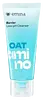 Key Ingredients
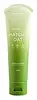
Benefits
Concerns
Ingredients Side-by-side
Water
Skin ConditioningCocamidopropyl Betaine
Cleansing


Glycerin
Humectant


Sodium C14-16 Olefin Sulfonate
Cleansing
PEG-8
HumectantSodium Methyl Cocoyl Taurate
Cleansing
Trehalose
Humectant
Propylene Glycol
Humectant
Sodium Benzoate
Masking
Sodium Chloride
MaskingAcrylates/C10-30 Alkyl Acrylate Crosspolymer
Emulsion StabilisingAllantoin
Skin Conditioning

Sodium Lauroyl Oat Amino Acids
CleansingDisodium EDTA
PEG-120 Methyl Glucose Dioleate
Emulsifying
Pentylene Glycol
Skin Conditioning
Beta-Glucan
Skin Conditioning
Citric Acid
Buffering

Caprylyl Glycol
Emollient
Tetrasodium EDTA
Phenoxyethanol
Preservative
Xylitylglucoside
Humectant
Anhydroxylitol
Humectant
Ethylhexylglycerin
Skin ConditioningCaprylic/Capric Triglyceride
Masking
Xylitol
Humectant
Deoxyphytantriyl Palmitamide Mea
Skin ConditioningGlucose
Humectant
Hydrogenated Lecithin
Emulsifying
Ceramide NP
Skin Conditioning
Cholesterol
Emollient
Water, Cocamidopropyl Betaine, Glycerin, Sodium C14-16 Olefin Sulfonate, PEG-8, Sodium Methyl Cocoyl Taurate, Trehalose, Propylene Glycol, Sodium Benzoate, Sodium Chloride, Acrylates/C10-30 Alkyl Acrylate Crosspolymer, Allantoin, Sodium Lauroyl Oat Amino Acids, Disodium EDTA, PEG-120 Methyl Glucose Dioleate, Pentylene Glycol, Beta-Glucan, Citric Acid, Caprylyl Glycol, Tetrasodium EDTA, Phenoxyethanol, Xylitylglucoside, Anhydroxylitol, Ethylhexylglycerin, Caprylic/Capric Triglyceride, Xylitol, Deoxyphytantriyl Palmitamide Mea, Glucose, Hydrogenated Lecithin, Ceramide NP, Cholesterol
Water
Skin ConditioningPotassium Cocoyl Hydrolyzed Collagen
Skin Conditioning
Glycerin
Humectant
Acrylates Copolymer
Cocamidopropyl Betaine
Cleansing
Potassium Cocoyl Glycinate
Surfactant
Butylene Glycol
Humectant
Decyl Glucoside
Cleansing
PEG-120 Methyl Glucose Dioleate
Emulsifying
Pentylene Glycol
Skin Conditioning
Xanthan Gum
EmulsifyingAvena Sativa Kernel Extract
Abrasive

Panthenol
Skin Conditioning
Glycyrrhiza Glabra Leaf Extract
Skin ConditioningTriethanolamine
BufferingClitoria Ternatea Flower Extract
Skin Conditioning1,2-Hexanediol
Skin Conditioning
Houttuynia Cordata Extract
Skin Conditioning
Sodium Hyaluronate
Humectant
Ethylhexylglycerin
Skin ConditioningCinnamomum Zeylanicum Bark Extract
Antimicrobial
Capryloyl Glycine
CleansingSarcosine
Skin Conditioning
Citrus Junos Seed Extract
Antioxidant
Citrus Unshiu Peel Extract
Masking
Actinidia Chinensis Seed
Abrasive
Salicylic Acid 0.01%
Masking




Fragaria Chiloensis Fruit Extract
Skin Conditioning
Vitis Vinifera Seed Extract
Antimicrobial
Vitis Vinifera Skin Extract
Antioxidant
Vitis Vinifera Leaf Extract
Skin ConditioningGarcinia Mangostana Peel Extract
Skin ConditioningPropanediol
Solvent
Sodium Hydroxide
BufferingDipotassium Glycyrrhizate
Humectant
Chlorphenesin
Antimicrobial
Allantoin
Skin Conditioning
Disodium EDTA
Camellia Sinensis Leaf
Perfuming
Water, Potassium Cocoyl Hydrolyzed Collagen, Glycerin, Acrylates Copolymer, Cocamidopropyl Betaine, Potassium Cocoyl Glycinate, Butylene Glycol, Decyl Glucoside, PEG-120 Methyl Glucose Dioleate, Pentylene Glycol, Xanthan Gum, Avena Sativa Kernel Extract, Panthenol, Glycyrrhiza Glabra Leaf Extract, Triethanolamine, Clitoria Ternatea Flower Extract, 1,2-Hexanediol, Houttuynia Cordata Extract, Sodium Hyaluronate, Ethylhexylglycerin, Cinnamomum Zeylanicum Bark Extract, Capryloyl Glycine, Sarcosine, Citrus Junos Seed Extract, Citrus Unshiu Peel Extract, Actinidia Chinensis Seed, Salicylic Acid 0.01%, Fragaria Chiloensis Fruit Extract, Vitis Vinifera Seed Extract, Vitis Vinifera Skin Extract, Vitis Vinifera Leaf Extract, Garcinia Mangostana Peel Extract, Propanediol, Sodium Hydroxide, Dipotassium Glycyrrhizate, Chlorphenesin, Allantoin, Disodium EDTA, Camellia Sinensis Leaf
Ingredients Explained
These ingredients are found in both products.
Ingredients higher up in an ingredient list are typically present in a larger amount.
Allantoin is a soothing ingredient known for its protective and moisturizing properties; it's basically a quiet workhorse ingredient you can find in a huge range of cosmetics.
Though it can be derived from the comfrey plant, allantoin is produced synthetically for cosmetic products to ensure purity.
Research shows it can encourage your skin cells to turn over and renew by stimulating keratinocyte and fibroblast proliferation.
It also has mild keratolytic properties to help loosen and shed dead skin cells without being harsh.
Studies also suggest allantoin can help calm inflammation by dialing down some of the chemical signals your skin sends out when it is irritated.
This ingredient is typically used in the 0.1-0.5% range, and the FDA recognizes it as a skin protectant in OTC products up to 2%.
Overall, allantoin is a wonderful addition to most routines; it is stable across a wide pH range (~4-8), works well with other ingredients, and is considered non-sensitizing/non-irritating.
Fun fact: Allantoin is naturally occurring in comfrey root, beets, chamomile, and wheat sprouts. Our bodies even produce it as a byproduct of uric acid metabolism.
Learn more about AllantoinCocamidopropyl Betaine is a fatty acid created by mixing similar compounds in coconut oil and dimethylaminopropylamine, a compound with two amino groups.
This ingredient is a surfactant and cleanser. It helps gather the dirt, pollutants, and other impurities in your skin to be washed away. It also helps thicken a product and make the texture more creamy.
Being created from coconut oil means Cocamidopropyl Betaine is hydrating for the skin.
While Cocamidopropyl Betaine was believed to be an allergen, a study from 2012 disproved this. It found two compounds in unpure Cocamidopropyl Betaine to be the irritants: aminoamide and 3-dimethylaminopropylamine. High-grade and pure Cocamidopropyl Betaine did not induce allergic reactions during this study.
Learn more about Cocamidopropyl BetaineDisodium EDTA is a chelating agent. It grabs onto and deactivates metal ions that sneak into your products from water, packaging, or air.
This ingredient mainly works behind the scenes and helps with:
On top of that, this ingredient can counteract the effects of hard water by binding to the minerals in it.
One thing worth knowing is that Disodium EDTA has been shown to be a mild penetration enhancer. It can help other ingredients absorb into skin more effectively which can be a double-edged sword (great for actives, but can also make the active too strong if you have sensitive skin).
Clinical patch testing showed no significant skin irritation at typical use concentrations and minimal dermal absorption.
You'll most likely see this ingredient near the end of an ingredient list. It's typically found in concentrations less than 1%.
Learn more about Disodium EDTAEthylhexylglycerin is created from glycerin. It is a multitasker ingredient that:
The CIR Expert Panel found minimal skin absorption or sensitization of any kind in a safety assessment. Though this ingredient is considered well-tolerated, a small number of cases of allergic dermatitis have been published since 2002. Just be sure to patch test if you are unsure.
Industry-reported use ranges from 8% in rinse-off products and 2% in leave-on formulations.
Learn more about EthylhexylglycerinGlycerin (or glycerol) is a compound naturally found in your skin. It's a powerhouse humectant that pulls water into the stratum corneum.
Topically, glycerin does several things at once:
Your skin makes glycerin on its own (mostly from sebaceous oil breakdown) and shuttles it to your outermost layer of skin, or your epidermis, via aquaporin-3.
Aquaporin-3 is a transporter that is essential for normal skin hydration, elasticity, and repair. Interestingly, mice lacking in AQP3 have dry and less elastic skin that can be fully corrected with glycerin.
This ingredient is non-irritating, plays well with almost every ingredient, and works across all skin types. Typical use is anywhere between 3-10% but can go up to 79% in some leave-on products.
Just know very high concentrations (>40%) can feel tacky in low humidity.
Glycerin is the name for this ingredient in American English. British English uses Glycerol/Glycerine.
Learn more about GlycerinPeg-120 Methyl Glucose Dioleate is used to improve texture and stability of a product. It is sugar based and helps thicken a product.
Once applied, it also creates a thin film to trap moisture in. This helps keep your skin hydrated.
This ingredient is the polyethylene glycol ether of the diester of oleic acid and methylglucose. The 120 represents an average of 120 moles of ethylene oxide.
There is limited research on this ingredient, although it is considered safe to use in skincare products.
Learn more about PEG-120 Methyl Glucose DioleatePentylene glycol is typically used within a product to thicken it. It also adds a smooth, soft, and moisturizing feel to the product. It is naturally found in plants such as sugar beets.
The hydrophilic trait of Pentylene Glycol makes it a humectant. As a humectant, Pentylene Glycol helps draw moisture from the air to your skin. This can help keep your skin hydrated.
This property also makes Pentylene Glycol a great texture enhancer. It can also help thicken or stabilize a product.
Pentylene Glycol also acts as a mild preservative and helps to keep a product microbe-free.
Some people may experience mild eye and skin irritation from Pentylene Glycol. We always recommend speaking with a professional about using this ingredient in your routine.
Pentylene Glycol has a low molecular weight and is part of the 1,2-glycol family.
Learn more about Pentylene GlycolWater. It's the most common cosmetic ingredient of all. You'll usually see it at the top of ingredient lists, meaning that it makes up the largest part of the product.
So why is it so popular? Water most often acts as a solvent - this means that it helps dissolve other ingredients into the formulation.
You'll also recognize water as that liquid we all need to stay alive. If you see this, drink a glass of water. Remember to stay hydrated!
Learn more about Water
