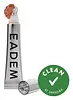
This smoothing lip moisturizer is formulated around Lactic Acid and Palmitoyl Tripeptide-1 to refine skin texture.
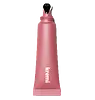
This barrier-repair lip moisturizer is formulated around Butyrospermum Parkii Butter and Ceramide NP to strengthen the lip barrier and hydrate lips.

What's inside
What's inside
 Key Ingredients
Benefits
Concerns
Ingredients Side-by-side
Hydrogenated Polyisobutene
EmollientDiisostearyl Malate
EmollientTridecyl Trimellitate
EmollientPhytosteryl/Isostearyl/Cetyl/Stearyl/Behenyl Dimer Dilinoleate
Skin Conditioning

Bis-Diglyceryl Polyacyladipate-2
Emollient
Methyl Hydrogenated Rosinate
Perfuming

Polyphenylsilsesquioxane

Pentaerythrityl Tetraisostearate
Emollient
Ethylene/Propylene/Styrene Copolymer
Synthetic Wax
Abrasive

Silica Silylate
Emollient
Vp/Hexadecene Copolymer
Hibiscus Sabdariffa Flower Extract
Skin ConditioningButyrospermum Parkii Butter
Skin Conditioning


Euterpe Oleracea Fruit Oil
Skin Conditioning
Schinziophyton Rautanenii Kernel Oil
Emollient
Tocopherol
Antioxidant





Microcrystalline Wax
Emulsion StabilisingMoringa Oil/Hydrogenated Moringa Oil Esters
Skin Conditioning
Isostearyl Alcohol
Emollient
Water
Skin ConditioningEthylhexyl Palmitate
Emollient
Octyldodecanol
Emollient
Aroma
Caprylic/Capric Triglyceride
Masking
Tribehenin
Emollient
Sorbitan Isostearate
Emulsifying
Propylene Carbonate
SolventStearalkonium Hectorite
Gel FormingLactic Acid
Buffering




Palmitoyl Hexapeptide-12
Skin Conditioning
Palmitoyl Tripeptide-1
Skin Conditioning
Butylene/Ethylene/Styrene Copolymer
Pentaerythrityl Tetra-Di-T-Butyl Hydroxyhydrocinnamate
Antioxidant
Linalool
Perfuming
Iron Oxides
CI 77891
Cosmetic ColorantCI 15850
Cosmetic ColorantCI 19140
Cosmetic ColorantHydrogenated Polyisobutene, Diisostearyl Malate, Tridecyl Trimellitate, Phytosteryl/Isostearyl/Cetyl/Stearyl/Behenyl Dimer Dilinoleate, Bis-Diglyceryl Polyacyladipate-2, Methyl Hydrogenated Rosinate, Polyphenylsilsesquioxane, Pentaerythrityl Tetraisostearate, Ethylene/Propylene/Styrene Copolymer, Synthetic Wax, Silica Silylate, Vp/Hexadecene Copolymer, Hibiscus Sabdariffa Flower Extract, Butyrospermum Parkii Butter, Euterpe Oleracea Fruit Oil, Schinziophyton Rautanenii Kernel Oil, Tocopherol, Microcrystalline Wax, Moringa Oil/Hydrogenated Moringa Oil Esters, Isostearyl Alcohol, Water, Ethylhexyl Palmitate, Octyldodecanol, Aroma, Caprylic/Capric Triglyceride, Tribehenin, Sorbitan Isostearate, Propylene Carbonate, Stearalkonium Hectorite, Lactic Acid, Palmitoyl Hexapeptide-12, Palmitoyl Tripeptide-1, Butylene/Ethylene/Styrene Copolymer, Pentaerythrityl Tetra-Di-T-Butyl Hydroxyhydrocinnamate, Linalool, Iron Oxides, CI 77891, CI 15850, CI 19140
Polyisobutene
Caprylic/Capric Triglyceride
Masking
Hydrogenated Polydecene
EmollientPolyglyceryl-2 Diisostearate/Ipdi Copolymer
Emulsion StabilisingMicrocrystalline Wax
Emulsion StabilisingHelianthus Annuus Seed Oil
Emollient
Ethylene/Propylene Copolymer
Abrasive
Butyrospermum Parkii Butter
Skin Conditioning
Astrocaryum Murumuru Seed Butter
Emollient
Tocopheryl Acetate
Antioxidant
Simmondsia Chinensis Seed Oil
Emollient
Aroma
Isostearyl Alcohol
Emollient
Ceramide NP
Skin Conditioning

Hibiscus Sabdariffa Flower Powder
Abrasive
Curcuma Longa Root Extract
Antioxidant
Acacia Senegal Gum
MaskingMaltodextrin
Absorbent
Palmitoyl Tripeptide-1
Skin Conditioning
Polyisobutene, Caprylic/Capric Triglyceride, Hydrogenated Polydecene, Polyglyceryl-2 Diisostearate/Ipdi Copolymer, Microcrystalline Wax, Helianthus Annuus Seed Oil, Ethylene/Propylene Copolymer, Butyrospermum Parkii Butter, Astrocaryum Murumuru Seed Butter, Tocopheryl Acetate, Simmondsia Chinensis Seed Oil, Aroma, Isostearyl Alcohol, Ceramide NP, Hibiscus Sabdariffa Flower Powder, Curcuma Longa Root Extract, Acacia Senegal Gum, Maltodextrin, Palmitoyl Tripeptide-1
Reviews
Ingredients Explained
These ingredients are found in both products.
Ingredients higher up in an ingredient list are typically present in a larger amount.
Aroma refers to an ingredient, or mixture of ingredients, that impart or mask a flavor.
The name is slightly confusing. This is because INCI associates aroma with flavor instead of smell.
Here is the official definition from the The International Cosmetic Ingredient Dictionary and Handbook:
“Aroma is a term for ingredient labeling used to identify that a product contains a material or combination of materials normally added to a cosmetic to produce or to mask a particular flavor.”
INCI shows the only purpose of aroma to be "flavouring".
However, due to regulation differences, some companies may use aroma in place of parfum.
In Canada, this ingredient only has to be listed in concentrations above 1%.
Learn more about AromaThis ingredient is also known as shea butter. It is a plant-derived extract from the nuts of the Africa shea tree and one of the most well-studied emollients.
Because it has a high concentration of fatty acids (primarily oleic, stearic, and linoleic) it is able to form a protective barrier on the skin's surface. This helps seal in moisture and prevents transepidermal water loss (TEWL).
In vitro research found an increase in skin hydration by 58% and a decrease in TEWL by 37.8% after 24 hours of applying this ingredient (pretty impressive for a single ingredient!).
Besides hydration, shea butter also contains triterpenes that have anti-inflammatory potential. In particule, lupeol cinnamate has shown the highest anti-inflammatory activity in vivo.
Shea butter also contains vitamins A and E which may contribute to antioxidant activity.
While Shea Butter has an SPF rating of about 3-4, it is not a sunscreen replacement.
This ingredient may not be fungal acne safe because its fatty acids fall within the C11-C24 range that the Malassezia yeast can metabolize.
This ingredient shows up on a lot of "pore-clogging" lists but there's no real evidence behind that. It doesn't even have a comedogenic rating from an actual study; the numbers you'll find online come from blogs citing other blogs.
Ratings for other ingredients mostly come from a 1980s rabbit ear test. This test doesn't translate well to human skin or to real products because the ingredient sits at a much lower percentage.
Some people still find it breaks them out. So if that's you, definitely trust your skin. Just know this one's based on experience and not evidence.
Learn more about Butyrospermum Parkii ButterCaprylic/Capric Triglyceride (aka MCT Oil) is a lightweight emollient, solvent, and texture enhancer. It is considered a skin-softener by helping to prevent moisture loss.
Though it behaves like an oil, it is not technically one due to its chemical composition. One perk of this ingredient is that it is very stable, resistant to oxidation, and unlikely to go rancid.
In practice, that translates to a long shelf life and a consistently elegant skin feel.
While there is an assumption Caprylic Triglyceride can clog pores due to it being derived from coconut oil, there is no research supporting this. Just patch test if you have concerns.
Fractionated coconut oil and MCT Oil are both listed as Caprylic/Capric Triglyceride according to INCI. This is because INCI names are based on the ingredient’s final chemical composition and not its marketing name or source.
This ingredient is treated as the gold standard fungal acne safe oil. Even though it is coconut derived, the problematic lauric acid is stripped out.
This leaves just caprylic (C8) and capric (C10) acid. These chain lengths actually trend antifungal; a 2020 study found caprylic acid was enough to disrupt Malassezia furfur cell membrane, with a caprylic acid derivative damaging membrane structures at concentrations as low as 0.2%.
Learn more about Caprylic/Capric TriglycerideIsostearyl Alcohol is a type of fatty alcohol. It's made by hydrogenating isostearic acid from plant oils (usually coconut or soybean)
Though it has "alcohol" in the name, it is not the same as solvent alcohols like alcohol denatured.
It has three roles in skincare:
Clinical patch testing found 25% of Isostearyl Alcohol in petrolatum showed only mild irritation in a small minority (your product will not have nearly as high of an amount).
This ingredient may not be fungal acne safe because it sits in the C11-C24 range that feeds the Malassezia yeast.
One last thing, the FDA allows "alcohol-free" products to contain fatty alcohols.
Learn more about Isostearyl AlcoholMicrocrystalline Wax is derived from petroleum through a de-oiling process, then highly refined and purified before use in cosmetics.
In skincare formulations, it is used to improve texture and create a smooth, even consistency. It also helps stabilize products by preventing ingredients from separating.
Palmitoyl Tripeptide-1 (aka Pal-GHK) is a synthetic signal peptide made of three amino acids attached to palmitic acid.
That fatty acid attachment is the key: it boosts the peptide's ability to penetrate the skin barrier. This puts it closer to the dermal cells where it can actually make a difference.
Once there, it acts as a matrikine, a signaling peptide that prompts fibroblasts to produce more collagen, fibronectin, and hyaluronic acid.
In vitro studies show it can boost collagen production in skin cells even when UV-damaged skin samples were treated with it at a tiny concentration (it almost fully restored dermal collagen at 5ppm). It achieved this at 100x lower concentration than retinoic acid, which needed 500 ppm to do the same thing.
Human clinical data is promising, but modest:
A study of 23 female volunteers found a small but statistically significant increase (~4%) in skin thickness after treatment at 4 ppm.
A separate small trial of 15 women showed statistically significant reductions in wrinkle length, depth, and skin roughness after applying it twice daily for four weeks.
You'll likely see Pal-GHK paired with Palmitoyl Tetrapeptide-7 as part of the Matrixyl 3000 complex.
Fungal acne note:
Usually a palmitic acid component can feed Malassezia in unbound form, but here is is covalently bonded to the peptide. This means it is very difficult for Malassezia to access, and therefore very unlikely to cause fungal acne.


