e.l.f. cosmetics Bounce Back Jelly Cleanser Versus Artistry Beauty Skin Nutrition Balancing Jelly Cleanser
This mild gel cleanser is made to cleanse without leaving your skin tight or dry.
This mild gel cleanser is mild enough to cleanse without leaving skin feeling tight or stripped.

What's inside
What's inside
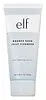 Key Ingredients
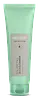
Benefits
Concerns
Ingredients Side-by-side
Water
Skin ConditioningPEG-7 Glyceryl Cocoate
Emulsifying




Dipropylene Glycol
HumectantPoloxamer 184
EmulsifyingSodium Acrylate/Sodium Acryloyldimethyl Taurate Copolymer
Emulsion StabilisingBetaine
Humectant


Isohexadecane
EmollientXylitylglucoside
Humectant
Cocos Nucifera Fruit Juice
Emollient
Acer Saccharum Extract
Skin ConditioningAloe Barbadensis Leaf Extract
Emollient
Cucumis Sativus Fruit Extract
Emollient
Panthenol
Skin Conditioning
Hydroxyacetophenone
Antioxidant
Isopropyl Myristate
Emollient


Ceramide AP
Skin Conditioning

1,2-Hexanediol
Skin Conditioning
Anhydroxylitol
Humectant
Polysorbate 80
Emulsifying
Allantoin
Skin Conditioning
Xylitol
Humectant
Parfum
Masking

Water, PEG-7 Glyceryl Cocoate, Dipropylene Glycol, Poloxamer 184, Sodium Acrylate/Sodium Acryloyldimethyl Taurate Copolymer, Betaine, Isohexadecane, Xylitylglucoside, Cocos Nucifera Fruit Juice, Acer Saccharum Extract, Aloe Barbadensis Leaf Extract, Cucumis Sativus Fruit Extract, Panthenol, Hydroxyacetophenone, Isopropyl Myristate, Ceramide AP, 1,2-Hexanediol, Anhydroxylitol, Polysorbate 80, Allantoin, Xylitol, Parfum
Water
Skin ConditioningCocamidopropyl Betaine
Cleansing
Disodium Cocoyl Glutamate
Cleansing
Glycerin
Humectant
Acrylates Copolymer
PEG-120 Methyl Glucose Dioleate
Emulsifying
Sodium Cocoyl Glycinate
Cleansing
Phenoxyethanol
Preservative
Zinc Chloride
AntimicrobialCitric Acid
Buffering

Menthyl Lactate
Masking
Parfum
Masking
Benzoic Acid
Masking
Disodium EDTA
ChelatingSalix Alba Bark Extract
Astringent

Zinc PCA
Humectant


Dehydroacetic Acid
Preservative
Ethylhexylglycerin
Skin ConditioningPolyquaternium-7
Dextrin
AbsorbentButylene Glycol
Humectant
Lecithin
Emollient
Tocopherol
Antioxidant
Sodium Benzoate
Masking
Salvia Hispanica Seed Oil
Emollient
Chlorphenesin
Antimicrobial
Propylene Glycol
Humectant
Ceramide NP
Skin Conditioning
Beta-Sitosterol
Emulsion Stabilising
Perilla Ocymoides Leaf Extract
TonicAloe Barbadensis Leaf Juice
Skin Conditioning
Oenothera Biennis Oil
Emollient
Perilla Ocymoides Seed Oil
Skin Conditioning
Maltodextrin
Absorbent
Helianthus Annuus Seed Oil
Emollient
Glycine Soja Oil
Emollient
Potassium Sorbate
Preservative
BHT
Antioxidant
Hexyl Cinnamal
Perfuming
Limonene
Perfuming
Water, Cocamidopropyl Betaine, Disodium Cocoyl Glutamate, Glycerin, Acrylates Copolymer, PEG-120 Methyl Glucose Dioleate, Sodium Cocoyl Glycinate, Phenoxyethanol, Zinc Chloride, Citric Acid, Menthyl Lactate, Parfum, Benzoic Acid, Disodium EDTA, Salix Alba Bark Extract, Zinc PCA, Dehydroacetic Acid, Ethylhexylglycerin, Polyquaternium-7, Dextrin, Butylene Glycol, Lecithin, Tocopherol, Sodium Benzoate, Salvia Hispanica Seed Oil, Chlorphenesin, Propylene Glycol, Ceramide NP, Beta-Sitosterol, Perilla Ocymoides Leaf Extract, Aloe Barbadensis Leaf Juice, Oenothera Biennis Oil, Perilla Ocymoides Seed Oil, Maltodextrin, Helianthus Annuus Seed Oil, Glycine Soja Oil, Potassium Sorbate, BHT, Hexyl Cinnamal, Limonene
Ingredients Explained
These ingredients are found in both products.
Ingredients higher up in an ingredient list are typically present in a larger amount.
Parfum is a catch-all term for an ingredient or more that is used to give a scent to products.
Also called "fragrance", this ingredient can be a blend of hundreds of chemicals or plant oils. This means every product with "fragrance" or "parfum" in the ingredients list is a different mixture.
For instance, Habanolide is a proprietary trade name for a specific aroma chemical. When used as a fragrance ingredient in cosmetics, most aroma chemicals fall under the broad labeling category of “FRAGRANCE” or “PARFUM” according to EU and US regulations.
The term 'parfum' or 'fragrance' is not regulated in many countries. In many cases, it is up to the brand to define this term.
For instance, many brands choose to label themselves as "fragrance-free" because they are not using synthetic fragrances. However, their products may still contain ingredients such as essential oils that are considered a fragrance by INCI standards.
One example is Calendula flower extract. Calendula is an essential oil that still imparts a scent or 'fragrance'.
Depending on the blend, the ingredients in the mixture can cause allergies and sensitivities on the skin. Some ingredients that are known EU allergens include linalool and citronellol.
Parfum can also be used to mask or cover an unpleasant scent.
The bottom line is: not all fragrances/parfum/ingredients are created equally. If you are worried about fragrances, we recommend taking a closer look at an ingredient. And of course, we always recommend speaking with a professional.
Learn more about ParfumWater. It's the most common cosmetic ingredient of all. You'll usually see it at the top of ingredient lists, meaning that it makes up the largest part of the product.
So why is it so popular? Water most often acts as a solvent - this means that it helps dissolve other ingredients into the formulation.
You'll also recognize water as that liquid we all need to stay alive. If you see this, drink a glass of water. Remember to stay hydrated!
Learn more about Water

