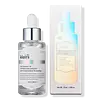
This brightening serum is formulated around Sodium Ascorbyl Phosphate and Squalane to brighten dull-looking skin and hydrate skin.
This brightening serum is formulated around Ascorbic Acid and Centella Asiatica Extract to brighten dull-looking skin and fade the look of dark spots.


What's inside
What's inside
 Key Ingredients
Benefits
Concerns
Ingredients Side-by-side
Water
Skin ConditioningPropanediol
Solvent

Sodium Ascorbyl Phosphate
Antioxidant







Glycerin
Humectant
Isodecyl Neopentanoate
EmollientSqualane
Emollient
Neopentyl Glycol Diheptanoate
EmollientC9-12 Alkane
SolventSodium Polyacryloyldimethyl Taurate
Emulsion StabilisingAscorbyl Glucoside
Antioxidant
Coco-Caprylate/Caprate
Emollient
Sclerocarya Birrea Seed Oil
Humectant




Pullulan
Sclerotium Gum
Emulsion StabilisingDiglucosyl Gallic Acid
Sorbitan Sesquiisostearate
Emulsifying
Glutathione

Sodium Hyaluronate
Humectant
Sorbeth-30 Tetraisostearate
Emulsifying
Dipropylene Glycol
HumectantPhloretin
Antioxidant
Sodium Citrate
BufferingSodium Metabisulfite
Antioxidant
PPG-8-Ceteth-20
EmulsifyingGluconolactone
Skin Conditioning


Acrylates/Beheneth-25 Methacrylate Copolymer
Citric Acid
Buffering
Tetrasodium Glutamate Diacetate
Silica
Abrasive
Lecithin
Emollient
Xanthan Gum
EmulsifyingTocopheryl Acetate
Antioxidant
Sodium Hydroxide
BufferingPhenoxyethanol
Preservative
Sodium Benzoate
Masking
Chondrus Crispus Extract
Skin Conditioning
Water, Propanediol, Sodium Ascorbyl Phosphate, Glycerin, Isodecyl Neopentanoate, Squalane, Neopentyl Glycol Diheptanoate, C9-12 Alkane, Sodium Polyacryloyldimethyl Taurate, Ascorbyl Glucoside, Coco-Caprylate/Caprate, Sclerocarya Birrea Seed Oil, Pullulan, Sclerotium Gum, Diglucosyl Gallic Acid, Sorbitan Sesquiisostearate, Glutathione, Sodium Hyaluronate, Sorbeth-30 Tetraisostearate, Dipropylene Glycol, Phloretin, Sodium Citrate, Sodium Metabisulfite, PPG-8-Ceteth-20, Gluconolactone, Acrylates/Beheneth-25 Methacrylate Copolymer, Citric Acid, Tetrasodium Glutamate Diacetate, Silica, Lecithin, Xanthan Gum, Tocopheryl Acetate, Sodium Hydroxide, Phenoxyethanol, Sodium Benzoate, Chondrus Crispus Extract
Water
Skin ConditioningPropylene Glycol
Humectant
Ascorbic Acid
Antioxidant
Hydroxyethylcellulose
Emulsion StabilisingCitrus Junos Fruit Extract
Skin ConditioningCentella Asiatica Extract
Cleansing
Polysorbate 60
Emulsifying
Illicium Verum Fruit Extract
Perfuming
Chaenomeles Sinensis Fruit Extract
Antioxidant
Paeonia Suffruticosa Root Extract
Skin ProtectingBrassica Oleracea Italica Extract
AstringentNelumbium Speciosum Flower Extract
Skin ConditioningCitrus Paradisi Fruit Extract
Skin ConditioningScutellaria Baicalensis Root Extract
Astringent
Butylene Glycol
Humectant
Glycerin
Humectant
Citrus Aurantium Dulcis Oil
Masking
1,2-Hexanediol
Skin Conditioning
Sodium Acrylate/Sodium Acryloyldimethyl Taurate Copolymer
Emulsion StabilisingIsohexadecane
EmollientDisodium EDTA
Lavandula Angustifolia Oil
Masking


Camellia Sinensis Callus Culture Extract
Perfuming
Polysorbate 80
Emulsifying
Disodium Phosphate
BufferingSorbitan Oleate
Emulsifying
Chrysanthellum Indicum Extract
Skin Conditioning
Asarum Sieboldii Root Extract
Skin ConditioningQuercus Mongolica Leaf Extract
Skin ConditioningPersicaria Hydropiper Extract
Skin ConditioningLarix Europaea Wood Extract
HumectantMagnolia Obovata Bark Extract
Skin ConditioningRheum Palmatum Root Extract
Astringent
Corydalis Turtschaninovii Root Extract
Skin ConditioningCoptis Chinensis Root Extract
Antioxidant
Sodium Phosphate
BufferingLysine Hcl
Skin Conditioning
Sodium Ascorbyl Phosphate
Antioxidant
Acetyl Methionine
Skin Conditioning
Theanine
EmollientProline
Skin Conditioning
Lecithin
Emollient
Acetyl Glutamine
Skin ConditioningBacillus/Folic Acid/Soybean Ferment Extract
Skin ConditioningSodium Hyaluronate
Humectant
Sh-Oligopeptide-1
Skin Conditioning
Sh-Oligopeptide-2
Skin Conditioning
Sh-Polypeptide-1
Skin Conditioning
Sh-Polypeptide-11
Sh-Polypeptide-9
Skin Conditioning
Caprylyl Glycol
Emollient
Limonene
Perfuming
Water, Propylene Glycol, Ascorbic Acid, Hydroxyethylcellulose, Citrus Junos Fruit Extract, Centella Asiatica Extract, Polysorbate 60, Illicium Verum Fruit Extract, Chaenomeles Sinensis Fruit Extract, Paeonia Suffruticosa Root Extract, Brassica Oleracea Italica Extract, Nelumbium Speciosum Flower Extract, Citrus Paradisi Fruit Extract, Scutellaria Baicalensis Root Extract, Butylene Glycol, Glycerin, Citrus Aurantium Dulcis Oil, 1,2-Hexanediol, Sodium Acrylate/Sodium Acryloyldimethyl Taurate Copolymer, Isohexadecane, Disodium EDTA, Lavandula Angustifolia Oil, Camellia Sinensis Callus Culture Extract, Polysorbate 80, Disodium Phosphate, Sorbitan Oleate, Chrysanthellum Indicum Extract, Asarum Sieboldii Root Extract, Quercus Mongolica Leaf Extract, Persicaria Hydropiper Extract, Larix Europaea Wood Extract, Magnolia Obovata Bark Extract, Rheum Palmatum Root Extract, Corydalis Turtschaninovii Root Extract, Coptis Chinensis Root Extract, Sodium Phosphate, Lysine Hcl, Sodium Ascorbyl Phosphate, Acetyl Methionine, Theanine, Proline, Lecithin, Acetyl Glutamine, Bacillus/Folic Acid/Soybean Ferment Extract, Sodium Hyaluronate, Sh-Oligopeptide-1, Sh-Oligopeptide-2, Sh-Polypeptide-1, Sh-Polypeptide-11, Sh-Polypeptide-9, Caprylyl Glycol, Limonene
Reviews
Ingredients Explained
These ingredients are found in both products.
Ingredients higher up in an ingredient list are typically present in a larger amount.
Glycerin (or glycerol) is a compound naturally found in your skin. It's a powerhouse humectant that pulls water into the stratum corneum.
Topically, glycerin does several things at once:
Your skin makes glycerin on its own (mostly from sebaceous oil breakdown) and shuttles it to your outermost layer of skin, or your epidermis, via aquaporin-3.
Aquaporin-3 is a transporter that is essential for normal skin hydration, elasticity, and repair. Interestingly, mice lacking in AQP3 have dry and less elastic skin that can be fully corrected with glycerin.
This ingredient is non-irritating, plays well with almost every ingredient, and works across all skin types. Typical use is anywhere between 3-10% but can go up to 79% in some leave-on products.
Just know very high concentrations (>40%) can feel tacky in low humidity.
Glycerin is the name for this ingredient in American English. British English uses Glycerol/Glycerine.
Learn more about GlycerinLecithin is a term for a group of substances found in the cell membranes of plants, animals, and humans. They are made up of phospholipids.
Thanks to its amphiphilic structure (water-loving head and oil-loving tail), it is a true multitasker:
It plays well with most ingredients and is typically used at 0.1-1%. However, concentrations up to 50% have been reported in moisturizers.
Learn more about LecithinSodium Ascorbyl Phosphate (SAP) is a water-soluble form of Vitamin C. It is the salt of ascorbic acid.
This ingredient is commonly used in skincare because it's more formulation-stable while still offering the same benefits as pure ascorbic acid. Ascorbic acid is notorious for breaking down when exposed to sunlight and oxygen whereas SAP has been shown to be more stable.
Studies show SAP has anti-acne and antioxidant benefits. One study found 5% of SAP lotion to be an effective ingredient for treating acne vulgaris. This is because research shows that SAP may help control acne by reducing acne-causing bacteria and slowing the oxidation of skin oils caused by UV exposure.
In addition to acne, vitamin C is important for skin structure. Lab studies suggest SAP may support collagen production in skin cells, making it a great ingredient in anti-aging routines.
Vitamin C has many benefits: it helps reduce redness, improve skin texture, fade the appearance of dark spots, and brighten the skin.
Read more about other types of Vitamin C:
Learn more about Sodium Ascorbyl PhosphateSodium Hyaluronate is the salt form of hyaluronic acid. It is a long sugar chain that is naturally found in your skin, joints, and connective tissue that maintains hydration and elasticity.
In skincare, it works as a humectant. It pulls water from the environment and deeper layers of skin and binds it to the surface.
Interestingly, the size of the molecule affects its behavior:
Some clinical evidence links low molecular weight versions to improved wrinkle depth, elasticity, anti-inflammatory effects, and barrier repair.
Many serums use a blend of both weights so you can get surface hydration plus longer-lasting and deeper effects.
You'll typically see concentrations between 0.1-2% for this ingredient.
Learn more about Sodium HyaluronateWater. It's the most common cosmetic ingredient of all. You'll usually see it at the top of ingredient lists, meaning that it makes up the largest part of the product.
So why is it so popular? Water most often acts as a solvent - this means that it helps dissolve other ingredients into the formulation.
You'll also recognize water as that liquid we all need to stay alive. If you see this, drink a glass of water. Remember to stay hydrated!
Learn more about Water

