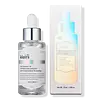
This brightening serum is formulated around Ascorbic Acid and Centella Asiatica Extract to brighten dull-looking skin and fade the look of dark spots.
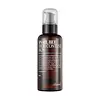
This calming toner is formulated around Snail Secretion Filtrate and Niacinamide to calm redness and strengthen the skin barrier.

What's inside
What's inside
 Key Ingredients
Benefits
Concerns
Ingredients Side-by-side
Water
Skin ConditioningPropylene Glycol
Humectant


Ascorbic Acid
Antioxidant






Hydroxyethylcellulose
Emulsion StabilisingCitrus Junos Fruit Extract
Skin ConditioningCentella Asiatica Extract
Cleansing


Polysorbate 60
Emulsifying
Illicium Verum Fruit Extract
Perfuming
Chaenomeles Sinensis Fruit Extract
Antioxidant
Paeonia Suffruticosa Root Extract
Skin ProtectingBrassica Oleracea Italica Extract
AstringentNelumbium Speciosum Flower Extract
Skin ConditioningCitrus Paradisi Fruit Extract
Skin ConditioningScutellaria Baicalensis Root Extract
Astringent
Butylene Glycol
Humectant
Glycerin
Humectant
Citrus Aurantium Dulcis Oil
Masking
1,2-Hexanediol
Skin Conditioning
Sodium Acrylate/Sodium Acryloyldimethyl Taurate Copolymer
Emulsion StabilisingIsohexadecane
EmollientDisodium EDTA
ChelatingLavandula Angustifolia Oil
Masking


Camellia Sinensis Callus Culture Extract
Perfuming
Polysorbate 80
Emulsifying
Disodium Phosphate
BufferingSorbitan Oleate
Emulsifying
Chrysanthellum Indicum Extract
Skin Conditioning
Asarum Sieboldii Root Extract
Skin ConditioningQuercus Mongolica Leaf Extract
Skin ConditioningPersicaria Hydropiper Extract
Skin ConditioningLarix Europaea Wood Extract
HumectantMagnolia Obovata Bark Extract
Skin ConditioningRheum Palmatum Root Extract
Astringent
Corydalis Turtschaninovii Root Extract
Skin ConditioningCoptis Chinensis Root Extract
Antioxidant
Sodium Phosphate
BufferingLysine Hcl
Skin Conditioning
Sodium Ascorbyl Phosphate
Antioxidant
Acetyl Methionine
Skin Conditioning
Theanine
EmollientProline
Skin Conditioning
Lecithin
Emollient
Acetyl Glutamine
Skin ConditioningBacillus/Folic Acid/Soybean Ferment Extract
Skin ConditioningSodium Hyaluronate
Humectant
Sh-Oligopeptide-1
Skin Conditioning
Sh-Oligopeptide-2
Skin Conditioning
Sh-Polypeptide-1
Skin Conditioning
Sh-Polypeptide-11
Sh-Polypeptide-9
Skin Conditioning
Caprylyl Glycol
Emollient
Limonene
Perfuming
Water, Propylene Glycol, Ascorbic Acid, Hydroxyethylcellulose, Citrus Junos Fruit Extract, Centella Asiatica Extract, Polysorbate 60, Illicium Verum Fruit Extract, Chaenomeles Sinensis Fruit Extract, Paeonia Suffruticosa Root Extract, Brassica Oleracea Italica Extract, Nelumbium Speciosum Flower Extract, Citrus Paradisi Fruit Extract, Scutellaria Baicalensis Root Extract, Butylene Glycol, Glycerin, Citrus Aurantium Dulcis Oil, 1,2-Hexanediol, Sodium Acrylate/Sodium Acryloyldimethyl Taurate Copolymer, Isohexadecane, Disodium EDTA, Lavandula Angustifolia Oil, Camellia Sinensis Callus Culture Extract, Polysorbate 80, Disodium Phosphate, Sorbitan Oleate, Chrysanthellum Indicum Extract, Asarum Sieboldii Root Extract, Quercus Mongolica Leaf Extract, Persicaria Hydropiper Extract, Larix Europaea Wood Extract, Magnolia Obovata Bark Extract, Rheum Palmatum Root Extract, Corydalis Turtschaninovii Root Extract, Coptis Chinensis Root Extract, Sodium Phosphate, Lysine Hcl, Sodium Ascorbyl Phosphate, Acetyl Methionine, Theanine, Proline, Lecithin, Acetyl Glutamine, Bacillus/Folic Acid/Soybean Ferment Extract, Sodium Hyaluronate, Sh-Oligopeptide-1, Sh-Oligopeptide-2, Sh-Polypeptide-1, Sh-Polypeptide-11, Sh-Polypeptide-9, Caprylyl Glycol, Limonene
Water
Skin ConditioningSnail Secretion Filtrate
Skin Conditioning
Camellia Sinensis Leaf Water
Masking
Butylene Glycol
Humectant
Glycerin
Humectant
Niacinamide
Smoothing


1,2-Hexanediol
Skin Conditioning
Sh-Oligopeptide-1
Skin Conditioning
Bee Venom
Astringent
Diospyros Kaki Leaf Extract
Skin Protecting
Salix Alba Bark Extract
Astringent
Plantago Asiatica Extract
Skin ConditioningLaminaria Digitata Extract
Skin Protecting
Ulmus Campestris Bark Extract
AstringentPentylene Glycol
Skin Conditioning
Zanthoxylum Piperitum Fruit Extract
Skin ConditioningPulsatilla Koreana Extract
Skin ConditioningUsnea Barbata Extract
Althaea Rosea Root Extract
HumectantAloe Barbadensis Leaf Extract
Emollient
Betaine
Humectant
Panthenol
Skin Conditioning
Beta-Glucan
Skin Conditioning
Allantoin
Skin Conditioning
Adenosine
Skin Conditioning
Polysorbate 20
Emulsifying
Lecithin
Emollient
Water, Snail Secretion Filtrate, Camellia Sinensis Leaf Water, Butylene Glycol, Glycerin, Niacinamide, 1,2-Hexanediol, Sh-Oligopeptide-1, Bee Venom, Diospyros Kaki Leaf Extract, Salix Alba Bark Extract, Plantago Asiatica Extract, Laminaria Digitata Extract, Ulmus Campestris Bark Extract, Pentylene Glycol, Zanthoxylum Piperitum Fruit Extract, Pulsatilla Koreana Extract, Usnea Barbata Extract, Althaea Rosea Root Extract, Aloe Barbadensis Leaf Extract, Betaine, Panthenol, Beta-Glucan, Allantoin, Adenosine, Polysorbate 20, Lecithin
Reviews
Ingredients Explained
These ingredients are found in both products.
Ingredients higher up in an ingredient list are typically present in a larger amount.
1,2-Hexanediol is a synthetic liquid and another multi-functional powerhouse.
It is a:
- Humectant, drawing moisture into the skin
- Emollient, helping to soften skin
- Solvent, dispersing and stabilizing formulas
- Preservative booster, enhancing the antimicrobial activity of other preservatives
Butylene Glycol (or BG) is used within cosmetic products for a few different reasons:
Overall, Butylene Glycol is a safe and well-rounded ingredient that works well with other ingredients.
Though this ingredient works well with most skin types, some people with sensitive skin may experience a reaction such as allergic rashes, closed comedones, or itchiness.
Learn more about Butylene GlycolGlycerin (or glycerol) is a compound naturally found in your skin. It's a powerhouse humectant that pulls water into the stratum corneum.
Topically, glycerin does several things at once:
Your skin makes glycerin on its own (mostly from sebaceous oil breakdown) and shuttles it to your outermost layer of skin, or your epidermis, via aquaporin-3.
Aquaporin-3 is a transporter that is essential for normal skin hydration, elasticity, and repair. Interestingly, mice lacking in AQP3 have dry and less elastic skin that can be fully corrected with glycerin.
This ingredient is non-irritating, plays well with almost every ingredient, and works across all skin types. Typical use is anywhere between 3-10% but can go up to 79% in some leave-on products.
Just know very high concentrations (>40%) can feel tacky in low humidity.
Glycerin is the name for this ingredient in American English. British English uses Glycerol/Glycerine.
Learn more about GlycerinLecithin is a term for a group of substances found in the cell membranes of plants, animals, and humans. They are made up of phospholipids.
Thanks to its amphiphilic structure (water-loving head and oil-loving tail), it is a true multitasker:
It plays well with most ingredients and is typically used at 0.1-1%. However, concentrations up to 50% have been reported in moisturizers.
Learn more about Lecithinsh-Oligopeptide-1 is a peptide found naturally in our bodies. Peptides are the building blocks for collagen and elastin in our skin.
In cosmetics, this ingredient is bioengineered to be identical to a human gene that codes for epidermal growth factor (EGF). EGF are signal molecules that simulate cell growth and healing.
Studies find EGF help with:
In South Korea and China, EGF is considered a controversial ingredient. The South Korean Ministry of Food and Drug Safety has cracked down on companies with products including EGF due to false advertisement claims.
According to Dr. Zoe Draelos, growth factors have some drawbacks:
There is also controversy surrounding growth factors. The controversy is due to their mitogenic activity, or their ability to increase the number of cells. It is best to avoid using growth factors if you have psoriasis or are at risk of skin cancer. However, it should be noted EGF are not mutagenic - meaning they will not cause cancer.
Learn more about Sh-Oligopeptide-1Water. It's the most common cosmetic ingredient of all. You'll usually see it at the top of ingredient lists, meaning that it makes up the largest part of the product.
So why is it so popular? Water most often acts as a solvent - this means that it helps dissolve other ingredients into the formulation.
You'll also recognize water as that liquid we all need to stay alive. If you see this, drink a glass of water. Remember to stay hydrated!
Learn more about Water

