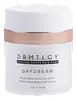
This day moisturizer is formulated around Fructooligosaccharides and Glycoproteins to hydrate skin.
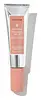
This chemical sunscreen covers most of the UV range, lighter on the deep UVA that drives aging.

What's inside
What's inside
 Key Ingredients
Benefits
Concerns
Ingredients Side-by-side
Water
Skin ConditioningIsododecane
EmollientPropanediol
Solvent

Dimethicone
Emollient

Caprylic/Capric Triglyceride
Masking
Polyglyceryl-6 Polyricinoleate
Emulsifying

Polymethylsilsesquioxane/Trimethylsiloxysilicate
Butyloctyl Salicylate
Skin Conditioning

C12-15 Alkyl Benzoate
AntimicrobialCoco-Caprylate/Caprate
Emollient
Polyglyceryl-10 Dioleate
Emulsifying
C18-36 Acid Triglyceride
EmollientDimethicone/Vinyl Dimethicone Crosspolymer
Skin Conditioning
Polyhydroxystearic Acid
Emulsifying
Polyphenylsilsesquioxane
Lecithin
Emollient
Polysilicone-11

Fructooligosaccharides
Humectant
Glycoproteins
Skin Conditioning
Bioflavonoids
Skin ConditioningCyamopsis Tetragonoloba Gum
Emulsion StabilisingGlycerin
Humectant
Butyrospermum Parkii Butter
Skin Conditioning


1,2-Hexanediol
Skin Conditioning
Disteardimonium Hectorite
StabilisingPropylene Carbonate
SolventAminomethyl Propanol
BufferingCaprylhydroxamic Acid
ChelatingPolysorbate 20
Emulsifying
Pentylene Glycol
Skin Conditioning
Decyl Glucoside
Cleansing
Xanthan Gum
EmulsifyingWater, Isododecane, Propanediol, Dimethicone, Caprylic/Capric Triglyceride, Polyglyceryl-6 Polyricinoleate, Polymethylsilsesquioxane/Trimethylsiloxysilicate, Butyloctyl Salicylate, C12-15 Alkyl Benzoate, Coco-Caprylate/Caprate, Polyglyceryl-10 Dioleate, C18-36 Acid Triglyceride, Dimethicone/Vinyl Dimethicone Crosspolymer, Polyhydroxystearic Acid, Polyphenylsilsesquioxane, Lecithin, Polysilicone-11, Fructooligosaccharides, Glycoproteins, Bioflavonoids, Cyamopsis Tetragonoloba Gum, Glycerin, Butyrospermum Parkii Butter, 1,2-Hexanediol, Disteardimonium Hectorite, Propylene Carbonate, Aminomethyl Propanol, Caprylhydroxamic Acid, Polysorbate 20, Pentylene Glycol, Decyl Glucoside, Xanthan Gum
Homosalate 10%
Skin Conditioning
Ethylhexyl Salicylate 5%
UV Absorber
Butyl Methoxydibenzoylmethane 3%
UV Absorber
Water
Skin ConditioningButyloctyl Salicylate
Skin Conditioning
C12-15 Alkyl Benzoate
AntimicrobialCalcium Sodium Borosilicate
Glycerin
Humectant
Glyceryl Stearate
Emollient
Ethylhexyl Methoxycrylene
Skin Conditioning
Vp/Eicosene Copolymer
Stearyl Dimethicone
Emollient
Argania Spinosa Kernel Oil
Emollient


Tocopheryl Acetate
Antioxidant


1,2-Hexanediol
Skin Conditioning
Niacinamide
Smoothing





Tocopherol
Antioxidant
Cetearyl Olivate
Bisabolol
Antioxidant
3-O-Ethyl Ascorbic Acid
Skin Conditioning
Sodium Hyaluronate
Humectant
Squalane
Emollient
Ammonium Acryloyldimethyltaurate/Vp Copolymer
Hydroxyacetophenone
Antioxidant
Silica
Abrasive
Sodium Stearoyl Glutamate
CleansingOctadecene
SolventSorbitan Olivate
Emulsifying
Sorbitan Oleate
Emulsifying
Caprylyl/Capryl Glucoside
CleansingXanthan Gum
EmulsifyingSodium Acrylate/Sodium Acryloyldimethyl Taurate Copolymer
Emulsion StabilisingTrisodium Ethylenediamine Disuccinate
ChelatingPolyisobutene
Citric Acid
Buffering
Sodium Hydroxide
BufferingHomosalate 10%, Ethylhexyl Salicylate 5%, Butyl Methoxydibenzoylmethane 3%, Water, Butyloctyl Salicylate, C12-15 Alkyl Benzoate, Calcium Sodium Borosilicate, Glycerin, Glyceryl Stearate, Ethylhexyl Methoxycrylene, Vp/Eicosene Copolymer, Stearyl Dimethicone, Argania Spinosa Kernel Oil, Tocopheryl Acetate, 1,2-Hexanediol, Niacinamide, Tocopherol, Cetearyl Olivate, Bisabolol, 3-O-Ethyl Ascorbic Acid, Sodium Hyaluronate, Squalane, Ammonium Acryloyldimethyltaurate/Vp Copolymer, Hydroxyacetophenone, Silica, Sodium Stearoyl Glutamate, Octadecene, Sorbitan Olivate, Sorbitan Oleate, Caprylyl/Capryl Glucoside, Xanthan Gum, Sodium Acrylate/Sodium Acryloyldimethyl Taurate Copolymer, Trisodium Ethylenediamine Disuccinate, Polyisobutene, Citric Acid, Sodium Hydroxide
Reviews
Alternatives
Ingredients Explained
These ingredients are found in both products.
Ingredients higher up in an ingredient list are typically present in a larger amount.
1,2-Hexanediol is a synthetic liquid and another multi-functional powerhouse.
It is a:
- Humectant, drawing moisture into the skin
- Emollient, helping to soften skin
- Solvent, dispersing and stabilizing formulas
- Preservative booster, enhancing the antimicrobial activity of other preservatives
Butyloctyl Salicylate is a chemical UV filter structurally similar to octisalate. It is a photostabilizer, SPF booster, emollient and solvent. This ingredient helps evenly spread out ingredients.
According to a manufacturer, it is suitable for pairing with micro Titanium Dioxide, Zinc Oxide, and pigments.
Photostabilizers help stabilize UV-filters and prevents them from degrading quickly.
Learn more about Butyloctyl SalicylateC12-15 Alkyl Benzoate is a lightweight emollient made by combinig benzoic acid with fatty alcohols that are 12-15 carbons long.
In cosmetics, it plays several roles:
The Cosmetic Review Expert Panel has concluded the alkyl benzoate group to be safe as used in cosmetics; it wasn't found to be a skin irritant and unlikely to be absorbed due to its low water solubility.
This report recorded almost 1000 reported uses with concentrations up to 59% in leave-on products but your cosmetics will typically use 0.5-15% depending on the product.
It's often called a "SPF booster": this is because it keeps UV filters properly dissolved and evenly distributed to support a sunscreen's performance. It doesn't actually raise SPF on its own.
Overall, this ingredient is well tolerated.
This ingredient is fungal acne safe because it is an ester of benzoic acid.
Think of this ingredient as two parts stuck together: an oily part and an acid part. Malassezia only gets a meal when it can snip off a fatty acid to eat. With C12-15 Alkyl Benzoate, the acid part is benzoic acid, which isn't a fatty acid and which the yeast can't use as food.
Benzoic acid is actually used as a preservative to stop yeast from growing.
The oily part is a blend of C12-15 fatty alcohols but fatty alcohols in this size range can support only a little Malassezia growth (mostly for one species of Malassezia as well).
In the ingredient, those alcohols stay locked inside the molecule. The yeast can only reach them by snipping the benzoate bond, and that type of bond is harder for it to cut than a normal fatty bond.
So not much gets released. And whatever does get snipped comes packaged with benzoic acid, which discourages yeast growth.
Learn more about C12-15 Alkyl BenzoateGlycerin (or glycerol) is a compound naturally found in your skin. It's a powerhouse humectant that pulls water into the stratum corneum.
Topically, glycerin does several things at once:
Your skin makes glycerin on its own (mostly from sebaceous oil breakdown) and shuttles it to your outermost layer of skin, or your epidermis, via aquaporin-3.
Aquaporin-3 is a transporter that is essential for normal skin hydration, elasticity, and repair. Interestingly, mice lacking in AQP3 have dry and less elastic skin that can be fully corrected with glycerin.
This ingredient is non-irritating, plays well with almost every ingredient, and works across all skin types. Typical use is anywhere between 3-10% but can go up to 79% in some leave-on products.
Just know very high concentrations (>40%) can feel tacky in low humidity.
Glycerin is the name for this ingredient in American English. British English uses Glycerol/Glycerine.
Learn more about GlycerinWater. It's the most common cosmetic ingredient of all. You'll usually see it at the top of ingredient lists, meaning that it makes up the largest part of the product.
So why is it so popular? Water most often acts as a solvent - this means that it helps dissolve other ingredients into the formulation.
You'll also recognize water as that liquid we all need to stay alive. If you see this, drink a glass of water. Remember to stay hydrated!
Learn more about WaterXanthan gum is used as a stabilizer and thickener within cosmetic products. It helps give products a sticky, thick feeling - preventing them from being too runny.
On the technical side of things, xanthan gum is a polysaccharide - a combination consisting of multiple sugar molecules bonded together.
Xanthan gum is a pretty common and great ingredient. It is a natural, non-toxic, non-irritating ingredient that is also commonly used in food products.
Learn more about Xanthan Gum

