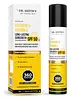
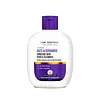
Dr. Sheth's Ceramide & Vitamin C Long Lasting Sunscreen SPF 50 Versus Dr. Sheth's Oats & Ceramide Sensitive Skin Gentle Cleanser
This hybrid sunscreen covers the full UV range and blocks ~98% of UVB at SPF 50.
This mild cream cleanser is made to cleanse while calming and soothing your skin.

What's inside
What's inside
 Key Ingredients
Benefits
Concerns
Ingredients Side-by-side
Water
Skin ConditioningCyclopentasiloxane
Emollient
Ethylhexyl Methoxycinnamate
UV Absorber


Titanium Dioxide
Cosmetic Colorant
Diethylhexyl Butamido Triazone
UV Absorber
Cetyl PEG/PPG-10/1 Dimethicone
Emulsifying
Aluminum Chlorohydrate
AstringentDimethicone/Vinyl Dimethicone Crosspolymer
Skin Conditioning
Zinc Oxide
Cosmetic Colorant
Coco-Caprylate/Caprate
Emollient
Polyglyceryl-3 Polyricinoleate
Emulsifying

Isostearic Acid
Cleansing

Isododecane
EmollientDisteardimonium Hectorite
StabilisingPropylene Carbonate
SolventBis-Ethylhexyloxyphenol Methoxyphenyl Triazine
UV Absorber
Physalis Angulata Extract
Skin ProtectingCaprylic/Capric Triglyceride
Masking

3-O-Ethyl Ascorbic Acid
Skin Conditioning





Polymethylsilsesquioxane
Hyaluronic Acid
Humectant

Laminaria Digitata Extract
Skin Protecting
Cetyl-Pg Hydroxyethyl Palmitamide
Skin ConditioningCeramide EOP
Skin Conditioning

Ceramide Ns
Skin Conditioning
Ceramide NP
Skin Conditioning
Ceramide As
Skin Conditioning
Ceramide AP
Skin Conditioning
Butylene Glycol
Humectant
Tocopherol
Antioxidant


Sodium Benzoate
Masking
Phenoxyethanol
Preservative
Water, Cyclopentasiloxane, Ethylhexyl Methoxycinnamate, Titanium Dioxide, Diethylhexyl Butamido Triazone, Cetyl PEG/PPG-10/1 Dimethicone, Aluminum Chlorohydrate, Dimethicone/Vinyl Dimethicone Crosspolymer, Zinc Oxide, Coco-Caprylate/Caprate, Polyglyceryl-3 Polyricinoleate, Isostearic Acid, Isododecane, Disteardimonium Hectorite, Propylene Carbonate, Bis-Ethylhexyloxyphenol Methoxyphenyl Triazine, Physalis Angulata Extract, Caprylic/Capric Triglyceride, 3-O-Ethyl Ascorbic Acid, Polymethylsilsesquioxane, Hyaluronic Acid, Laminaria Digitata Extract, Cetyl-Pg Hydroxyethyl Palmitamide, Ceramide EOP, Ceramide Ns, Ceramide NP, Ceramide As, Ceramide AP, Butylene Glycol, Tocopherol, Sodium Benzoate, Phenoxyethanol
Water
Skin ConditioningGlycerin
Humectant
Propylene Glycol
Humectant
Decyl Glucoside
Cleansing
Cetyl Alcohol
Emollient
Betaine
Humectant
Niacinamide
Smoothing

Avena Sativa Kernel Extract
Abrasive
Aloe Barbadensis Leaf Extract
Emollient
Cetearyl Alcohol
Emollient
Panthenol
Skin Conditioning
Xanthan Gum
EmulsifyingHydroxyethyl Acrylate/Sodium Acryloyldimethyl Taurate Copolymer
Emulsion StabilisingSodium Hyaluronate
Humectant
Butylene Glycol
Humectant
Sophora Flavescens Root Extract
Antioxidant
Glycyrrhiza Inflata Root Extract
Skin Conditioning
Scutellaria Baicalensis Root Extract
Astringent
Ceramide NP
Skin Conditioning
PEG-7 Glyceryl Cocoate
Emulsifying
Phenoxyethanol
Preservative
Tocopheryl Acetate
Antioxidant
Bisabolol
Antioxidant
Polysorbate 20
Emulsifying
Disodium EDTA
Water, Glycerin, Propylene Glycol, Decyl Glucoside, Cetyl Alcohol, Betaine, Niacinamide, Avena Sativa Kernel Extract, Aloe Barbadensis Leaf Extract, Cetearyl Alcohol, Panthenol, Xanthan Gum, Hydroxyethyl Acrylate/Sodium Acryloyldimethyl Taurate Copolymer, Sodium Hyaluronate, Butylene Glycol, Sophora Flavescens Root Extract, Glycyrrhiza Inflata Root Extract, Scutellaria Baicalensis Root Extract, Ceramide NP, PEG-7 Glyceryl Cocoate, Phenoxyethanol, Tocopheryl Acetate, Bisabolol, Polysorbate 20, Disodium EDTA
Ingredients Explained
These ingredients are found in both products.
Ingredients higher up in an ingredient list are typically present in a larger amount.
Butylene Glycol (or BG) is used within cosmetic products for a few different reasons:
Overall, Butylene Glycol is a safe and well-rounded ingredient that works well with other ingredients.
Though this ingredient works well with most skin types, some people with sensitive skin may experience a reaction such as allergic rashes, closed comedones, or itchiness.
Learn more about Butylene GlycolCeramide NP (formerly known as Ceramide 3) is one of the skin's naturally occurring lipids.
Since ceramides are the major lipid components of the skin, they are crucial for maintaining skin barrier and hydration. Ceramide NP most closely mirrors the dominant kind in human skin amongst ceramide subtypes.
This ceramide works by slotting into gaps within the stratum corneum's lipid matrix to limit trans-epidermal water loss (TEWL) and shield the skin against external irritants.
A study with 312 patients found that using a ceramide-containing routine for 4 weeks reduced the severity of atopic dermatitis by over 61%.
Another clinical study in subjects aged 60 and older found that a ceramide body wash and moisturizer improved skin dryness and itchy skin in 15 days.
Overall, ceramides are considered non-irritating and safety tests have found little to no observable adverse effects from using this ingredient.
Ceramide NP is usually sourced from plants (like soybean or rice bran), or produced synthetically.
Learn more about Ceramide NPPhenoxyethanol is one of the most widely used preservatives in skincare (and for good reason!).
It has a large spectrum of antimicrobial activity and especially effective bacteria, yeast, and mold while only having a weak effect on your skin's natural microbiome.
On a cellular level, it disrupts the cell membranes of microbes by poking holes that make the cell leak. This shuts down the chemical reactions the microbe needs to make energy so it can no longer survive.
Another perk of this ingredient is that it stays functional across a wide pH range (3-10).
You'll often see it paired with boosters like Ethylhexylglycerin; one study showed that a 1:9 ratio of Ethylhexylglycerin to Phenoxyethanol damages bacterial membranes as effectively as doubling the Phenoxyethanol concentration on its own.
Typical use concentrations range from 0.3-1% depending on the formula, and this ingredient is capped at 1% int the EU.
Safety-wise, the fear mongering does not hold up to the evidence. The EU's Scientific Committee on Consumer Safety and FDA consider it safe as a preservative at up to 1%, including for children of all ages.
Adverse systemic effects only showed up in animal studies at exposures roughly 200x higher than what people get from cosmetics. And despite its very widespread use, this ingredient is a rare sensitizer and allergic reactions are uncommon.
Learn more about PhenoxyethanolWater. It's the most common cosmetic ingredient of all. You'll usually see it at the top of ingredient lists, meaning that it makes up the largest part of the product.
So why is it so popular? Water most often acts as a solvent - this means that it helps dissolve other ingredients into the formulation.
You'll also recognize water as that liquid we all need to stay alive. If you see this, drink a glass of water. Remember to stay hydrated!
Learn more about Water

