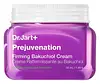
This anti-aging moisturizer is formulated around Panthenol and Bakuchiol to soften the look of wrinkles and hydrate skin.
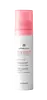
This calming day moisturizer is formulated around Niacinamide and Camellia Sinensis Leaf Extract to calm redness and balance excess oil.


What's inside
What's inside
 Key Ingredients
Benefits
Concerns
Ingredients Side-by-side
Water
Skin ConditioningGlycerin
Humectant


Butylene Glycol
Humectant
Caprylic/Capric Triglyceride
Masking
Pentaerythrityl Tetraethylhexanoate
Emollient
Bis-Behenyl/Isostearyl/Phytosteryl Dimer Dilinoleyl Dimer Dilinoleate
EmollientMethylpropanediol
SolventDicaprylyl Ether
Emollient
Polyglyceryl-3 Methylglucose Distearate
Emulsifying

Cetearyl Alcohol
Emollient



1,2-Hexanediol
Skin Conditioning
Phytosteryl/Isostearyl/Cetyl/Stearyl/Behenyl Dimer Dilinoleate
Skin Conditioning
Phenyl Trimethicone
Skin Conditioning
Panthenol
Skin Conditioning

Pentylene Glycol
Skin Conditioning
Caprylyl Methicone
Skin Conditioning
Bakuchiol
Antimicrobial






Jojoba Esters
Emollient
Cetearyl Olivate
Glyceryl Caprylate
EmollientHydrolyzed Collagen
Emollient
Adenosine
Skin Conditioning
C12-16 Alcohols
EmollientCetyl Alcohol
Emollient
Hydroxyethyl Acrylate/Sodium Acryloyldimethyl Taurate Copolymer
Emulsion StabilisingBoron Nitride
Absorbent
Sodium Polyacryloyldimethyl Taurate
Emulsion StabilisingGlyceryl Stearate Se
Emulsifying
Palmitic Acid
Emollient
Hydrogenated Lecithin
Emulsifying
Copernicia Cerifera Wax
Sorbitan Olivate
Emulsifying
Acrylates/C10-30 Alkyl Acrylate Crosspolymer
Emulsion StabilisingSorbitan Isostearate
Emulsifying
Parfum
Masking


Sodium Phytate
ChelatingTocopherol
Antioxidant
Phenoxyethanol
Preservative
Sodium Benzoate
Masking
CI 14700
Cosmetic ColorantCI 42090
Cosmetic ColorantWater, Glycerin, Butylene Glycol, Caprylic/Capric Triglyceride, Pentaerythrityl Tetraethylhexanoate, Bis-Behenyl/Isostearyl/Phytosteryl Dimer Dilinoleyl Dimer Dilinoleate, Methylpropanediol, Dicaprylyl Ether, Polyglyceryl-3 Methylglucose Distearate, Cetearyl Alcohol, 1,2-Hexanediol, Phytosteryl/Isostearyl/Cetyl/Stearyl/Behenyl Dimer Dilinoleate, Phenyl Trimethicone, Panthenol, Pentylene Glycol, Caprylyl Methicone, Bakuchiol, Jojoba Esters, Cetearyl Olivate, Glyceryl Caprylate, Hydrolyzed Collagen, Adenosine, C12-16 Alcohols, Cetyl Alcohol, Hydroxyethyl Acrylate/Sodium Acryloyldimethyl Taurate Copolymer, Boron Nitride, Sodium Polyacryloyldimethyl Taurate, Glyceryl Stearate Se, Palmitic Acid, Hydrogenated Lecithin, Copernicia Cerifera Wax, Sorbitan Olivate, Acrylates/C10-30 Alkyl Acrylate Crosspolymer, Sorbitan Isostearate, Parfum, Sodium Phytate, Tocopherol, Phenoxyethanol, Sodium Benzoate, CI 14700, CI 42090
Niacinamide
Smoothing


Avena Sativa Bran Extract
Abrasive
Benzyl Alcohol
Perfuming

Camellia Oleifera Leaf Extract
AstringentCamellia Sinensis Leaf Extract
Antimicrobial
Diethylhexyl Syringylidenemalonate
Skin Protecting
Dimethicone
Emollient
Glycerin
Humectant
Hydrogenated Lecithin
Emulsifying
Hydroxyethyl Acrylate/Sodium Acryloyldimethyl Taurate Copolymer
Emulsion StabilisingEthylhexyl Methoxycinnamate
UV Absorber
Ethylhexyl Salicylate
UV Absorber
Octocrylene
UV Absorber
Peucedanum Graveolens Extract
TonicPhenoxyethanol
Preservative
Potassium Sorbate
Preservative
Punica Granatum Extract
AstringentSilica
Abrasive
Sodium Benzoate
Masking
Sodium Carbomer
Emulsion StabilisingTitanium Dioxide
Cosmetic Colorant
Vitis Vinifera Seed Extract
Antimicrobial
Xanthan Gum
EmulsifyingNiacinamide, Avena Sativa Bran Extract, Benzyl Alcohol, Camellia Oleifera Leaf Extract, Camellia Sinensis Leaf Extract, Diethylhexyl Syringylidenemalonate, Dimethicone, Glycerin, Hydrogenated Lecithin, Hydroxyethyl Acrylate/Sodium Acryloyldimethyl Taurate Copolymer, Ethylhexyl Methoxycinnamate, Ethylhexyl Salicylate, Octocrylene, Peucedanum Graveolens Extract, Phenoxyethanol, Potassium Sorbate, Punica Granatum Extract, Silica, Sodium Benzoate, Sodium Carbomer, Titanium Dioxide, Vitis Vinifera Seed Extract, Xanthan Gum
Reviews
Ingredients Explained
These ingredients are found in both products.
Ingredients higher up in an ingredient list are typically present in a larger amount.
Glycerin (or glycerol) is a compound naturally found in your skin. It's a powerhouse humectant that pulls water into the stratum corneum.
Topically, glycerin does several things at once:
Your skin makes glycerin on its own (mostly from sebaceous oil breakdown) and shuttles it to your outermost layer of skin, or your epidermis, via aquaporin-3.
Aquaporin-3 is a transporter that is essential for normal skin hydration, elasticity, and repair. Interestingly, mice lacking in AQP3 have dry and less elastic skin that can be fully corrected with glycerin.
This ingredient is non-irritating, plays well with almost every ingredient, and works across all skin types. Typical use is anywhere between 3-10% but can go up to 79% in some leave-on products.
Just know very high concentrations (>40%) can feel tacky in low humidity.
Glycerin is the name for this ingredient in American English. British English uses Glycerol/Glycerine.
Learn more about GlycerinHydrogenated Lecithin is a more stable version of lecithin.
It's made by taking lecithin (a phospholipid commonly found in soybeans and egg yolks) and hydrogenating it. This just means the unsaturated fatty acids are turned into saturated ones so they don't go bad as easily.
This ingredient is an emollient, emulsifier, and penetration enhancer. As an emollient, it helps soften and hydrate skin by trapping moisture within. As an emulsifier, it prevents oil and water ingredients from separating.
Hydrogenated Lecithin can form tiny spherical structures made of phospholipid bilayers called liposomes. These liposomes are able to capture compounds inside their structure and deliver them through the skin barrier.
Because phospholipids are a natural component of our cell membranes, this ingredient is inherently compatible with skin.
A 2021 study found lecithin-based surfactants were less harsh and more tolerable comared to Sodium Lauryl Sulfate (SLS).
Learn more about Hydrogenated LecithinThis is a synthetic polymer. It helps improve the texture of products by adding thickness and gel-like feel.
It is also an emulsifer, meaning it prevents ingredients such as oil and water from separating. It also helps evenly disperse other ingredients.
Phenoxyethanol is one of the most widely used preservatives in skincare (and for good reason!).
It has a large spectrum of antimicrobial activity and especially effective bacteria, yeast, and mold while only having a weak effect on your skin's natural microbiome.
On a cellular level, it disrupts the cell membranes of microbes by poking holes that make the cell leak. This shuts down the chemical reactions the microbe needs to make energy so it can no longer survive.
Another perk of this ingredient is that it stays functional across a wide pH range (3-10).
You'll often see it paired with boosters like Ethylhexylglycerin; one study showed that a 1:9 ratio of Ethylhexylglycerin to Phenoxyethanol damages bacterial membranes as effectively as doubling the Phenoxyethanol concentration on its own.
Typical use concentrations range from 0.3-1% depending on the formula, and this ingredient is capped at 1% int the EU.
Safety-wise, the fear mongering does not hold up to the evidence. The EU's Scientific Committee on Consumer Safety and FDA consider it safe as a preservative at up to 1%, including for children of all ages.
Adverse systemic effects only showed up in animal studies at exposures roughly 200x higher than what people get from cosmetics. And despite its very widespread use, this ingredient is a rare sensitizer and allergic reactions are uncommon.
Learn more about PhenoxyethanolSodium Benzoate is a preservative. It's used in both cosmetic and food products to inhibit the growth of mold and bacteria. It is typically produced synthetically.
Both the US FDA and EU Health Committee have approved the use of sodium benzoate. In the US, levels of 0.1% (of the total product) are allowed.
Sodium benzoate works as a preservative by inhibiting the growth of bacteria inside of cells. It prevents the cell from fermenting a type of sugar using an enzyme called phosphofructokinase.
It is the salt of benzoic acid. Foods containing sodium benzoate include soda, salad dressings, condiments, fruit juices, wines, and snack foods.
Studies for using ascorbic acid and sodium benzoate in cosmetics are lacking, especially in skincare routines with multiple steps.
We always recommend speaking with a professional, such as a dermatologist, if you have any concerns.
Learn more about Sodium Benzoate


