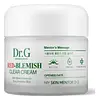
This calming moisturizer is formulated around Niacinamide and Panthenol to calm redness and balance excess oil.
This oil-control moisturizer is formulated around Silica and Salix Alba Bark Extract to balance excess oil and refine the look of pores.


What's inside
What's inside
 Key Ingredients
Benefits
Concerns
No concerns
Ingredients Side-by-side
Water
Skin ConditioningGlycerin
Humectant


Butylene Glycol
Humectant
Cyclopentasiloxane
Emollient
Dimethicone
Emollient
Niacinamide
Smoothing









1,2-Hexanediol
Skin Conditioning
Hydrogenated Polydecene
EmollientPentylene Glycol
Skin Conditioning
Panthenol
Skin Conditioning
Hydroxyethyl Acrylate/Sodium Acryloyldimethyl Taurate Copolymer
Emulsion StabilisingSilica
Abrasive
Acrylates/C10-30 Alkyl Acrylate Crosspolymer
Emulsion StabilisingTromethamine
BufferingDimethiconol
Emollient
Dipotassium Glycyrrhizate
Humectant
Xanthan Gum
EmulsifyingGlyceryl Acrylate/Acrylic Acid Copolymer
HumectantDisodium EDTA
ChelatingBuddleja Davidii Extract
Skin ConditioningThymus Vulgaris Extract
Perfuming
Centella Asiatica Extract
Cleansing
Epigallocatechin Gallate
Antioxidant
Malus Domestica Fruit Extract
Antioxidant
Pyrus Malus Fruit Extract
Skin Conditioning
Water, Glycerin, Butylene Glycol, Cyclopentasiloxane, Dimethicone, Niacinamide, 1,2-Hexanediol, Hydrogenated Polydecene, Pentylene Glycol, Panthenol, Hydroxyethyl Acrylate/Sodium Acryloyldimethyl Taurate Copolymer, Silica, Acrylates/C10-30 Alkyl Acrylate Crosspolymer, Tromethamine, Dimethiconol, Dipotassium Glycyrrhizate, Xanthan Gum, Glyceryl Acrylate/Acrylic Acid Copolymer, Disodium EDTA, Buddleja Davidii Extract, Thymus Vulgaris Extract, Centella Asiatica Extract, Epigallocatechin Gallate, Malus Domestica Fruit Extract, Pyrus Malus Fruit Extract
Water
Skin ConditioningPropanediol
Solvent
Hydroxyethyl Acrylate/Sodium Acryloyldimethyl Taurate Copolymer
Emulsion StabilisingSalvia Hispanica Seed Oil
Emollient


Isodecyl Neopentanoate
EmollientGlycerin
Humectant
Squalane
Emollient
Butylene Glycol
Humectant
Dipropylene Glycol
HumectantCetearyl Alcohol
Emollient




Imperata Cylindrica Root Extract
Skin ConditioningSilica
Abrasive
Dimethicone
Emollient
Chlorphenesin
Antimicrobial
Malpighia Emarginata Fruit Extract
Skin ConditioningPentylene Glycol
Skin Conditioning
Allantoin
Skin Conditioning
Polysorbate 60
Emulsifying
Isononyl Isononanoate
EmollientMaltodextrin
Absorbent
Cetearyl Glucoside
Emulsifying
Parfum
Masking

Salix Alba Bark Extract
Astringent
Phenoxyethanol
Preservative
Sodium Hyaluronate
Humectant
Dipotassium Glycyrrhizate
Humectant
PEG-8
HumectantPentadecalactone
Masking
Stearyl Glycyrrhetinate
Skin ConditioningLecithin
Emollient
Sorbitan Isostearate
Emulsifying
Aloe Barbadensis Leaf Juice
Skin Conditioning
Centipeda Cunninghamii Extract
Skin ConditioningSaccharide Isomerate
Humectant
Salvia Hispanica Seed Extract
Emollient
Punica Granatum Fruit Extract
Antioxidant
Biosaccharide Gum-1
Humectant
Carbomer
Emulsion StabilisingZinc PCA
Humectant
Rubus Fruticosus Leaf Extract
MaskingSodium Citrate
BufferingCeramide NP
Skin Conditioning
Beta-Sitosterol
Emulsion Stabilising
Potassium Sorbate
Preservative
Tocopherol
Antioxidant
Citric Acid
Buffering
Oenothera Biennis Oil
Emollient
Perilla Ocymoides Seed Oil
Skin Conditioning
Glycine Soja Oil
Emollient
Sodium Benzoate
Masking
Helianthus Annuus Seed Oil
Emollient
CI 42090
Cosmetic ColorantBiotin
AntiseborrhoeicBHT
Antioxidant
Hexyl Cinnamal
Perfuming
Linalool
Perfuming
Geraniol
Perfuming
Water, Propanediol, Hydroxyethyl Acrylate/Sodium Acryloyldimethyl Taurate Copolymer, Salvia Hispanica Seed Oil, Isodecyl Neopentanoate, Glycerin, Squalane, Butylene Glycol, Dipropylene Glycol, Cetearyl Alcohol, Imperata Cylindrica Root Extract, Silica, Dimethicone, Chlorphenesin, Malpighia Emarginata Fruit Extract, Pentylene Glycol, Allantoin, Polysorbate 60, Isononyl Isononanoate, Maltodextrin, Cetearyl Glucoside, Parfum, Salix Alba Bark Extract, Phenoxyethanol, Sodium Hyaluronate, Dipotassium Glycyrrhizate, PEG-8, Pentadecalactone, Stearyl Glycyrrhetinate, Lecithin, Sorbitan Isostearate, Aloe Barbadensis Leaf Juice, Centipeda Cunninghamii Extract, Saccharide Isomerate, Salvia Hispanica Seed Extract, Punica Granatum Fruit Extract, Biosaccharide Gum-1, Carbomer, Zinc PCA, Rubus Fruticosus Leaf Extract, Sodium Citrate, Ceramide NP, Beta-Sitosterol, Potassium Sorbate, Tocopherol, Citric Acid, Oenothera Biennis Oil, Perilla Ocymoides Seed Oil, Glycine Soja Oil, Sodium Benzoate, Helianthus Annuus Seed Oil, CI 42090, Biotin, BHT, Hexyl Cinnamal, Linalool, Geraniol
Reviews
Ingredients Explained
These ingredients are found in both products.
Ingredients higher up in an ingredient list are typically present in a larger amount.
Butylene Glycol (or BG) is used within cosmetic products for a few different reasons:
Overall, Butylene Glycol is a safe and well-rounded ingredient that works well with other ingredients.
Though this ingredient works well with most skin types, some people with sensitive skin may experience a reaction such as allergic rashes, closed comedones, or itchiness.
Learn more about Butylene GlycolDimethicone is a type of synthetic silicone created from natural materials such as quartz. It is also known as polydimethylsiloxane.
What it does:
Dimethicone comes in different viscosities:
Depending on the viscosity, dimethicone has different properties.
Ingredients lists don't always show which type is used, so we recommend reaching out to the brand if you have questions about the viscosity.
This ingredient is unlikely to cause irritation because it does not get absorbed into skin. However, people with silicone allergies should be careful about using this ingredient.
Note: Dimethicone may contribute to pilling. This is because it is not oil or water soluble, so pilling may occur when layered with products. When mixed with heavy oils in a formula, the outcome is also quite greasy.
Learn more about DimethiconeDipotassium Glycyrrhizate comes from licorice root.
Extracts of licorice have demonstrated to have antibacterial, anti‐inflammatory, antiviral, antioxidant properties.
One component, glabridin, has extra potent antioxidant and soothing properties. It has also been found to block pigmentation from UVB rays in guinea pigs.
Licorice Root also contains a flavonoid. Flavonoids are a natural substance from in plants. Flavonoids also have antioxidant properties.
Another component, glycyrrhizin, has been found to have anti-inflammatory and antimicrobial benefits. This may make licorice root extract effective at treating acne. However, more research is needed to support this.
Liquiritin is one of the flavone compounds found in licorice. It has been found to help lighten skin by preventing tyrosinase from reacting with tyrosine. When the two react, protein is converted to melanin. Melanin is the substance in your body that gives your features pigmentation.
Licorice root is native to Southern Europe and Asia. It has been used in traditional Chinese medicine to help with respiratory issues.
Learn more about Dipotassium GlycyrrhizateGlycerin (or glycerol) is a compound naturally found in your skin. It's a powerhouse humectant that pulls water into the stratum corneum.
Topically, glycerin does several things at once:
Your skin makes glycerin on its own (mostly from sebaceous oil breakdown) and shuttles it to your outermost layer of skin, or your epidermis, via aquaporin-3.
Aquaporin-3 is a transporter that is essential for normal skin hydration, elasticity, and repair. Interestingly, mice lacking in AQP3 have dry and less elastic skin that can be fully corrected with glycerin.
This ingredient is non-irritating, plays well with almost every ingredient, and works across all skin types. Typical use is anywhere between 3-10% but can go up to 79% in some leave-on products.
Just know very high concentrations (>40%) can feel tacky in low humidity.
Glycerin is the name for this ingredient in American English. British English uses Glycerol/Glycerine.
Learn more about GlycerinThis is a synthetic polymer. It helps improve the texture of products by adding thickness and gel-like feel.
It is also an emulsifer, meaning it prevents ingredients such as oil and water from separating. It also helps evenly disperse other ingredients.
Pentylene Glycol (1,2-pentanediol) is a multitasking little diol with three main roles in a formula:
Research on alkanediols (the family pentylene glycol belongs to) show they work by disrupting microbial cell membranes. This disruption helps the primary preservative system in a product work more effectively at lower doses.
On the safety side, the Cosmetic Ingredient Review Expert Panel has concluded this ingredient to be safe as used in current cosmetic practices + concentrations.
Typical use levels in a formula run about 1-5%.
Learn more about Pentylene GlycolSilica, also known as silicon dioxide, is a naturally occurring mineral. It is used as a fine, spherical, and porous powder in cosmetics.
Though it has exfoliant properties, the function of silica varies depending on the product.
The unique structure of silica enhances the spreadability and adds smoothness, making it a great texture enhancer.
It is also used as an active carrier, emulsifier, and mattifier due to its ability to absorb excess oil.
In some products, tiny microneedles called spicules are made from silica or hydrolyzed sponge. When you rub them in, they lightly polish away dead skin layers and enhance the penetration of active ingredients.
Learn more about SilicaWater. It's the most common cosmetic ingredient of all. You'll usually see it at the top of ingredient lists, meaning that it makes up the largest part of the product.
So why is it so popular? Water most often acts as a solvent - this means that it helps dissolve other ingredients into the formulation.
You'll also recognize water as that liquid we all need to stay alive. If you see this, drink a glass of water. Remember to stay hydrated!
Learn more about Water

