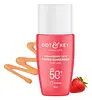
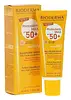
Dot & Key Skincare Strawberry Dew Tinted Sunscreen SPF 50+ Versus Bioderma Photoderm Max Aquafluide Teinte Claire SPF 50+


What's inside
What's inside
 Key Ingredients
Benefits
Concerns
Ingredients Side-by-side
Water
Skin ConditioningEthylhexyl Methoxycinnamate
UV Absorber


Butyl Methoxydibenzoylmethane
UV Absorber
Benzophenone-3
UV Absorber
Phospholipids
Skin Conditioning

Butylene Glycol
Humectant
Isododecane
EmollientGlycerin
Humectant
Phenyl Trimethicone
Skin Conditioning
Propanediol
Solvent
Titanium Dioxide
Cosmetic Colorant
Triethoxycaprylylsilane
Polyhydroxystearic Acid
Emulsifying
Glyceryl Citrate/Lactate/Linoleate/Oleate
Emulsifying
Cyclopentasiloxane
Emollient
Dimethicone Crosspolymer
Emulsion Stabilising
Caprylic/Capric Triglyceride
Masking
Dicaprylyl Carbonate
EmollientTapioca Starch
Polymethylsilsesquioxane
Fragaria Vesca Fruit
AstringentFragaria Ananassa Fruit Extract
Skin Conditioning
Sodium Hyaluronate
Humectant


Niacinamide
Smoothing







Panthenol
Skin Conditioning
Tocopheryl Acetate
Antioxidant

Polyglyceryl-3 Polyricinoleate
Emulsifying
Xanthan Gum
EmulsifyingPolyacrylate Crosspolymer-6
Emulsion StabilisingPolyacrylate-13
Polyisobutene
Polysorbate 20
Emulsifying
Sodium Gluconate
Skin ConditioningPhenoxyethanol
Preservative
Ethylhexylglycerin
Skin ConditioningDisodium EDTA
CI 77491
Cosmetic ColorantCI 77492
Cosmetic ColorantWater, Ethylhexyl Methoxycinnamate, Butyl Methoxydibenzoylmethane, Benzophenone-3, Phospholipids, Butylene Glycol, Isododecane, Glycerin, Phenyl Trimethicone, Propanediol, Titanium Dioxide, Triethoxycaprylylsilane, Polyhydroxystearic Acid, Glyceryl Citrate/Lactate/Linoleate/Oleate, Cyclopentasiloxane, Dimethicone Crosspolymer, Caprylic/Capric Triglyceride, Dicaprylyl Carbonate, Tapioca Starch, Polymethylsilsesquioxane, Fragaria Vesca Fruit, Fragaria Ananassa Fruit Extract, Sodium Hyaluronate, Niacinamide, Panthenol, Tocopheryl Acetate, Polyglyceryl-3 Polyricinoleate, Xanthan Gum, Polyacrylate Crosspolymer-6, Polyacrylate-13, Polyisobutene, Polysorbate 20, Sodium Gluconate, Phenoxyethanol, Ethylhexylglycerin, Disodium EDTA, CI 77491, CI 77492
Water
Skin ConditioningDicaprylyl Carbonate
EmollientOctocrylene
UV Absorber
Methylene Bis-Benzotriazolyl Tetramethylbutylphenol
UV Filter
Butyl Methoxydibenzoylmethane
UV Absorber
Glycerin
Humectant
Methyl Methacrylate Crosspolymer
Cyclohexasiloxane
Emollient
Cyclopentasiloxane
Emollient
Bis-Ethylhexyloxyphenol Methoxyphenyl Triazine
Skin Conditioning
Glyceryl Stearate Citrate
Emollient
Potassium Cetyl Phosphate
EmulsifyingCI 77891
Cosmetic ColorantMethylpropanediol
SolventPolymethylsilsesquioxane
CI 77492
Cosmetic ColorantDecyl Glucoside
Cleansing
Hdi/Trimethylol Hexyllactone Crosspolymer
Pentylene Glycol
Skin Conditioning
Microcrystalline Cellulose
AbsorbentC30-45 Alkyl Cetearyl Dimethicone Crosspolymer
Emollient
CI 77491
Cosmetic Colorant1,2-Hexanediol
Skin Conditioning
Caprylyl Glycol
Emollient
Disodium EDTA
Xanthan Gum
EmulsifyingMannitol
Humectant
Xylitol
Humectant
CI 77499
Cosmetic ColorantHydrogenated Lecithin
Emulsifying
Citric Acid
Buffering

Cellulose Gum
Emulsion StabilisingRhamnose
HumectantPropylene Glycol
Humectant
Ectoin
Skin Conditioning
Tocopherol
Antioxidant
Water, Dicaprylyl Carbonate, Octocrylene, Methylene Bis-Benzotriazolyl Tetramethylbutylphenol, Butyl Methoxydibenzoylmethane, Glycerin, Methyl Methacrylate Crosspolymer, Cyclohexasiloxane, Cyclopentasiloxane, Bis-Ethylhexyloxyphenol Methoxyphenyl Triazine, Glyceryl Stearate Citrate, Potassium Cetyl Phosphate, CI 77891, Methylpropanediol, Polymethylsilsesquioxane, CI 77492, Decyl Glucoside, Hdi/Trimethylol Hexyllactone Crosspolymer, Pentylene Glycol, Microcrystalline Cellulose, C30-45 Alkyl Cetearyl Dimethicone Crosspolymer, CI 77491, 1,2-Hexanediol, Caprylyl Glycol, Disodium EDTA, Xanthan Gum, Mannitol, Xylitol, CI 77499, Hydrogenated Lecithin, Citric Acid, Cellulose Gum, Rhamnose, Propylene Glycol, Ectoin, Tocopherol
Reviews
Ingredients Explained
These ingredients are found in both products.
Ingredients higher up in an ingredient list are typically present in a larger amount.
Also known as Avobenzone, this ingredient is a chemical sunscreen filter that provides protection in the UV-A range.
Avobenzone is globally approved and is the most commonly used UV-A filter in the world.
Studies have found that avobenzone becomes ineffective when exposed to UV light (it is not photostable; meaning that it breaks down in sunlight). Because of this, formulations that include avobenzone will usually contain stabilizers such as octocrylene.
However, some modern formulations (looking at you, EU!) are able to stabilize avobenzone by coating the molecules.
Avobenzone does not protect against the UV-B range, so it's important to check that the sunscreen you're using contains other UV filters that do!
The highest concentration of avobenzone permitted is 3% in the US, and 5% in the EU.
Learn more about Butyl MethoxydibenzoylmethaneCi 77491 is also hydrated iron III oxide. It's sole purpose is to give a red/pink hue to products.
Iron III oxides are classified as inorganic chemicals for coloring.
Synthetically created Ci 77491 is considered safer than those naturally found. This is because the synthetically created version may contain less impurities. Iron oxides are generally non-toxic and non-allergenic.
Learn more about CI 77491CI 77492 is also hydrated iron III oxide. It's sole purpose is to give a yellow hue to products.
Iron III oxides are classified as inorganic chemicals for coloring.
Synthetically created CI 77492 is considered safer than those naturally found. This is because the synthetically created version may contain less impurities. Iron oxides are generally non-toxic and non-allergenic.
Learn more about CI 77492Cyclopentasiloxane, or D5, is a silicone used to improve texture of products and trap moisture.
D5 is considered lightweight and volatile. Volatile means it evaporates quickly after application. Once evaporated, D5 leaves a thin barrier that helps keep skin hydrated.
It is also an emollient. Emollients help soften the skin and prevent water loss. Silicones create a silky texture in products. D5 helps other ingredients become more spreadable.
Studies show D5 is safe to use in skincare products. We recommend speaking with a skincare professional if you have concerns.
Learn more about CyclopentasiloxaneDicaprylyl Carbonate comes from carbonic acid and caprylyl alcohol, a fatty alcohol. It is an emollient and gives skin a velvet feel. The sources of Dicaprylyl Carbonate may be synthetic or from animals.
As an emollient, Dicaprylyl Carbonate creates a film on the skin. This film traps moisture in, keeping your skin soft and hydrated.
Disodium EDTA is a chelating agent. It grabs onto and deactivates metal ions that sneak into your products from water, packaging, or air.
This ingredient mainly works behind the scenes and helps with:
On top of that, this ingredient can counteract the effects of hard water by binding to the minerals in it.
One thing worth knowing is that Disodium EDTA has been shown to be a mild penetration enhancer. It can help other ingredients absorb into skin more effectively which can be a double-edged sword (great for actives, but can also make the active too strong if you have sensitive skin).
Clinical patch testing showed no significant skin irritation at typical use concentrations and minimal dermal absorption.
You'll most likely see this ingredient near the end of an ingredient list. It's typically found in concentrations less than 1%.
Learn more about Disodium EDTAGlycerin (or glycerol) is a compound naturally found in your skin. It's a powerhouse humectant that pulls water into the stratum corneum.
Topically, glycerin does several things at once:
Your skin makes glycerin on its own (mostly from sebaceous oil breakdown) and shuttles it to your outermost layer of skin, or your epidermis, via aquaporin-3.
Aquaporin-3 is a transporter that is essential for normal skin hydration, elasticity, and repair. Interestingly, mice lacking in AQP3 have dry and less elastic skin that can be fully corrected with glycerin.
This ingredient is non-irritating, plays well with almost every ingredient, and works across all skin types. Typical use is anywhere between 3-10% but can go up to 79% in some leave-on products.
Just know very high concentrations (>40%) can feel tacky in low humidity.
Glycerin is the name for this ingredient in American English. British English uses Glycerol/Glycerine.
Learn more about GlycerinPolymethylsilsesquioxane is a silicone used as a film forming agent.
When applied to the skin, this ingredient creates an invisible film on the surface. This film still allows oxygen to pass through, but prevents moisture from escaping. This can help condition and hydrate the skin. It also leaves a silky feel when applied.
Polymethylsilsesquioxane has not been shown to clog pores. It has been deemed safe to use up to 55%, but most cosmetics use much less.
If you have concerns about using this ingredient, we recommend speaking with a professional.
Learn more about PolymethylsilsesquioxaneWater. It's the most common cosmetic ingredient of all. You'll usually see it at the top of ingredient lists, meaning that it makes up the largest part of the product.
So why is it so popular? Water most often acts as a solvent - this means that it helps dissolve other ingredients into the formulation.
You'll also recognize water as that liquid we all need to stay alive. If you see this, drink a glass of water. Remember to stay hydrated!
Learn more about WaterXanthan gum is used as a stabilizer and thickener within cosmetic products. It helps give products a sticky, thick feeling - preventing them from being too runny.
On the technical side of things, xanthan gum is a polysaccharide - a combination consisting of multiple sugar molecules bonded together.
Xanthan gum is a pretty common and great ingredient. It is a natural, non-toxic, non-irritating ingredient that is also commonly used in food products.
Learn more about Xanthan Gum
