This chemical sunscreen covers the full UV range and blocks ~98% of UVB at SPF 50.
This chemical sunscreen covers the full UV range and blocks ~98% of UVB at SPF 50.

What's inside
What's inside
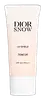 Key Ingredients
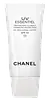
Benefits
Concerns
Ingredients Side-by-side
Water
Skin ConditioningPropanediol
Solvent

Ethylhexyl Salicylate
UV Absorber

Diethylamino Hydroxybenzoyl Hexyl Benzoate
UV Filter
Diisopropyl Sebacate
EmollientDicaprylyl Carbonate
EmollientCI 77891
Cosmetic ColorantAlcohol
Antimicrobial




Butylene Glycol Dicaprylate/Dicaprate
EmollientBis-Ethylhexyloxyphenol Methoxyphenyl Triazine
UV Absorber
Glycerin
Humectant
Phenylbenzimidazole Sulfonic Acid
UV Absorber
Pentylene Glycol
Skin Conditioning
Tromethamine
BufferingAmmonium Acryloyldimethyltaurate/Vp Copolymer
Potassium Cetyl Phosphate
EmulsifyingCitrus Unshiu Peel Extract
MaskingEctoin
Skin Conditioning



Ascorbyl Glucoside
Antioxidant


Angelica Acutiloba Root Extract
Skin ConditioningArtemia Extract
Skin ConditioningKluyveromyces Extract
Skin ConditioningGlyceryl Stearate
Emollient
Butylene Glycol
Humectant
Silica
Abrasive


Cetyl Alcohol
Emollient

Hydroxyacetophenone
Antioxidant
Chlorphenesin
Antimicrobial
Caprylyl Glycol
Emollient
Parfum
Masking

Xanthan Gum
EmulsifyingLeontopodium Alpinum Callus Culture Extract
Antioxidant
Stearic Acid
Cleansing
CI 77491
Cosmetic ColorantCI 77492
Cosmetic ColorantMaltodextrin
Absorbent
Moringa Oleifera Seed Extract
Skin Conditioning
Sorbitan Isostearate
Emulsifying
Sodium Benzoate
Masking
Leontopodium Alpinum Flower/Leaf Extract
Skin ConditioningPotassium Sorbate
Preservative
Citric Acid
Buffering
Sodium Citrate
BufferingTocopherol
Antioxidant

PEG-100 Stearate
Surfactant
Hydroxyethyl Acrylate/Sodium Acryloyldimethyl Taurate Copolymer
Emulsion StabilisingPoly C10-30 Alkyl Acrylate
Emulsion StabilisingAluminum Hydroxide
EmollientAlumina
Abrasive
Water, Propanediol, Ethylhexyl Salicylate, Diethylamino Hydroxybenzoyl Hexyl Benzoate, Diisopropyl Sebacate, Dicaprylyl Carbonate, CI 77891, Alcohol, Butylene Glycol Dicaprylate/Dicaprate, Bis-Ethylhexyloxyphenol Methoxyphenyl Triazine, Glycerin, Phenylbenzimidazole Sulfonic Acid, Pentylene Glycol, Tromethamine, Ammonium Acryloyldimethyltaurate/Vp Copolymer, Potassium Cetyl Phosphate, Citrus Unshiu Peel Extract, Ectoin, Ascorbyl Glucoside, Angelica Acutiloba Root Extract, Artemia Extract, Kluyveromyces Extract, Glyceryl Stearate, Butylene Glycol, Silica, Cetyl Alcohol, Hydroxyacetophenone, Chlorphenesin, Caprylyl Glycol, Parfum, Xanthan Gum, Leontopodium Alpinum Callus Culture Extract, Stearic Acid, CI 77491, CI 77492, Maltodextrin, Moringa Oleifera Seed Extract, Sorbitan Isostearate, Sodium Benzoate, Leontopodium Alpinum Flower/Leaf Extract, Potassium Sorbate, Citric Acid, Sodium Citrate, Tocopherol, PEG-100 Stearate, Hydroxyethyl Acrylate/Sodium Acryloyldimethyl Taurate Copolymer, Poly C10-30 Alkyl Acrylate, Aluminum Hydroxide, Alumina
Water
Skin ConditioningEthylhexyl Methoxycinnamate
UV Absorber
Alcohol
Antimicrobial
CI 52015
Benzotriazole
AntimicrobialTetrabutyl Ethylidenebisphenol
Antioxidant
C12-15 Alkyl Benzoate
AntimicrobialGlycerin
Humectant
Isononyl Isononanoate
EmollientDicaprylyl Carbonate
EmollientBis-Ethylhexyloxyphenol Methoxyphenyl Triazine
UV Absorber
Polyglyceryl-6 Oleate
Emulsifying
Diethylamino Hydroxybenzoyl Hexyl Benzoate
UV Filter
Hexyl Benzoate
Perfuming
Pentylene Glycol
Skin Conditioning
Dimethicone
Emollient
Steareth-21
CleansingPropanediol
Solvent
Faex
Skin ConditioningKalanchoe Pinnata Leaf Extract
MaskingGlycyrrhiza Glabra Root Extract
Bleaching
Decyl Glucoside
Cleansing
Ammonium Acryloyldimethyltaurate/Vp Copolymer
Jojoba Esters
Emollient
Vinyl Dimethicone/Lauryl Dimethicone Crosspolymer
Surfactant
Phenoxyethanol
Preservative
Parfum
Masking
Butylene Glycol
Humectant
Caprylyl Glycol
Emollient
Xanthan Gum
EmulsifyingCetyl Alcohol
Emollient
Polyglyceryl-3 Beeswax
Emulsifying
Ectoin
Skin Conditioning
Propylene Glycol
Humectant
Sodium Citrate
BufferingCitric Acid
Buffering
BHT
Antioxidant
1,2-Hexanediol
Skin Conditioning
Maltodextrin
Absorbent
Water, Ethylhexyl Methoxycinnamate, Alcohol, CI 52015, Benzotriazole, Tetrabutyl Ethylidenebisphenol, C12-15 Alkyl Benzoate, Glycerin, Isononyl Isononanoate, Dicaprylyl Carbonate, Bis-Ethylhexyloxyphenol Methoxyphenyl Triazine, Polyglyceryl-6 Oleate, Diethylamino Hydroxybenzoyl Hexyl Benzoate, Hexyl Benzoate, Pentylene Glycol, Dimethicone, Steareth-21, Propanediol, Faex, Kalanchoe Pinnata Leaf Extract, Glycyrrhiza Glabra Root Extract, Decyl Glucoside, Ammonium Acryloyldimethyltaurate/Vp Copolymer, Jojoba Esters, Vinyl Dimethicone/Lauryl Dimethicone Crosspolymer, Phenoxyethanol, Parfum, Butylene Glycol, Caprylyl Glycol, Xanthan Gum, Cetyl Alcohol, Polyglyceryl-3 Beeswax, Ectoin, Propylene Glycol, Sodium Citrate, Citric Acid, BHT, 1,2-Hexanediol, Maltodextrin
Ingredients Explained
These ingredients are found in both products.
Ingredients higher up in an ingredient list are typically present in a larger amount.
This ingredient is also called ethanol or ethyl alcohol. It is denatured, meaning made undrinkable for cosmetic use.
In formulas, it:
Is it bad for your skin?
The answer comes down to concentration. Patch and wash studies have found highly concentrated alcohol-based hand rubs (60-100%) cause less barrier disruption than washing with a basic detergent like SLS. The only measurable effect in these studies was a temporary dip in skin hydration.
Concentrations below 12-15% in leave-on cosmetics is generally well-tolerated. Concentrations above start to see increased transepidermal water loss (TEWL) and reduced hydration.
In concentrations about 58%, it creates temporary channels in your skin's lipid layers to become more permeable and allow other ingredients to slip through easily.
This ingredient can be up to 80% of the formula in alcohol-based perfumes.
Overall, this ingredient is probably harmless if found lower down an ingredients list but worth side-eyeing if it's high up (especially if your barrier is already struggling).
Alcohol can worsen dry skin, eczema, and oily skin, especially at higher concentrations. This is because it can increase transepidermal water loss and decrease hydration to disrupt the skin barrier.
According to the National Rosacea Society based in the US, you should be mindful of products with these alcohols in the top half of ingredients.
True allergic contact dermatitis to ethanol is uncommon, but be sure to patch test if you have dry or sensitive skin.
Learn more about AlcoholAmmonium Acryloyldimethyltaurate/Vp Copolymer is a synthetically created polymer. It's used as a film-forming agent and used to thicken the consistency of products.
Think of it as a supportive ingredient that helps your gel-creams feel silky, "cloud cream-like", and spread evenly without being greasy.
The Cosmetic Ingredient Review (CIR) Expert Panel evaluated it (along with 22 other acryloyldimethyltaurate polymers) and concluded it's:
Due to its large molecular size, it sits on the surface of skin rather than penetrating it.
Learn more about Ammonium Acryloyldimethyltaurate/Vp CopolymerThis ingredient is better known as bemotrizinol or Tinosorb S and is one of the best broad-spectrum UV filters in modern sunscreen.
It works by absorbing UV light across a whole range (280-400 nm) with peaks around 310 nm (UVB) and 340-345 nm (UVA). This means it covers UVB plus the deeper UVA wavelengths that drive photoaging and pigmentation.
Another pro?
It's exceptionally photostable, barely degrades in sunlight, and acts as a "bodyguard" for less stable filters.
That's why you'll see it paired with avobenzone or octinoxate; this team up ensures they keep working through sun exposure.
Safety reviews have been reassuring across the board. This ingredient shows low absorption through the skin, rarely irritates, and lab studies found it doesn't act like a hormone in the body (a concern that's been raised about some older sunscreen filters).
On maximum concentrations:
In 2026, the US F.D.A finally added it as an OTC sunscreen ingredient at concentrations up to 6% for adults / children 6 months and older
Learn more about Bis-Ethylhexyloxyphenol Methoxyphenyl TriazineButylene Glycol (or BG) is used within cosmetic products for a few different reasons:
Overall, Butylene Glycol is a safe and well-rounded ingredient that works well with other ingredients.
Though this ingredient works well with most skin types, some people with sensitive skin may experience a reaction such as allergic rashes, closed comedones, or itchiness.
Learn more about Butylene GlycolCaprylyl Glycol is a humectant, skin conditioner, emollient, and preservative booster derived from either caprylic acid or synthetically created.
Typical use levels vary from 0.3-1% as a preservative booster and go up to 2% to condition skin.
Because it is not a free-fatty acid, this ingredient is fungal acne safe (there's nothing for Malassezia to feed on).
Learn more about Caprylyl GlycolCetyl Alcohol is a fatty alcohol. Fatty Alcohols are most often used as an emollient or to thicken a product.
Its main roles are:
Though it has "alcohol" in the name, it is not related to denatured alcohol or ethyl alcohol.
The FDA allows products labeled "alcohol-free" to have fatty alcohols.
This ingredient may not be fungal acne safe. It is a primary fatty alcohol with a chain length above 12 carbons. A study from 2019 show Malassezia can feed on fatty alcohols in this range, so it may trigger fungal acne in those prone to it.
Learn more about Cetyl AlcoholCitric Acid is an alpha hydroxy acid (AHA) naturally found in citrus fruits like oranges, lemons, and limes.
Like other AHAs, citric acid can exfoliate skin by breaking down the bonds that hold dead skin cells together. This helps reveal smoother and brighter skin underneath.
However, this exfoliating effect only happens at high concentrations (20%) which can be hard to find in cosmetic products.
Due to this, citric acid is usually included in small amounts as a pH adjuster. This helps keep products slightly more acidic and compatible with skin's natural pH.
In skincare formulas, citric acid can:
While it can provide some skin benefits, research shows lactic acid and glycolic acid are generally more effective and less irritating exfoliants.
Most citric acid used in skincare today is made by fermenting sugars (usually from molasses). This synthetic version is identical to the natural citrus form but easier to stabilize and use in formulations.
Rosacea skin has a lower threshold for acids generally, with 62.5% of rosacea subjects in one study reacting to lactic acid in a sting test. This is why we mark citric acid as a potential rosacea trigger.
However, this ingredient shows up as a pH adjuster or chelator at roughly 0.1-1% in many products. These low levels are unlikely to be an issue for rosacea skin and becomes a potential trigger at exfoliating concentrations (20%). Because everybody's skin is unique, we recommend a patch test if you are unsure.
Learn more about Citric AcidDicaprylyl Carbonate comes from carbonic acid and caprylyl alcohol, a fatty alcohol. It is an emollient and gives skin a velvet feel. The sources of Dicaprylyl Carbonate may be synthetic or from animals.
As an emollient, Dicaprylyl Carbonate creates a film on the skin. This film traps moisture in, keeping your skin soft and hydrated.
Diethylamino Hydroxybenzoyl Hexyl Benzoate (DHHB) is a chemical UV-A absorber. It is formulated for high UVA protection (320-400 nm).
DHHB is well-liked for:
DHHB has been approved by the EU, Japan, Taiwan, and South America for use up to 10%. Unfortunately, it has not been approved for use in the US or Canada due to slow regulatory processes.
This ingredient is soluble in oils, fats, and lipids.
Learn more about Diethylamino Hydroxybenzoyl Hexyl BenzoateEctoin is a compound found naturally in some species of bacteria. It can be synthetically created for skincare use.
This ingredient is an osmolyte; Osmolytes help organisms survive osmotic shock (it protects them from extreme conditions). It does this by influencing the properties of biological fluids within cells.
When applied to the skin, ectoin helps bind water molecules to protect our skin. The water forms a sort of armor for the parts of our skin cells, enzymes, proteins, and more.
Besides this, ectoin has many uses in skincare:
A study from 2004 found ectoin to counteract the damage from UV-A exposure at different cell levels. It has also been shown to protect skin against both UV-A, UV-B rays, infrared light, and visible light.
Studies show ectoin to have dual-action pollution protection: first, it protects our skin from further pollution damage. Second, it helps repair damage from pollution.
In fact, ectoin has been shown to help with:
Fun fact: In the EU, ectoin is used in inhalation medication as an anti-pollution ingredient.
Ectoin is a highly stable ingredient. It has a wide pH range of 1-9. Light, oxygen, and temperature do not affect this ingredient.
The chemical name for this ingredient is Tetrahydromethylpyrimidine Carboxylic Acid.
Learn more about EctoinGlycerin (or glycerol) is a compound naturally found in your skin. It's a powerhouse humectant that pulls water into the stratum corneum.
Topically, glycerin does several things at once:
Your skin makes glycerin on its own (mostly from sebaceous oil breakdown) and shuttles it to your outermost layer of skin, or your epidermis, via aquaporin-3.
Aquaporin-3 is a transporter that is essential for normal skin hydration, elasticity, and repair. Interestingly, mice lacking in AQP3 have dry and less elastic skin that can be fully corrected with glycerin.
This ingredient is non-irritating, plays well with almost every ingredient, and works across all skin types. Typical use is anywhere between 3-10% but can go up to 79% in some leave-on products.
Just know very high concentrations (>40%) can feel tacky in low humidity.
Glycerin is the name for this ingredient in American English. British English uses Glycerol/Glycerine.
Learn more about GlycerinMaltodextrin is a plant-derived carbohydrate made by breaking down starch (usually from corn, potato, or rice). In cosmetic formulas, it's a multitasking absorbent, emulsion stabilizer, and skin conditioner.
This ingredient is mostly used to stabilize emulsions and improve the powdery, non-greasy feel of products (like dry shampoos).
Safety-wise, this ingredient is pretty solid; it's even recognized as a food additive. Both animal and clinical studies found no adverse effects at the levels used in cosmetics.
Industry data shows this ingredient is used up to 45.7% in spray products and up to 33% in powder products.
Learn more about MaltodextrinParfum is a catch-all term for an ingredient or more that is used to give a scent to products.
Also called "fragrance", this ingredient can be a blend of hundreds of chemicals or plant oils. This means every product with "fragrance" or "parfum" in the ingredients list is a different mixture.
For instance, Habanolide is a proprietary trade name for a specific aroma chemical. When used as a fragrance ingredient in cosmetics, most aroma chemicals fall under the broad labeling category of “FRAGRANCE” or “PARFUM” according to EU and US regulations.
The term 'parfum' or 'fragrance' is not regulated in many countries. In many cases, it is up to the brand to define this term.
For instance, many brands choose to label themselves as "fragrance-free" because they are not using synthetic fragrances. However, their products may still contain ingredients such as essential oils that are considered a fragrance by INCI standards.
One example is Calendula flower extract. Calendula is an essential oil that still imparts a scent or 'fragrance'.
Depending on the blend, the ingredients in the mixture can cause allergies and sensitivities on the skin. Some ingredients that are known EU allergens include linalool and citronellol.
Parfum can also be used to mask or cover an unpleasant scent.
The bottom line is: not all fragrances/parfum/ingredients are created equally. If you are worried about fragrances, we recommend taking a closer look at an ingredient. And of course, we always recommend speaking with a professional.
Learn more about ParfumPentylene Glycol (1,2-pentanediol) is a multitasking little diol with three main roles in a formula:
Research on alkanediols (the family pentylene glycol belongs to) show they work by disrupting microbial cell membranes. This disruption helps the primary preservative system in a product work more effectively at lower doses.
On the safety side, the Cosmetic Ingredient Review Expert Panel has concluded this ingredient to be safe as used in current cosmetic practices + concentrations.
Typical use levels in a formula run about 1-5%.
Learn more about Pentylene GlycolPropanediol is an all-star ingredient. It softens, hydrates, and smooths the skin.
It’s often used to:
Propanediol is not likely to cause sensitivity and considered safe to use. It is derived from corn or petroleum with a clear color and no scent.
Learn more about PropanediolSodium Citrate is the sodium salts of citric acid. In skincare, it is used to alter pH levels and acts as a preservative.
Its main functions are to maintain the pH of a product and neutralize metal ions.
The acidity of our skin is maintained by our glands and skin biome; normal pH level of skin is slightly acidic (~4.75-5.5).
Being slightly acidic allows our skin to create an "acid mantle". This acid mantle is a thin barrier that protects our skin from bacteria and contaminants.
Learn more about Sodium CitrateWater. It's the most common cosmetic ingredient of all. You'll usually see it at the top of ingredient lists, meaning that it makes up the largest part of the product.
So why is it so popular? Water most often acts as a solvent - this means that it helps dissolve other ingredients into the formulation.
You'll also recognize water as that liquid we all need to stay alive. If you see this, drink a glass of water. Remember to stay hydrated!
Learn more about WaterXanthan gum is used as a stabilizer and thickener within cosmetic products. It helps give products a sticky, thick feeling - preventing them from being too runny.
On the technical side of things, xanthan gum is a polysaccharide - a combination consisting of multiple sugar molecules bonded together.
Xanthan gum is a pretty common and great ingredient. It is a natural, non-toxic, non-irritating ingredient that is also commonly used in food products.
Learn more about Xanthan Gum

