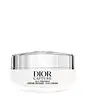
This anti-aging eye moisturizer is formulated around Squalane and Ascorbyl Glucoside to soften the look of wrinkles and hydrate skin.
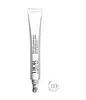
This anti-aging eye moisturizer is formulated around Adenosine and Acetyl Hexapeptide-8 to soften the look of wrinkles.

What's inside
What's inside
 Key Ingredients
Benefits
Concerns
Ingredients Side-by-side
Water
Skin ConditioningDicaprylyl Carbonate
EmollientGlycerin
Humectant


Propanediol
Solvent
Squalane
Emollient
Dimethicone
Emollient
Butylene Glycol
Humectant
Polyglycerin-3
Humectant
Microcrystalline Cellulose
AbsorbentArachidyl Alcohol
Emollient
Alcohol
Antimicrobial




C10-18 Triglycerides
Emollient
Maltitol
HumectantMalva Sylvestris Extract
AstringentLilium Candidum Bulb Extract
Skin ConditioningJasminum Officinale Flower Extract
Masking

Ascorbyl Glucoside
Antioxidant


Saccharomyces Cerevisiae Extract
Skin Conditioning
Caffeine
Skin Conditioning
Sodium Hyaluronate
Humectant

Adenosine
Skin Conditioning
Sodium Tocopheryl Phosphate
Antioxidant
Palmaria Palmata Extract
Skin Protecting
Behenyl Alcohol
Emollient
Cetyl Alcohol
Emollient
Stearyl Alcohol
Emollient
Sorbitol
Humectant
Boron Nitride
Absorbent
Arachidyl Glucoside
EmulsifyingPentylene Glycol
Skin Conditioning
Sodium Stearoyl Glutamate
CleansingXylitol
Humectant
Chlorphenesin
Antimicrobial
Hydroxyacetophenone
Antioxidant
Algin
MaskingParfum
Masking
Betaine
Humectant
CI 77891
Cosmetic ColorantPolyglycerin-6
HumectantSodium Hydroxide
BufferingSodium Benzoate
Masking
Cellulose Gum
Emulsion StabilisingLecithin
Emollient
Biosaccharide Gum-2
Skin Conditioning1,2-Hexanediol
Skin Conditioning
Caprylyl Glycol
Emollient
Potassium Sorbate
Preservative
Tropaeolum Majus Flower/Leaf/Stem Extract
Skin ConditioningCitric Acid
Buffering
CI 77492
Cosmetic ColorantTocopherol
Antioxidant

Inonotus Obliquus Extract
Skin ConditioningJasmine Oil/Extract

Silica
Abrasive

Helianthus Annuus Seed Oil
Emollient
Dimethicone/Vinyl Dimethicone Crosspolymer
Skin Conditioning
Ammonium Acryloyldimethyltaurate/Vp Copolymer
Acrylates/C10-30 Alkyl Acrylate Crosspolymer
Emulsion StabilisingMica
Cosmetic ColorantSodium Hyaluronate Crosspolymer
Humectant
Polyvinyl Alcohol
Water, Dicaprylyl Carbonate, Glycerin, Propanediol, Squalane, Dimethicone, Butylene Glycol, Polyglycerin-3, Microcrystalline Cellulose, Arachidyl Alcohol, Alcohol, C10-18 Triglycerides, Maltitol, Malva Sylvestris Extract, Lilium Candidum Bulb Extract, Jasminum Officinale Flower Extract, Ascorbyl Glucoside, Saccharomyces Cerevisiae Extract, Caffeine, Sodium Hyaluronate, Adenosine, Sodium Tocopheryl Phosphate, Palmaria Palmata Extract, Behenyl Alcohol, Cetyl Alcohol, Stearyl Alcohol, Sorbitol, Boron Nitride, Arachidyl Glucoside, Pentylene Glycol, Sodium Stearoyl Glutamate, Xylitol, Chlorphenesin, Hydroxyacetophenone, Algin, Parfum, Betaine, CI 77891, Polyglycerin-6, Sodium Hydroxide, Sodium Benzoate, Cellulose Gum, Lecithin, Biosaccharide Gum-2, 1,2-Hexanediol, Caprylyl Glycol, Potassium Sorbate, Tropaeolum Majus Flower/Leaf/Stem Extract, Citric Acid, CI 77492, Tocopherol, Inonotus Obliquus Extract, Jasmine Oil/Extract, Silica, Helianthus Annuus Seed Oil, Dimethicone/Vinyl Dimethicone Crosspolymer, Ammonium Acryloyldimethyltaurate/Vp Copolymer, Acrylates/C10-30 Alkyl Acrylate Crosspolymer, Mica, Sodium Hyaluronate Crosspolymer, Polyvinyl Alcohol
Water
Skin ConditioningGlycerin
Humectant
Butylene Glycol
Humectant
Diglycerin
Humectant
Algin
MaskingHydroxypropyl Starch
Lilium Candidum Bulb Extract
Skin ConditioningJasminum Officinale Flower Extract
Masking
Adenosine
Skin Conditioning
Sodium Tocopheryl Phosphate
Antioxidant
Palmaria Palmata Extract
Skin Protecting
Polyglycerin-3
Humectant
Xylitol
Humectant
Chlorphenesin
Antimicrobial
Hydrolyzed Jojoba Esters
Skin Conditioning
Hydroxyacetophenone
Antioxidant
Synthetic Fluorphlogopite
Betaine
Humectant
Sodium Surfactin
CleansingPolyglycerin-6
HumectantCI 77891
Cosmetic ColorantSodium Citrate
BufferingPentylene Glycol
Skin Conditioning
Parfum
Masking
Sodium Hydroxide
BufferingAcetyl Dipeptide-1 Cetyl Ester
Skin Conditioning
Tropaeolum Majus Flower/Leaf/Stem Extract
Skin ConditioningCI 77492
Cosmetic ColorantTrisodium Ethylenediamine Disuccinate
ChelatingCitric Acid
Buffering
Sodium Benzoate
Masking
Tin Oxide
Abrasive
CI 77491
Cosmetic ColorantSilica
Abrasive
Jasmine Oil/Extract
Acetyl Hexapeptide-8
Humectant
Collagen Amino Acids
Moisturising
Ammonium Acryloyldimethyltaurate/Vp Copolymer
Acrylates/C10-30 Alkyl Acrylate Crosspolymer
Emulsion StabilisingPEG-40 Hydrogenated Castor Oil
Emulsifying
Water, Glycerin, Butylene Glycol, Diglycerin, Algin, Hydroxypropyl Starch, Lilium Candidum Bulb Extract, Jasminum Officinale Flower Extract, Adenosine, Sodium Tocopheryl Phosphate, Palmaria Palmata Extract, Polyglycerin-3, Xylitol, Chlorphenesin, Hydrolyzed Jojoba Esters, Hydroxyacetophenone, Synthetic Fluorphlogopite, Betaine, Sodium Surfactin, Polyglycerin-6, CI 77891, Sodium Citrate, Pentylene Glycol, Parfum, Sodium Hydroxide, Acetyl Dipeptide-1 Cetyl Ester, Tropaeolum Majus Flower/Leaf/Stem Extract, CI 77492, Trisodium Ethylenediamine Disuccinate, Citric Acid, Sodium Benzoate, Tin Oxide, CI 77491, Silica, Jasmine Oil/Extract, Acetyl Hexapeptide-8, Collagen Amino Acids, Ammonium Acryloyldimethyltaurate/Vp Copolymer, Acrylates/C10-30 Alkyl Acrylate Crosspolymer, PEG-40 Hydrogenated Castor Oil
Reviews
Ingredients Explained
These ingredients are found in both products.
Ingredients higher up in an ingredient list are typically present in a larger amount.
Acrylates/C10-30 Alkyl Acrylate Crosspolymer is a synthetic polymer. It is used to thicken, emulsify, and improve the texture of products.
As an emulsifier, it helps stabilize oil-in-water emulsions to give products an elegant feel when applied.
It can also form a thin protective film on skin. One study found that a formula using this polymer helped slow down how quickly other ingredients (like DEET) were absorbed through skin.
A 2024 study of over 1,300 patients confirmed that sensitization to this ingredient is rare. It is also non-mutagenic and has a clean track record.
Learn more about Acrylates/C10-30 Alkyl Acrylate CrosspolymerAdenosine is a purine nucleoside that your body already makes in every cell. In skincare, it acts mainly as a skin conditioning and anti-aging agent.
The way it works is fairly well mapped out:
Your skin has cells called fibroblasts that build collagen (the stuff that keeps skin firm and smooth). Adenosine basically flips a switch on these cells that tells them to get to work making more collagen and other proteins. These cells slow down on their own as skin ages, so Adenosine helps give them a little nudge to keep going.
The clinical backing is pretty solid too.
A blind, randomized, placebo-controlled trial of 126 women aged 45-65 tested a 0.1% cream twice daily and found real improvements in crow's feet and frown lines using a precise 3D skin-mapping technique; these changes showed up by week 3 and held at 2 months.
A later study using Adenosine-loaded dissolving microneedle patches reported gains in wrinkle depth, dermal density, elasticity, and hydration.
On concentrations, South Korea's Ministry of Food and Drug Safety has set 0.04% as the approved functional anti-wrinkle level. You'll typically see this ingredient used somewhere in the 0.04-0.1% range since it works at low doses.
This ingredient has been found safe for cosmetics with the data showing no irritation or sensitization.
Overall, this is a great ingredient for any anti-aging routine and has no photosensitizing effect, so it suits both AM and PM use.
Learn more about AdenosineAlgin is the sodium salt of alginic acid, a sugar-based polymer pulled out of brown seaweed.
In cosmetics, it's a workhorse thickener, binder, and film former rather than an active; it's mostly there for texture and slip.
Industry survey data collected by the Cosmetic Ingredient Review put its maximum reported use at 50% in paste masks and mud packs with reported use going all the way down to 0.001% in aerosol products. Most formulas sit at the low end since a little goes a long way as a thickener.
Allergy-wise, this ingredient is about as low-risk as it gets topically:
The "algae causes acne" idea comes from three places that got tangled together:
None of that transfers to a purified polysaccharide like algin. Clogged pores are a lipid problem where an ingredient has to get into the follicle and mix with sebum to form a comedone. Algin is a big, water-loving sugar chain that does neither; it gels and then sits on the surface as a film until it's rinsed off.
Learn more about AlginAmmonium Acryloyldimethyltaurate/Vp Copolymer is a synthetically created polymer. It's used as a film-forming agent and used to thicken the consistency of products.
Think of it as a supportive ingredient that helps your gel-creams feel silky, "cloud cream-like", and spread evenly without being greasy.
The Cosmetic Ingredient Review (CIR) Expert Panel evaluated it (along with 22 other acryloyldimethyltaurate polymers) and concluded it's:
Due to its large molecular size, it sits on the surface of skin rather than penetrating it.
Learn more about Ammonium Acryloyldimethyltaurate/Vp CopolymerBetaine is a humectant. Like hyaluronic acid, it helps attract and retain moisture in the skin. It’s known for being gentle and for helping the skin maintain balanced hydration.
Betaine is mainly used to improve hydration and support calmer skin. It helps skin cells regulate water balance because it functions as an osmolyte.
Some studies suggest betaine may support making skin tone more even.
Fun fact: Betaine naturally exists in the skin and the body. In cosmetic products, it can be either plant-derived (most commonly from sugar beets) or synthetically produced for consistency and stability.
Betaine is also known as trimethylglycine.
Learn more about BetaineButylene Glycol (or BG) is used within cosmetic products for a few different reasons:
Overall, Butylene Glycol is a safe and well-rounded ingredient that works well with other ingredients.
Though this ingredient works well with most skin types, some people with sensitive skin may experience a reaction such as allergic rashes, closed comedones, or itchiness.
Learn more about Butylene GlycolChlorphenesin is a synthetic preservative. It helps protect a product against bacteria in order to extend shelf life. In most cases, Chlorphenesin is paired with other preservatives such as phenoxyethanol and caprylyl glycol.
Chlorphenesin is a biocide. This means it is able to help fight the microorganisms on our skin. It is also able to fight odor-releasing bacteria.
Chlorphenesin is soluble in both water and glycerin.
Studies show Chlorphenesin is easily absorbed by our skin. You should speak with a skincare professional if you have concerns about using Chlorphenesin.
Learn more about ChlorphenesinCI 77492 is also hydrated iron III oxide. It's sole purpose is to give a yellow hue to products.
Iron III oxides are classified as inorganic chemicals for coloring.
Synthetically created CI 77492 is considered safer than those naturally found. This is because the synthetically created version may contain less impurities. Iron oxides are generally non-toxic and non-allergenic.
Learn more about CI 77492Ci 77891 is a white pigment from Titanium dioxide. It is naturally found in minerals such as rutile and ilmenite.
It's main function is to add a white color to cosmetics. It can also be mixed with other colors to create different shades.
Ci 77891 is commonly found in sunscreens due to its ability to block UV rays.
Learn more about CI 77891Citric Acid is an alpha hydroxy acid (AHA) naturally found in citrus fruits like oranges, lemons, and limes.
Like other AHAs, citric acid can exfoliate skin by breaking down the bonds that hold dead skin cells together. This helps reveal smoother and brighter skin underneath.
However, this exfoliating effect only happens at high concentrations (20%) which can be hard to find in cosmetic products.
Due to this, citric acid is usually included in small amounts as a pH adjuster. This helps keep products slightly more acidic and compatible with skin's natural pH.
In skincare formulas, citric acid can:
While it can provide some skin benefits, research shows lactic acid and glycolic acid are generally more effective and less irritating exfoliants.
Most citric acid used in skincare today is made by fermenting sugars (usually from molasses). This synthetic version is identical to the natural citrus form but easier to stabilize and use in formulations.
Rosacea skin has a lower threshold for acids generally, with 62.5% of rosacea subjects in one study reacting to lactic acid in a sting test. This is why we mark citric acid as a potential rosacea trigger.
However, this ingredient shows up as a pH adjuster or chelator at roughly 0.1-1% in many products. These low levels are unlikely to be an issue for rosacea skin and becomes a potential trigger at exfoliating concentrations (20%). Because everybody's skin is unique, we recommend a patch test if you are unsure.
Learn more about Citric AcidGlycerin (or glycerol) is a compound naturally found in your skin. It's a powerhouse humectant that pulls water into the stratum corneum.
Topically, glycerin does several things at once:
Your skin makes glycerin on its own (mostly from sebaceous oil breakdown) and shuttles it to your outermost layer of skin, or your epidermis, via aquaporin-3.
Aquaporin-3 is a transporter that is essential for normal skin hydration, elasticity, and repair. Interestingly, mice lacking in AQP3 have dry and less elastic skin that can be fully corrected with glycerin.
This ingredient is non-irritating, plays well with almost every ingredient, and works across all skin types. Typical use is anywhere between 3-10% but can go up to 79% in some leave-on products.
Just know very high concentrations (>40%) can feel tacky in low humidity.
Glycerin is the name for this ingredient in American English. British English uses Glycerol/Glycerine.
Learn more about GlycerinHydroxyacetophenone is a small phenolic molecule that earns its place in a formulas as an antioxidant and preservative booster.
As a phenol, it is able to neutralize free radicals to protect both the product and the skin from oxidative stress.
Though it can't kill microbes on its own, it works as a good supporting agent when combined with other preservatives like Phenoxyethanol or 1,2-Hexanediol.
This ingredient naturally occurs as piceol in Norwegian spruce needles (~0.4-1.1% dry weight and in cloudberries). Though the cosmetic-grade material is synthesized for purity and consistency.
You'll usually see it used at low levels and suppliers recommend up to 1% added to a water phase.
Safety testing was done at concentrations like 0.05% in SPF products and 0.5% in a Human Repeated Insult Patch Test. The safety evidence is assuring; this ingredient is safe for cosmetics in current use and also holds safety status as a food flavoring as well.
An honest caveat: the "soothing" and "anti-inflammatory" claims come mostly from supplier marketing rather than published clinical trials. The Cosmetic Ingredient Review's own literature search found no useful efficacy studies on this ingredient.
So the antioxidant and preservative-boosting roles are the well supported ones while the calming benefit is plausible but thinly evidenced.
Overall, this is a well-tolerated, low-irritation multitasker that quietly helps a formula stay fresh and stable.
Learn more about HydroxyacetophenoneJasmine flower extract is a fragrance. The flower also has antioxidant and antimicrobial properties.
The antioxidant activity in Jasmine comes from flavonoids - a compound found in many plants. While antioxidants are great - Jasmine flowers also contain coumarin, a known EU allergen.
This ingredient can also help mask unpleasant scents from other ingredients.
Learn more about Jasminum Officinale Flower ExtractWe don't have a description for Lilium Candidum Bulb Extract yet.
Palmaria Palmata Extract comes from dulse, a red algae that grows on Atlantic coastlines and has been eaten as food for centuries.
In cosmetics, its a skin protecting agent that shows up in hydrating and soothing formulas.
The actual peer reviewed research on it is mostly food science + biochemistry rather than dermatology:
Dulse extracts have shown decent antioxidant activity, and a phenolic dulse extract reduced inflammatory activation in human neutrophils in one study. This supports the "soothing" and "anti-inflammatory" claims you'll see on marketing labels.
Safety-wise, this is one of the better documented algae extracts. The Cosmetic Ingredient Review (CIR) panel formally reviewed it in 2021 and concluded it is safe as used in cosmetics based on its long history of food use plus negative human sensitization patch test data.
Reported use concentrations in leave on products range from well under 1% up to 25% in some formulations.
You'll see algae listed as a 5/5 on a lot of pore-clogging charts and that number doesn't come from anywhere; it's not in the original rabbit-ear studies that most comedogenic ratings trace back to.
The reasoning behind the reputation is that seaweed is high in iodine and iodine can trigger acne-like breakouts when eaten. This traces back to a 1976 letter in Archives of Dermatology describing two women whose breakouts cleared after they stopped taking high-dose kelp supplements orally.
And the reaction of these two women wasn't clogged pores at all: it was an iodine-triggered pustular rash. Later research found normal dietary iodine doesn't meaningfully affect acne either and nobody has shown topical algae delivers enough iodine to matter.
What we do have is dozens of brown and red algae ingredients found to be non-irritating and non-sensitizing, and a handful of studies that found algae compounds may actually help acne.
However, plenty of people do report breaking out from algae-containing products. Skin is individual and it's worth avoiding if yours has reacted to algae before.
Learn more about Palmaria Palmata ExtractParfum is a catch-all term for an ingredient or more that is used to give a scent to products.
Also called "fragrance", this ingredient can be a blend of hundreds of chemicals or plant oils. This means every product with "fragrance" or "parfum" in the ingredients list is a different mixture.
For instance, Habanolide is a proprietary trade name for a specific aroma chemical. When used as a fragrance ingredient in cosmetics, most aroma chemicals fall under the broad labeling category of “FRAGRANCE” or “PARFUM” according to EU and US regulations.
The term 'parfum' or 'fragrance' is not regulated in many countries. In many cases, it is up to the brand to define this term.
For instance, many brands choose to label themselves as "fragrance-free" because they are not using synthetic fragrances. However, their products may still contain ingredients such as essential oils that are considered a fragrance by INCI standards.
One example is Calendula flower extract. Calendula is an essential oil that still imparts a scent or 'fragrance'.
Depending on the blend, the ingredients in the mixture can cause allergies and sensitivities on the skin. Some ingredients that are known EU allergens include linalool and citronellol.
Parfum can also be used to mask or cover an unpleasant scent.
The bottom line is: not all fragrances/parfum/ingredients are created equally. If you are worried about fragrances, we recommend taking a closer look at an ingredient. And of course, we always recommend speaking with a professional.
Learn more about ParfumPentylene Glycol (1,2-pentanediol) is a multitasking little diol with three main roles in a formula:
Research on alkanediols (the family pentylene glycol belongs to) show they work by disrupting microbial cell membranes. This disruption helps the primary preservative system in a product work more effectively at lower doses.
On the safety side, the Cosmetic Ingredient Review Expert Panel has concluded this ingredient to be safe as used in current cosmetic practices + concentrations.
Typical use levels in a formula run about 1-5%.
Learn more about Pentylene GlycolPolyglycerin-3 is a 3-unit glycerin polymer.
Like glycerin, this ingredient is a humectant. Humectants help hydrate your skin by drawing water to it.
Having moisturized skin helps improve the skin barrier. Your skin barrier helps protect against irritants and bacteria.
Learn more about Polyglycerin-3We don't have a description for Polyglycerin-6 yet.
Silica, also known as silicon dioxide, is a naturally occurring mineral. It is used as a fine, spherical, and porous powder in cosmetics.
Though it has exfoliant properties, the function of silica varies depending on the product.
The unique structure of silica enhances the spreadability and adds smoothness, making it a great texture enhancer.
It is also used as an active carrier, emulsifier, and mattifier due to its ability to absorb excess oil.
In some products, tiny microneedles called spicules are made from silica or hydrolyzed sponge. When you rub them in, they lightly polish away dead skin layers and enhance the penetration of active ingredients.
Learn more about SilicaSodium Benzoate is a preservative. It's used in both cosmetic and food products to inhibit the growth of mold and bacteria. It is typically produced synthetically.
Both the US FDA and EU Health Committee have approved the use of sodium benzoate. In the US, levels of 0.1% (of the total product) are allowed.
Sodium benzoate works as a preservative by inhibiting the growth of bacteria inside of cells. It prevents the cell from fermenting a type of sugar using an enzyme called phosphofructokinase.
It is the salt of benzoic acid. Foods containing sodium benzoate include soda, salad dressings, condiments, fruit juices, wines, and snack foods.
Studies for using ascorbic acid and sodium benzoate in cosmetics are lacking, especially in skincare routines with multiple steps.
We always recommend speaking with a professional, such as a dermatologist, if you have any concerns.
Learn more about Sodium BenzoateSodium Hydroxide is also known as lye or caustic soda. It is used to adjust the pH of products; many ingredients require a specific pH to be effective.
In small amounts, sodium hydroxide is considered safe to use. However, large amounts may cause chemical burns due to its high alkaline.
Your skin has a natural pH and acid mantle. This acid mantle helps prevent harmful bacteria from breaking through. The acid mantle also helps keep your skin hydrated.
"Alkaline" refers to a high pH level. A low pH level would be considered acidic.
Learn more about Sodium HydroxideSodium Tocopheryl Phosphate is an antioxidant.
We don't have a description for Tropaeolum Majus Flower/Leaf/Stem Extract yet.
Water. It's the most common cosmetic ingredient of all. You'll usually see it at the top of ingredient lists, meaning that it makes up the largest part of the product.
So why is it so popular? Water most often acts as a solvent - this means that it helps dissolve other ingredients into the formulation.
You'll also recognize water as that liquid we all need to stay alive. If you see this, drink a glass of water. Remember to stay hydrated!
Learn more about WaterXylitol is a humectant and prebiotic. It can help with dry skin.
In studies, xylitol has been shown to improve dry skin. It decreased transepidermal water loss, or when water passes through the skin and evaporates. Xylitol also showed to help improve the biomechanical properties of the skin barrier.
The prebiotic property of xylitol may also help reinforce our skin's natural microbiome. Having a healthy microbiome prevents infection by bad bacteria and helps with hydration.
As a humectant, Xylitol helps draw moisture from both the air and from deeper skin layers. This helps keep skin hydrated.
Xylitol is a sugar alcohol and commonly used as a sugar substitute. It is naturally occurring in plants such as strawberries and pumpkin.
Learn more about XylitolJasmine Oil/Extract is an oil.


