

What's inside
What's inside
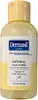 Key Ingredients
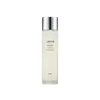
Benefits
Concerns
Ingredients Side-by-side
Water
Skin ConditioningGlycerin
Humectant


Butylene Glycol
Humectant
PPG-15 Stearyl Ether
EmollientC12-15 Alkyl Benzoate
AntimicrobialColloidal Oatmeal
Absorbent

Tremella Fuciformis Extract
Humectant
Polysorbate 60
Emulsifying

Trehalose
Humectant
Polyglyceryl-10 Oleate
Skin Conditioning
Polyglyceryl-3 Oleate
Emulsifying
Phenoxyethanol
Preservative
Hydroxyethylcellulose
Emulsion StabilisingSodium PCA
Humectant
Hydroxyacetophenone
Antioxidant
Jojoba Wax PEG-120 Esters
Surfactant
Xanthan Gum
EmulsifyingCaprylyl Glycol
Emollient
Water, Glycerin, Butylene Glycol, PPG-15 Stearyl Ether, C12-15 Alkyl Benzoate, Colloidal Oatmeal, Tremella Fuciformis Extract, Polysorbate 60, Trehalose, Polyglyceryl-10 Oleate, Polyglyceryl-3 Oleate, Phenoxyethanol, Hydroxyethylcellulose, Sodium PCA, Hydroxyacetophenone, Jojoba Wax PEG-120 Esters, Xanthan Gum, Caprylyl Glycol
Water
Skin ConditioningGlycerin
Humectant
Butylene Glycol
Humectant
Niacinamide
Smoothing






Anthemis Nobilis Flower Extract
Masking
Styrene/Vp Copolymer
1,2-Hexanediol
Skin Conditioning
Caprylyl Glycol
Emollient
Oryza Sativa Bran Extract
Skin Conditioning
Glycyrrhiza Glabra Root Extract
Bleaching
Camellia Sinensis Leaf Extract
Antimicrobial
Rosmarinus Officinalis Leaf Extract
AntimicrobialCentella Asiatica Extract
Cleansing
Chamomilla Recutita Flower Extract
Masking
Hamamelis Virginiana Extract
Antiseborrhoeic


Polygonum Cuspidatum Root Extract
Antioxidant
Scutellaria Baicalensis Root Extract
Astringent
Betaine
Humectant
Panthenol
Skin Conditioning
Allantoin
Skin Conditioning
Sodium PCA
Humectant
Adenosine
Skin Conditioning
Disodium EDTA
Sodium Hyaluronate
Humectant
Carbomer
Emulsion StabilisingArginine
Masking
Illicium Verum Fruit Extract
Perfuming
Alchemilla Vulgaris Extract
AstringentAmaranthus Caudatus Extract
Skin ConditioningOlea Europaea Leaf Extract
Perfuming
Veronica Officinalis Extract
Skin ConditioningMentha Piperita Leaf Extract
Skin ConditioningUlmus Davidiana Root Extract
Skin Conditioning
Cynara Scolymus Leaf Extract
Skin ConditioningAvena Sativa Kernel Extract
Abrasive
Sambucus Nigra Flower Extract
RefreshingBeta-Glucan
Skin Conditioning
Ceramide NP
Skin Conditioning
Chamaecyparis Obtusa Leaf Extract
Skin ConditioningLaminaria Japonica Extract
Skin Protecting
Copper Tripeptide-1
Skin Conditioning
Acetyl Hexapeptide-8
Humectant
Water, Glycerin, Butylene Glycol, Niacinamide, Anthemis Nobilis Flower Extract, Styrene/Vp Copolymer, 1,2-Hexanediol, Caprylyl Glycol, Oryza Sativa Bran Extract, Glycyrrhiza Glabra Root Extract, Camellia Sinensis Leaf Extract, Rosmarinus Officinalis Leaf Extract, Centella Asiatica Extract, Chamomilla Recutita Flower Extract, Hamamelis Virginiana Extract, Polygonum Cuspidatum Root Extract, Scutellaria Baicalensis Root Extract, Betaine, Panthenol, Allantoin, Sodium PCA, Adenosine, Disodium EDTA, Sodium Hyaluronate, Carbomer, Arginine, Illicium Verum Fruit Extract, Alchemilla Vulgaris Extract, Amaranthus Caudatus Extract, Olea Europaea Leaf Extract, Veronica Officinalis Extract, Mentha Piperita Leaf Extract, Ulmus Davidiana Root Extract, Cynara Scolymus Leaf Extract, Avena Sativa Kernel Extract, Sambucus Nigra Flower Extract, Beta-Glucan, Ceramide NP, Chamaecyparis Obtusa Leaf Extract, Laminaria Japonica Extract, Copper Tripeptide-1, Acetyl Hexapeptide-8
Reviews
Ingredients Explained
These ingredients are found in both products.
Ingredients higher up in an ingredient list are typically present in a larger amount.
Butylene Glycol (or BG) is used within cosmetic products for a few different reasons:
Overall, Butylene Glycol is a safe and well-rounded ingredient that works well with other ingredients.
Though this ingredient works well with most skin types, some people with sensitive skin may experience a reaction such as allergic rashes, closed comedones, or itchiness.
Learn more about Butylene GlycolCaprylyl Glycol is a humectant, skin conditioner, emollient, and preservative booster derived from either caprylic acid or synthetically created.
Typical use levels vary from 0.3-1% as a preservative booster and go up to 2% to condition skin.
Because it is not a free-fatty acid, this ingredient is fungal acne safe (there's nothing for Malassezia to feed on).
Learn more about Caprylyl GlycolGlycerin (or glycerol) is a compound naturally found in your skin. It's a powerhouse humectant that pulls water into the stratum corneum.
Topically, glycerin does several things at once:
Your skin makes glycerin on its own (mostly from sebaceous oil breakdown) and shuttles it to your outermost layer of skin, or your epidermis, via aquaporin-3.
Aquaporin-3 is a transporter that is essential for normal skin hydration, elasticity, and repair. Interestingly, mice lacking in AQP3 have dry and less elastic skin that can be fully corrected with glycerin.
This ingredient is non-irritating, plays well with almost every ingredient, and works across all skin types. Typical use is anywhere between 3-10% but can go up to 79% in some leave-on products.
Just know very high concentrations (>40%) can feel tacky in low humidity.
Glycerin is the name for this ingredient in American English. British English uses Glycerol/Glycerine.
Learn more about GlycerinSodium PCA (the salt of PCA) is one of the most well-established humectants in skincare.
Why is it so special? Your skin already makes it naturally; it's a natural component of your skin's Natural Moisturizing Factor (NMF), or the mix of water-binding compounds inside your skin cells that keeps things soft and hydrated.
As a cosmetic ingredient, it grabs water and holds it in the upper layers of skin to smooth roughness and ease dehydration.
There's some clinical support for the NMF approach with a study showing that a cream built to mimic the skin's NMF significantly boosted hydration.
Safety-wise, this ingredient non-irritating, non-comedogenic, and non-phototoxic in testing, with minimal skin absorption.
It also works really well with other hydrators like glycerin or hyaluronic acid, and typical usage is somewhere between 0.2-4%.
Learn more about Sodium PCAWater. It's the most common cosmetic ingredient of all. You'll usually see it at the top of ingredient lists, meaning that it makes up the largest part of the product.
So why is it so popular? Water most often acts as a solvent - this means that it helps dissolve other ingredients into the formulation.
You'll also recognize water as that liquid we all need to stay alive. If you see this, drink a glass of water. Remember to stay hydrated!
Learn more about Water

