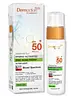
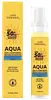
Dermaction Plus by Watsons Advanced Sun Zinc Acne-Prone Ultralight Gel SPF 50+ Versus Luxe Organix Aqua Daily Sunscreen SPF 50+ PA+++
This hybrid sunscreen covers the full UV range and blocks ~98% of UVB at SPF 50.
This chemical sunscreen covers most of the UV range, lighter on the deep UVA that drives aging.


What's inside
What's inside
 Key Ingredients
Benefits
Concerns
Ingredients Side-by-side
Water
Skin ConditioningDibutyl Adipate
EmollientAlcohol Denat.
Antimicrobial




Ethylhexyl Salicylate
UV Absorber

Diethylamino Hydroxybenzoyl Hexyl Benzoate
UV Filter
Butylene Glycol
Humectant

Dimethicone
Emollient

Ethylhexyl Triazone
UV Absorber
Phenylbenzimidazole Sulfonic Acid
UV Absorber
Triethanolamine
BufferingBis-Ethylhexyloxyphenol Methoxyphenyl Triazine
UV Absorber
Polyester-7
Skin ConditioningPolymethylsilsesquioxane
Neopentyl Glycol Diheptanoate
EmollientPotassium Cetyl Phosphate
EmulsifyingSaccharide Isomerate
Humectant
Phenoxyethanol
Preservative
Ammonium Acryloyldimethyltaurate/Vp Copolymer
Silica Dimethyl Silylate
EmollientAcrylates/C10-30 Alkyl Acrylate Crosspolymer
Emulsion StabilisingChlorphenesin
Antimicrobial
Xanthan Gum
EmulsifyingPotassium Hydroxide
BufferingTocopheryl Acetate
Antioxidant


Zinc PCA
Humectant



Cocamidopropyl Dimethylamine
Emulsifying
Disodium EDTA
ChelatingSalicylic Acid
Masking

Titanium Dioxide
Cosmetic Colorant
Citric Acid
Buffering
Sodium Citrate
BufferingPolysorbate 80
Emulsifying
Aluminum Hydroxide
EmollientStearic Acid
Cleansing
Ethylhexylglycerin
Skin ConditioningAnthemis Nobilis Flower Extract
Masking

Ascorbic Acid
Antioxidant


Beeswax
Emulsion Stabilising
Benzalkonium Chloride
Antimicrobial
Butyrospermum Parkii Butter
Skin Conditioning
Camellia Sinensis Leaf Extract
Antimicrobial
Fucus Vesiculosus Extract
Emollient
Glycerin
Humectant
Isomerized Safflower Acid
Skin ConditioningKaolin
Abrasive
Maltodextrin
Absorbent
Melanin
Skin ProtectingPalmitic Acid
Emollient
Palmitoyl Tripeptide-5
Skin Conditioning
Silica
Abrasive
Zinc Sulfate
Antimicrobial
Pentylene Glycol
Skin Conditioning
Water, Dibutyl Adipate, Alcohol Denat., Ethylhexyl Salicylate, Diethylamino Hydroxybenzoyl Hexyl Benzoate, Butylene Glycol, Dimethicone, Ethylhexyl Triazone, Phenylbenzimidazole Sulfonic Acid, Triethanolamine, Bis-Ethylhexyloxyphenol Methoxyphenyl Triazine, Polyester-7, Polymethylsilsesquioxane, Neopentyl Glycol Diheptanoate, Potassium Cetyl Phosphate, Saccharide Isomerate, Phenoxyethanol, Ammonium Acryloyldimethyltaurate/Vp Copolymer, Silica Dimethyl Silylate, Acrylates/C10-30 Alkyl Acrylate Crosspolymer, Chlorphenesin, Xanthan Gum, Potassium Hydroxide, Tocopheryl Acetate, Zinc PCA, Cocamidopropyl Dimethylamine, Disodium EDTA, Salicylic Acid, Titanium Dioxide, Citric Acid, Sodium Citrate, Polysorbate 80, Aluminum Hydroxide, Stearic Acid, Ethylhexylglycerin, Anthemis Nobilis Flower Extract, Ascorbic Acid, Beeswax, Benzalkonium Chloride, Butyrospermum Parkii Butter, Camellia Sinensis Leaf Extract, Fucus Vesiculosus Extract, Glycerin, Isomerized Safflower Acid, Kaolin, Maltodextrin, Melanin, Palmitic Acid, Palmitoyl Tripeptide-5, Silica, Zinc Sulfate, Pentylene Glycol
Ethylhexyl Methoxycinnamate
UV Absorber
Diethylamino Hydroxybenzoyl Hexyl Benzoate
UV Filter
Water
Skin ConditioningButylene Glycol
Humectant
Polymethylsilsesquioxane
Dicaprylyl Carbonate
EmollientStearalkonium Hectorite
Gel FormingPropylene Carbonate
SolventSclerotium Gum
Emulsion StabilisingSodium Polyacrylate
Absorbent
Aloe Barbadensis Leaf Juice Powder
Skin Conditioning
Glycerin
Humectant
Panthenol
Skin Conditioning
Escin
TonicRuscus Aculeatus Root Extract
Astringent
Ammonium Glycyrrhizate
MaskingCentella Asiatica Extract
Cleansing
Hydrolyzed Yeast Protein
Skin ConditioningCalendula Officinalis Flower Extract
Masking
Parfum
Masking
Phenoxyethanol
Preservative
Chlorphenesin
Antimicrobial
Ethylhexyl Methoxycinnamate, Diethylamino Hydroxybenzoyl Hexyl Benzoate, Water, Butylene Glycol, Polymethylsilsesquioxane, Dicaprylyl Carbonate, Stearalkonium Hectorite, Propylene Carbonate, Sclerotium Gum, Sodium Polyacrylate, Aloe Barbadensis Leaf Juice Powder, Glycerin, Panthenol, Escin, Ruscus Aculeatus Root Extract, Ammonium Glycyrrhizate, Centella Asiatica Extract, Hydrolyzed Yeast Protein, Calendula Officinalis Flower Extract, Parfum, Phenoxyethanol, Chlorphenesin
Reviews
Ingredients Explained
These ingredients are found in both products.
Ingredients higher up in an ingredient list are typically present in a larger amount.
Butylene Glycol (or BG) is used within cosmetic products for a few different reasons:
Overall, Butylene Glycol is a safe and well-rounded ingredient that works well with other ingredients.
Though this ingredient works well with most skin types, some people with sensitive skin may experience a reaction such as allergic rashes, closed comedones, or itchiness.
Learn more about Butylene GlycolChlorphenesin is a synthetic preservative. It helps protect a product against bacteria in order to extend shelf life. In most cases, Chlorphenesin is paired with other preservatives such as phenoxyethanol and caprylyl glycol.
Chlorphenesin is a biocide. This means it is able to help fight the microorganisms on our skin. It is also able to fight odor-releasing bacteria.
Chlorphenesin is soluble in both water and glycerin.
Studies show Chlorphenesin is easily absorbed by our skin. You should speak with a skincare professional if you have concerns about using Chlorphenesin.
Learn more about ChlorphenesinDiethylamino Hydroxybenzoyl Hexyl Benzoate (DHHB) is a chemical UV-A absorber. It is formulated for high UVA protection (320-400 nm).
DHHB is well-liked for:
DHHB has been approved by the EU, Japan, Taiwan, and South America for use up to 10%. Unfortunately, it has not been approved for use in the US or Canada due to slow regulatory processes.
This ingredient is soluble in oils, fats, and lipids.
Learn more about Diethylamino Hydroxybenzoyl Hexyl BenzoateGlycerin (or glycerol) is a compound naturally found in your skin. It's a powerhouse humectant that pulls water into the stratum corneum.
Topically, glycerin does several things at once:
Your skin makes glycerin on its own (mostly from sebaceous oil breakdown) and shuttles it to your outermost layer of skin, or your epidermis, via aquaporin-3.
Aquaporin-3 is a transporter that is essential for normal skin hydration, elasticity, and repair. Interestingly, mice lacking in AQP3 have dry and less elastic skin that can be fully corrected with glycerin.
This ingredient is non-irritating, plays well with almost every ingredient, and works across all skin types. Typical use is anywhere between 3-10% but can go up to 79% in some leave-on products.
Just know very high concentrations (>40%) can feel tacky in low humidity.
Glycerin is the name for this ingredient in American English. British English uses Glycerol/Glycerine.
Learn more about GlycerinPhenoxyethanol is one of the most widely used preservatives in skincare (and for good reason!).
It has a large spectrum of antimicrobial activity and especially effective bacteria, yeast, and mold while only having a weak effect on your skin's natural microbiome.
On a cellular level, it disrupts the cell membranes of microbes by poking holes that make the cell leak. This shuts down the chemical reactions the microbe needs to make energy so it can no longer survive.
Another perk of this ingredient is that it stays functional across a wide pH range (3-10).
You'll often see it paired with boosters like Ethylhexylglycerin; one study showed that a 1:9 ratio of Ethylhexylglycerin to Phenoxyethanol damages bacterial membranes as effectively as doubling the Phenoxyethanol concentration on its own.
Typical use concentrations range from 0.3-1% depending on the formula, and this ingredient is capped at 1% int the EU.
Safety-wise, the fear mongering does not hold up to the evidence. The EU's Scientific Committee on Consumer Safety and FDA consider it safe as a preservative at up to 1%, including for children of all ages.
Adverse systemic effects only showed up in animal studies at exposures roughly 200x higher than what people get from cosmetics. And despite its very widespread use, this ingredient is a rare sensitizer and allergic reactions are uncommon.
Learn more about PhenoxyethanolPolymethylsilsesquioxane is a silicone used as a film forming agent.
When applied to the skin, this ingredient creates an invisible film on the surface. This film still allows oxygen to pass through, but prevents moisture from escaping. This can help condition and hydrate the skin. It also leaves a silky feel when applied.
Polymethylsilsesquioxane has not been shown to clog pores. It has been deemed safe to use up to 55%, but most cosmetics use much less.
If you have concerns about using this ingredient, we recommend speaking with a professional.
Learn more about PolymethylsilsesquioxaneWater. It's the most common cosmetic ingredient of all. You'll usually see it at the top of ingredient lists, meaning that it makes up the largest part of the product.
So why is it so popular? Water most often acts as a solvent - this means that it helps dissolve other ingredients into the formulation.
You'll also recognize water as that liquid we all need to stay alive. If you see this, drink a glass of water. Remember to stay hydrated!
Learn more about Water

