
What's inside
What's inside
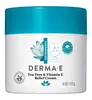 Key Ingredients
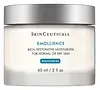
Benefits
Concerns
Ingredients Side-by-side
Water
Skin ConditioningCarthamus Tinctorius Seed Oil
Masking


Melaleuca Alternifolia Leaf Oil
Antioxidant





Stearic Acid
Cleansing
Cetyl Alcohol
Emollient

Glyceryl Stearate Se
Emulsifying
Tocopheryl Acetate
Antioxidant

Glyceryl Stearate
Emollient
Polysorbate 60
Emulsifying
Glycerin
Humectant

Allantoin
Skin Conditioning

Panthenol
Skin Conditioning
Prunus Amygdalus Dulcis Oil
Skin Conditioning
Sesamum Indicum Seed Oil
Emollient
Persea Gratissima Oil
Skin Conditioning
Equisetum Arvense Extract
AstringentChamomilla Recutita Flower Extract
Masking
Aloe Barbadensis Leaf Extract
Emollient
Glyceryl Stearate Citrate
Emollient
Cetearyl Glucoside
Emulsifying
Polysorbate 20
Emulsifying
Xanthan Gum
EmulsifyingPhenoxyethanol
Preservative
Ethylhexylglycerin
Skin ConditioningWater, Carthamus Tinctorius Seed Oil, Melaleuca Alternifolia Leaf Oil, Stearic Acid, Cetyl Alcohol, Glyceryl Stearate Se, Tocopheryl Acetate, Glyceryl Stearate, Polysorbate 60, Glycerin, Allantoin, Panthenol, Prunus Amygdalus Dulcis Oil, Sesamum Indicum Seed Oil, Persea Gratissima Oil, Equisetum Arvense Extract, Chamomilla Recutita Flower Extract, Aloe Barbadensis Leaf Extract, Glyceryl Stearate Citrate, Cetearyl Glucoside, Polysorbate 20, Xanthan Gum, Phenoxyethanol, Ethylhexylglycerin
Water
Skin ConditioningGlycerin
Humectant
Sesamum Indicum Seed Oil
Emollient
Propylene Glycol
Humectant
Glyceryl Stearate
Emollient
Vitis Vinifera Seed Oil
Emollient
Rosa Canina Fruit Oil
Emollient
Macadamia Ternifolia Seed Oil
Emollient
Mangifera Indica Seed Butter
Skin Conditioning
Stearic Acid
Cleansing
Palmitic Acid
Emollient
Triethanolamine
BufferingCaprylic/Capric Glycerides
EmollientPhenoxyethanol
Preservative
Panthenol
Skin Conditioning
Carbomer
Emulsion StabilisingChlorphenesin
Antimicrobial
Caprylyl Glycol
Emollient
Aloe Barbadensis Leaf Extract
Emollient
Aloe Barbadensis Leaf Juice
Skin Conditioning
Disodium EDTA
Allantoin
Skin Conditioning
Laminaria Ochroleuca Extract
Skin Conditioning
Ginkgo Biloba Leaf Extract
Skin Conditioning
Chlorella Vulgaris Extract
Skin ConditioningAlgae Extract
EmollientPrunus Cerasus Fruit Extract
Antioxidant
Prunus Cerasus Extract
Antioxidant
Fagus Sylvatica Bud Extract
TonicLavandula Angustifolia Oil
Masking

Rosmarinus Officinalis Leaf Oil
Masking
Prunus Armeniaca Kernel Oil
Masking
Mentha Piperita Oil
Masking
Linalool
Perfuming
Mentha Piperita Extract
CleansingChamomilla Recutita Extract
Skin Conditioning
Water, Glycerin, Sesamum Indicum Seed Oil, Propylene Glycol, Glyceryl Stearate, Vitis Vinifera Seed Oil, Rosa Canina Fruit Oil, Macadamia Ternifolia Seed Oil, Mangifera Indica Seed Butter, Stearic Acid, Palmitic Acid, Triethanolamine, Caprylic/Capric Glycerides, Phenoxyethanol, Panthenol, Carbomer, Chlorphenesin, Caprylyl Glycol, Aloe Barbadensis Leaf Extract, Aloe Barbadensis Leaf Juice, Disodium EDTA, Allantoin, Laminaria Ochroleuca Extract, Ginkgo Biloba Leaf Extract, Chlorella Vulgaris Extract, Algae Extract, Prunus Cerasus Fruit Extract, Prunus Cerasus Extract, Fagus Sylvatica Bud Extract, Lavandula Angustifolia Oil, Rosmarinus Officinalis Leaf Oil, Prunus Armeniaca Kernel Oil, Mentha Piperita Oil, Linalool, Mentha Piperita Extract, Chamomilla Recutita Extract
Ingredients Explained
These ingredients are found in both products.
Ingredients higher up in an ingredient list are typically present in a larger amount.
Allantoin is a soothing ingredient known for its protective and moisturizing properties; it's basically a quiet workhorse ingredient you can find in a huge range of cosmetics.
Though it can be derived from the comfrey plant, allantoin is produced synthetically for cosmetic products to ensure purity.
Research shows it can encourage your skin cells to turn over and renew by stimulating keratinocyte and fibroblast proliferation.
It also has mild keratolytic properties to help loosen and shed dead skin cells without being harsh.
Studies also suggest allantoin can help calm inflammation by dialing down some of the chemical signals your skin sends out when it is irritated.
This ingredient is typically used in the 0.1-0.5% range, and the FDA recognizes it as a skin protectant in OTC products up to 2%.
Overall, allantoin is a wonderful addition to most routines; it is stable across a wide pH range (~4-8), works well with other ingredients, and is considered non-sensitizing/non-irritating.
Fun fact: Allantoin is naturally occurring in comfrey root, beets, chamomile, and wheat sprouts. Our bodies even produce it as a byproduct of uric acid metabolism.
Learn more about AllantoinAloe Barbadensis Leaf Extract is an extract of the leaves of the aloe, Aloe barbadensis, Liliaceae.
Aloe is one of the most well-known natural soothing ingredients, and for good reason. It’s full of water and has a cooling, calming effect on the skin, especially when it’s sunburned, itchy, or irritated. Aloe also helps your skin stay hydrated and smooth by mimicking what healthy skin naturally produces. On top of that, it contains vitamins and nutrients that support skin recovery.
It doesn’t protect you from the sun, but it can help your skin bounce back after too much time in it.
Let’s get into the details:
Aloe contains antioxidant Vitamins A, C, and E, which help fight off free radicals (unstable molecules from things like pollution that can damage your skin).
It’s also rich in polysaccharides, which are natural sugars that help hydrate the skin by acting like the skin’s own moisturizing agents. These, along with other sugars like monosaccharides, help form a protective barrier that locks in moisture.
Aloe works as both a humectant and an emollient. That means it draws water into the skin (humectant) and helps trap it there (emollient), making it an effective natural moisturizer.
You’ll also find a mix of other skin-supporting ingredients in aloe, including folic acid, choline, calcium, amino acids, fatty acids, and even Vitamin B12.
Out of the 420+ species of aloe, Aloe barbadensis is the most widely used in skincare products thanks to its gentle yet effective properties.
There are over 420 species of aloe but Aloe Barbadensis is the most commonly used for topical products.
Learn more about Aloe Barbadensis Leaf ExtractGlycerin (or glycerol) is a compound naturally found in your skin. It's a powerhouse humectant that pulls water into the stratum corneum.
Topically, glycerin does several things at once:
Your skin makes glycerin on its own (mostly from sebaceous oil breakdown) and shuttles it to your outermost layer of skin, or your epidermis, via aquaporin-3.
Aquaporin-3 is a transporter that is essential for normal skin hydration, elasticity, and repair. Interestingly, mice lacking in AQP3 have dry and less elastic skin that can be fully corrected with glycerin.
This ingredient is non-irritating, plays well with almost every ingredient, and works across all skin types. Typical use is anywhere between 3-10% but can go up to 79% in some leave-on products.
Just know very high concentrations (>40%) can feel tacky in low humidity.
Glycerin is the name for this ingredient in American English. British English uses Glycerol/Glycerine.
Learn more about GlycerinGlyceryl Stearate is made by reacting glycerin with stearic acid (typically sourced from plant oils like palm or coconut). It's an emulsifier, emollient, and mild occlusive.
Emulsifiers help ingredients like oil and water stay mixed so your formula stays nicely blended and uniform in texture.
This ingredient is typically used in concentrations between 1-10%. Studies have found it to be non-sensitizing, non-phototoxic, and non-photoallergenic.
A close cousin of this ingredient is Glyceryl Stearate SE ("self-emulsifying"). This just has a small amount of sodium or potassium stearate added so it can emulsify without a co-emulsifier.
Since this ingredient is an ester of a C18 fatty acid, it may not be fungal acne safe. The Malassezia yeast can potentially metabolize within the C11-C24 range.
Fun fact: The human body also creates Glyceryl Stearate naturally.
Learn more about Glyceryl StearatePanthenol is a common ingredient that helps hydrate and soothe the skin. It is found naturally in our skin and hair.
There are two forms of panthenol: D and L.
D-panthenol is also known as dexpanthenol. Most cosmetics use dexpanthenol or a mixture of D and L-panthenol.
Panthenol is famous due to its ability to go deeper into the skin's layers. Using this ingredient has numerous pros (and no cons):
Like hyaluronic acid, panthenol is a humectant. Humectants are able to bind and hold large amounts of water to keep skin hydrated.
This ingredient works well for wound healing. It works by increasing tissue in the wound and helps close open wounds.
Once oxidized, panthenol converts to pantothenic acid. Panthothenic acid is found in all living cells.
This ingredient is also referred to as pro-vitamin B5.
Learn more about PanthenolPhenoxyethanol is a preservative that has germicide, antimicrobial, and aromatic properties. Studies show that phenoxyethanol can prevent microbial growth. By itself, it has a scent that is similar to that of a rose.
It's often used in formulations along with Caprylyl Glycol to preserve the shelf life of products.
Sesamum Indicum Seed Oil is the cold-pressed oil from sesame seeds.
It is an emollient and skin conditioning agent made up of roughly 82-85% unsaturated fatty acids, mostly linoleic (~41%) and oleic acid (~39%).
This pairing gives it barrier-supporting and moisturizing properties. Linoleic acid, an essential omega-6 fatty acid, can be incorporated into complex skin lipids. Topical application has shown barrier repair, anti-inflammatory, and wound-healing effects in cell and animal studies.
Beyond fatty acids, sesame oil brings something more distinctive to the table:
It contains natural antioxidants sesamol, sesamolin, and gamma-tocopherol. These also give the oil notably high oxidative stability.
One of the oil's key lignans, sesamin, has also demonstrated anti-inflammatory activity in preclinical models.
A 2023 clinical study found that a single application of sesame seed oil to the forearms of 35 healthy women improved stratum corneum hydration (though it didn't outperform raspberry seed oil).
The comedogenic rating of 1-3 depends on the type of sesame oil; unrefined carries a rating of 3 while refined sesame oil drops to a 1.
This ingredient may not be safe for fungal acne as it contains fatty acids that can feed Malassezia.
Learn more about Sesamum Indicum Seed OilStearic Acid is a fatty acid that is already found in your skin. It's one of the free fatty acids that works alongside ceramides and cholesterols to maintain your barrier.
In cosmetics, it is a multitasker:
Safety-wise, the CIR Expert Panel has concluded it to be safe in cosmetics when formulated to be non-irritating and non-sensitizing.
Free stearic acid is a C18 fatty acid that the Malassezia yeast can substrate, so this ingredient may not be fungal acne safe.
Learn more about Stearic AcidWater. It's the most common cosmetic ingredient of all. You'll usually see it at the top of ingredient lists, meaning that it makes up the largest part of the product.
So why is it so popular? Water most often acts as a solvent - this means that it helps dissolve other ingredients into the formulation.
You'll also recognize water as that liquid we all need to stay alive. If you see this, drink a glass of water. Remember to stay hydrated!
Learn more about Water
