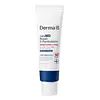
This barrier-repair moisturizer is formulated around Panthenol and Ceramide NP to strengthen the skin barrier and calm redness.
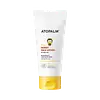
This barrier-repair moisturizer is formulated around Honey Extract and Saccharide Isomerate to strengthen the skin barrier and hydrate skin.

What's inside
What's inside
 Key Ingredients
Benefits
Concerns
Ingredients Side-by-side
Water
Skin ConditioningPanthenol 10%
Skin Conditioning




Glycerin
Humectant
Hydrogenated Vegetable Oil
Emollient




Propanediol
Solvent
Cetearyl Alcohol
Emollient


Cocoglycerides
Emollient
Butyrospermum Parkii Butter
Skin Conditioning
Polyglyceryl-10 Distearate
Emulsifying
Sorbitan Stearate
Emulsifying
Glyceryl Stearate
Emollient
Squalane
Emollient
1,2-Hexanediol
Skin Conditioning
Vitis Vinifera Seed Oil
Emollient
Dimethicone
Emollient
Caprylyl Methicone
Skin Conditioning
Palmitic Acid
Emollient
Tocopheryl Acetate
Antioxidant


Phytosterols
Skin Conditioning
Stearic Acid
Cleansing
Caprylyl Glycol
Emollient
Myristoyl/Palmitoyl Oxostearamide/Arachamide Mea
Skin ConditioningEuphorbia Cerifera Wax
Zinc Gluconate
Skin Conditioning



Allantoin
Skin Conditioning
Xanthan Gum
EmulsifyingDisodium EDTA
ChelatingPhenethyl Alcohol
MaskingMadecassoside
Antioxidant
Butylene Glycol
Humectant
Hydrogenated Lecithin
Emulsifying
Olea Europaea Fruit Oil
Masking
Ceramide NP
Skin Conditioning
Glycolipids
Skin ConditioningCandida Bombicola/Glucose/Methyl Rapeseedate Ferment
AntimicrobialWater, Panthenol 10%, Glycerin, Hydrogenated Vegetable Oil, Propanediol, Cetearyl Alcohol, Cocoglycerides, Butyrospermum Parkii Butter, Polyglyceryl-10 Distearate, Sorbitan Stearate, Glyceryl Stearate, Squalane, 1,2-Hexanediol, Vitis Vinifera Seed Oil, Dimethicone, Caprylyl Methicone, Palmitic Acid, Tocopheryl Acetate, Phytosterols, Stearic Acid, Caprylyl Glycol, Myristoyl/Palmitoyl Oxostearamide/Arachamide Mea, Euphorbia Cerifera Wax, Zinc Gluconate, Allantoin, Xanthan Gum, Disodium EDTA, Phenethyl Alcohol, Madecassoside, Butylene Glycol, Hydrogenated Lecithin, Olea Europaea Fruit Oil, Ceramide NP, Glycolipids, Candida Bombicola/Glucose/Methyl Rapeseedate Ferment
Water
Skin ConditioningCetyl Ethylhexanoate
EmollientGlycerin
Humectant
Propanediol
Solvent
Myristoyl/Palmitoyl Oxostearamide/Arachamide Mea
Skin Conditioning1,2-Hexanediol
Skin Conditioning
Sorbitan Stearate
Emulsifying
Cetearyl Alcohol
Emollient
Glyceryl Stearate
Emollient
Honey Extract
Humectant
Saccharide Isomerate
Humectant
Chamomilla Recutita Flower Extract
Masking
Brassica Oleracea Italica Extract
AstringentMedicago Sativa Extract
TonicBrassica Oleracea Capitata Leaf Extract
Skin ConditioningTriticum Vulgare Germ Extract
Skin ConditioningSorghum Bicolor Leaf/Stem Extract
Skin ConditioningAspergillus Ferment
Skin ConditioningBrassica Napus Extract
Skin ConditioningRaphanus Sativus Seed Extract
Skin ConditioningPolyglyceryl-10 Distearate
Emulsifying
Helianthus Annuus Seed Oil
Emollient
Panthenol
Skin Conditioning
Tocopherol
Antioxidant
Phytosterols
Skin Conditioning
Caprylyl Glycol
Emollient
Olea Europaea Fruit Oil
Masking
Hydrogenated Vegetable Oil
Emollient
Arginine
Masking
Carbomer
Emulsion StabilisingStearic Acid
Cleansing
Xanthan Gum
EmulsifyingSodium Phytate
ChelatingBeta-Glucan
Skin Conditioning
Butylene Glycol
Humectant
Parfum
Masking

Water, Cetyl Ethylhexanoate, Glycerin, Propanediol, Myristoyl/Palmitoyl Oxostearamide/Arachamide Mea, 1,2-Hexanediol, Sorbitan Stearate, Cetearyl Alcohol, Glyceryl Stearate, Honey Extract, Saccharide Isomerate, Chamomilla Recutita Flower Extract, Brassica Oleracea Italica Extract, Medicago Sativa Extract, Brassica Oleracea Capitata Leaf Extract, Triticum Vulgare Germ Extract, Sorghum Bicolor Leaf/Stem Extract, Aspergillus Ferment, Brassica Napus Extract, Raphanus Sativus Seed Extract, Polyglyceryl-10 Distearate, Helianthus Annuus Seed Oil, Panthenol, Tocopherol, Phytosterols, Caprylyl Glycol, Olea Europaea Fruit Oil, Hydrogenated Vegetable Oil, Arginine, Carbomer, Stearic Acid, Xanthan Gum, Sodium Phytate, Beta-Glucan, Butylene Glycol, Parfum
Ingredients Explained
These ingredients are found in both products.
Ingredients higher up in an ingredient list are typically present in a larger amount.
1,2-Hexanediol is a synthetic liquid and another multi-functional powerhouse.
It is a:
- Humectant, drawing moisture into the skin
- Emollient, helping to soften skin
- Solvent, dispersing and stabilizing formulas
- Preservative booster, enhancing the antimicrobial activity of other preservatives
Butylene Glycol (or BG) is used within cosmetic products for a few different reasons:
Overall, Butylene Glycol is a safe and well-rounded ingredient that works well with other ingredients.
Though this ingredient works well with most skin types, some people with sensitive skin may experience a reaction such as allergic rashes, closed comedones, or itchiness.
Learn more about Butylene GlycolCaprylyl Glycol is a humectant, skin conditioner, emollient, and preservative booster derived from either caprylic acid or synthetically created.
Typical use levels vary from 0.3-1% as a preservative booster and go up to 2% to condition skin.
Because it is not a free-fatty acid, this ingredient is fungal acne safe (there's nothing for Malassezia to feed on).
Learn more about Caprylyl GlycolCetearyl alcohol is a waxy mixture of two fatty alcohols: cetyl alcohol and stearyl alcohol. It is an emollient and emulsifier.
Despite having "alcohol" in its name, it has nothing to do with drying solvent alcohols; the FDA also allows "alcohol-free" products to contain fatty alcohols like this ingredient.
It plays several roles in a formula:
Typical use levels for this ingredient sit around 1-10% and the Cosmetic Ingredient Review Expert Panel has affirmed safety at concentrations up to 25% in leave-on products.
Multiple assessments have found it to be non-irritating and non-sensitizing to most people.
However, there have been some cases of allergic contact dermatitis in patients with chronically compromised skin barriers.
Cetearyl alcohol has a comedogenic rating of 2 and irritancy rating of 1. Both of these numbers come from the 1989 study that used rabbit ears; a "2" means mildly comedogenic and a "1" means low irritancy.
Here's the catch: rabbit skin is more sensitive than human skin and throws a lot of false positives. A 1996 reappraisal found that ingredients rated 1-2 in the rabbit ear tests are generally safe for humans.
Remember comedogenic ratings are unable to assess the entire formula of a product or how it will react on your skin. Just be sure to patch test if you are unsure about certain ingredients.
This ingredient is not fungal acne safe. Cetearyl alcohol is a fatty alcohol with chain lengths that fall within the range that Malassezia can metabolize.
A 2019 study has also observed Malassezia growth in the presence of this ingredient, confirming it to be not-fungal acne safe.
Learn more about Cetearyl AlcoholGlycerin (or glycerol) is a compound naturally found in your skin. It's a powerhouse humectant that pulls water into the stratum corneum.
Topically, glycerin does several things at once:
Your skin makes glycerin on its own (mostly from sebaceous oil breakdown) and shuttles it to your outermost layer of skin, or your epidermis, via aquaporin-3.
Aquaporin-3 is a transporter that is essential for normal skin hydration, elasticity, and repair. Interestingly, mice lacking in AQP3 have dry and less elastic skin that can be fully corrected with glycerin.
This ingredient is non-irritating, plays well with almost every ingredient, and works across all skin types. Typical use is anywhere between 3-10% but can go up to 79% in some leave-on products.
Just know very high concentrations (>40%) can feel tacky in low humidity.
Glycerin is the name for this ingredient in American English. British English uses Glycerol/Glycerine.
Learn more about GlycerinGlyceryl Stearate is made by reacting glycerin with stearic acid (typically sourced from plant oils like palm or coconut). It's an emulsifier, emollient, and mild occlusive.
Emulsifiers help ingredients like oil and water stay mixed so your formula stays nicely blended and uniform in texture.
This ingredient is typically used in concentrations between 1-10%. Studies have found it to be non-sensitizing, non-phototoxic, and non-photoallergenic.
A close cousin of this ingredient is Glyceryl Stearate SE ("self-emulsifying"). This just has a small amount of sodium or potassium stearate added so it can emulsify without a co-emulsifier.
Since this ingredient is an ester of a C18 fatty acid, it may not be fungal acne safe. The Malassezia yeast can potentially metabolize within the C11-C24 range.
Fun fact: The human body also creates Glyceryl Stearate naturally.
Learn more about Glyceryl StearateHydrogenated Vegetable Oil isn't a single oil. It's the labeling name for a blend of plant-derived oils that can include canola, rapeseed, safflower, sunflower, sesame, palm, palm kernel, cotton, soybean, olive, and more.
Hydrogenation is the processing step that reduces or removes the unsaturated bonds in the fatty acids to make the oil more resistant to oxidative and thermal damage.
In cosmetics, it acts as a skin conditioner, occlusive, and emollient that give products a rich body.
Concentrations are reported from 0.0004% to 60% with leave-on products going as high as 60% and rinse-off products staying at 8% or below.
The Cosmetic Ingredient Review has concluded this ingredient to be safe as used in cosmetics.
This ingredient does have a comedogenic rating of 3, but this doesn't mean a formula with this ingredient will clog pores. Human testing has proved that any finished product with this ingredient won't automatically make you break out; it really comes down to concentration, formula, and your skin.
Since this ingredient is a triglyceride built mostly from C16 and C18 fatty acids, this ingredient may not be fungal acne safe as that falls into the range the Malassezia yeast can metabolize.
Allergy-wise, the proteins responsible for plant food allergies are taken out of the refined oil. This is why reactions to refined oils are rare even from highly allergenic sources like peanut. Well-designed studies have also shown refined peanut oil is safely tolerated by the vast majority of peanut-allergic people.
However, the issue is with unrefined oils; be sure to reach out to the manufacturer if you have a plant food allergy about the type of oil used in their products.
The other catch for this INCI name is that it doesn't tell you which plants are in the blend so you would need to ask the brand.
Learn more about Hydrogenated Vegetable OilMyristoyl/Palmitoyl Oxostearamide/Arachamide Mea (M/PO/AM) is a synthetic pseudoceramide; it's basically a lab-made ingredient designed to mimic the ceramides that your skin naturally produces.
What makes this ingredient special? It is connected to something called multi-lamellar emulsion (MLE) technology.
Your skin's outermost layer (stratum corneum) is often described as a "brick wall" where skin cells are bricks and lipids hold everything together. Your lipids are Ceramides, Cholesterol, and free fatty acids.
These fatty acids are not just randomly squished together. They're arranged in very specific layered (lamellar) structures. Your barrier suffers when the layer structure gets disrupted from things like eczema, harsh weather, or over-exfoliating.
M/PO/AM is formulated within MLE technology to closely replicate your skin's natural layers, setting it apart from other ceramides.
The research behind M/PO/AM is pretty solid for eczema, aka atopic dermatitis. A 2003 study on children with eczema found that an MLE cream containing M/PO/AM outperformed a standard urea-based moisturizer. The study also found a 31-35% decrease in severity index compared to smaller improvements from the control cream.
Recently, a 2024 trial found that combining M/PO/AM with topical corticosteroid led to better outcomes than using the steroid alone. The trial noted improvements in skin hydration, dryness, itching, and quality of life scores.
Research has also shown that M/PO/AM can help reduce barrier-damaging side effects of long term topical steroid use.
This ingredient also goes by the trade name PC-9S. No notable allergy concerns have been flagged for this ingredient in the published literature.
Learn more about Myristoyl/Palmitoyl Oxostearamide/Arachamide MeaThis ingredient is also known as olive oil. It has been used in skincare for centuries and science largely backs up its reputation as a nourishing emollient.
The main components of olive oil are oleic acid (55-83%), linoleic acid (3.5-20%), and palmitic acid (7-20%). Oleic acid promotes skin regeneration and helps regulate inflammatory responses.
Squalene is also naturally present in olive oil and exhibits moisturizing and antioxidant properties.
The polyphenols in olive oil also show anti-aging promise; one clinical study found a measurable improvement in skin appearance after 30 days of topical serum use.
Just be aware that applying olive oil directly to skin can weaken the barrier and cause redness. One study with volunteers found even people without sensitive skin experienced a significant reduction in stratum corneum integrity and induced mild erythema.
It's best to use this ingredient as part of a carefully crafted formula (instead of putting it on skin directly from the bottle).
Because it has a 0-2 on the comedogenic scale, it is low risk for acne-prone skin. Just remember the overall formulation of a product matters more than a few ingredients with comedogenic ratings.
This ingredient may not be fungal acne safe because of the oleic and palmitic acid content. These fall within the C11-24 fatty acid range that the Malassezia yeast can metabolize to grow.
Overall, olive oil is a well-studied and nourishing skincare ingredient.
Learn more about Olea Europaea Fruit OilPanthenol is a common ingredient that helps hydrate and soothe the skin. It is found naturally in our skin and hair.
There are two forms of panthenol: D and L.
D-panthenol is also known as dexpanthenol. Most cosmetics use dexpanthenol or a mixture of D and L-panthenol.
Panthenol is famous due to its ability to go deeper into the skin's layers. Using this ingredient has numerous pros (and no cons):
Like hyaluronic acid, panthenol is a humectant. Humectants are able to bind and hold large amounts of water to keep skin hydrated.
This ingredient works well for wound healing. It works by increasing tissue in the wound and helps close open wounds.
Once oxidized, panthenol converts to pantothenic acid. Panthothenic acid is found in all living cells.
This ingredient is also referred to as pro-vitamin B5.
Learn more about PanthenolPhytosterols are plant-derived sterols (you can think of them as the plant world's version of cholesterol). In cosmetics, this ingredient is usually sourced from soybean, rice bran, shea, sunflower, and other seed oils.
The main actors in this group are β-sitosterol, campesterol, and stigmasterol (the CIR covers 27 phytosterols).
They work by fitting perfectly into your stratum corneum's lipid matrix since they're structurally similar to cholesterol. Here, they reinforce your skin's barrier.
One small in vivo human study showed topical soybean phytosterols sped up barrier recovery within three days on tape-stripped skin.
Broader research credits them with:
Formulation use typically sit under 5%.
Testing in soy-allergic subjects found no sensitization signals, but be sure to patch test if you are unsure or have existing allergies.
Learn more about PhytosterolsPolyglyceryl-10 Distearate isn't fungal acne safe.
Propanediol is an all-star ingredient. It softens, hydrates, and smooths the skin.
It’s often used to:
Propanediol is not likely to cause sensitivity and considered safe to use. It is derived from corn or petroleum with a clear color and no scent.
Learn more about PropanediolSorbitan Stearate is an emulsifier made by reacting sorbitol with stearic acid.
It's mostly used to keep oil and water mixed so your formulas stay smooth and stable.
The Cosmetic Ingredient Review has found 4% of this ingredient in repeat-insult patch tests on humans to be non-sensitizing. There is a caveat that some reactions have shown up in patients with damaged or diseased skin.
Because it is an ester of a C18 fatty acid, it falls into the C11-24 range that the Malassezia yeast can metabolize. This means this ingredient may not be fungal acne safe.
Learn more about Sorbitan StearateStearic Acid is a fatty acid that is already found in your skin. It's one of the free fatty acids that works alongside ceramides and cholesterols to maintain your barrier.
In cosmetics, it is a multitasker:
Safety-wise, the CIR Expert Panel has concluded it to be safe in cosmetics when formulated to be non-irritating and non-sensitizing.
Free stearic acid is a C18 fatty acid that the Malassezia yeast can substrate, so this ingredient may not be fungal acne safe.
This ingredient does have a comedogenic rating of 2-3, but this doesn't mean a formula with this ingredient will clog pores.
Human testing has proved that any finished product with this ingredient won't automatically make you break out; it really comes down to concentration, formula, and your skin.
Learn more about Stearic AcidWater. It's the most common cosmetic ingredient of all. You'll usually see it at the top of ingredient lists, meaning that it makes up the largest part of the product.
So why is it so popular? Water most often acts as a solvent - this means that it helps dissolve other ingredients into the formulation.
You'll also recognize water as that liquid we all need to stay alive. If you see this, drink a glass of water. Remember to stay hydrated!
Learn more about WaterXanthan gum is used as a stabilizer and thickener within cosmetic products. It helps give products a sticky, thick feeling - preventing them from being too runny.
On the technical side of things, xanthan gum is a polysaccharide - a combination consisting of multiple sugar molecules bonded together.
Xanthan gum is a pretty common and great ingredient. It is a natural, non-toxic, non-irritating ingredient that is also commonly used in food products.
Learn more about Xanthan Gum

