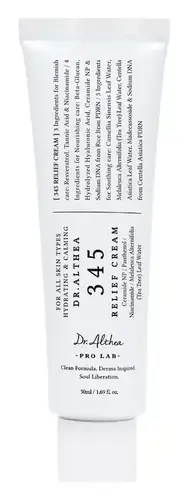
This barrier-repair moisturizer is formulated around Honey Extract and Saccharide Isomerate to strengthen the skin barrier and hydrate skin.
This barrier-repair moisturizer is formulated around Niacinamide and Ceramide Ns to strengthen the skin barrier and hydrate skin.


What's inside
What's inside
 Key Ingredients
Benefits
Concerns
Ingredients Side-by-side
Water
Skin ConditioningCetyl Ethylhexanoate
EmollientGlycerin
Humectant


Propanediol
Solvent
Myristoyl/Palmitoyl Oxostearamide/Arachamide Mea
Skin Conditioning1,2-Hexanediol
Skin Conditioning
Sorbitan Stearate
Emulsifying

Cetearyl Alcohol
Emollient




Glyceryl Stearate
Emollient
Honey Extract
Humectant
Saccharide Isomerate
Humectant
Chamomilla Recutita Flower Extract
Masking
Brassica Oleracea Italica Extract
AstringentMedicago Sativa Extract
TonicBrassica Oleracea Capitata Leaf Extract
Skin ConditioningTriticum Vulgare Germ Extract
Skin ConditioningSorghum Bicolor Leaf/Stem Extract
Skin ConditioningAspergillus Ferment
Skin ConditioningBrassica Napus Extract
Skin ConditioningRaphanus Sativus Seed Extract
Skin ConditioningPolyglyceryl-10 Distearate
Emulsifying
Helianthus Annuus Seed Oil
Emollient
Panthenol
Skin Conditioning
Tocopherol
Antioxidant




Phytosterols
Skin Conditioning
Caprylyl Glycol
Emollient
Olea Europaea Fruit Oil
Masking
Hydrogenated Vegetable Oil
Emollient
Arginine
Masking
Carbomer
Emulsion StabilisingStearic Acid
Cleansing
Xanthan Gum
EmulsifyingSodium Phytate
ChelatingBeta-Glucan
Skin Conditioning
Butylene Glycol
Humectant
Parfum
Masking

Water, Cetyl Ethylhexanoate, Glycerin, Propanediol, Myristoyl/Palmitoyl Oxostearamide/Arachamide Mea, 1,2-Hexanediol, Sorbitan Stearate, Cetearyl Alcohol, Glyceryl Stearate, Honey Extract, Saccharide Isomerate, Chamomilla Recutita Flower Extract, Brassica Oleracea Italica Extract, Medicago Sativa Extract, Brassica Oleracea Capitata Leaf Extract, Triticum Vulgare Germ Extract, Sorghum Bicolor Leaf/Stem Extract, Aspergillus Ferment, Brassica Napus Extract, Raphanus Sativus Seed Extract, Polyglyceryl-10 Distearate, Helianthus Annuus Seed Oil, Panthenol, Tocopherol, Phytosterols, Caprylyl Glycol, Olea Europaea Fruit Oil, Hydrogenated Vegetable Oil, Arginine, Carbomer, Stearic Acid, Xanthan Gum, Sodium Phytate, Beta-Glucan, Butylene Glycol, Parfum
Water
Skin ConditioningCetyl Ethylhexanoate
EmollientPalmitic Acid
Emollient
Octyldodecanol
Emollient
Stearic Acid
Cleansing
Butylene Glycol
Humectant
Glycerin
Humectant
Niacinamide
Smoothing




Cetearyl Alcohol
Emollient
Butyrospermum Parkii Butter
Skin Conditioning
Saccharide Isomerate
Humectant
Caprylic/Capric Triglyceride
Masking
Glucose
Humectant
Hydrogenated Lecithin
Emulsifying
Ceramide Ns
Skin Conditioning
Ceramide AP
Skin Conditioning
Ceramide NP
Skin Conditioning
Acetyl Heptapeptide-4
Humectant
Ceramide EOP
Skin Conditioning
Cetearyl Glucoside
Emulsifying
Carbomer
Emulsion StabilisingXanthan Gum
EmulsifyingPentylene Glycol
Skin Conditioning
Sodium Phytate
ChelatingSalix Alba Bark Extract
Astringent
Beta-Glucan
Skin Conditioning
Polyglyceryl-10 Stearate
Skin Conditioning
Tromethamine
Buffering1,2-Hexanediol
Skin Conditioning
Sodium Citrate
BufferingHydroxyacetophenone
Antioxidant
Caprylyl Glycol
Emollient
Citric Acid
Buffering
Water, Cetyl Ethylhexanoate, Palmitic Acid, Octyldodecanol, Stearic Acid, Butylene Glycol, Glycerin, Niacinamide, Cetearyl Alcohol, Butyrospermum Parkii Butter, Saccharide Isomerate, Caprylic/Capric Triglyceride, Glucose, Hydrogenated Lecithin, Ceramide Ns, Ceramide AP, Ceramide NP, Acetyl Heptapeptide-4, Ceramide EOP, Cetearyl Glucoside, Carbomer, Xanthan Gum, Pentylene Glycol, Sodium Phytate, Salix Alba Bark Extract, Beta-Glucan, Polyglyceryl-10 Stearate, Tromethamine, 1,2-Hexanediol, Sodium Citrate, Hydroxyacetophenone, Caprylyl Glycol, Citric Acid
Reviews
Ingredients Explained
These ingredients are found in both products.
Ingredients higher up in an ingredient list are typically present in a larger amount.
1,2-Hexanediol is a synthetic liquid and another multi-functional powerhouse.
It is a:
- Humectant, drawing moisture into the skin
- Emollient, helping to soften skin
- Solvent, dispersing and stabilizing formulas
- Preservative booster, enhancing the antimicrobial activity of other preservatives
Beta-Glucan is a soluble polysaccharide (a chain of glucose sugars) sourced from the cells walls of oats, baker's yeast, mushrooms, and seaweed.
It's a rare ingredient that pulls double-duty as a heavy-duty hydrator and skin-soothing repair agent.
On the surface, it acts as a humectant that holds water in place and reduces moisture loss for a plumper, smoother feel, while its anti-inflammatory and antioxidant properties make it a great pick for calming redness or sensitive skin
The more interesting story is underneath:
Despite its large molecular size, oat beta-glucan has been shown to penetrate the epidermis and reach the dermis by slipping between skin cells. Here, it interacts with fibroblasts and macrophages to nudge collagen synthesis and support wound repair.
A small 2005 split-face clinical study of 27 subjects found topical beta-glucan produced measurable reductions in wrinkle depth, height, and roughness after 8 weeks of use.
It is worth noting the trial was small and the penetration testing used frozen, irradiated skin so the anti-aging data is encouraging rather than definitive.
This ingredient gets along with pretty much everything and is typically used around 0.1-1%.
Fungal acne: This ingredient is not a food source for the Malassezia yeast because it is a glucose polysaccharide with no fatty acid or ester component.
Learn more about Beta-GlucanButylene Glycol (or BG) is used within cosmetic products for a few different reasons:
Overall, Butylene Glycol is a safe and well-rounded ingredient that works well with other ingredients.
Though this ingredient works well with most skin types, some people with sensitive skin may experience a reaction such as allergic rashes, closed comedones, or itchiness.
Learn more about Butylene GlycolCaprylyl Glycol is a humectant, skin conditioner, emollient, and preservative booster derived from either caprylic acid or synthetically created.
Typical use levels vary from 0.3-1% as a preservative booster and go up to 2% to condition skin.
Because it is not a free-fatty acid, this ingredient is fungal acne safe (there's nothing for Malassezia to feed on).
Learn more about Caprylyl GlycolCarbomer is a synthetic thickening and gelling agent. It's basically the ingredient that gives a lot of serums, gels, creams, and sunscreens their smooth, non-sticky texture.
Although legally permitted at very high levels, carbomers are normally used at concentrations below 1%.
It also needs to be neutralized to actually thicken, and because it is a large molecule, it doesn't really penetrate the skin barrier.
Allergy-wise, the risk is very low. Clinical studies show carbomers have low potential for skin irritation/sensitization even at concentrations up to 100%.
A 2024 UK study patch-tested 1,302 patients and found true allergy to the parent group of carbomer to be rare with no confirmed relevant reactions.
Learn more about CarbomerCetearyl alcohol is a waxy mixture of two fatty alcohols: cetyl alcohol and stearyl alcohol. It is an emollient and emulsifier.
Despite having "alcohol" in its name, it has nothing to do with drying solvent alcohols; the FDA also allows "alcohol-free" products to contain fatty alcohols like this ingredient.
It plays several roles in a formula:
Typical use levels for this ingredient sit around 1-10% and the Cosmetic Ingredient Review Expert Panel has affirmed safety at concentrations up to 25% in leave-on products.
Multiple assessments have found it to be non-irritating and non-sensitizing to most people.
However, there have been some cases of allergic contact dermatitis in patients with chronically compromised skin barriers.
Cetearyl alcohol has a comedogenic rating of 2 and irritancy rating of 1. Both of these numbers come from the 1989 study that used rabbit ears; a "2" means mildly comedogenic and a "1" means low irritancy.
Here's the catch: rabbit skin is more sensitive than human skin and throws a lot of false positives. A 1996 reappraisal found that ingredients rated 1-2 in the rabbit ear tests are generally safe for humans.
Remember comedogenic ratings are unable to assess the entire formula of a product or how it will react on your skin. Just be sure to patch test if you are unsure about certain ingredients.
This ingredient is not fungal acne safe. Cetearyl alcohol is a fatty alcohol with chain lengths that fall within the range that Malassezia can metabolize.
A 2019 study has also observed Malassezia growth in the presence of this ingredient, confirming it to be not-fungal acne safe.
Learn more about Cetearyl AlcoholCetyl Ethylhexanoate is an emollient ester. It comes from cetearyl alcohol and 2-ethylhexanoic acid.
Cetyl Ethylhexanoate is an emollient that adds a velvety feel to skin without being greasy or oily. Emollients help trap moisture into your skin, keeping your skin soft and hydrated.
Glycerin (or glycerol) is a compound naturally found in your skin. It's a powerhouse humectant that pulls water into the stratum corneum.
Topically, glycerin does several things at once:
Your skin makes glycerin on its own (mostly from sebaceous oil breakdown) and shuttles it to your outermost layer of skin, or your epidermis, via aquaporin-3.
Aquaporin-3 is a transporter that is essential for normal skin hydration, elasticity, and repair. Interestingly, mice lacking in AQP3 have dry and less elastic skin that can be fully corrected with glycerin.
This ingredient is non-irritating, plays well with almost every ingredient, and works across all skin types. Typical use is anywhere between 3-10% but can go up to 79% in some leave-on products.
Just know very high concentrations (>40%) can feel tacky in low humidity.
Glycerin is the name for this ingredient in American English. British English uses Glycerol/Glycerine.
Learn more about GlycerinSaccharide Isomerate comes from sugars found in corn. It is a skin hydrator.
The structure of this ingredient can be altered to be more similar to the carbohydrates found in our skin. This ability to mimic our skin gives it hydrating properties.
Specifically, saccharide Isomerate is a humectant. Humectants draw moisture from the air to our skin.
Research shows Saccharide Isomerate to be an effective moisturizer.
Learn more about Saccharide IsomerateSodium Phytate is the sodium salt of Phytic acid, a compound that plants store phosphorus in. It's the plant-derived alternative to ingredients like Disodium EDTA.
In skincare, this ingredient is a chelator that grabs onto trace metal ions like iron and copper that sneak into formulas through water/raw materials.
Those metals speed up oxidation so binding them keeps oils, fragrance, and actives from going off, stops color changes, and helps the preservative system work harder.
Survey data shows usage levels range from 0.0099%-0.5% in leave-on products, 0.025%-0.3% in rinse-off, and up to 0.05% in eye-area products. Suppliers typically recommend a range between 0.05-0.5%.
Learn more about Sodium PhytateStearic Acid is a fatty acid that is already found in your skin. It's one of the free fatty acids that works alongside ceramides and cholesterols to maintain your barrier.
In cosmetics, it is a multitasker:
Safety-wise, the CIR Expert Panel has concluded it to be safe in cosmetics when formulated to be non-irritating and non-sensitizing.
Free stearic acid is a C18 fatty acid that the Malassezia yeast can substrate, so this ingredient may not be fungal acne safe.
This ingredient does have a comedogenic rating of 2-3, but this doesn't mean a formula with this ingredient will clog pores.
Human testing has proved that any finished product with this ingredient won't automatically make you break out; it really comes down to concentration, formula, and your skin.
Learn more about Stearic AcidWater. It's the most common cosmetic ingredient of all. You'll usually see it at the top of ingredient lists, meaning that it makes up the largest part of the product.
So why is it so popular? Water most often acts as a solvent - this means that it helps dissolve other ingredients into the formulation.
You'll also recognize water as that liquid we all need to stay alive. If you see this, drink a glass of water. Remember to stay hydrated!
Learn more about WaterXanthan gum is used as a stabilizer and thickener within cosmetic products. It helps give products a sticky, thick feeling - preventing them from being too runny.
On the technical side of things, xanthan gum is a polysaccharide - a combination consisting of multiple sugar molecules bonded together.
Xanthan gum is a pretty common and great ingredient. It is a natural, non-toxic, non-irritating ingredient that is also commonly used in food products.
Learn more about Xanthan Gum