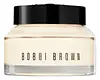
Danessa Myricks Beauty Yummy Skin Moisture Repair Balm Serum Versus Bobbi Brown Vitamin Enriched Face Base Priming Moisturizer
This hydrating serum is formulated around Camellia Japonica Seed Oil and Simmondsia Chinensis Seed Oil to hydrate skin and strengthen the skin barrier.
This barrier-repair day moisturizer is formulated around Butyrospermum Parkii Butter and Squalane to strengthen the skin barrier and hydrate skin.

What's inside
What's inside
 Key Ingredients
Benefits
Concerns
Ingredients Side-by-side
Caprylic/Capric Triglyceride
Masking


Camellia Japonica Seed Oil
Emollient


Simmondsia Chinensis Seed Oil
Emollient
Garcinia Indica Seed Butter
Skin Conditioning
Octyldodecanol
Emollient
Jojoba Esters
Emollient
Lauroyl Lysine
Skin Conditioning
Helianthus Annuus Seed Wax
Skin Conditioning
Butyrospermum Parkii Butter
Skin Conditioning


Helianthus Annuus Seed Oil
Emollient
Squalane
Emollient
Dibutyl Ethylhexanoyl Glutamide
Skin ConditioningDibutyl Lauroyl Glutamide
Skin ConditioningSilica
Abrasive

Hippophae Rhamnoides Fruit Oil
Skin Protecting
Sodium Hyaluronate
Humectant

Centella Asiatica Leaf Extract
Skin Conditioning
Tanacetum Annuum Flower Oil
Masking
Camellia Sinensis Leaf Powder
Spirulina Platensis Extract
Skin ProtectingHoya Lacunosa Flower Extract
Skin ConditioningOpuntia Ficus-Indica Extract
Skin Conditioning
Glucomannan
Skin ConditioningAcacia Decurrens Flower Wax
Emollient
Prunus Amygdalus Dulcis Oil
Skin Conditioning
Tocopheryl Acetate
Antioxidant


Trihydroxystearin
Skin Conditioning
Ethylhexyl Palmitate
Emollient
Polyglycerin-3
Humectant
Hydrogenated Vegetable Oil
Emollient
Caprylic/Capric Triglyceride, Camellia Japonica Seed Oil, Simmondsia Chinensis Seed Oil, Garcinia Indica Seed Butter, Octyldodecanol, Jojoba Esters, Lauroyl Lysine, Helianthus Annuus Seed Wax, Butyrospermum Parkii Butter, Helianthus Annuus Seed Oil, Squalane, Dibutyl Ethylhexanoyl Glutamide, Dibutyl Lauroyl Glutamide, Silica, Hippophae Rhamnoides Fruit Oil, Sodium Hyaluronate, Centella Asiatica Leaf Extract, Tanacetum Annuum Flower Oil, Camellia Sinensis Leaf Powder, Spirulina Platensis Extract, Hoya Lacunosa Flower Extract, Opuntia Ficus-Indica Extract, Glucomannan, Acacia Decurrens Flower Wax, Prunus Amygdalus Dulcis Oil, Tocopheryl Acetate, Trihydroxystearin, Ethylhexyl Palmitate, Polyglycerin-3, Hydrogenated Vegetable Oil
Water
Skin ConditioningCyclopentasiloxane
Emollient
Bis-Diglyceryl Polyacyladipate-2
Emollient
Butylene Glycol
Humectant
PPG-2 Myristyl Ether Propionate
Emollient
Cetyl Alcohol
Emollient
PEG-40 Stearate
Emulsifying
Butyrospermum Parkii Butter
Skin Conditioning
Squalane
Emollient
Glyceryl Stearate
Emollient
Sorbitan Stearate
Emulsifying
Epilobium Angustifolium Extract
Skin ConditioningFaex Extract
Skin ConditioningBeta-Carotene
Skin ConditioningSodium Hyaluronate
Humectant
Citrus Grandis Peel Oil
Masking



Tocopheryl Acetate
Antioxidant
Methyl Glucose Sesquistearate
Emollient
Pelargonium Graveolens Flower Oil
Masking
Dimethicone Crosspolymer
Emulsion Stabilising
Acrylates/C10-30 Alkyl Acrylate Crosspolymer
Emulsion StabilisingCarbomer
Emulsion StabilisingPEG-20 Methyl Glucose Sesquistearate
Emulsifying
C12-15 Alkyl Ethylhexanoate
EmollientTetrasodium EDTA
ChelatingSodium Hydroxide
BufferingPanthenol
Skin Conditioning
Magnesium Ascorbyl Phosphate
Antioxidant

Limonene
Perfuming
Citronellol
Perfuming
Geraniol
Perfuming
Linalool
Perfuming
Chlorphenesin
Antimicrobial
Phenoxyethanol
Preservative
Water, Cyclopentasiloxane, Bis-Diglyceryl Polyacyladipate-2, Butylene Glycol, PPG-2 Myristyl Ether Propionate, Cetyl Alcohol, PEG-40 Stearate, Butyrospermum Parkii Butter, Squalane, Glyceryl Stearate, Sorbitan Stearate, Epilobium Angustifolium Extract, Faex Extract, Beta-Carotene, Sodium Hyaluronate, Citrus Grandis Peel Oil, Tocopheryl Acetate, Methyl Glucose Sesquistearate, Pelargonium Graveolens Flower Oil, Dimethicone Crosspolymer, Acrylates/C10-30 Alkyl Acrylate Crosspolymer, Carbomer, PEG-20 Methyl Glucose Sesquistearate, C12-15 Alkyl Ethylhexanoate, Tetrasodium EDTA, Sodium Hydroxide, Panthenol, Magnesium Ascorbyl Phosphate, Limonene, Citronellol, Geraniol, Linalool, Chlorphenesin, Phenoxyethanol
Reviews
Ingredients Explained
These ingredients are found in both products.
Ingredients higher up in an ingredient list are typically present in a larger amount.
This ingredient is also known as shea butter. It is a plant-derived extract from the nuts of the Africa shea tree and one of the most well-studied emollients.
Because it has a high concentration of fatty acids (primarily oleic, stearic, and linoleic) it is able to form a protective barrier on the skin's surface. This helps seal in moisture and prevents transepidermal water loss (TEWL).
In vitro research found an increase in skin hydration by 58% and a decrease in TEWL by 37.8% after 24 hours of applying this ingredient (pretty impressive for a single ingredient!).
Besides hydration, shea butter also contains triterpenes that have anti-inflammatory potential. In particule, lupeol cinnamate has shown the highest anti-inflammatory activity in vivo.
Shea butter also contains vitamins A and E which may contribute to antioxidant activity.
While Shea Butter has an SPF rating of about 3-4, it is not a sunscreen replacement.
This ingredient may not be fungal acne safe because its fatty acids fall within the C11-C24 range that the Malassezia yeast can metabolize.
This ingredient shows up on a lot of "pore-clogging" lists but there's no real evidence behind that. It doesn't even have a comedogenic rating from an actual study; the numbers you'll find online come from blogs citing other blogs.
Ratings for other ingredients mostly come from a 1980s rabbit ear test. This test doesn't translate well to human skin or to real products because the ingredient sits at a much lower percentage.
Some people still find it breaks them out. So if that's you, definitely trust your skin. Just know this one's based on experience and not evidence.
Learn more about Butyrospermum Parkii ButterSodium Hyaluronate is the salt form of hyaluronic acid. It is a long sugar chain that is naturally found in your skin, joints, and connective tissue that maintains hydration and elasticity.
In skincare, it works as a humectant. It pulls water from the environment and deeper layers of skin and binds it to the surface.
Interestingly, the size of the molecule affects its behavior:
Some clinical evidence links low molecular weight versions to improved wrinkle depth, elasticity, anti-inflammatory effects, and barrier repair.
Many serums use a blend of both weights so you can get surface hydration plus longer-lasting and deeper effects.
You'll typically see concentrations between 0.1-2% for this ingredient.
Learn more about Sodium HyaluronateSqualane is the hydrogenated and shelf-stable form of squalene (a lipid that naturally occurs in human sebum).
It is an emollient and skin conditioning agent that is able to integrate seamlessly into the skin's lipid barrier without clogging pores.
This is due to how structurally similar it is to what your skin already produces.
Though it is mostly an emollient that helps soften and hydrate skin, it also has some humectant and occlusive action. Humectants help the skin retain moisture while occlusives seal it in, making squalane a triple-threat moisturizer.
Research shows it has antioxidant capabilities that help protect against stressors like UV exposure, specifically UVA induced oxidative stress. This study also found that it supports collagen biosynthesis in human dermal fibroblasts.
No clinical study has reported significant adverse effects and irritation reactions are very rare from this ingredient (even at 100% concentration).
Overall, it's a fantastic ingredient for hydration and is suitable for all skin types.
This depends on the source. Squalane can be derived from both plants and animals. Most squalane used in skincare comes from plants.
Please note: the source of squalane is only known if disclosed by the brand. We recommend reaching out to the brand if you have any questions about their squalane.
Read more about squalene with an "e".
Though squalane is often called an oil, it’s technically not one. It is a hydrocarbon, meaning it is only made of carbon and hydrogen. True oils are triglycerides and made of fatty acids and glycerol.
The term “oil-free” isn’t regulated so companies can define it however they want. Some exclude all oils, while others just avoid mineral oil or comedogenic oils.
Squalane has a comedogenic rating of 1 from the original 1972 study that tested raw ingredients under occlusion on rabbit ears. This system is not standardized or peer-reviewed, and using the raw ingredients is very different from how diluted cosmetic formulations are used on human skin.
A comedogenic rating of 1 means it is "unlikely to clog pores" according to the original rating system.
The overall formula of a product matters more than the individual ingredients on whether or not it will cause clogged pores.
Learn more about SqualaneTocopheryl Acetate is a stable, shelf-friendly form of vitamin E.
Formulators love it because plain vitamin E oxidizes quickly once it hits air. This acetate version stays stable and resists going off, helping to extend a product's shelf life.
It's actually inactive on its own and works like a slow-release "storage" form; the enzymes in your skin called esterases gradually convert it into active vitamin E over time.
One in vivo study showed 5% of the acetate in the living layer of the epidermis converted to vitamin E after 5 days of application. This study also found the skin gained protection against UV damage even though the conversion was slow and small.
Once converted, vitamin E acts as a skin's main fat-soluble antioxidant that fights free radicals to protect skin from damage.
Topical vitamin E generally boosts the skin's photoprotection, and it reduced UV-damage in animal models.
This ingredient has some brightening potential but it's more of a prevention ingredient than spot-fader. Cell studies show it can slow down melanin production but it's worth noting that it's not the most powerful brightener out there.
Overall, it has a pretty solid safety profile and has been found to be non-irritating and non-comedogenic. Allergic reactions may happen but stay rare due to how widely the ingredient gets used.
The concentration will vary depending on the formula; industry data shows 0.1% in baby lotions, 3% in lipsticks, and 5% in foot powders. You can also find this ingredient at 100% in a pure vitamin E oil.
Most leave-on skincare keeps it at the lower end, often between 0.5-1%.
Learn more about Tocopheryl Acetate

