
What's inside
What's inside
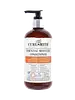 Benefits
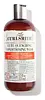
Concerns
Ingredients Side-by-side
Water
Skin ConditioningCetearyl Alcohol
Emollient




Hydroxypropyl Starch Phosphate
Betaine
Humectant


Cetyl Palmitate
Emollient
Behentrimonium Chloride
Preservative
Butyrospermum Parkii Butter
Skin Conditioning
Cocos Nucifera Oil
Masking

Persea Gratissima Oil
Skin Conditioning
Helianthus Annuus Seed Oil
Emollient
Aloe Barbadensis Leaf Juice
Skin Conditioning
Selaginella Lepidophylla Extract
EmollientOcimum Basilicum Leaf Extract
Skin ConditioningPiper Nigrum Seed Extract
RefreshingRosmarinus Officinalis Leaf Extract
AntimicrobialSalvia Officinalis Leaf Extract
CleansingCarapa Guaianensis Seed Oil
Skin Conditioning
Glycerin
Humectant
Guar Hydroxypropyltrimonium Chloride
Skin ConditioningPanthenol
Skin Conditioning
Glyceryl Undecylenate
Emollient
Parfum
Masking


Citric Acid
Buffering

Sodium Hydroxide
BufferingSodium Gluconate
Skin ConditioningGlyceryl Caprylate
EmollientPotassium Sorbate
Preservative
Sodium Benzoate
Masking
Limonene
Perfuming

Linalool
Perfuming
Isopropyl Alcohol
Solvent

Water, Cetearyl Alcohol, Hydroxypropyl Starch Phosphate, Betaine, Cetyl Palmitate, Behentrimonium Chloride, Butyrospermum Parkii Butter, Cocos Nucifera Oil, Persea Gratissima Oil, Helianthus Annuus Seed Oil, Aloe Barbadensis Leaf Juice, Selaginella Lepidophylla Extract, Ocimum Basilicum Leaf Extract, Piper Nigrum Seed Extract, Rosmarinus Officinalis Leaf Extract, Salvia Officinalis Leaf Extract, Carapa Guaianensis Seed Oil, Glycerin, Guar Hydroxypropyltrimonium Chloride, Panthenol, Glyceryl Undecylenate, Parfum, Citric Acid, Sodium Hydroxide, Sodium Gluconate, Glyceryl Caprylate, Potassium Sorbate, Sodium Benzoate, Limonene, Linalool, Isopropyl Alcohol
Water
Skin ConditioningCetearyl Alcohol
Emollient
Hydroxypropyl Starch Phosphate
Cetyl Palmitate
Emollient
Behentrimonium Chloride
Preservative
Cocamidopropyl Betaine
Cleansing
Parfum
Masking
Selaginella Lepidophylla Extract
EmollientCarapa Guaianensis Seed Oil
Skin Conditioning
Persea Gratissima Oil
Skin Conditioning
Salvia Officinalis Leaf Extract
CleansingOcimum Basilicum Leaf Extract
Skin ConditioningPiper Nigrum Seed Extract
RefreshingAloe Barbadensis Leaf Juice
Skin Conditioning
Rosmarinus Officinalis Leaf Extract
AntimicrobialHelianthus Annuus Seed Oil
Emollient
Butyrospermum Parkii Butter
Skin Conditioning
Cocos Nucifera Oil
Masking
Glycerin
Humectant
Guar Hydroxypropyltrimonium Chloride
Skin ConditioningPanthenol
Skin Conditioning
Glyceryl Caprylate
EmollientGlyceryl Undecylenate
Emollient
Potassium Sorbate
Preservative
Sodium Benzoate
Masking
Sodium Hydroxide
BufferingSodium Chloride
MaskingCitric Acid
Buffering
Disodium EDTA
Limonene
Perfuming
Linalool
Perfuming
Water, Cetearyl Alcohol, Hydroxypropyl Starch Phosphate, Cetyl Palmitate, Behentrimonium Chloride, Cocamidopropyl Betaine, Parfum, Selaginella Lepidophylla Extract, Carapa Guaianensis Seed Oil, Persea Gratissima Oil, Salvia Officinalis Leaf Extract, Ocimum Basilicum Leaf Extract, Piper Nigrum Seed Extract, Aloe Barbadensis Leaf Juice, Rosmarinus Officinalis Leaf Extract, Helianthus Annuus Seed Oil, Butyrospermum Parkii Butter, Cocos Nucifera Oil, Glycerin, Guar Hydroxypropyltrimonium Chloride, Panthenol, Glyceryl Caprylate, Glyceryl Undecylenate, Potassium Sorbate, Sodium Benzoate, Sodium Hydroxide, Sodium Chloride, Citric Acid, Disodium EDTA, Limonene, Linalool
Reviews
Ingredients Explained
These ingredients are found in both products.
Ingredients higher up in an ingredient list are typically present in a larger amount.
Aloe Barbadensis Leaf Juice comes from leaves of the aloe plant. Aloe Barbadensis Leaf Juice is best known for helping to soothe sunburns. It is also anti-inflammatory, moisturizing, antiseptic, and can help heal wounds.
Aloe is packed with good stuff including Vitamins A, C, and E. These vitamins are antioxidants, which help fight free-radicals and the damage they may cause. Free-radicals are molecules that may damage your skin cells, such as pollution.
Aloe Barbadensis Leaf Juice also contains sugars. These sugars come in the form of monosaccharides and polysaccharides, folic acid, and choline. These sugars are able to help bind moisture to skin.
It also contains minerals such as calcium, 12 anthraquinones, fatty acids, amino acids, and Vitamin B12.
Learn more about Aloe Barbadensis Leaf JuiceThis ingredient is a preservative and often used for it's anti-static properties. You'll most likely see this ingredient in hair conditioners.
It does not cause irritation or sensitization in leave-on products at 1-5%.
This ingredient is also known as shea butter. It is a plant-derived extract from the nuts of the Africa shea tree and one of the most well-studied emollients.
Because it has a high concentration of fatty acids (primarily oleic, stearic, and linoleic) it is able to form a protective barrier on the skin's surface. This helps seal in moisture and prevents transepidermal water loss (TEWL).
In vitro research found an increase in skin hydration by 58% and a decrease in TEWL by 37.8% after 24 hours of applying this ingredient (pretty impressive for a single ingredient!).
Besides hydration, shea butter also contains triterpenes that have anti-inflammatory potential. In particule, lupeol cinnamate has shown the highest anti-inflammatory activity in vivo.
Shea butter also contains vitamins A and E which may contribute to antioxidant activity.
While Shea Butter has an SPF rating of about 3-4, it is not a sunscreen replacement.
This ingredient may not be fungal acne safe because its fatty acids fall within the C11-C24 range that the Malassezia yeast can metabolize.
Learn more about Butyrospermum Parkii ButterCarapa Guaianensis Seed Oil is an oil and isn't fungal acne safe.
Cetearyl alcohol is a waxy mixture of two fatty alcohols: cetyl alcohol and stearyl alcohol. It is an emollient and emulsifier.
Despite having "alcohol" in its name, it has nothing to do with drying solvent alcohols; the FDA also allows "alcohol-free" products to contain fatty alcohols like this ingredient.
It plays several roles in a formula:
Typical use levels for this ingredient sit around 1-10% and the Cosmetic Ingredient Review Expert Panel has affirmed safety at concentrations up to 25% in leave-on products.
Multiple assessments have found it to be non-irritating and non-sensitizing to most people.
However, there have been some cases of allergic contact dermatitis in patients with chronically compromised skin barriers.
Cetearyl alcohol has a comedogenic rating of 2 and irritancy rating of 1. Both of these numbers come from the 1989 study that used rabbit ears; a "2" means mildly comedogenic and a "1" means low irritancy.
Here's the catch: rabbit skin is more sensitive than human skin and throws a lot of false positives. A 1996 reappraisal found that ingredients rated 1-2 in the rabbit ear tests are generally safe for humans.
Remember comedogenic ratings are unable to assess the entire formula of a product or how it will react on your skin. Just be sure to patch test if you are unsure about certain ingredients.
This ingredient is not fungal acne safe. Cetearyl alcohol is a fatty alcohol with chain lengths that fall within the range that Malassezia can metabolize.
A 2019 study has also observed Malassezia growth in the presence of this ingredient, confirming it to be not-fungal acne safe.
Learn more about Cetearyl AlcoholCetyl Palmitate is a wax-ester that pulls triple duty as an emollient, thickener, and emulsion enhancer.
It helps enhance the texture of products by giving a smooth, silky feel while helping to stabilize the formula. The emollient action softens skin and reduces moisture loss.
This ingredient is considered safe and human testing of concentrations between 2.5-2.7% were found minimal irritation. Just know, there have been very rare cases of the palmitate family causing contact dermatitis.
This ingredient may not be fungal acne safe because it contains a C16 ester (palmitic acid) that falls into the C11-24 range that Malassezia can feed on.
Learn more about Cetyl PalmitateCitric Acid is an alpha hydroxy acid (AHA) naturally found in citrus fruits like oranges, lemons, and limes.
Like other AHAs, citric acid can exfoliate skin by breaking down the bonds that hold dead skin cells together. This helps reveal smoother and brighter skin underneath.
However, this exfoliating effect only happens at high concentrations (20%) which can be hard to find in cosmetic products.
Due to this, citric acid is usually included in small amounts as a pH adjuster. This helps keep products slightly more acidic and compatible with skin's natural pH.
In skincare formulas, citric acid can:
While it can provide some skin benefits, research shows lactic acid and glycolic acid are generally more effective and less irritating exfoliants.
Most citric acid used in skincare today is made by fermenting sugars (usually from molasses). This synthetic version is identical to the natural citrus form but easier to stabilize and use in formulations.
Read more about some other popular AHA's here:
Learn more about Citric AcidThis ingredient is also known as coconut oil. It is a plant-derived ingredient with skin conditioning properties.
The fatty acid profile of coconut oil is mostly lauric acid (~54%), followed by capric, caprylic, palmitic, and myristic acids. This profile allows it to penetrate easily into skin, moisturize, and improve dry skin.
A double-blind study confirmed that extra virgin coconut oil is as effective as mineral oil for treating very dry skin. Another study found it outperformed mineral oil for mild to moderate atopic dermatitis in children.
Another study from 2018 found that virgin coconut oil can soothe inflammation and boost key skin barrier proteins. Just know this evidence is still only from lab settings and not human trials.
It has also been shown to reduce Staphylococcus aureus, a bacteria that commonly overgrows in people with eczema.
Clinical testing shows very minimal skin irritation and no evidence of sensitization or phototoxicity.
Coconut oil gets flagged as a "fragrance" because it has a natural mild scent (not because it's a synthetic perfume). The European Cosmetic ingredient database also lists "perfuming" as a function of this ingredient.
Just so you know, the term "fragrance" is completely unregulated. Some brands still use botanical extracts or essential oils in their "fragrance-free" formulas, but regulatory databases technically classify these under "fragrance".
Coconut oil has a tiny and useless bit of natural SPF. Early lab studies clocked it around SPF 7-8 but a more recent study found the real number closer to SPF 1.2. It also offers no meaningful UVA protection (SPF only overs UVB rays).
The comedogenic rating of 4/5 means it has a high potential to clog pores; but it's worth noting that comedogenicity is highly individual and ratings cannot predict how an overall formula will behave on skin.
Since lauric acid is the dominant fatty acid, this ingredient may not be fungal acne safe. The Malassezia yeast feeds on fatty acids with carbon chain lengths between 11-24, and lauric acid falls within these lengths (C12).
Learn more about Cocos Nucifera OilGlycerin (or glycerol) is a compound naturally found in your skin. It's a powerhouse humectant that pulls water into the stratum corneum.
Topically, glycerin does several things at once:
Your skin makes glycerin on its own (mostly from sebaceous oil breakdown) and shuttles it to your outermost layer of skin, or your epidermis, via aquaporin-3.
Aquaporin-3 is a transporter that is essential for normal skin hydration, elasticity, and repair. Interestingly, mice lacking in AQP3 have dry and less elastic skin that can be fully corrected with glycerin.
This ingredient is non-irritating, plays well with almost every ingredient, and works across all skin types. Typical use is anywhere between 3-10% but can go up to 79% in some leave-on products.
Just know very high concentrations (>40%) can feel tacky in low humidity.
Glycerin is the name for this ingredient in American English. British English uses Glycerol/Glycerine.
Learn more about GlycerinGlyceryl Caprylate comes from glycerin and caprylic acid. It is an emollient, co-emulsifier, and preservative booster.
Its short C8 fatty acid chain makes it behave differently from its longer-chain emollient cousins like Glyceryl Stearate. It feels more lightweight, fast-absorbing, and silky instead of rich and waxy.
As a co-emulsifier, its "head" and "tail" sit at the oil-water interface. But overall, the short C8 tail and not being water soluble means it doesn't really have the muscle to emulsify a formula on its own. That's why you'll often see it paired with a primary emulsifier like Cetearyl Glucoside.
Interestingly, Glyceryl Caprylate acts as a preservative booster. This is because its fatty-acid backbone disrupts microbial lipid membranes. It shows excellent activity against bacteria and yeast but is weaker against mold.
Typical concentrations range from 0.5-1% and this ingredient is generally non-irritating.
Because this ingredient has a C8 fatty acid chain, it is outside the range that the Malassezia yeast metabolizes (making it fungal acne safe).
Learn more about Glyceryl CaprylateGlyceryl Undecylenate is a gentle ester made by joining glycerin and undecylenic acid (a fatty acid pulled from castor oil).
In formulations, it pulls double duty as a skin-conditioning emollient and mild preservative.
The glycerin side attracts and binds water to support skin hydration and the undeclyenic acid side adds a bit of broad-spectrum antimicrobial activity.
Undecylenic acid inhibits the formation of fungal biofilm and the branching filaments that let fungi spread.
Typical use concentrations range from 0.1-5%, but it is generally used on the lower end and paired with other mild preservative boosters like caprylyl glycol.
On the fungal acne front:
This ingredient is described in the patent literature as a Malassezia-active ingredient used to treat an excess of Malassezia on the skin (Malassezia is actually a yeast and not fungal).
Though it leans anti-fungal, the leftover Malassezia yeast may feed on the Undecylenic Acid portion of this ingredient. Just know this ingredient may not be a trigger for everyone.
Learn more about Glyceryl UndecylenateThis ingredient is derived from guar gum. It is a skin conditioning agent that creates a thin, breathable film to reduce water loss during cleansing.
This leaves the skin feeling soft rather than stripped and also contributes to a creamier lather.
Due to the large molecule size, this ingredient is unlikely to penetrate skin.
Learn more about Guar Hydroxypropyltrimonium ChlorideHelianthus Annuus Seed Oil is a plant oil derived from the seeds of a sunflower.
It is rich in fatty acids, primarily linoleic acid and oleic acid. This gives it emollient and skin conditioning properties.
The reason this ingredient is so effective is because it forms a thin film on the skin that reduces transepidermal water loss (TEWL) while supplying linoleic acid to the stratum corneum to improve barrier strength.
The high linoleic acid content is particularly noteworthy for acne-prone skin.
Research suggests that acne-prone skin tends to be deficient in linoleic acid in sebum. Topical application may help replenish this to support a healthier follicular environment and less comedone-promoting sebum.
One randomized study found sunflower seed oil preserved skin barrier integrity in adult volunteers with and without atopic dermatitis (outperforming olive oil).
This ingredient is well-studied, gentle, and an effective emollient suitable for most skin types.
On fungal acne: This ingredient may not be Fungal acne (Malassezia folliculitis) safe. This is because it contains fatty acids with carbon chain lengths in the C11-C24 range.
Learn more about Helianthus Annuus Seed OilHydroxypropyl Starch Phosphate is a modified starch used to help thicken a product.
It is also used in foods.
Limonene is a fragrance that adds scent and taste to a formulation.
It's found in the peel oil of citrus fruits and other plants such as lavender and eucalyptus. The scent of limonene is generally described as "sweet citrus".
Limonene acts as an antioxidant, meaning it helps neutralize free radicals.
When exposed to air, oxidized limonene may sensitize the skin. Because of this, limonene is often avoided by people with sensitive skin.
The term 'fragrance' is not regulated in many countries. In many cases, it is up to the brand to define this term. For instance, many brands choose to label themselves as "fragrance-free" because they are not using synthetic fragrances. However, their products may still contain ingredients such as essential oils that are considered a fragrance.
Learn more about LimoneneLinalool is a fragrance and helps add scent to products. It's derived from common plants such as cinnamon, mint, citrus, and lavender.
Like Limonene, this ingredient oxidizes when exposed to air. Oxidized linalool can cause allergies and skin sensitivity.
This ingredient has a scent that is floral, spicy tropical, and citrus-like.
Learn more about LinaloolBasil leaf is rich in vitamin C.
Panthenol is a common ingredient that helps hydrate and soothe the skin. It is found naturally in our skin and hair.
There are two forms of panthenol: D and L.
D-panthenol is also known as dexpanthenol. Most cosmetics use dexpanthenol or a mixture of D and L-panthenol.
Panthenol is famous due to its ability to go deeper into the skin's layers. Using this ingredient has numerous pros (and no cons):
Like hyaluronic acid, panthenol is a humectant. Humectants are able to bind and hold large amounts of water to keep skin hydrated.
This ingredient works well for wound healing. It works by increasing tissue in the wound and helps close open wounds.
Once oxidized, panthenol converts to pantothenic acid. Panthothenic acid is found in all living cells.
This ingredient is also referred to as pro-vitamin B5.
Learn more about PanthenolParfum is a catch-all term for an ingredient or more that is used to give a scent to products.
Also called "fragrance", this ingredient can be a blend of hundreds of chemicals or plant oils. This means every product with "fragrance" or "parfum" in the ingredients list is a different mixture.
For instance, Habanolide is a proprietary trade name for a specific aroma chemical. When used as a fragrance ingredient in cosmetics, most aroma chemicals fall under the broad labeling category of “FRAGRANCE” or “PARFUM” according to EU and US regulations.
The term 'parfum' or 'fragrance' is not regulated in many countries. In many cases, it is up to the brand to define this term.
For instance, many brands choose to label themselves as "fragrance-free" because they are not using synthetic fragrances. However, their products may still contain ingredients such as essential oils that are considered a fragrance by INCI standards.
One example is Calendula flower extract. Calendula is an essential oil that still imparts a scent or 'fragrance'.
Depending on the blend, the ingredients in the mixture can cause allergies and sensitivities on the skin. Some ingredients that are known EU allergens include linalool and citronellol.
Parfum can also be used to mask or cover an unpleasant scent.
The bottom line is: not all fragrances/parfum/ingredients are created equally. If you are worried about fragrances, we recommend taking a closer look at an ingredient. And of course, we always recommend speaking with a professional.
Learn more about ParfumThis ingredient is also known as Avocado oil. It's the cold-pressed oil from the flesh of the avocado fruit packed with fatty acids (mostly oleic acid).
The rich fatty acid profile allows it to function as a skin conditioning agent and emollient; it helps soften and smooth skin while reducing water loss.
Preclinical research has found that topical avocado oil increased collagen synthesis and reduced inflammation during wound healing, giving it some skin-repairing credibility.
The unsaponifiable fraction of the oil is also interesting: studies on avocado unsaponifiables showed that it helped skin produce more collagen and other structural compounds that support healing.
The CIR Expert Panel has found this ingredient to be non-irritating in formulations.
It's a great ingredient for dry or compromised skin. Just know it may not be fungal acne safe. This is because the oleic acid content falls within the range that Malassezia can use as a food source.
Learn more about Persea Gratissima OilThis ingredient is also known as black pepper extract.
Potassium Sorbate is a preservative used to prevent yeast and mold in products. It is commonly found in both cosmetic and food products.
This ingredient comes from potassium salt derived from sorbic acid. Sorbic acid is a natural antibiotic and effective against fungus.
Both potassium sorbate and sorbic acid can be found in baked goods, cheeses, dried meats, dried fruit, ice cream, pickles, wine, yogurt, and more.
You'll often find this ingredient used with other preservatives.
Learn more about Potassium SorbateThis is a botanical extract from the rosemary plant (the same one you cook with). In skincare, it mostly works as a skin conditioning agent.
Its activity comes from a handful of polyphenols, carnosic acid, carnosol, and rosmarinic acid. Almost 90% of the antioxidant activity of this ingredient can be attributed to canosol and carnosic acid.
These compounds protect your skin two ways:
1) They fight off free radicals, or the unstable molecules from things like sun and pollution that age and damage skin.
2) They help calm inflammation by switching off the chemical signals that tell skin to get red and irritated.
Lab studies also suggest that rosmarinic acid may help protect collagen and slow sugar-related damage to it.
The Cosmetic Ingredient Review has concluded rosemary-derived ingredients to be safe when formulated to be non-sensitizing.
Rosemary can occasionally cause allergic contact dermatitis (due to carnosol), so be sure to patch test if you have reactive or fragrance-sensitive skin.
Learn more about Rosmarinus Officinalis Leaf ExtractSage leaf extract is a culinary and medicinal herb with antibacterial, antioxidant, and soothing properties.
This ingredient is made up of 75-90% ursolic acid, a potent antioxidant and anti-inflammatory compound.
We don't have a description for Selaginella Lepidophylla Extract yet.
Sodium Benzoate is a preservative. It's used in both cosmetic and food products to inhibit the growth of mold and bacteria. It is typically produced synthetically.
Both the US FDA and EU Health Committee have approved the use of sodium benzoate. In the US, levels of 0.1% (of the total product) are allowed.
Sodium benzoate works as a preservative by inhibiting the growth of bacteria inside of cells. It prevents the cell from fermenting a type of sugar using an enzyme called phosphofructokinase.
It is the salt of benzoic acid. Foods containing sodium benzoate include soda, salad dressings, condiments, fruit juices, wines, and snack foods.
Studies for using ascorbic acid and sodium benzoate in cosmetics are lacking, especially in skincare routines with multiple steps.
We always recommend speaking with a professional, such as a dermatologist, if you have any concerns.
Learn more about Sodium BenzoateSodium Hydroxide is also known as lye or caustic soda. It is used to adjust the pH of products; many ingredients require a specific pH to be effective.
In small amounts, sodium hydroxide is considered safe to use. However, large amounts may cause chemical burns due to its high alkaline.
Your skin has a natural pH and acid mantle. This acid mantle helps prevent harmful bacteria from breaking through. The acid mantle also helps keep your skin hydrated.
"Alkaline" refers to a high pH level. A low pH level would be considered acidic.
Learn more about Sodium HydroxideWater. It's the most common cosmetic ingredient of all. You'll usually see it at the top of ingredient lists, meaning that it makes up the largest part of the product.
So why is it so popular? Water most often acts as a solvent - this means that it helps dissolve other ingredients into the formulation.
You'll also recognize water as that liquid we all need to stay alive. If you see this, drink a glass of water. Remember to stay hydrated!
Learn more about Water
