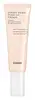
This chemical sunscreen covers most of the UV range, lighter on the deep UVA that drives aging.
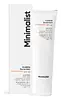
This chemical sunscreen covers the full UV range and blocks ~98% of UVB at SPF 40.


What's inside
What's inside
 Key Ingredients
Benefits
Concerns
Ingredients Side-by-side
Water
Skin ConditioningButylene Glycol
Humectant

Ethylhexyl Methoxycinnamate
UV Absorber


Cyclopentasiloxane
Emollient
CI 77891
Cosmetic ColorantGlycerin
Humectant
Ethylhexyl Salicylate
UV Absorber
Cetyl Ethylhexanoate
EmollientNiacinamide
Smoothing









Octyldodecanol
Emollient
1,2-Hexanediol
Skin Conditioning
Diethylamino Hydroxybenzoyl Hexyl Benzoate
UV Filter
Triceteareth-4 Phosphate
EmulsifyingGlycol Stearate
Emollient

Cetearyl Alcohol
Emollient



Glyceryl Stearate
Emollient
PEG-100 Stearate
Surfactant
PEG-2 Stearate
Emulsifying
Potassium Cetyl Phosphate
EmulsifyingHydroxyethyl Acrylate/Sodium Acryloyldimethyl Taurate Copolymer
Emulsion StabilisingStearic Acid
Cleansing
Sodium Acrylate/Sodium Acryloyldimethyl Taurate Copolymer
Emulsion StabilisingPalmitic Acid
Emollient
PEG-10 Dimethicone
Skin Conditioning
Snail Secretion Filtrate
Skin Conditioning
Sodium Polyacrylate
Absorbent
Aluminum Hydroxide
EmollientSynthetic Fluorphlogopite
Isohexadecane
EmollientEthylhexyl Stearate
Emollient
Caprylyl Glycol
Emollient
Polysorbate 80
Emulsifying
Triethoxycaprylylsilane
Ethylhexylglycerin
Skin ConditioningSorbitan Oleate
Emulsifying
Disodium EDTA
ChelatingTrideceth-6
EmulsifyingMyristic Acid
Cleansing
Arachidic Acid
Cleansing
Lauric Acid
Cleansing
Oleic Acid
Emollient
Water, Butylene Glycol, Ethylhexyl Methoxycinnamate, Cyclopentasiloxane, CI 77891, Glycerin, Ethylhexyl Salicylate, Cetyl Ethylhexanoate, Niacinamide, Octyldodecanol, 1,2-Hexanediol, Diethylamino Hydroxybenzoyl Hexyl Benzoate, Triceteareth-4 Phosphate, Glycol Stearate, Cetearyl Alcohol, Glyceryl Stearate, PEG-100 Stearate, PEG-2 Stearate, Potassium Cetyl Phosphate, Hydroxyethyl Acrylate/Sodium Acryloyldimethyl Taurate Copolymer, Stearic Acid, Sodium Acrylate/Sodium Acryloyldimethyl Taurate Copolymer, Palmitic Acid, PEG-10 Dimethicone, Snail Secretion Filtrate, Sodium Polyacrylate, Aluminum Hydroxide, Synthetic Fluorphlogopite, Isohexadecane, Ethylhexyl Stearate, Caprylyl Glycol, Polysorbate 80, Triethoxycaprylylsilane, Ethylhexylglycerin, Sorbitan Oleate, Disodium EDTA, Trideceth-6, Myristic Acid, Arachidic Acid, Lauric Acid, Oleic Acid
Cyclopentasiloxane
Emollient
Dimethicone Crosspolymer
Emulsion Stabilising
Octocrylene
UV Absorber
Ethylhexyl Salicylate
UV Absorber
Butyloctyl Salicylate
Skin Conditioning
Diisopropyl Adipate
EmollientPropylene Glycol Dicaprylate/Dicaprate
EmollientC12-15 Alkyl Benzoate
AntimicrobialDiisopropyl Sebacate
EmollientButyl Methoxydibenzoylmethane
UV Absorber
Isododecane
EmollientDicaprylyl Carbonate
EmollientDimethicone/Vinyl Dimethicone Crosspolymer
Skin Conditioning
Silica
Abrasive
Polymethylsilsesquioxane
Simmondsia Chinensis Seed Oil
Emollient
Squalane
Emollient
Solanum Lycopersicum Fruit Extract
Antioxidant
Diethylamino Hydroxybenzoyl Hexyl Benzoate
UV Filter
Homosalate
Skin Conditioning
Microcrystalline Wax
Emulsion StabilisingTocopheryl Acetate
Antioxidant
Silica Silylate
Emollient
Quaternium-90 Sepiolite
Emulsion StabilisingQuaternium-90 Montmorillonite
EmulsifyingBHT
Antioxidant
Cyclopentasiloxane, Dimethicone Crosspolymer, Octocrylene, Ethylhexyl Salicylate, Butyloctyl Salicylate, Diisopropyl Adipate, Propylene Glycol Dicaprylate/Dicaprate, C12-15 Alkyl Benzoate, Diisopropyl Sebacate, Butyl Methoxydibenzoylmethane, Isododecane, Dicaprylyl Carbonate, Dimethicone/Vinyl Dimethicone Crosspolymer, Silica, Polymethylsilsesquioxane, Simmondsia Chinensis Seed Oil, Squalane, Solanum Lycopersicum Fruit Extract, Diethylamino Hydroxybenzoyl Hexyl Benzoate, Homosalate, Microcrystalline Wax, Tocopheryl Acetate, Silica Silylate, Quaternium-90 Sepiolite, Quaternium-90 Montmorillonite, BHT
Ingredients Explained
These ingredients are found in both products.
Ingredients higher up in an ingredient list are typically present in a larger amount.
Cyclopentasiloxane (D5) is a lightweight silicone that mostly acts as an emollient and solvent in cosmetics. Its the reason your products feel silky, fast-spreading, and non-greasy.
Since D5 is volatile, it does its thing and then evaporates off the skin quickly.
The safety profile of this ingredient is reassuring; the US CIR Expert Panel concluded D5 is safe as used in cosmetics and Health Canada concluded that D5 is not harmful to human health or the environment as currently used in cosmetics
There's a study that people mention about D5 in a rat study showing tumors. This study is related to long-term inhalation of high D5 levels.
Regulatory bodies have judged this study to be not applicable in topical skincare since skin absorption of D5 is very low and we're not really inhaling huge amounts of D5.
The only restriction for this ingredient is environmental. The European Chemicals Agency (ECHA) restricted D5 in wash-off cosmetics at or above 0.1% due to their persistence in water.
Learn more about CyclopentasiloxaneDiethylamino Hydroxybenzoyl Hexyl Benzoate (DHHB) is a chemical UV-A absorber. It is formulated for high UVA protection (320-400 nm).
DHHB is well-liked for:
DHHB has been approved by the EU, Japan, Taiwan, and South America for use up to 10%. Unfortunately, it has not been approved for use in the US or Canada due to slow regulatory processes.
This ingredient is soluble in oils, fats, and lipids.
Learn more about Diethylamino Hydroxybenzoyl Hexyl BenzoateEthylhexyl Salicylate (also called Octisalate or Octyl Salicylate) is an oil-soluble organic UV filter that's been used in sunscreen since the 1950's.
It absorbs UVB light in the 280-320 nm range with a peak absorbance around 306 nm.
You'll often see it paired with other UV filters to boost overall SPF because octisalate is a fairly week filter on its own.
The reason you'll see it so often is because it can help solubilize and stabilize the trickier filters like oxybenzone and avobenzone.
Unlike these filters, octisalate has pretty good photostability and doesn't create skin-damaging free radicals when exposed to sunlight.
The fatty-alcohol part of the molecule also gives it a light, emollient feel so it doubles as a nice texture enhancer.
Usage levels vary around the world:
Safety-wise, this ingredient has a pretty reassuring track record. The EU's Scientific Committee on Consumer Products (SCCP) found very low skin penetration in human skin tests and negative results for irritation, phototoxicity, and photoallergy.
The real-world allergy risk is pretty low too; a 2012 European study of 1,031 people recorded only 2 reactions to it (a rate of 0.19%).
You might have seen scary headlines about sunscreen getting into your blood.
In 2019, the FDA found that several chemical filters can absorb through the skin and show up in the bloodstream at small but measurable levels.
Here's the important part: these tiny levels are just a cutoff the FDA uses to decide which ingredients need more testing and doesn't mean anything harmful was found.
The researchers were clear that the results are no reason to stop wearing sunscreen.
Learn more about Ethylhexyl Salicylate

