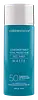
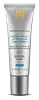
Colorescience Sunforgettable Total Protection Face Shield Matte SPF 50 PA++++ Versus SkinCeuticals Ultra Facial UV Defense Sunscreen SPF50
This hybrid sunscreen covers the full UV range and blocks ~98% of UVB at SPF 50.
This hybrid sunscreen covers the full UV range and blocks ~98% of UVB at SPF 50.

What's inside
What's inside
 Key Ingredients
Benefits
Concerns
Ingredients Side-by-side
Zinc Oxide 12%
Cosmetic Colorant


Water
Skin ConditioningC12-15 Alkyl Benzoate
AntimicrobialButyloctyl Salicylate
Skin Conditioning
Lauryl PEG-8 Dimethicone
Surfactant
Dimethicone/Vinyl Dimethicone Crosspolymer
Skin Conditioning
Polymethylsilsesquioxane/Silica Crosspolymer
Dimethicone
Emollient
Propanediol
Solvent

Niacinamide
Smoothing








Tridecyl Salicylate
Skin Conditioning
Trilaureth-4 Phosphate
EmulsifyingDimethiconol
Emollient
Lauryl PEG-10 Tris(Trimethylsiloxy)Silylethyl Dimethicone
Emulsifying
Maltodextrin
Absorbent
Sodium Chloride
MaskingBisabolol
Antioxidant
Polysilicone-11
Disodium Lauriminodipropionate
CleansingTocopheryl Phosphate
CleansingButylene Glycol
Humectant
Ethylhexylglycerin
Skin ConditioningAllantoin
Skin Conditioning
Tremella Fuciformis Sporocarp Extract
Antioxidant
Silica
Abrasive
Isoceteth-10
EmulsifyingCaprylyl Glycol
Emollient
Hexylene Glycol
EmulsifyingDimethylmethoxy Chromanol
Antioxidant
Caesalpinia Spinosa Fruit Pod Extract
Tetrasodium Glutamate Diacetate
Decyl Glucoside
Cleansing
Helianthus Annuus Sprout Extract
Skin ConditioningPhenoxyethanol
Preservative
Sodium Benzoate
Masking
Benzoic Acid
Masking
Dehydroacetic Acid
Preservative
Sodium Hydroxide
BufferingIron Oxides
Zinc Oxide 12%, Water, C12-15 Alkyl Benzoate, Butyloctyl Salicylate, Lauryl PEG-8 Dimethicone, Dimethicone/Vinyl Dimethicone Crosspolymer, Polymethylsilsesquioxane/Silica Crosspolymer, Dimethicone, Propanediol, Niacinamide, Tridecyl Salicylate, Trilaureth-4 Phosphate, Dimethiconol, Lauryl PEG-10 Tris(Trimethylsiloxy)Silylethyl Dimethicone, Maltodextrin, Sodium Chloride, Bisabolol, Polysilicone-11, Disodium Lauriminodipropionate, Tocopheryl Phosphate, Butylene Glycol, Ethylhexylglycerin, Allantoin, Tremella Fuciformis Sporocarp Extract, Silica, Isoceteth-10, Caprylyl Glycol, Hexylene Glycol, Dimethylmethoxy Chromanol, Caesalpinia Spinosa Fruit Pod Extract, Tetrasodium Glutamate Diacetate, Decyl Glucoside, Helianthus Annuus Sprout Extract, Phenoxyethanol, Sodium Benzoate, Benzoic Acid, Dehydroacetic Acid, Sodium Hydroxide, Iron Oxides
Water
Skin ConditioningEthylhexyl Methoxycinnamate
UV Absorber
Drometrizole Trisiloxane
UV Absorber
Glycerin
Humectant
Propylene Glycol
Humectant
Dimethicone
Emollient
Titanium Dioxide
Cosmetic Colorant
Alcohol Denat.
Antimicrobial

Pentylene Glycol
Skin Conditioning
Terephthalylidene Dicamphor Sulfonic Acid
UV Absorber
Diethylamino Hydroxybenzoyl Hexyl Benzoate
UV Filter
Triethanolamine
BufferingBis-Ethylhexyloxyphenol Methoxyphenyl Triazine
UV Absorber
Stearic Acid
Cleansing

Potassium Cetyl Phosphate
EmulsifyingTocopherol
Antioxidant
Sodium Cocoyl Sarcosinate
Cleansing
Phenoxyethanol
Preservative
PEG-100 Stearate
Surfactant
Palmitic Acid
Emollient
Xanthan Gum
EmulsifyingTromethamine
BufferingCaprylyl Glycol
Emollient
Carbomer
Emulsion StabilisingDisodium EDTA
Cetyl Alcohol
Emollient
Butylene Glycol
Humectant
Butyrospermum Parkii Seedcake Extract
Skin Protecting
Aluminum Hydroxide
EmollientGlyceryl Stearate
Emollient
Water, Ethylhexyl Methoxycinnamate, Drometrizole Trisiloxane, Glycerin, Propylene Glycol, Dimethicone, Titanium Dioxide, Alcohol Denat., Pentylene Glycol, Terephthalylidene Dicamphor Sulfonic Acid, Diethylamino Hydroxybenzoyl Hexyl Benzoate, Triethanolamine, Bis-Ethylhexyloxyphenol Methoxyphenyl Triazine, Stearic Acid, Potassium Cetyl Phosphate, Tocopherol, Sodium Cocoyl Sarcosinate, Phenoxyethanol, PEG-100 Stearate, Palmitic Acid, Xanthan Gum, Tromethamine, Caprylyl Glycol, Carbomer, Disodium EDTA, Cetyl Alcohol, Butylene Glycol, Butyrospermum Parkii Seedcake Extract, Aluminum Hydroxide, Glyceryl Stearate
Reviews
Ingredients Explained
These ingredients are found in both products.
Ingredients higher up in an ingredient list are typically present in a larger amount.
Butylene Glycol (or BG) is used within cosmetic products for a few different reasons:
Overall, Butylene Glycol is a safe and well-rounded ingredient that works well with other ingredients.
Though this ingredient works well with most skin types, some people with sensitive skin may experience a reaction such as allergic rashes, closed comedones, or itchiness.
Learn more about Butylene GlycolCaprylyl Glycol is a humectant, skin conditioner, emollient, and preservative booster derived from either caprylic acid or synthetically created.
Typical use levels vary from 0.3-1% as a preservative booster and go up to 2% to condition skin.
Because it is not a free-fatty acid, this ingredient is fungal acne safe (there's nothing for Malassezia to feed on).
Learn more about Caprylyl GlycolDimethicone is a type of synthetic silicone created from natural materials such as quartz. It is also known as polydimethylsiloxane.
What it does:
Dimethicone comes in different viscosities:
Depending on the viscosity, dimethicone has different properties.
Ingredients lists don't always show which type is used, so we recommend reaching out to the brand if you have questions about the viscosity.
This ingredient is unlikely to cause irritation because it does not get absorbed into skin. However, people with silicone allergies should be careful about using this ingredient.
Note: Dimethicone may contribute to pilling. This is because it is not oil or water soluble, so pilling may occur when layered with products. When mixed with heavy oils in a formula, the outcome is also quite greasy.
Learn more about DimethiconePhenoxyethanol is one of the most widely used preservatives in skincare (and for good reason!).
It has a large spectrum of antimicrobial activity and especially effective bacteria, yeast, and mold while only having a weak effect on your skin's natural microbiome.
On a cellular level, it disrupts the cell membranes of microbes by poking holes that make the cell leak. This shuts down the chemical reactions the microbe needs to make energy so it can no longer survive.
Another perk of this ingredient is that it stays functional across a wide pH range (3-10).
You'll often see it paired with boosters like Ethylhexylglycerin; one study showed that a 1:9 ratio of Ethylhexylglycerin to Phenoxyethanol damages bacterial membranes as effectively as doubling the Phenoxyethanol concentration on its own.
Typical use concentrations range from 0.3-1% depending on the formula, and this ingredient is capped at 1% int the EU.
Safety-wise, the fear mongering does not hold up to the evidence. The EU's Scientific Committee on Consumer Safety and FDA consider it safe as a preservative at up to 1%, including for children of all ages.
Adverse systemic effects only showed up in animal studies at exposures roughly 200x higher than what people get from cosmetics. And despite its very widespread use, this ingredient is a rare sensitizer and allergic reactions are uncommon.
Learn more about PhenoxyethanolWater. It's the most common cosmetic ingredient of all. You'll usually see it at the top of ingredient lists, meaning that it makes up the largest part of the product.
So why is it so popular? Water most often acts as a solvent - this means that it helps dissolve other ingredients into the formulation.
You'll also recognize water as that liquid we all need to stay alive. If you see this, drink a glass of water. Remember to stay hydrated!
Learn more about Water

