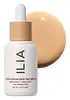
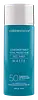
Ilia Super Serum Skin Tint SPF 40 Versus Colorescience Sunforgettable Total Protection Face Shield Matte SPF 50 PA++++
This hybrid sunscreen covers the full UV range and blocks ~98% of UVB at SPF 50.

What's inside
What's inside
 Key Ingredients
Benefits
Concerns
Ingredients Side-by-side
Water
Skin ConditioningSqualane
Emollient


Shea Butter Ethyl Esters
Emollient

Isoamyl Laurate
Emollient
Polyglyceryl-3 Ricinoleate
Emulsifying
Butyloctyl Salicylate
Skin Conditioning

Propanediol
Solvent
Isopropyl Isostearate
Emollient


Polyglyceryl-3 Diisostearate
Emulsifying
Methylpropanediol
SolventNiacinamide
Smoothing









Sodium Chloride
MaskingLecithin
Emollient
Caprylyl Glycol
Emollient
Silica
Abrasive
Aloe Barbadensis Leaf Juice Powder
Skin Conditioning
Bisabolol
Antioxidant
Hydrolyzed Sodium Hyaluronate
Skin Conditioning
Allantoin
Skin Conditioning
Phenylpropanol
Masking

Sodium Myristoyl Glutamate
CleansingSodium Hyaluronate
Humectant
Tetrasodium Glutamate Diacetate
ChelatingAluminum Hydroxide
EmollientPolyhydroxystearic Acid
Emulsifying
CI 77491
Cosmetic ColorantCI 77492
Cosmetic ColorantCI 77499
Cosmetic ColorantCI 77891
Cosmetic ColorantWater, Squalane, Shea Butter Ethyl Esters, Isoamyl Laurate, Polyglyceryl-3 Ricinoleate, Butyloctyl Salicylate, Propanediol, Isopropyl Isostearate, Polyglyceryl-3 Diisostearate, Methylpropanediol, Niacinamide, Sodium Chloride, Lecithin, Caprylyl Glycol, Silica, Aloe Barbadensis Leaf Juice Powder, Bisabolol, Hydrolyzed Sodium Hyaluronate, Allantoin, Phenylpropanol, Sodium Myristoyl Glutamate, Sodium Hyaluronate, Tetrasodium Glutamate Diacetate, Aluminum Hydroxide, Polyhydroxystearic Acid, CI 77491, CI 77492, CI 77499, CI 77891
Zinc Oxide 12%
Cosmetic Colorant
Water
Skin ConditioningC12-15 Alkyl Benzoate
AntimicrobialButyloctyl Salicylate
Skin Conditioning
Lauryl PEG-8 Dimethicone
Surfactant
Dimethicone/Vinyl Dimethicone Crosspolymer
Skin Conditioning
Polymethylsilsesquioxane/Silica Crosspolymer
Dimethicone
Emollient
Propanediol
Solvent
Niacinamide
Smoothing
Tridecyl Salicylate
Skin Conditioning
Trilaureth-4 Phosphate
EmulsifyingDimethiconol
Emollient
Lauryl PEG-10 Tris(Trimethylsiloxy)Silylethyl Dimethicone
Emulsifying
Maltodextrin
Absorbent
Sodium Chloride
MaskingBisabolol
Antioxidant
Polysilicone-11
Disodium Lauriminodipropionate
CleansingTocopheryl Phosphate
CleansingButylene Glycol
Humectant
Ethylhexylglycerin
Skin ConditioningAllantoin
Skin Conditioning
Tremella Fuciformis Sporocarp Extract
Antioxidant
Silica
Abrasive
Isoceteth-10
EmulsifyingCaprylyl Glycol
Emollient
Hexylene Glycol
EmulsifyingDimethylmethoxy Chromanol
Antioxidant
Caesalpinia Spinosa Fruit Pod Extract
Tetrasodium Glutamate Diacetate
ChelatingDecyl Glucoside
Cleansing
Helianthus Annuus Sprout Extract
Skin ConditioningPhenoxyethanol
Preservative
Sodium Benzoate
Masking
Benzoic Acid
Masking
Dehydroacetic Acid
Preservative
Sodium Hydroxide
BufferingIron Oxides
Zinc Oxide 12%, Water, C12-15 Alkyl Benzoate, Butyloctyl Salicylate, Lauryl PEG-8 Dimethicone, Dimethicone/Vinyl Dimethicone Crosspolymer, Polymethylsilsesquioxane/Silica Crosspolymer, Dimethicone, Propanediol, Niacinamide, Tridecyl Salicylate, Trilaureth-4 Phosphate, Dimethiconol, Lauryl PEG-10 Tris(Trimethylsiloxy)Silylethyl Dimethicone, Maltodextrin, Sodium Chloride, Bisabolol, Polysilicone-11, Disodium Lauriminodipropionate, Tocopheryl Phosphate, Butylene Glycol, Ethylhexylglycerin, Allantoin, Tremella Fuciformis Sporocarp Extract, Silica, Isoceteth-10, Caprylyl Glycol, Hexylene Glycol, Dimethylmethoxy Chromanol, Caesalpinia Spinosa Fruit Pod Extract, Tetrasodium Glutamate Diacetate, Decyl Glucoside, Helianthus Annuus Sprout Extract, Phenoxyethanol, Sodium Benzoate, Benzoic Acid, Dehydroacetic Acid, Sodium Hydroxide, Iron Oxides
Reviews
Ingredients Explained
These ingredients are found in both products.
Ingredients higher up in an ingredient list are typically present in a larger amount.
Allantoin is a soothing ingredient known for its protective and moisturizing properties; it's basically a quiet workhorse ingredient you can find in a huge range of cosmetics.
Though it can be derived from the comfrey plant, allantoin is produced synthetically for cosmetic products to ensure purity.
Research shows it can encourage your skin cells to turn over and renew by stimulating keratinocyte and fibroblast proliferation.
It also has mild keratolytic properties to help loosen and shed dead skin cells without being harsh.
Studies also suggest allantoin can help calm inflammation by dialing down some of the chemical signals your skin sends out when it is irritated.
This ingredient is typically used in the 0.1-0.5% range, and the FDA recognizes it as a skin protectant in OTC products up to 2%.
Overall, allantoin is a wonderful addition to most routines; it is stable across a wide pH range (~4-8), works well with other ingredients, and is considered non-sensitizing/non-irritating.
Fun fact: Allantoin is naturally occurring in comfrey root, beets, chamomile, and wheat sprouts. Our bodies even produce it as a byproduct of uric acid metabolism.
Learn more about AllantoinBisabolol is a gentle skin conditioner, antioxidant, and soothing ingredient.
It's primary claim to fame is soothing and research shows topically applied bisabolol can quiet the chemical messengers that cause your skin to become inflamed, helping to sooth any irritation.
A clinical study found that applying 0.5% bisabolol daily for 8 weeks produced an average 9% decrease in skin pigmentation. Researchers found it can also suppress the process that leads to excess melanin production in skin.
In vitro studies found that bisabolol combined with propylene glycol significantly increased skin permeability by increasing lipid fluidity in the stratum corneum.
You'll likely see use concentrations quite low, usually 0.1-0.2%.
Overall, this is a well-tolerated ingredient that works well in formulas designed for sensitive, reactive, or post-procedure skin.
Learn more about BisabololButyloctyl Salicylate is a chemical UV filter structurally similar to octisalate. It is a photostabilizer, SPF booster, emollient and solvent. This ingredient helps evenly spread out ingredients.
According to a manufacturer, it is suitable for pairing with micro Titanium Dioxide, Zinc Oxide, and pigments.
Photostabilizers help stabilize UV-filters and prevents them from degrading quickly.
Learn more about Butyloctyl SalicylateCaprylyl Glycol is a humectant, skin conditioner, emollient, and preservative booster derived from either caprylic acid or synthetically created.
Typical use levels vary from 0.3-1% as a preservative booster and go up to 2% to condition skin.
Because it is not a free-fatty acid, this ingredient is fungal acne safe (there's nothing for Malassezia to feed on).
Learn more about Caprylyl GlycolNiacinamide is a multitasking form of vitamin B3 that strengthens the skin barrier, reduces pores and dark spots, regulates oil, and improves signs of aging.
And the best part? It's gentle and well-tolerated by most skin types, including sensitive and reactive skin.
You might have heard of "niacin flush", or the reddening of skin that causes itchiness. Niacinamide has not been found to cause this.
In very rare cases, some individuals may not be able to tolerate niacinamide at all or experience an allergic reaction to it.
If you are experiencing flaking, irritation, and dryness with this ingredient, be sure to double check all your products as this ingredient can be found in all categories of skincare.
When incorporating niacinamide into your routine, look out for concentration amounts. Typically, 5% niacinamide provides benefits such as fading dark spots. However, if you have sensitive skin, it is better to begin with a smaller concentration.
When you apply niacinamide to your skin, your body converts it into nicotinamide adenine dinucleotide (NAD). NAD is an essential coenzyme that is already found in your cells as "fuel" and powers countless biological processes.
In your skin, NAD helps repair cell damage, produce new healthy cells, support collagen production, strengthen the skin barrier, and fight environmental stressors (like UV and pollution).
Our natural NAD levels start to decline with age, leading to slower skin repair, visible aging, and a weaker skin barrier. By providing your skin niacinamide, you're recharging your skin's NAD levels. This leads to stronger, healthier, and younger looking skin.
Another name for vitamin B3 is nicotinamide. This vitamin is water-soluble and our bodies don't store it. We obtain Vitamin B3 from either food or skincare. Meat, fish, wheat, yeast, and leafy greens contain vitamin B3.
The type of niacinamide used in skincare is synthetically created.
Learn more about NiacinamidePropanediol is an all-star ingredient. It softens, hydrates, and smooths the skin.
It’s often used to:
Propanediol is not likely to cause sensitivity and considered safe to use. It is derived from corn or petroleum with a clear color and no scent.
Learn more about PropanediolSilica, also known as silicon dioxide, is a naturally occurring mineral. It is used as a fine, spherical, and porous powder in cosmetics.
Though it has exfoliant properties, the function of silica varies depending on the product.
The unique structure of silica enhances the spreadability and adds smoothness, making it a great texture enhancer.
It is also used as an active carrier, emulsifier, and mattifier due to its ability to absorb excess oil.
In some products, tiny microneedles called spicules are made from silica or hydrolyzed sponge. When you rub them in, they lightly polish away dead skin layers and enhance the penetration of active ingredients.
Learn more about SilicaChances are, you eat sodium chloride every day. Sodium Chloride is also known as table salt. This ingredient has many purposes in skincare: thickener, emulsifier, and exfoliator.
You'll most likely find this ingredient in cleansers where it is used to create a gel-like texture. As an emulsifier, it also prevents ingredients from separating.
You might see people debate whether Sodium Chloride is comedogenic, but there actually haven't been any comedogenic tests done on it. Either way, the overall formulation of a product matters a lot more than any single ingredient.
You might see this ingredient used in scrubs as a primary exfoliating ingredient.
Learn more about Sodium ChlorideTetrasodium Glutamate Diacetate is a chelating agent. Chelating agents help prevent metal ions from binding to other ingredients. This helps prevent unwanted effects and reactions from a product. These metal ions may come from water and are found in miniscule amounts.
Tetrasodium Glutamate Diacetate can also help other preservatives be more effective.
Water. It's the most common cosmetic ingredient of all. You'll usually see it at the top of ingredient lists, meaning that it makes up the largest part of the product.
So why is it so popular? Water most often acts as a solvent - this means that it helps dissolve other ingredients into the formulation.
You'll also recognize water as that liquid we all need to stay alive. If you see this, drink a glass of water. Remember to stay hydrated!
Learn more about Water

