

What's inside
What's inside
 Key Ingredients
Benefits
Concerns
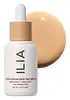
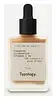
Ingredients Side-by-side
Water
Skin ConditioningSqualane
Emollient


Shea Butter Ethyl Esters
Emollient

Isoamyl Laurate
Emollient
Polyglyceryl-3 Ricinoleate
Emulsifying
Butyloctyl Salicylate
Skin Conditioning

Propanediol
Solvent
Isopropyl Isostearate
Emollient


Polyglyceryl-3 Diisostearate
Emulsifying
Methylpropanediol
SolventNiacinamide
Smoothing









Sodium Chloride
MaskingLecithin
Emollient
Caprylyl Glycol
Emollient
Silica
Abrasive
Aloe Barbadensis Leaf Juice Powder
Skin Conditioning
Bisabolol
Antioxidant
Hydrolyzed Sodium Hyaluronate
Skin Conditioning
Allantoin
Skin Conditioning
Phenylpropanol
Masking

Sodium Myristoyl Glutamate
CleansingSodium Hyaluronate
Humectant
Tetrasodium Glutamate Diacetate
ChelatingAluminum Hydroxide
EmollientPolyhydroxystearic Acid
Emulsifying
CI 77491
Cosmetic ColorantCI 77492
Cosmetic ColorantCI 77499
Cosmetic ColorantCI 77891
Cosmetic ColorantWater, Squalane, Shea Butter Ethyl Esters, Isoamyl Laurate, Polyglyceryl-3 Ricinoleate, Butyloctyl Salicylate, Propanediol, Isopropyl Isostearate, Polyglyceryl-3 Diisostearate, Methylpropanediol, Niacinamide, Sodium Chloride, Lecithin, Caprylyl Glycol, Silica, Aloe Barbadensis Leaf Juice Powder, Bisabolol, Hydrolyzed Sodium Hyaluronate, Allantoin, Phenylpropanol, Sodium Myristoyl Glutamate, Sodium Hyaluronate, Tetrasodium Glutamate Diacetate, Aluminum Hydroxide, Polyhydroxystearic Acid, CI 77491, CI 77492, CI 77499, CI 77891
Water
Skin ConditioningIsoamyl Laurate
Emollient
C9-12 Alkane
SolventSqualane
Emollient
Polyglyceryl-3 Diisostearate
Emulsifying
Propanediol
Solvent
Silica
Abrasive
Polyglyceryl-6 Polyricinoleate
Emulsifying
Glycerin
Humectant
Magnesium Sulfate
Ascorbyl Tetraisopalmitate
Antioxidant
Polyglyceryl-2 Isostearate
Emulsifying
Coco-Caprylate/Caprate
Emollient
Disteardimonium Hectorite
StabilisingHydroxyethylcellulose
Emulsion StabilisingSodium Benzoate
Masking
Disodium Stearoyl Glutamate
CleansingPotassium Sorbate
Preservative
Aloe Barbadensis Leaf Juice
Skin Conditioning
Aluminum Hydroxide
EmollientSodium Nitrate
SoothingCI 77891
Cosmetic ColorantCI 77492
Cosmetic ColorantCI 77491
Cosmetic ColorantCI 77499
Cosmetic ColorantWater, Isoamyl Laurate, C9-12 Alkane, Squalane, Polyglyceryl-3 Diisostearate, Propanediol, Silica, Polyglyceryl-6 Polyricinoleate, Glycerin, Magnesium Sulfate, Ascorbyl Tetraisopalmitate, Polyglyceryl-2 Isostearate, Coco-Caprylate/Caprate, Disteardimonium Hectorite, Hydroxyethylcellulose, Sodium Benzoate, Disodium Stearoyl Glutamate, Potassium Sorbate, Aloe Barbadensis Leaf Juice, Aluminum Hydroxide, Sodium Nitrate, CI 77891, CI 77492, CI 77491, CI 77499
Reviews
Ingredients Explained
These ingredients are found in both products.
Ingredients higher up in an ingredient list are typically present in a larger amount.
Aluminum Hydroxide is a form of aluminum. It can be naturally found in nature as the mineral gibbsite. In cosmetics, Aluminum Hydroxide is used as a colorant, pH adjuster, and absorbent.
As a colorant, Aluminum Hydroxide may add opacity, or reduce the transparency. Aluminum hydroxide is contains both basic and acidic properties.
According to manufacturers, this ingredient is an emollient and humectant. This means it helps hydrate the skin.
In medicine, this ingredient is used to help relieve heartburn and help heal ulcers.
There is currently no credible scientific evidence linking aluminum hydroxide in cosmetics to increased cancer risk.
Major health organizations allow the use of aluminum hydroxide in personal care products and have not flagged it as a carcinogenic risk at typical usage levels.
Learn more about Aluminum HydroxideCi 77491 is also hydrated iron III oxide. It's sole purpose is to give a red/pink hue to products.
Iron III oxides are classified as inorganic chemicals for coloring.
Synthetically created Ci 77491 is considered safer than those naturally found. This is because the synthetically created version may contain less impurities. Iron oxides are generally non-toxic and non-allergenic.
Learn more about CI 77491CI 77492 is also hydrated iron III oxide. It's sole purpose is to give a yellow hue to products.
Iron III oxides are classified as inorganic chemicals for coloring.
Synthetically created CI 77492 is considered safer than those naturally found. This is because the synthetically created version may contain less impurities. Iron oxides are generally non-toxic and non-allergenic.
Learn more about CI 77492Ci 77499 is also hydrated iron III oxide. It is created from mixing red and black iron oxides. This helps give shades of darkness to a product.
Iron III oxides are classified as inorganic chemicals for coloring.
Ci 77891 is a white pigment from Titanium dioxide. It is naturally found in minerals such as rutile and ilmenite.
It's main function is to add a white color to cosmetics. It can also be mixed with other colors to create different shades.
Ci 77891 is commonly found in sunscreens due to its ability to block UV rays.
Learn more about CI 77891Isoamyl Laurate is a plant-derived and biodegradable lightweight emollient that is an Ecocert/COSMOS approved alternative to silicones.
It functions as an emollient that helps soften and hydrate skin without leaving a greasy/sticky feel.
You'll find it in a range of products from makeup to sunscreen, and typically at low percentages (~2-5%).
This ingredient is deemed safe at current cosmetic use and non-sensitizing in human studies (it's even approved as a food additive flavoring substance).
Because this ingredient is an easter of lauric acid, it falls in the C11-24 range that Malassezia can feed on, making this ingredient not fungal acne safe.
Learn more about Isoamyl LauratePolyglyceryl-3 Diisostearate is a plant-derived, oil-soluble emulsifier. It keeps water-in-oil emulsions stable to prevent the ingredients from separating.
On the safety front, it's considered non-irritating and well-tolerated (it can even be found in formulations for baby skin).
This ingredient may not be fungal acne safe because research has shown that the Malassezia species can grow in the presence of fatty acid esters with chain lengths above C12 (and this one is C18).
While it does have a comedogenic rating of 4, the comedogenic rating scale was developed from rabbit ear models which has limited clinical relevance to human skin. Studies also show that comedogenic ingredients cannot predict how the overall formula will behave on human skin.
Learn more about Polyglyceryl-3 DiisostearatePropanediol is an all-star ingredient. It softens, hydrates, and smooths the skin.
It’s often used to:
Propanediol is not likely to cause sensitivity and considered safe to use. It is derived from corn or petroleum with a clear color and no scent.
Learn more about PropanediolSilica, also known as silicon dioxide, is a naturally occurring mineral. It is used as a fine, spherical, and porous powder in cosmetics.
Though it has exfoliant properties, the function of silica varies depending on the product.
The unique structure of silica enhances the spreadability and adds smoothness, making it a great texture enhancer.
It is also used as an active carrier, emulsifier, and mattifier due to its ability to absorb excess oil.
In some products, tiny microneedles called spicules are made from silica or hydrolyzed sponge. When you rub them in, they lightly polish away dead skin layers and enhance the penetration of active ingredients.
Learn more about SilicaSqualane is the hydrogenated and shelf-stable form of squalene (a lipid that naturally occurs in human sebum).
It is an emollient and skin conditioning agent that is able to integrate seamlessly into the skin's lipid barrier without clogging pores.
This is due to how structurally similar it is to what your skin already produces.
Though it is mostly an emollient that helps soften and hydrate skin, it also has some humectant and occlusive action. Humectants help the skin retain moisture while occlusives seal it in, making squalane a triple-threat moisturizer.
Research shows it has antioxidant capabilities that help protect against stressors like UV exposure, specifically UVA induced oxidative stress. This study also found that it supports collagen biosynthesis in human dermal fibroblasts.
No clinical study has reported significant adverse effects and irritation reactions are very rare from this ingredient (even at 100% concentration).
Overall, it's a fantastic ingredient for hydration and is suitable for all skin types.
This depends on the source. Squalane can be derived from both plants and animals. Most squalane used in skincare comes from plants.
Please note: the source of squalane is only known if disclosed by the brand. We recommend reaching out to the brand if you have any questions about their squalane.
Read more about squalene with an "e".
Though squalane is often called an oil, it’s technically not one. It is a hydrocarbon, meaning it is only made of carbon and hydrogen. True oils are triglycerides and made of fatty acids and glycerol.
The term “oil-free” isn’t regulated so companies can define it however they want. Some exclude all oils, while others just avoid mineral oil or comedogenic oils.
Squalane has a comedogenic rating of 1 from the original 1972 study that tested raw ingredients under occlusion on rabbit ears. This system is not standardized or peer-reviewed, and using the raw ingredients is very different from how diluted cosmetic formulations are used on human skin.
A comedogenic rating of 1 means it is "unlikely to clog pores" according to the original rating system.
The overall formula of a product matters more than the individual ingredients on whether or not it will cause clogged pores.
Learn more about SqualaneWater. It's the most common cosmetic ingredient of all. You'll usually see it at the top of ingredient lists, meaning that it makes up the largest part of the product.
So why is it so popular? Water most often acts as a solvent - this means that it helps dissolve other ingredients into the formulation.
You'll also recognize water as that liquid we all need to stay alive. If you see this, drink a glass of water. Remember to stay hydrated!
Learn more about Water

