
What's inside
What's inside
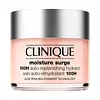 Key Ingredients
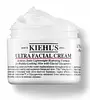
Benefits
Concerns
No concerns
Ingredients Side-by-side
Water
Skin ConditioningDimethicone
Emollient
Butylene Glycol
Humectant
Glycerin
Humectant


Trisiloxane
Skin Conditioning
Trehalose
Humectant
Sucrose
Humectant
Ammonium Acryloyldimethyltaurate/Vp Copolymer
Hydroxyethyl Urea
Humectant
Camellia Sinensis Leaf Extract
Antimicrobial




Silybum Marianum Extract
Skin ConditioningBetula Alba Bark Extract
Masking
Saccharomyces Lysate Extract
Humectant
Aloe Barbadensis Leaf Water
MaskingAloe Barbadensis Leaf Extract
Emollient
Thermus Thermophillus Ferment
Skin ConditioningCaffeine
Skin Conditioning
Sorbitol
Humectant
Palmitoyl Hexapeptide-12
Skin Conditioning

Sodium Hyaluronate
Humectant
Caprylyl Glycol
Emollient
Oleth-10
EmulsifyingSodium Polyaspartate
HumectantAloe Barbadensis Leaf Polysaccharides
Emollient
Lactobacillus Ferment Lysate
Skin Conditioning
Saccharide Isomerate
Humectant
Hydrogenated Lecithin
Emulsifying
Tocopheryl Acetate
Antioxidant
Acrylates/C10-30 Alkyl Acrylate Crosspolymer
Emulsion StabilisingGlyceryl Polymethacrylate
Tromethamine
BufferingPEG-8
HumectantHexylene Glycol
EmulsifyingMagnesium Ascorbyl Phosphate
Antioxidant

Citric Acid
Buffering


BHT
Antioxidant
Disodium EDTA
Sodium Citrate
BufferingPotassium Sorbate
Preservative
Sodium Benzoate
Masking
Phenoxyethanol
Preservative
CI 14700
Cosmetic ColorantCI 19140
Cosmetic ColorantWater, Dimethicone, Butylene Glycol, Glycerin, Trisiloxane, Trehalose, Sucrose, Ammonium Acryloyldimethyltaurate/Vp Copolymer, Hydroxyethyl Urea, Camellia Sinensis Leaf Extract, Silybum Marianum Extract, Betula Alba Bark Extract, Saccharomyces Lysate Extract, Aloe Barbadensis Leaf Water, Aloe Barbadensis Leaf Extract, Thermus Thermophillus Ferment, Caffeine, Sorbitol, Palmitoyl Hexapeptide-12, Sodium Hyaluronate, Caprylyl Glycol, Oleth-10, Sodium Polyaspartate, Aloe Barbadensis Leaf Polysaccharides, Lactobacillus Ferment Lysate, Saccharide Isomerate, Hydrogenated Lecithin, Tocopheryl Acetate, Acrylates/C10-30 Alkyl Acrylate Crosspolymer, Glyceryl Polymethacrylate, Tromethamine, PEG-8, Hexylene Glycol, Magnesium Ascorbyl Phosphate, Citric Acid, BHT, Disodium EDTA, Sodium Citrate, Potassium Sorbate, Sodium Benzoate, Phenoxyethanol, CI 14700, CI 19140
Water
Skin ConditioningGlycerin
Humectant
Cyclohexasiloxane
Emollient
Squalane
Emollient
Bis-PEG-18 Methyl Ether Dimethyl Silane
EmollientSucrose Stearate
EmollientStearyl Alcohol
Emollient
PEG-8 Stearate
Emulsifying
Myristyl Myristate
Emollient

Pentaerythrityl Tetraethylhexanoate
Emollient
Prunus Armeniaca Kernel Oil
Masking
Phenoxyethanol
Preservative
Persea Gratissima Oil
Skin Conditioning
Glyceryl Stearate
Emollient
Cetyl Alcohol
Emollient
Oryza Sativa Bran Oil
Emollient
Olea Europaea Fruit Oil
Masking
Chlorphenesin
Antimicrobial
Stearic Acid
Cleansing
Palmitic Acid
Emollient
Disodium EDTA
Acrylates/C10-30 Alkyl Acrylate Crosspolymer
Emulsion StabilisingCarbomer
Emulsion StabilisingPrunus Amygdalus Dulcis Oil
Skin Conditioning
Xanthan Gum
EmulsifyingEthylhexylglycerin
Skin ConditioningSodium Hydroxide
BufferingTocopherol
Antioxidant
Glycine Soja Oil
Emollient
Pseudoalteromonas Ferment Extract
Humectant
Myristic Acid
Cleansing
Hydroxypalmitoyl Sphinganine
Skin Conditioning
BHT
Antioxidant
Salicylic Acid
Masking



Citric Acid
Buffering
Water, Glycerin, Cyclohexasiloxane, Squalane, Bis-PEG-18 Methyl Ether Dimethyl Silane, Sucrose Stearate, Stearyl Alcohol, PEG-8 Stearate, Myristyl Myristate, Pentaerythrityl Tetraethylhexanoate, Prunus Armeniaca Kernel Oil, Phenoxyethanol, Persea Gratissima Oil, Glyceryl Stearate, Cetyl Alcohol, Oryza Sativa Bran Oil, Olea Europaea Fruit Oil, Chlorphenesin, Stearic Acid, Palmitic Acid, Disodium EDTA, Acrylates/C10-30 Alkyl Acrylate Crosspolymer, Carbomer, Prunus Amygdalus Dulcis Oil, Xanthan Gum, Ethylhexylglycerin, Sodium Hydroxide, Tocopherol, Glycine Soja Oil, Pseudoalteromonas Ferment Extract, Myristic Acid, Hydroxypalmitoyl Sphinganine, BHT, Salicylic Acid, Citric Acid
Reviews
Ingredients Explained
These ingredients are found in both products.
Ingredients higher up in an ingredient list are typically present in a larger amount.
Acrylates/C10-30 Alkyl Acrylate Crosspolymer is a synthetic polymer. It is used to thicken and improve the texture of products. Due to its properties, it can prevent water and oil ingredients from separating.
BHT is a synthetic antioxidant and preservative.
As an antioxidant, it helps your body fight off free-radicals. Free-radicals are molecules that may damage your skin cells.
As a preservative, it is used to stabilize products and prevent them from degrading. Specifically, BHT prevents degradation from oxidation.
The concerns related to BHT come from oral studies; this ingredient is currently allowed for use by both the FDA and EU.
However, it was recently restricted for use in the UK as of April 2024.
Learn more about BHTCitric Acid is an alpha hydroxy acid (AHA) naturally found in citrus fruits like oranges, lemons, and limes.
Like other AHAs, citric acid can exfoliate skin by breaking down the bonds that hold dead skin cells together. This helps reveal smoother and brighter skin underneath.
However, this exfoliating effect only happens at high concentrations (20%) which can be hard to find in cosmetic products.
Due to this, citric acid is usually included in small amounts as a pH adjuster. This helps keep products slightly more acidic and compatible with skin's natural pH.
In skincare formulas, citric acid can:
While it can provide some skin benefits, research shows lactic acid and glycolic acid are generally more effective and less irritating exfoliants.
Most citric acid used in skincare today is made by fermenting sugars (usually from molasses). This synthetic version is identical to the natural citrus form but easier to stabilize and use in formulations.
Read more about some other popular AHA's here:
Learn more about Citric AcidDisodium EDTA plays a role in making products more stable by aiding other preservatives.
It is a chelating agent, meaning it neutralizes metal ions that may be found in a product.
Disodium EDTA is a salt of edetic acid and is found to be safe in cosmetic ingredients.
Learn more about Disodium EDTAGlycerin is already naturally found in your skin. It helps moisturize and protect your skin.
A study from 2016 found glycerin to be more effective as a humectant than AHAs and hyaluronic acid.
As a humectant, it helps the skin stay hydrated by pulling moisture to your skin. The low molecular weight of glycerin allows it to pull moisture into the deeper layers of your skin.
Hydrated skin improves your skin barrier; Your skin barrier helps protect against irritants and bacteria.
Glycerin has also been found to have antimicrobial and antiviral properties. Due to these properties, glycerin is often used in wound and burn treatments.
In cosmetics, glycerin is usually derived from plants such as soybean or palm. However, it can also be sourced from animals, such as tallow or animal fat.
This ingredient is organic, colorless, odorless, and non-toxic.
Glycerin is the name for this ingredient in American English. British English uses Glycerol/Glycerine.
Learn more about GlycerinPhenoxyethanol is a preservative that has germicide, antimicrobial, and aromatic properties. Studies show that phenoxyethanol can prevent microbial growth. By itself, it has a scent that is similar to that of a rose.
It's often used in formulations along with Caprylyl Glycol to preserve the shelf life of products.
Water. It's the most common cosmetic ingredient of all. You'll usually see it at the top of ingredient lists, meaning that it makes up the largest part of the product.
So why is it so popular? Water most often acts as a solvent - this means that it helps dissolve other ingredients into the formulation.
You'll also recognize water as that liquid we all need to stay alive. If you see this, drink a glass of water. Stay hydrated!
Learn more about Water
