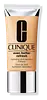
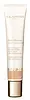
Clinique Even Better Refresh Hydrating and Repairing Makeup Versus Clarins Skin Illusion Tinted Moisturizer SPF 25


What's inside
What's inside
 Key Ingredients
Benefits
Concerns
Ingredients Side-by-side
Water
Skin ConditioningDimethicone
Emollient

Methyl Trimethicone
Skin Conditioning
Trimethylsiloxysilicate/Dimethiconol Crosspolymer
Butylene Glycol
Humectant

Phenyl Trimethicone
Skin Conditioning
Neopentyl Glycol Diheptanoate
EmollientNiacinamide
Smoothing









Hydroxyethyl Urea
Humectant
PPG-12/Smdi Copolymer
EmollientLauryl PEG-9 Polydimethylsiloxyethyl Dimethicone
Skin Conditioning
Glycerin
Humectant
Sodium Polyaspartate
HumectantPEG-10 Dimethicone
Skin Conditioning
Sigesbeckia Orientalis Extract
Skin ConditioningPolygonum Cuspidatum Root Extract
Antioxidant
Acetyl Hexapeptide-8
Humectant
Sorbitol
Humectant
Isopropyl Isostearate
Emollient




PPG-15 Stearyl Ether
EmollientMicrococcus Lysate
Skin ConditioningResveratrol
Antioxidant
Palmitoyl Hexapeptide-12
Skin Conditioning
Salicylic Acid
Masking



Caffeine
Skin Conditioning
Polysilicone-11
Sodium Chloride
MaskingTocopheryl Acetate
Antioxidant
Polymethyl Methacrylate
Disteardimonium Hectorite
StabilisingDimethicone/PEG-10/15 Crosspolymer
Lecithin
Emollient
Triethoxycaprylylsilane
Caprylyl Glycol
Emollient
Zinc Stearate
Cosmetic ColorantGlyceryl Polymethacrylate
Laureth-7
EmulsifyingTrehalose
Humectant
Triethyl Citrate
Masking

Sodium Hyaluronate
Humectant
Dimethicone Silylate
PEG-8
HumectantMagnesium Aluminum Silicate
Absorbent
Methicone
Emollient
Alumina
Abrasive
Silica
Abrasive
Propylene Glycol Caprylate
Skin ConditioningHexylene Glycol
EmulsifyingXanthan Gum
EmulsifyingDisodium EDTA
ChelatingBHT
Antioxidant
Potassium Sorbate
Preservative
Phenoxyethanol
Preservative
Mica
Cosmetic ColorantCI 77491
Cosmetic ColorantCI 77492
Cosmetic ColorantCI 77499
Cosmetic ColorantCI 77891
Cosmetic ColorantWater, Dimethicone, Methyl Trimethicone, Trimethylsiloxysilicate/Dimethiconol Crosspolymer, Butylene Glycol, Phenyl Trimethicone, Neopentyl Glycol Diheptanoate, Niacinamide, Hydroxyethyl Urea, PPG-12/Smdi Copolymer, Lauryl PEG-9 Polydimethylsiloxyethyl Dimethicone, Glycerin, Sodium Polyaspartate, PEG-10 Dimethicone, Sigesbeckia Orientalis Extract, Polygonum Cuspidatum Root Extract, Acetyl Hexapeptide-8, Sorbitol, Isopropyl Isostearate, PPG-15 Stearyl Ether, Micrococcus Lysate, Resveratrol, Palmitoyl Hexapeptide-12, Salicylic Acid, Caffeine, Polysilicone-11, Sodium Chloride, Tocopheryl Acetate, Polymethyl Methacrylate, Disteardimonium Hectorite, Dimethicone/PEG-10/15 Crosspolymer, Lecithin, Triethoxycaprylylsilane, Caprylyl Glycol, Zinc Stearate, Glyceryl Polymethacrylate, Laureth-7, Trehalose, Triethyl Citrate, Sodium Hyaluronate, Dimethicone Silylate, PEG-8, Magnesium Aluminum Silicate, Methicone, Alumina, Silica, Propylene Glycol Caprylate, Hexylene Glycol, Xanthan Gum, Disodium EDTA, BHT, Potassium Sorbate, Phenoxyethanol, Mica, CI 77491, CI 77492, CI 77499, CI 77891
Water
Skin ConditioningDicaprylyl Carbonate
EmollientDiisopropyl Sebacate
EmollientButylene Glycol
Humectant
CI 77891
Cosmetic ColorantEthylhexyl Salicylate
UV Absorber

Dimethicone
Emollient
Ethylhexyl Triazone
UV Absorber
Polyglyceryl-6 Stearate
Emollient
Glycerin
Humectant
Diethylamino Hydroxybenzoyl Hexyl Benzoate
UV Filter
Bis-Ethylhexyloxyphenol Methoxyphenyl Triazine
UV Absorber
Potassium Cetyl Phosphate
EmulsifyingCI 77492
Cosmetic ColorantAmmonium Acryloyldimethyltaurate/Vp Copolymer
Caprylyl Glycol
Emollient
Cetyl Alcohol
Emollient
Parfum
Masking
Avena Sativa Kernel Extract
Abrasive
Polyglyceryl-6 Behenate
Emulsion Stabilising
Xanthan Gum
EmulsifyingEthylhexylglycerin
Skin ConditioningHydrolyzed Hyaluronic Acid
Humectant
CI 77491
Cosmetic ColorantDimethiconol
Emollient
Tocopheryl Acetate
Antioxidant
Potassium Sorbate
Preservative
Disodium EDTA
ChelatingCaprylic/Capric Triglyceride
Masking
Phytic Acid
Chelating
Sodium Hydroxide
BufferingCI 77499
Cosmetic ColorantActinidia Chinensis Fruit Extract
EmollientSodium Benzoate
Masking
Marrubium Vulgare Extract
Skin ConditioningPhenethyl Alcohol
MaskingTocopherol
Antioxidant
Cichorium Intybus Leaf Extract
MaskingFurcellaria Lumbricalis Extract
Skin ConditioningHexylene Glycol
EmulsifyingArbutus Unedo Fruit Extract
Antioxidant
Maris Sal
Skin ConditioningWater, Dicaprylyl Carbonate, Diisopropyl Sebacate, Butylene Glycol, CI 77891, Ethylhexyl Salicylate, Dimethicone, Ethylhexyl Triazone, Polyglyceryl-6 Stearate, Glycerin, Diethylamino Hydroxybenzoyl Hexyl Benzoate, Bis-Ethylhexyloxyphenol Methoxyphenyl Triazine, Potassium Cetyl Phosphate, CI 77492, Ammonium Acryloyldimethyltaurate/Vp Copolymer, Caprylyl Glycol, Cetyl Alcohol, Parfum, Avena Sativa Kernel Extract, Polyglyceryl-6 Behenate, Xanthan Gum, Ethylhexylglycerin, Hydrolyzed Hyaluronic Acid, CI 77491, Dimethiconol, Tocopheryl Acetate, Potassium Sorbate, Disodium EDTA, Caprylic/Capric Triglyceride, Phytic Acid, Sodium Hydroxide, CI 77499, Actinidia Chinensis Fruit Extract, Sodium Benzoate, Marrubium Vulgare Extract, Phenethyl Alcohol, Tocopherol, Cichorium Intybus Leaf Extract, Furcellaria Lumbricalis Extract, Hexylene Glycol, Arbutus Unedo Fruit Extract, Maris Sal
Ingredients Explained
These ingredients are found in both products.
Ingredients higher up in an ingredient list are typically present in a larger amount.
Butylene Glycol (or BG) is used within cosmetic products for a few different reasons:
Overall, Butylene Glycol is a safe and well-rounded ingredient that works well with other ingredients.
Though this ingredient works well with most skin types, some people with sensitive skin may experience a reaction such as allergic rashes, closed comedones, or itchiness.
Learn more about Butylene GlycolCaprylyl Glycol is a humectant, skin conditioner, emollient, and preservative booster derived from either caprylic acid or synthetically created.
Typical use levels vary from 0.3-1% as a preservative booster and go up to 2% to condition skin.
Because it is not a free-fatty acid, this ingredient is fungal acne safe (there's nothing for Malassezia to feed on).
Learn more about Caprylyl GlycolCi 77491 is also hydrated iron III oxide. It's sole purpose is to give a red/pink hue to products.
Iron III oxides are classified as inorganic chemicals for coloring.
Synthetically created Ci 77491 is considered safer than those naturally found. This is because the synthetically created version may contain less impurities. Iron oxides are generally non-toxic and non-allergenic.
Learn more about CI 77491CI 77492 is also hydrated iron III oxide. It's sole purpose is to give a yellow hue to products.
Iron III oxides are classified as inorganic chemicals for coloring.
Synthetically created CI 77492 is considered safer than those naturally found. This is because the synthetically created version may contain less impurities. Iron oxides are generally non-toxic and non-allergenic.
Learn more about CI 77492Ci 77499 is also hydrated iron III oxide. It is created from mixing red and black iron oxides. This helps give shades of darkness to a product.
Iron III oxides are classified as inorganic chemicals for coloring.
Ci 77891 is a white pigment from Titanium dioxide. It is naturally found in minerals such as rutile and ilmenite.
It's main function is to add a white color to cosmetics. It can also be mixed with other colors to create different shades.
Ci 77891 is commonly found in sunscreens due to its ability to block UV rays.
Learn more about CI 77891Dimethicone is a type of synthetic silicone created from natural materials such as quartz. It is also known as polydimethylsiloxane.
What it does:
Dimethicone comes in different viscosities:
Depending on the viscosity, dimethicone has different properties.
Ingredients lists don't always show which type is used, so we recommend reaching out to the brand if you have questions about the viscosity.
This ingredient is unlikely to cause irritation because it does not get absorbed into skin. However, people with silicone allergies should be careful about using this ingredient.
Note: Dimethicone may contribute to pilling. This is because it is not oil or water soluble, so pilling may occur when layered with products. When mixed with heavy oils in a formula, the outcome is also quite greasy.
Learn more about DimethiconeDisodium EDTA is a chelating agent. It grabs onto and deactivates metal ions that sneak into your products from water, packaging, or air.
This ingredient mainly works behind the scenes and helps with:
On top of that, this ingredient can counteract the effects of hard water by binding to the minerals in it.
One thing worth knowing is that Disodium EDTA has been shown to be a mild penetration enhancer. It can help other ingredients absorb into skin more effectively which can be a double-edged sword (great for actives, but can also make the active too strong if you have sensitive skin).
Clinical patch testing showed no significant skin irritation at typical use concentrations and minimal dermal absorption.
You'll most likely see this ingredient near the end of an ingredient list. It's typically found in concentrations less than 1%.
Learn more about Disodium EDTAGlycerin (or glycerol) is a compound naturally found in your skin. It's a powerhouse humectant that pulls water into the stratum corneum.
Topically, glycerin does several things at once:
Your skin makes glycerin on its own (mostly from sebaceous oil breakdown) and shuttles it to your outermost layer of skin, or your epidermis, via aquaporin-3.
Aquaporin-3 is a transporter that is essential for normal skin hydration, elasticity, and repair. Interestingly, mice lacking in AQP3 have dry and less elastic skin that can be fully corrected with glycerin.
This ingredient is non-irritating, plays well with almost every ingredient, and works across all skin types. Typical use is anywhere between 3-10% but can go up to 79% in some leave-on products.
Just know very high concentrations (>40%) can feel tacky in low humidity.
Glycerin is the name for this ingredient in American English. British English uses Glycerol/Glycerine.
Learn more about GlycerinHexylene Glycol is a multitasker ingredient that works as a solvent, humectant, emulsifier, viscosity reducer, and preservative booster.
It is able to dissolve both water and oil-soluble ingredients to stabilize tricky actives and make products spread more easily.
As a humectant, it pulls water into the skin. But it's a pretty minor moisturizing ingredient compared to other humectants, like glycerin.
Interestingly, it can act as a mild penetration enhancer. One in vitro study on human skin found a 12% concentration upped the absorption of mometasone furoate (a medicinal ingredient used to treat inflammatory skin conditions) up to 7%.
This ingredient is typically used at levels of 0.1-10% depending on the role it's playing.
A patch test study on eczema patients didn't find a significant increase in irritation versus the control group, but the potential for irritation rises at higher concentrations.
Learn more about Hexylene GlycolPotassium Sorbate is a preservative used to prevent yeast and mold in products. It is commonly found in both cosmetic and food products.
This ingredient comes from potassium salt derived from sorbic acid. Sorbic acid is a natural antibiotic and effective against fungus.
Both potassium sorbate and sorbic acid can be found in baked goods, cheeses, dried meats, dried fruit, ice cream, pickles, wine, yogurt, and more.
You'll often find this ingredient used with other preservatives.
Learn more about Potassium SorbateTocopheryl Acetate is a stable, shelf-friendly form of vitamin E.
Formulators love it because plain vitamin E oxidizes quickly once it hits air. This acetate version stays stable and resists going off, helping to extend a product's shelf life.
It's actually inactive on its own and works like a slow-release "storage" form; the enzymes in your skin called esterases gradually convert it into active vitamin E over time.
One in vivo study showed 5% of the acetate in the living layer of the epidermis converted to vitamin E after 5 days of application. This study also found the skin gained protection against UV damage even though the conversion was slow and small.
Once converted, vitamin E acts as a skin's main fat-soluble antioxidant that fights free radicals to protect skin from damage.
Topical vitamin E generally boosts the skin's photoprotection, and it reduced UV-damage in animal models.
This ingredient has some brightening potential but it's more of a prevention ingredient than spot-fader. Cell studies show it can slow down melanin production but it's worth noting that it's not the most powerful brightener out there.
Overall, it has a pretty solid safety profile and has been found to be non-irritating and non-comedogenic. Allergic reactions may happen but stay rare due to how widely the ingredient gets used.
The concentration will vary depending on the formula; industry data shows 0.1% in baby lotions, 3% in lipsticks, and 5% in foot powders. You can also find this ingredient at 100% in a pure vitamin E oil.
Most leave-on skincare keeps it at the lower end, often between 0.5-1%.
Learn more about Tocopheryl AcetateWater. It's the most common cosmetic ingredient of all. You'll usually see it at the top of ingredient lists, meaning that it makes up the largest part of the product.
So why is it so popular? Water most often acts as a solvent - this means that it helps dissolve other ingredients into the formulation.
You'll also recognize water as that liquid we all need to stay alive. If you see this, drink a glass of water. Remember to stay hydrated!
Learn more about WaterXanthan gum is used as a stabilizer and thickener within cosmetic products. It helps give products a sticky, thick feeling - preventing them from being too runny.
On the technical side of things, xanthan gum is a polysaccharide - a combination consisting of multiple sugar molecules bonded together.
Xanthan gum is a pretty common and great ingredient. It is a natural, non-toxic, non-irritating ingredient that is also commonly used in food products.
Learn more about Xanthan Gum

