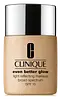
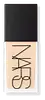
Clinique Even Better Glow™ Light Reflecting Makeup Broad Spectrum SPF 15 Versus NARS Cosmetics Light Reflecting Advanced Skincare Foundation


What's inside
What's inside
 Key Ingredients
Benefits
Concerns
Ingredients Side-by-side
Ethylhexyl Methoxycinnamate 6%
UV Absorber


Titanium Dioxide 3.8%
Cosmetic Colorant
Zinc Oxide 3%
Cosmetic Colorant
Water
Skin ConditioningMethyl Trimethicone
Skin Conditioning
Phenyl Trimethicone
Skin Conditioning
Triethylhexanoin
MaskingDimethicone
Emollient
Butylene Glycol
Humectant

Trimethylsiloxysilicate
Emollient
PEG-10 Dimethicone
Skin Conditioning
Lauryl PEG-9 Polydimethylsiloxyethyl Dimethicone
Skin Conditioning
Aluminum Hydroxide
EmollientC12-15 Alkyl Benzoate
AntimicrobialGlycerin
Humectant
Citrus Grandis Peel Extract
Astringent
Betula Alba Bark Extract
Masking
Saccharomyces Lysate Extract
Humectant

Camellia Sinensis Leaf Extract
Antimicrobial





Astrocaryum Murumuru Seed Butter
Emollient
Faex Extract
Skin ConditioningSalicylic Acid
Masking





Sodium Hyaluronate
Humectant
Caprylyl Glycol
Emollient
Jojoba Esters
Emollient
Sodium Myristoyl Sarcosinate
CleansingSodium Chloride
MaskingTocopheryl Acetate
Antioxidant
Acetyl Glucosamine
Skin Conditioning
Caprylyl Methicone
Skin Conditioning
Polyglyceryl-6 Polyricinoleate
Emulsifying
Methicone
Emollient
Dimethicone Crosspolymer-3
Skin Conditioning
Lecithin
Emollient
Magnesium Ascorbyl Phosphate
Antioxidant
Tetrahexyldecyl Ascorbate
Antioxidant
Disteardimonium Hectorite
StabilisingIsopropyl Titanium Triisostearate
Emollient
Laureth-7
EmulsifyingDipropylene Glycol
HumectantDimethicone/PEG-10/15 Crosspolymer
Disodium EDTA
Phenoxyethanol
Preservative
Mica
Cosmetic ColorantCI 77891
Cosmetic ColorantCI 77163
Cosmetic Colorant
CI 77492
Cosmetic ColorantCI 77491
Cosmetic ColorantCI 77499
Cosmetic ColorantEthylhexyl Methoxycinnamate 6%, Titanium Dioxide 3.8%, Zinc Oxide 3%, Water, Methyl Trimethicone, Phenyl Trimethicone, Triethylhexanoin, Dimethicone, Butylene Glycol, Trimethylsiloxysilicate, PEG-10 Dimethicone, Lauryl PEG-9 Polydimethylsiloxyethyl Dimethicone, Aluminum Hydroxide, C12-15 Alkyl Benzoate, Glycerin, Citrus Grandis Peel Extract, Betula Alba Bark Extract, Saccharomyces Lysate Extract, Camellia Sinensis Leaf Extract, Astrocaryum Murumuru Seed Butter, Faex Extract, Salicylic Acid, Sodium Hyaluronate, Caprylyl Glycol, Jojoba Esters, Sodium Myristoyl Sarcosinate, Sodium Chloride, Tocopheryl Acetate, Acetyl Glucosamine, Caprylyl Methicone, Polyglyceryl-6 Polyricinoleate, Methicone, Dimethicone Crosspolymer-3, Lecithin, Magnesium Ascorbyl Phosphate, Tetrahexyldecyl Ascorbate, Disteardimonium Hectorite, Isopropyl Titanium Triisostearate, Laureth-7, Dipropylene Glycol, Dimethicone/PEG-10/15 Crosspolymer, Disodium EDTA, Phenoxyethanol, Mica, CI 77891, CI 77163, CI 77492, CI 77491, CI 77499
Water
Skin ConditioningC9-12 Alkane
SolventButylene Glycol
Humectant
Undecane
EmollientTridecane
Perfuming
Isodecyl Neopentanoate
EmollientHydrogenated Polyisobutene
EmollientPolyglyceryl-6 Polyricinoleate
Emulsifying
Polyglyceryl-2 Diisostearate
Emulsifying
Disteardimonium Hectorite
StabilisingDiisostearyl Malate
EmollientGlycerin
Humectant
Synthetic Wax
Abrasive

Sodium Chloride
MaskingOphiopogon Japonicus Root Extract
Skin ConditioningAscophyllum Nodosum Extract
Skin ConditioningTheobroma Cacao Seed Extract
Antioxidant
Curcuma Longa Root Extract
Masking
Silybum Marianum Fruit Extract
Skin Conditioning
Aluminum Hydroxide
EmollientMagnesium Chloride
Sodium Dilauramidoglutamide Lysine
HumectantTocopherol
Antioxidant
Coco-Caprylate/Caprate
Emollient
Ethylhexylglycerin
Skin ConditioningPentylene Glycol
Skin Conditioning
Hydroxyphenyl Propamidobenzoic Acid
Skin ConditioningAscorbyl Palmitate
Antioxidant
Citric Acid
Buffering
Maris Aqua
HumectantTrisodium EDTA
CI 77120
Cosmetic ColorantAlumina
Abrasive
Chlorphenesin
Antimicrobial
Phenoxyethanol
Preservative
Potassium Sorbate
Preservative
CI 77491
Cosmetic ColorantCI 77492
Cosmetic ColorantCI 77499
Cosmetic ColorantMica
Cosmetic ColorantCI 77891
Cosmetic ColorantWater, C9-12 Alkane, Butylene Glycol, Undecane, Tridecane, Isodecyl Neopentanoate, Hydrogenated Polyisobutene, Polyglyceryl-6 Polyricinoleate, Polyglyceryl-2 Diisostearate, Disteardimonium Hectorite, Diisostearyl Malate, Glycerin, Synthetic Wax, Sodium Chloride, Ophiopogon Japonicus Root Extract, Ascophyllum Nodosum Extract, Theobroma Cacao Seed Extract, Curcuma Longa Root Extract, Silybum Marianum Fruit Extract, Aluminum Hydroxide, Magnesium Chloride, Sodium Dilauramidoglutamide Lysine, Tocopherol, Coco-Caprylate/Caprate, Ethylhexylglycerin, Pentylene Glycol, Hydroxyphenyl Propamidobenzoic Acid, Ascorbyl Palmitate, Citric Acid, Maris Aqua, Trisodium EDTA, CI 77120, Alumina, Chlorphenesin, Phenoxyethanol, Potassium Sorbate, CI 77491, CI 77492, CI 77499, Mica, CI 77891
Reviews
Ingredients Explained
These ingredients are found in both products.
Ingredients higher up in an ingredient list are typically present in a larger amount.
Aluminum Hydroxide is a form of aluminum. It can be naturally found in nature as the mineral gibbsite. In cosmetics, Aluminum Hydroxide is used as a colorant, pH adjuster, and absorbent.
As a colorant, Aluminum Hydroxide may add opacity, or reduce the transparency. Aluminum hydroxide is contains both basic and acidic properties.
According to manufacturers, this ingredient is an emollient and humectant. This means it helps hydrate the skin.
In medicine, this ingredient is used to help relieve heartburn and help heal ulcers.
There is currently no credible scientific evidence linking aluminum hydroxide in cosmetics to increased cancer risk.
Major health organizations allow the use of aluminum hydroxide in personal care products and have not flagged it as a carcinogenic risk at typical usage levels.
Learn more about Aluminum HydroxideButylene Glycol (or BG) is used within cosmetic products for a few different reasons:
Overall, Butylene Glycol is a safe and well-rounded ingredient that works well with other ingredients.
Though this ingredient works well with most skin types, some people with sensitive skin may experience a reaction such as allergic rashes, closed comedones, or itchiness.
Learn more about Butylene GlycolCi 77491 is also hydrated iron III oxide. It's sole purpose is to give a red/pink hue to products.
Iron III oxides are classified as inorganic chemicals for coloring.
Synthetically created Ci 77491 is considered safer than those naturally found. This is because the synthetically created version may contain less impurities. Iron oxides are generally non-toxic and non-allergenic.
Learn more about CI 77491CI 77492 is also hydrated iron III oxide. It's sole purpose is to give a yellow hue to products.
Iron III oxides are classified as inorganic chemicals for coloring.
Synthetically created CI 77492 is considered safer than those naturally found. This is because the synthetically created version may contain less impurities. Iron oxides are generally non-toxic and non-allergenic.
Learn more about CI 77492Ci 77499 is also hydrated iron III oxide. It is created from mixing red and black iron oxides. This helps give shades of darkness to a product.
Iron III oxides are classified as inorganic chemicals for coloring.
Ci 77891 is a white pigment from Titanium dioxide. It is naturally found in minerals such as rutile and ilmenite.
It's main function is to add a white color to cosmetics. It can also be mixed with other colors to create different shades.
Ci 77891 is commonly found in sunscreens due to its ability to block UV rays.
Learn more about CI 77891Disteardimonium Hectorite comes from the clay mineral named hectorite. It is used to add thickness to a product.
It can also help stabilize a product by helping to disperse other ingredients.
Hectorite is a rare, white clay mineral.
Learn more about Disteardimonium HectoriteGlycerin (or glycerol) is a compound naturally found in your skin. It's a powerhouse humectant that pulls water into the stratum corneum.
Topically, glycerin does several things at once:
Your skin makes glycerin on its own (mostly from sebaceous oil breakdown) and shuttles it to your outermost layer of skin, or your epidermis, via aquaporin-3.
Aquaporin-3 is a transporter that is essential for normal skin hydration, elasticity, and repair. Interestingly, mice lacking in AQP3 have dry and less elastic skin that can be fully corrected with glycerin.
This ingredient is non-irritating, plays well with almost every ingredient, and works across all skin types. Typical use is anywhere between 3-10% but can go up to 79% in some leave-on products.
Just know very high concentrations (>40%) can feel tacky in low humidity.
Glycerin is the name for this ingredient in American English. British English uses Glycerol/Glycerine.
Learn more about GlycerinMica is a naturally occurring mineral used to add shimmer and color in cosmetics. It can also help improve the texture of a product or give it an opaque, white/silver color.
Serecite is the name for very fine but ragged grains of mica.
This ingredient is often coated with metal oxides like titanium dioxide. Trace amounts of heavy metals may be found in mica, but these metals are not harmful in our personal products.
Mica has been used since prehistoric times throughout the world. Ancient Egyptian, Indian, Greek, Roman, Aztec, and Chinese civilizations have used mica.
Learn more about MicaPhenoxyethanol is one of the most widely used preservatives in skincare (and for good reason!).
It has a large spectrum of antimicrobial activity and especially effective bacteria, yeast, and mold while only having a weak effect on your skin's natural microbiome.
On a cellular level, it disrupts the cell membranes of microbes by poking holes that make the cell leak. This shuts down the chemical reactions the microbe needs to make energy so it can no longer survive.
Another perk of this ingredient is that it stays functional across a wide pH range (3-10).
You'll often see it paired with boosters like Ethylhexylglycerin; one study showed that a 1:9 ratio of Ethylhexylglycerin to Phenoxyethanol damages bacterial membranes as effectively as doubling the Phenoxyethanol concentration on its own.
Typical use concentrations range from 0.3-1% depending on the formula, and this ingredient is capped at 1% int the EU.
Safety-wise, the fear mongering does not hold up to the evidence. The EU's Scientific Committee on Consumer Safety and FDA consider it safe as a preservative at up to 1%, including for children of all ages.
Adverse systemic effects only showed up in animal studies at exposures roughly 200x higher than what people get from cosmetics. And despite its very widespread use, this ingredient is a rare sensitizer and allergic reactions are uncommon.
Learn more about PhenoxyethanolPolyglyceryl-6 Polyricinoleate isn't fungal acne safe.
Chances are, you eat sodium chloride every day. Sodium Chloride is also known as table salt. This ingredient has many purposes in skincare: thickener, emulsifier, and exfoliator.
You'll most likely find this ingredient in cleansers where it is used to create a gel-like texture. As an emulsifier, it also prevents ingredients from separating.
You might see people debate whether Sodium Chloride is comedogenic, but there actually haven't been any comedogenic tests done on it. Either way, the overall formulation of a product matters a lot more than any single ingredient.
You might see this ingredient used in scrubs as a primary exfoliating ingredient.
Learn more about Sodium ChlorideWater. It's the most common cosmetic ingredient of all. You'll usually see it at the top of ingredient lists, meaning that it makes up the largest part of the product.
So why is it so popular? Water most often acts as a solvent - this means that it helps dissolve other ingredients into the formulation.
You'll also recognize water as that liquid we all need to stay alive. If you see this, drink a glass of water. Remember to stay hydrated!
Learn more about Water

