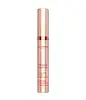
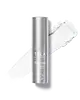
Clarins V Shaping Facial Lift Tightening & Anti-Puffiness Eye Concentrate Versus Tula Skincare Spresso Energizing Eye Balm
This anti-aging eye moisturizer is formulated around Caffeine and Panthenol to soften the look of wrinkles and calm redness.
This anti-aging eye moisturizer is formulated around Aloe Barbadensis Leaf Juice and Lactococcus Ferment Lysate to soften the look of wrinkles and hydrate skin.


What's inside
What's inside
 Key Ingredients
Benefits
Concerns
Ingredients Side-by-side
Water
Skin ConditioningGlycerin
Humectant


Butylene Glycol
Humectant
Betaine
Humectant
Alpha-Glucan Oligosaccharide
Cleansing
Cellulose
Absorbent
Sodium Acrylates Copolymer
Propanediol
Solvent
Caffeine
Skin Conditioning
Panthenol
Skin Conditioning
Hydroxyacetophenone
Antioxidant
Polyacrylate Crosspolymer-6
Emulsion StabilisingLecithin
Emollient
Avena Sativa Kernel Extract
Abrasive
Ethylhexylglycerin
Skin ConditioningXanthan Gum
EmulsifyingDisodium EDTA
ChelatingEscin
TonicZingiber Zerumbet Extract
Skin ConditioningChondrus Crispus Extract
Skin Conditioning
Tocopherol
Antioxidant


Marrubium Vulgare Extract
Skin ConditioningSodium Benzoate
Masking
Agropyron Repens Root Extract
MaskingSodium Hydroxide
BufferingXylitol
Humectant
T-Butyl Alcohol
Perfuming




Alchemilla Vulgaris Extract
AstringentPhenethyl Alcohol
MaskingFurcellaria Lumbricalis Extract
Skin ConditioningPotassium Sorbate
Preservative
Lapsana Communis Flower/Leaf/Stem Extract
Skin ConditioningMaris Sal
Skin ConditioningWater, Glycerin, Butylene Glycol, Betaine, Alpha-Glucan Oligosaccharide, Cellulose, Sodium Acrylates Copolymer, Propanediol, Caffeine, Panthenol, Hydroxyacetophenone, Polyacrylate Crosspolymer-6, Lecithin, Avena Sativa Kernel Extract, Ethylhexylglycerin, Xanthan Gum, Disodium EDTA, Escin, Zingiber Zerumbet Extract, Chondrus Crispus Extract, Tocopherol, Marrubium Vulgare Extract, Sodium Benzoate, Agropyron Repens Root Extract, Sodium Hydroxide, Xylitol, T-Butyl Alcohol, Alchemilla Vulgaris Extract, Phenethyl Alcohol, Furcellaria Lumbricalis Extract, Potassium Sorbate, Lapsana Communis Flower/Leaf/Stem Extract, Maris Sal
Water
Skin ConditioningPropanediol
Solvent
Aloe Barbadensis Leaf Juice
Skin Conditioning
Sodium Stearate
CleansingXylitol
Humectant
Mica
Cosmetic ColorantOleth-20
CleansingLactococcus Ferment Lysate
Skin Conditioning
Glycerin
Humectant
Caffeine
Skin Conditioning
Hyaluronic Acid
Humectant
Rosa Canina Fruit Oil
Emollient


Rosa Centifolia Flower Water
Skin ConditioningCitrullus Lanatus Fruit Extract
Skin Conditioning
Pyrus Malus Fruit Extract
Skin Conditioning
Vaccinium Corymbosum Fruit Extract
Skin ConditioningLactobacillus
Skin ConditioningLactobacillus Ferment
Skin Conditioning
Alpha-Glucan Oligosaccharide
Cleansing
Beta Vulgaris Root Extract
Skin ConditioningCurcuma Longa Root Extract
Antioxidant
Inulin
Skin Conditioning
Lens Esculenta Fruit Extract
Skin ConditioningLactic Acid
Buffering



Menthyl Lactate
Masking
Sodium PCA
Humectant
Menthone Glycerin Acetal
Refreshing
Diheptyl Succinate
EmollientCapryloyl Glycerin/Sebacic Acid Copolymer
Skin ConditioningXanthan Gum
EmulsifyingEthylhexylglycerin
Skin ConditioningSodium Lactate
Buffering
Sodium Benzoate
Masking
Phenoxyethanol
Preservative
Sodium Chloride
MaskingCitric Acid
Buffering
Tocopherol
Antioxidant
1,2-Hexanediol
Skin Conditioning
Butylene Glycol
Humectant
Calcium Alginate
MaskingCaprylyl Glycol
Emollient
Lecithin
Emollient
Maltodextrin
Absorbent
Polymnia Sonchifolia Root Juice
Skin ConditioningPterocarpus Marsupium Bark/Wood Extract
Sodium Citrate
BufferingSodium Hydroxide
BufferingPotassium Sorbate
Preservative
CI 77891
Cosmetic ColorantCI 77499
Cosmetic ColorantCI 77492
Cosmetic ColorantCI 77491
Cosmetic ColorantWater, Propanediol, Aloe Barbadensis Leaf Juice, Sodium Stearate, Xylitol, Mica, Oleth-20, Lactococcus Ferment Lysate, Glycerin, Caffeine, Hyaluronic Acid, Rosa Canina Fruit Oil, Rosa Centifolia Flower Water, Citrullus Lanatus Fruit Extract, Pyrus Malus Fruit Extract, Vaccinium Corymbosum Fruit Extract, Lactobacillus, Lactobacillus Ferment, Alpha-Glucan Oligosaccharide, Beta Vulgaris Root Extract, Curcuma Longa Root Extract, Inulin, Lens Esculenta Fruit Extract, Lactic Acid, Menthyl Lactate, Sodium PCA, Menthone Glycerin Acetal, Diheptyl Succinate, Capryloyl Glycerin/Sebacic Acid Copolymer, Xanthan Gum, Ethylhexylglycerin, Sodium Lactate, Sodium Benzoate, Phenoxyethanol, Sodium Chloride, Citric Acid, Tocopherol, 1,2-Hexanediol, Butylene Glycol, Calcium Alginate, Caprylyl Glycol, Lecithin, Maltodextrin, Polymnia Sonchifolia Root Juice, Pterocarpus Marsupium Bark/Wood Extract, Sodium Citrate, Sodium Hydroxide, Potassium Sorbate, CI 77891, CI 77499, CI 77492, CI 77491
Ingredients Explained
These ingredients are found in both products.
Ingredients higher up in an ingredient list are typically present in a larger amount.
Alpha-Glucan Oligosaccharide is a prebiotic. It prevents harmful bacteria from growing on skin by keeping the skin's microbiome in balance.
Another benefit of this ingredient is its antioxidant properties. Antioxidants protect our skin from oxidative damage.
Butylene Glycol (or BG) is used within cosmetic products for a few different reasons:
Overall, Butylene Glycol is a safe and well-rounded ingredient that works well with other ingredients.
Though this ingredient works well with most skin types, some people with sensitive skin may experience a reaction such as allergic rashes, closed comedones, or itchiness.
Learn more about Butylene GlycolCaffeine is a naturally occurring plant compound found in coffee beans, tea leaves, cocoa pods, and guarana.
As an antioxidant, caffeine protects your skin from free radical damage caused by UV exposure and envionrmnetal stressors.
Early research also shows that caffeine can help calm redness, soothe irritated skin, and support hair growth by stimulating microcirculation in the scalp.
You might have seen eye creams marketing caffeine as a depuffing ingredient. This is because it is a vasoconstrictor meaning it can temporarily constrict blood vessels, though clinical evidence for this specific use is still limited.
Most skincare products contain this ingredient at concentrations between 1-6%. It is able to penetrate skin easily regardless of skin type or thickness.
Just so you know, a very small number of case reports describe caffeine-induced allergy. This ingredient is generally well-tolerated, non-irritating, and non-sensitizing for the majority of people.
Learn more about CaffeineEthylhexylglycerin is created from glycerin. It is a multitasker ingredient that:
The CIR Expert Panel found minimal skin absorption or sensitization of any kind in a safety assessment. Though this ingredient is considered well-tolerated, a small number of cases of allergic dermatitis have been published since 2002. Just be sure to patch test if you are unsure.
Industry-reported use ranges from 8% in rinse-off products and 2% in leave-on formulations.
Learn more about EthylhexylglycerinGlycerin (or glycerol) is a compound naturally found in your skin. It's a powerhouse humectant that pulls water into the stratum corneum.
Topically, glycerin does several things at once:
Your skin makes glycerin on its own (mostly from sebaceous oil breakdown) and shuttles it to your outermost layer of skin, or your epidermis, via aquaporin-3.
Aquaporin-3 is a transporter that is essential for normal skin hydration, elasticity, and repair. Interestingly, mice lacking in AQP3 have dry and less elastic skin that can be fully corrected with glycerin.
This ingredient is non-irritating, plays well with almost every ingredient, and works across all skin types. Typical use is anywhere between 3-10% but can go up to 79% in some leave-on products.
Just know very high concentrations (>40%) can feel tacky in low humidity.
Glycerin is the name for this ingredient in American English. British English uses Glycerol/Glycerine.
Learn more about GlycerinLecithin is a term for a group of substances found in the cell membranes of plants, animals, and humans. They are made up of phospholipids.
Thanks to its amphiphilic structure (water-loving head and oil-loving tail), it is a true multitasker:
It plays well with most ingredients and is typically used at 0.1-1%. However, concentrations up to 50% have been reported in moisturizers.
Learn more about LecithinPotassium Sorbate is a preservative used to prevent yeast and mold in products. It is commonly found in both cosmetic and food products.
This ingredient comes from potassium salt derived from sorbic acid. Sorbic acid is a natural antibiotic and effective against fungus.
Both potassium sorbate and sorbic acid can be found in baked goods, cheeses, dried meats, dried fruit, ice cream, pickles, wine, yogurt, and more.
You'll often find this ingredient used with other preservatives.
Learn more about Potassium SorbatePropanediol is an all-star ingredient. It softens, hydrates, and smooths the skin.
It’s often used to:
Propanediol is not likely to cause sensitivity and considered safe to use. It is derived from corn or petroleum with a clear color and no scent.
Learn more about PropanediolSodium Benzoate is a preservative. It's used in both cosmetic and food products to inhibit the growth of mold and bacteria. It is typically produced synthetically.
Both the US FDA and EU Health Committee have approved the use of sodium benzoate. In the US, levels of 0.1% (of the total product) are allowed.
Sodium benzoate works as a preservative by inhibiting the growth of bacteria inside of cells. It prevents the cell from fermenting a type of sugar using an enzyme called phosphofructokinase.
It is the salt of benzoic acid. Foods containing sodium benzoate include soda, salad dressings, condiments, fruit juices, wines, and snack foods.
Studies for using ascorbic acid and sodium benzoate in cosmetics are lacking, especially in skincare routines with multiple steps.
We always recommend speaking with a professional, such as a dermatologist, if you have any concerns.
Learn more about Sodium BenzoateSodium Hydroxide is also known as lye or caustic soda. It is used to adjust the pH of products; many ingredients require a specific pH to be effective.
In small amounts, sodium hydroxide is considered safe to use. However, large amounts may cause chemical burns due to its high alkaline.
Your skin has a natural pH and acid mantle. This acid mantle helps prevent harmful bacteria from breaking through. The acid mantle also helps keep your skin hydrated.
"Alkaline" refers to a high pH level. A low pH level would be considered acidic.
Learn more about Sodium HydroxideTocopherol is a fat-soluble antioxidant known as Vitamin E.
You'll find this ingredient in the vast majority of skincare (for good reason). It works to neutralize free radicals, or unstable molecules generated by UV exposure, pollution, and other environmental stressors, before they can cause oxidative damage to your skin cells.
Topically applied tocopherol has been shown to protect against UV damage by ramping up the skin's own natural defense enzymes.
It also acts as a skin conditioning agent; some studies show that regular topical use can improve the skin's water-binding capacity over 2-4 weeks.
This ingredient is especially loved for being a team player. When combined with Vitamin C, the photoprotective effect of both ingredients roughly doubles and the combo also helps reduce UV-induced DNA damage.
This ingredient has some brightening potential but it's more of a prevention ingredient than spot-fader. Cell studies show it can slow down melanin production but it's worth noting that it's not the most powerful brightener out there.
In formulations, it also serves as a stabilizer that helps protect other oxidation-prone ingredients from degrading.
Concentrations usually range from 0.1-1% in most leave-on products.
Learn more about TocopherolWater. It's the most common cosmetic ingredient of all. You'll usually see it at the top of ingredient lists, meaning that it makes up the largest part of the product.
So why is it so popular? Water most often acts as a solvent - this means that it helps dissolve other ingredients into the formulation.
You'll also recognize water as that liquid we all need to stay alive. If you see this, drink a glass of water. Remember to stay hydrated!
Learn more about WaterXanthan gum is used as a stabilizer and thickener within cosmetic products. It helps give products a sticky, thick feeling - preventing them from being too runny.
On the technical side of things, xanthan gum is a polysaccharide - a combination consisting of multiple sugar molecules bonded together.
Xanthan gum is a pretty common and great ingredient. It is a natural, non-toxic, non-irritating ingredient that is also commonly used in food products.
Learn more about Xanthan GumXylitol is a humectant and prebiotic. It can help with dry skin.
In studies, xylitol has been shown to improve dry skin. It decreased transepidermal water loss, or when water passes through the skin and evaporates. Xylitol also showed to help improve the biomechanical properties of the skin barrier.
The prebiotic property of xylitol may also help reinforce our skin's natural microbiome. Having a healthy microbiome prevents infection by bad bacteria and helps with hydration.
As a humectant, Xylitol helps draw moisture from both the air and from deeper skin layers. This helps keep skin hydrated.
Xylitol is a sugar alcohol and commonly used as a sugar substitute. It is naturally occurring in plants such as strawberries and pumpkin.
Learn more about Xylitol

