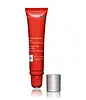
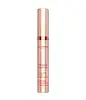
Clarins Men Energizing Eye Gel Versus Clarins V Shaping Facial Lift Tightening & Anti-Puffiness Eye Concentrate
This calming eye moisturizer is formulated around Caffeine and Panax Ginseng Root Extract to calm redness and hydrate skin.

What's inside
What's inside
 Key Ingredients
Benefits
Concerns
Ingredients Side-by-side
Water
Skin ConditioningGlycerin
Humectant


Propanediol
Solvent
Betaine
Humectant
Pentylene Glycol
Skin Conditioning
Ammonium Acryloyldimethyltaurate/Vp Copolymer
Caffeine
Skin Conditioning
Propylene Glycol
Humectant

Polyacrylate Crosspolymer-6
Emulsion StabilisingPPG-26-Buteth-26
Skin ConditioningPEG-40 Hydrogenated Castor Oil
Emulsifying

Avena Sativa Kernel Extract
Abrasive


Ethylhexylglycerin
Skin ConditioningTocopheryl Acetate
Antioxidant

Disodium EDTA
ChelatingEscin
TonicButylene Glycol
Humectant
Gymnema Sylvestre Leaf Extract
AstringentMarrubium Vulgare Extract
Skin ConditioningSempervivum Tectorum Extract
Skin ConditioningSodium Benzoate
Masking
T-Butyl Alcohol
Perfuming



Sodium Hydroxide
BufferingPanax Ginseng Root Extract
Emollient
Hierochloe Odorata Extract
MaskingPhenethyl Alcohol
MaskingFurcellaria Lumbricalis Extract
Skin ConditioningCI 42090
Cosmetic ColorantLapsana Communis Flower/Leaf/Stem Extract
Skin ConditioningMaris Sal
Skin ConditioningWater, Glycerin, Propanediol, Betaine, Pentylene Glycol, Ammonium Acryloyldimethyltaurate/Vp Copolymer, Caffeine, Propylene Glycol, Polyacrylate Crosspolymer-6, PPG-26-Buteth-26, PEG-40 Hydrogenated Castor Oil, Avena Sativa Kernel Extract, Ethylhexylglycerin, Tocopheryl Acetate, Disodium EDTA, Escin, Butylene Glycol, Gymnema Sylvestre Leaf Extract, Marrubium Vulgare Extract, Sempervivum Tectorum Extract, Sodium Benzoate, T-Butyl Alcohol, Sodium Hydroxide, Panax Ginseng Root Extract, Hierochloe Odorata Extract, Phenethyl Alcohol, Furcellaria Lumbricalis Extract, CI 42090, Lapsana Communis Flower/Leaf/Stem Extract, Maris Sal
Water
Skin ConditioningGlycerin
Humectant
Butylene Glycol
Humectant
Betaine
Humectant
Alpha-Glucan Oligosaccharide
Cleansing
Cellulose
Absorbent
Sodium Acrylates Copolymer
Propanediol
Solvent
Caffeine
Skin Conditioning
Panthenol
Skin Conditioning
Hydroxyacetophenone
Antioxidant
Polyacrylate Crosspolymer-6
Emulsion StabilisingLecithin
Emollient
Avena Sativa Kernel Extract
Abrasive
Ethylhexylglycerin
Skin ConditioningXanthan Gum
EmulsifyingDisodium EDTA
ChelatingEscin
TonicZingiber Zerumbet Extract
Skin ConditioningChondrus Crispus Extract
Skin Conditioning
Tocopherol
Antioxidant
Marrubium Vulgare Extract
Skin ConditioningSodium Benzoate
Masking
Agropyron Repens Root Extract
MaskingSodium Hydroxide
BufferingXylitol
Humectant
T-Butyl Alcohol
Perfuming
Alchemilla Vulgaris Extract
AstringentPhenethyl Alcohol
MaskingFurcellaria Lumbricalis Extract
Skin ConditioningPotassium Sorbate
Preservative
Lapsana Communis Flower/Leaf/Stem Extract
Skin ConditioningMaris Sal
Skin ConditioningWater, Glycerin, Butylene Glycol, Betaine, Alpha-Glucan Oligosaccharide, Cellulose, Sodium Acrylates Copolymer, Propanediol, Caffeine, Panthenol, Hydroxyacetophenone, Polyacrylate Crosspolymer-6, Lecithin, Avena Sativa Kernel Extract, Ethylhexylglycerin, Xanthan Gum, Disodium EDTA, Escin, Zingiber Zerumbet Extract, Chondrus Crispus Extract, Tocopherol, Marrubium Vulgare Extract, Sodium Benzoate, Agropyron Repens Root Extract, Sodium Hydroxide, Xylitol, T-Butyl Alcohol, Alchemilla Vulgaris Extract, Phenethyl Alcohol, Furcellaria Lumbricalis Extract, Potassium Sorbate, Lapsana Communis Flower/Leaf/Stem Extract, Maris Sal
Ingredients Explained
These ingredients are found in both products.
Ingredients higher up in an ingredient list are typically present in a larger amount.
Avena Sativa Kernel Extract is is derived from colloidal oatmeal. Besides being a healthy breakfast, oats have many benefits in skincare too.
This ingredient helps sooth, hydrate, and protect the skin. The starches in colloidal oatmeal are able to bind water, keeping the skin hydrated.
The cellulose and fiber in colloidal oatmeal help reduce inflammation. This can also help the skin feel softer.
Colloidal Oatmeal is also an antioxidant. Antioxidants protect our skin from free-radical damage.
Oatmeal also contains beneficial compounds:
This ingredient is created by mixing grounded oatmeal and a liquid base.
Learn more about Avena Sativa Kernel ExtractBetaine is a humectant. Like hyaluronic acid, it helps attract and retain moisture in the skin. It’s known for being gentle and for helping the skin maintain balanced hydration.
Betaine is mainly used to improve hydration and support calmer skin. It helps skin cells regulate water balance because it functions as an osmolyte.
Some studies suggest betaine may support making skin tone more even.
Fun fact: Betaine naturally exists in the skin and the body. In cosmetic products, it can be either plant-derived (most commonly from sugar beets) or synthetically produced for consistency and stability.
Betaine is also known as trimethylglycine.
Learn more about BetaineButylene Glycol (or BG) is used within cosmetic products for a few different reasons:
Overall, Butylene Glycol is a safe and well-rounded ingredient that works well with other ingredients.
Though this ingredient works well with most skin types, some people with sensitive skin may experience a reaction such as allergic rashes, closed comedones, or itchiness.
Learn more about Butylene GlycolCaffeine is a naturally occurring plant compound found in coffee beans, tea leaves, cocoa pods, and guarana.
As an antioxidant, caffeine protects your skin from free radical damage caused by UV exposure and envionrmnetal stressors.
Early research also shows that caffeine can help calm redness, soothe irritated skin, and support hair growth by stimulating microcirculation in the scalp.
You might have seen eye creams marketing caffeine as a depuffing ingredient. This is because it is a vasoconstrictor meaning it can temporarily constrict blood vessels, though clinical evidence for this specific use is still limited.
Most skincare products contain this ingredient at concentrations between 1-6%. It is able to penetrate skin easily regardless of skin type or thickness.
Just so you know, a very small number of case reports describe caffeine-induced allergy. This ingredient is generally well-tolerated, non-irritating, and non-sensitizing for the majority of people.
Learn more about CaffeineDisodium EDTA is a chelating agent. It grabs onto and deactivates metal ions that sneak into your products from water, packaging, or air.
This ingredient mainly works behind the scenes and helps with:
On top of that, this ingredient can counteract the effects of hard water by binding to the minerals in it.
One thing worth knowing is that Disodium EDTA has been shown to be a mild penetration enhancer. It can help other ingredients absorb into skin more effectively which can be a double-edged sword (great for actives, but can also make the active too strong if you have sensitive skin).
Clinical patch testing showed no significant skin irritation at typical use concentrations and minimal dermal absorption.
You'll most likely see this ingredient near the end of an ingredient list. It's typically found in concentrations less than 1%.
Learn more about Disodium EDTAWe don't have a description for Escin yet.
Ethylhexylglycerin is created from glycerin. It is a multitasker ingredient that:
The CIR Expert Panel found minimal skin absorption or sensitization of any kind in a safety assessment. Though this ingredient is considered well-tolerated, a small number of cases of allergic dermatitis have been published since 2002. Just be sure to patch test if you are unsure.
Industry-reported use ranges from 8% in rinse-off products and 2% in leave-on formulations.
Learn more about EthylhexylglycerinWe don't have a description for Furcellaria Lumbricalis Extract yet.
Glycerin (or glycerol) is a compound naturally found in your skin. It's a powerhouse humectant that pulls water into the stratum corneum.
Topically, glycerin does several things at once:
Your skin makes glycerin on its own (mostly from sebaceous oil breakdown) and shuttles it to your outermost layer of skin, or your epidermis, via aquaporin-3.
Aquaporin-3 is a transporter that is essential for normal skin hydration, elasticity, and repair. Interestingly, mice lacking in AQP3 have dry and less elastic skin that can be fully corrected with glycerin.
This ingredient is non-irritating, plays well with almost every ingredient, and works across all skin types. Typical use is anywhere between 3-10% but can go up to 79% in some leave-on products.
Just know very high concentrations (>40%) can feel tacky in low humidity.
Glycerin is the name for this ingredient in American English. British English uses Glycerol/Glycerine.
Learn more about GlycerinWe don't have a description for Lapsana Communis Flower/Leaf/Stem Extract yet.
We don't have a description for Maris Sal yet.
We don't have a description for Marrubium Vulgare Extract yet.
Phenethyl Alcohol is a colorless and aromatic alohol. It is naturally occuring in essential oils.
The scent of this ingredient is floral and often compared to rose.
Like other alcohols, this ingredient helps prevent the growth of bacteria. However, its main purpose is to impact a fragrance.
Learn more about Phenethyl AlcoholPolyacrylate Crosspolymer-6 is a texture enhancer and pH adjuster.
It is be used to thicken water-based products and create a gel-texture with a velvet feel.
One manufacturer claims this ingredient to have a pH range of 2-8 and to be biodegradable.
This ingredient is also known as Sepimax Zen.
Learn more about Polyacrylate Crosspolymer-6Propanediol is an all-star ingredient. It softens, hydrates, and smooths the skin.
It’s often used to:
Propanediol is not likely to cause sensitivity and considered safe to use. It is derived from corn or petroleum with a clear color and no scent.
Learn more about PropanediolSodium Benzoate is a preservative. It's used in both cosmetic and food products to inhibit the growth of mold and bacteria. It is typically produced synthetically.
Both the US FDA and EU Health Committee have approved the use of sodium benzoate. In the US, levels of 0.1% (of the total product) are allowed.
Sodium benzoate works as a preservative by inhibiting the growth of bacteria inside of cells. It prevents the cell from fermenting a type of sugar using an enzyme called phosphofructokinase.
It is the salt of benzoic acid. Foods containing sodium benzoate include soda, salad dressings, condiments, fruit juices, wines, and snack foods.
Studies for using ascorbic acid and sodium benzoate in cosmetics are lacking, especially in skincare routines with multiple steps.
We always recommend speaking with a professional, such as a dermatologist, if you have any concerns.
Learn more about Sodium BenzoateSodium Hydroxide is also known as lye or caustic soda. It is used to adjust the pH of products; many ingredients require a specific pH to be effective.
In small amounts, sodium hydroxide is considered safe to use. However, large amounts may cause chemical burns due to its high alkaline.
Your skin has a natural pH and acid mantle. This acid mantle helps prevent harmful bacteria from breaking through. The acid mantle also helps keep your skin hydrated.
"Alkaline" refers to a high pH level. A low pH level would be considered acidic.
Learn more about Sodium HydroxideT-Butyl Alcohol (aka tert-butanol) is a small, clear, camphor-smelling alcohol.
It has two main jobs:
On the safety side, it's well-studied and has a solid track record. Human repeat-insult patch testing showed no skin irritation or sensitization even at 100%.
Typical use levels are pretty tiny, usually less than 1%.
You might see some fear-mongering around this ingredient:
Studies in male rats showed kidney effects but that's because of a rat-specific protein that humans don't make. So this study isn't really relevant to humans.
Though it's not a typical fragrance like parfum, it does have a natural scent. That's why the official COSIng database lists it as 'perfuming' ingredient. It can be used to modify the scent of a formula.
Learn more about T-Butyl AlcoholWater. It's the most common cosmetic ingredient of all. You'll usually see it at the top of ingredient lists, meaning that it makes up the largest part of the product.
So why is it so popular? Water most often acts as a solvent - this means that it helps dissolve other ingredients into the formulation.
You'll also recognize water as that liquid we all need to stay alive. If you see this, drink a glass of water. Remember to stay hydrated!
Learn more about Water

