Clarins Men Energizing Eye Gel Versus Clinique For Men Super Energizer Anti-Fatigue Depuffing Eye Gel
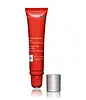
This calming eye moisturizer is formulated around Caffeine and Panax Ginseng Root Extract to calm redness and hydrate skin.
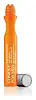
This calming eye moisturizer is formulated around Caffeine and Sodium Hyaluronate to calm redness and hydrate skin.


What's inside
What's inside
 Key Ingredients
Benefits
Concerns
Ingredients Side-by-side
Water
Skin ConditioningGlycerin
Humectant


Propanediol
Solvent
Betaine
Humectant
Pentylene Glycol
Skin Conditioning
Ammonium Acryloyldimethyltaurate/Vp Copolymer
Caffeine
Skin Conditioning
Propylene Glycol
Humectant

Polyacrylate Crosspolymer-6
Emulsion StabilisingPPG-26-Buteth-26
Skin ConditioningPEG-40 Hydrogenated Castor Oil
Emulsifying

Avena Sativa Kernel Extract
Abrasive


Ethylhexylglycerin
Skin ConditioningTocopheryl Acetate
Antioxidant

Disodium EDTA
ChelatingEscin
TonicButylene Glycol
Humectant
Gymnema Sylvestre Leaf Extract
AstringentMarrubium Vulgare Extract
Skin ConditioningSempervivum Tectorum Extract
Skin ConditioningSodium Benzoate
Masking
T-Butyl Alcohol
Perfuming



Sodium Hydroxide
BufferingPanax Ginseng Root Extract
Emollient
Hierochloe Odorata Extract
MaskingPhenethyl Alcohol
MaskingFurcellaria Lumbricalis Extract
Skin ConditioningCI 42090
Cosmetic ColorantLapsana Communis Flower/Leaf/Stem Extract
Skin ConditioningMaris Sal
Skin ConditioningWater, Glycerin, Propanediol, Betaine, Pentylene Glycol, Ammonium Acryloyldimethyltaurate/Vp Copolymer, Caffeine, Propylene Glycol, Polyacrylate Crosspolymer-6, PPG-26-Buteth-26, PEG-40 Hydrogenated Castor Oil, Avena Sativa Kernel Extract, Ethylhexylglycerin, Tocopheryl Acetate, Disodium EDTA, Escin, Butylene Glycol, Gymnema Sylvestre Leaf Extract, Marrubium Vulgare Extract, Sempervivum Tectorum Extract, Sodium Benzoate, T-Butyl Alcohol, Sodium Hydroxide, Panax Ginseng Root Extract, Hierochloe Odorata Extract, Phenethyl Alcohol, Furcellaria Lumbricalis Extract, CI 42090, Lapsana Communis Flower/Leaf/Stem Extract, Maris Sal
Water
Skin ConditioningButylene Glycol
Humectant
Glycerin
Humectant
Caffeine
Skin Conditioning
Polygonum Cuspidatum Root Extract
Antioxidant
Citrus Reticulata Peel Extract
Skin ConditioningRosmarinus Officinalis Leaf Extract
AntimicrobialVitis Vinifera Seed Extract
Antimicrobial
Punica Granatum Fruit Juice
MaskingPanthenol
Skin Conditioning
Sodium Hyaluronate
Humectant
Humulus Lupulus Extract
AntimicrobialLinolenic Acid
Cleansing
Faex Extract
Skin ConditioningLinoleic Acid
Cleansing
Glycine
Buffering
Nordihydroguaiaretic Acid
Antioxidant
Hydroxyproline
Skin ConditioningProline
Skin Conditioning
Acrylates Copolymer
Ethylbisiminomethylguaiacol Manganese Chloride
Antioxidant
Carbomer
Emulsion StabilisingCaprylyl Glycol
Emollient
Polyacrylamide
C13-14 Isoparaffin
Emollient
Hexylene Glycol
EmulsifyingLaureth-7
EmulsifyingBiosaccharide Gum-1
Humectant
Xanthan Gum
EmulsifyingDisodium EDTA
ChelatingPhenoxyethanol
Preservative
Mica
Cosmetic ColorantCI 77891
Cosmetic ColorantWater, Butylene Glycol, Glycerin, Caffeine, Polygonum Cuspidatum Root Extract, Citrus Reticulata Peel Extract, Rosmarinus Officinalis Leaf Extract, Vitis Vinifera Seed Extract, Punica Granatum Fruit Juice, Panthenol, Sodium Hyaluronate, Humulus Lupulus Extract, Linolenic Acid, Faex Extract, Linoleic Acid, Glycine, Nordihydroguaiaretic Acid, Hydroxyproline, Proline, Acrylates Copolymer, Ethylbisiminomethylguaiacol Manganese Chloride, Carbomer, Caprylyl Glycol, Polyacrylamide, C13-14 Isoparaffin, Hexylene Glycol, Laureth-7, Biosaccharide Gum-1, Xanthan Gum, Disodium EDTA, Phenoxyethanol, Mica, CI 77891
Reviews
Ingredients Explained
These ingredients are found in both products.
Ingredients higher up in an ingredient list are typically present in a larger amount.
Butylene Glycol (or BG) is used within cosmetic products for a few different reasons:
Overall, Butylene Glycol is a safe and well-rounded ingredient that works well with other ingredients.
Though this ingredient works well with most skin types, some people with sensitive skin may experience a reaction such as allergic rashes, closed comedones, or itchiness.
Learn more about Butylene GlycolCaffeine is a naturally occurring plant compound found in coffee beans, tea leaves, cocoa pods, and guarana.
As an antioxidant, caffeine protects your skin from free radical damage caused by UV exposure and envionrmnetal stressors.
Early research also shows that caffeine can help calm redness, soothe irritated skin, and support hair growth by stimulating microcirculation in the scalp.
You might have seen eye creams marketing caffeine as a depuffing ingredient. This is because it is a vasoconstrictor meaning it can temporarily constrict blood vessels, though clinical evidence for this specific use is still limited.
Most skincare products contain this ingredient at concentrations between 1-6%. It is able to penetrate skin easily regardless of skin type or thickness.
Just so you know, a very small number of case reports describe caffeine-induced allergy. This ingredient is generally well-tolerated, non-irritating, and non-sensitizing for the majority of people.
Learn more about CaffeineDisodium EDTA is a chelating agent. It grabs onto and deactivates metal ions that sneak into your products from water, packaging, or air.
This ingredient mainly works behind the scenes and helps with:
On top of that, this ingredient can counteract the effects of hard water by binding to the minerals in it.
One thing worth knowing is that Disodium EDTA has been shown to be a mild penetration enhancer. It can help other ingredients absorb into skin more effectively which can be a double-edged sword (great for actives, but can also make the active too strong if you have sensitive skin).
Clinical patch testing showed no significant skin irritation at typical use concentrations and minimal dermal absorption.
You'll most likely see this ingredient near the end of an ingredient list. It's typically found in concentrations less than 1%.
Learn more about Disodium EDTAGlycerin (or glycerol) is a compound naturally found in your skin. It's a powerhouse humectant that pulls water into the stratum corneum.
Topically, glycerin does several things at once:
Your skin makes glycerin on its own (mostly from sebaceous oil breakdown) and shuttles it to your outermost layer of skin, or your epidermis, via aquaporin-3.
Aquaporin-3 is a transporter that is essential for normal skin hydration, elasticity, and repair. Interestingly, mice lacking in AQP3 have dry and less elastic skin that can be fully corrected with glycerin.
This ingredient is non-irritating, plays well with almost every ingredient, and works across all skin types. Typical use is anywhere between 3-10% but can go up to 79% in some leave-on products.
Just know very high concentrations (>40%) can feel tacky in low humidity.
Glycerin is the name for this ingredient in American English. British English uses Glycerol/Glycerine.
Learn more about GlycerinWater. It's the most common cosmetic ingredient of all. You'll usually see it at the top of ingredient lists, meaning that it makes up the largest part of the product.
So why is it so popular? Water most often acts as a solvent - this means that it helps dissolve other ingredients into the formulation.
You'll also recognize water as that liquid we all need to stay alive. If you see this, drink a glass of water. Remember to stay hydrated!
Learn more about Water

