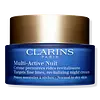
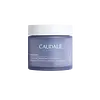
Clarins Multi-Active Night Cream Versus Caudalie Vinoperfect Dark Spot Correcting Glycolic Night Cream

What's inside
What's inside
 Key Ingredients
Benefits
Concerns
Ingredients Side-by-side
Water
Skin ConditioningCetearyl Isononanoate
EmollientGlycerin
Humectant



Isononyl Isononanoate
EmollientPropanediol
Solvent
Cetearyl Alcohol
Emollient



Sucrose Polystearate
EmollientButyrospermum Parkii Butter
Skin Conditioning
Cetearyl Glucoside
EmulsifyingSodium Stearoyl Glutamate
CleansingParfum
Masking


Cellulose
AbsorbentCetyl Palmitate
Emollient
Dipsacus Sylvestris Extract
Skin ConditioningCaprylyl Glycol
Emollient
Carbomer
Emulsion StabilisingEthylhexylglycerin
Skin ConditioningTocopheryl Acetate
Antioxidant

Disodium EDTA
Sodium Hyaluronate
Humectant
Actinidia Chinensis Fruit Extract
EmollientButylene Glycol
Humectant
Marrubium Vulgare Extract
Skin ConditioningHedychium Coronarium Root Extract
MaskingPhenethyl Alcohol
MaskingFurcellaria Lumbricalis Extract
Skin ConditioningSodium Citrate
BufferingCitric Acid
Buffering



Lactic Acid/Glycolic Acid Copolymer
Skin ConditioningLapsana Communis Flower/Leaf/Stem Extract
Skin ConditioningMaris Sal
Skin ConditioningHeptapeptide-15 Palmitate
Skin Conditioning
Polyvinyl Alcohol
Copper Palmitoyl Heptapeptide-14
Skin Conditioning
Water, Cetearyl Isononanoate, Glycerin, Isononyl Isononanoate, Propanediol, Cetearyl Alcohol, Sucrose Polystearate, Butyrospermum Parkii Butter, Cetearyl Glucoside, Sodium Stearoyl Glutamate, Parfum, Cellulose, Cetyl Palmitate, Dipsacus Sylvestris Extract, Caprylyl Glycol, Carbomer, Ethylhexylglycerin, Tocopheryl Acetate, Disodium EDTA, Sodium Hyaluronate, Actinidia Chinensis Fruit Extract, Butylene Glycol, Marrubium Vulgare Extract, Hedychium Coronarium Root Extract, Phenethyl Alcohol, Furcellaria Lumbricalis Extract, Sodium Citrate, Citric Acid, Lactic Acid/Glycolic Acid Copolymer, Lapsana Communis Flower/Leaf/Stem Extract, Maris Sal, Heptapeptide-15 Palmitate, Polyvinyl Alcohol, Copper Palmitoyl Heptapeptide-14
Water
Skin ConditioningSqualane
Emollient
Glycerin
Humectant
C9-12 Alkane
SolventVitis Vinifera Seed Oil
Emollient
Arachidyl Alcohol
Emollient1,2-Hexanediol
Skin Conditioning
Algin
Masking
Hydrogenated Castor Oil/Sebacic Acid Copolymer
Emollient
Palmitoyl Grapevine Shoot Extract
Antioxidant
Glycolic Acid
Buffering



Cetearyl Glucoside
EmulsifyingBehenyl Alcohol
Emollient
Bisabolol
Masking

Xanthan Gum
EmulsifyingSodium Hydroxide
BufferingDisteardimonium Hectorite
StabilisingCalcium Citrate
BufferingArachidyl Glucoside
EmulsifyingSorbitan Olivate
Emulsifying
Triethyl Citrate
Masking
Arginine
Masking
Sodium Dehydroacetate
Preservative
Cetearyl Alcohol
Emollient
Sodium Hyaluronate
Humectant
Helianthus Annuus Seed Oil
Emollient
Sodium Phytate
Tocopherol
Antioxidant
Papain
Skin ConditioningCaprylyl Glycol
Emollient
Carbomer
Emulsion StabilisingParfum
Masking
Water, Squalane, Glycerin, C9-12 Alkane, Vitis Vinifera Seed Oil, Arachidyl Alcohol, 1,2-Hexanediol, Algin, Hydrogenated Castor Oil/Sebacic Acid Copolymer, Palmitoyl Grapevine Shoot Extract, Glycolic Acid, Cetearyl Glucoside, Behenyl Alcohol, Bisabolol, Xanthan Gum, Sodium Hydroxide, Disteardimonium Hectorite, Calcium Citrate, Arachidyl Glucoside, Sorbitan Olivate, Triethyl Citrate, Arginine, Sodium Dehydroacetate, Cetearyl Alcohol, Sodium Hyaluronate, Helianthus Annuus Seed Oil, Sodium Phytate, Tocopherol, Papain, Caprylyl Glycol, Carbomer, Parfum
Reviews
Ingredients Explained
These ingredients are found in both products.
Ingredients higher up in an ingredient list are typically present in a larger amount.
Caprylyl Glycol is a humectant and emollient, meaning it attracts and preserves moisture.
It is a common ingredient in many products, especially those designed to hydrate skin. The primary benefits are retaining moisture, skin softening, and promoting a healthy skin barrier.
Though Caprylyl Glycol is an alcohol derived from fatty acids, it is not the kind that can dry out skin.
This ingredient is also used as a preservative to extend the life of products. It has slight antimicrobial properties.
Learn more about Caprylyl GlycolCarbomer is a polymer of acrylic acid. Its main role is to create a gel consistency.
A high amount of carbomer can cause pilling or balling up of products. Don't worry, most products contain 1% or less of carbomer.
Cetearyl alcohol is a mixture of two fatty alcohols: cetyl alcohol and stearyl alcohol. It is mainly used as an emulsifier. Emulsifiers help prevent the separation of oils and products. Due to its composition, it can also be used to thicken a product or help create foam.
Cetearyl alcohol is an emollient. Emollients help soothe and hydrate the skin by trapping moisture.
Studies show Cetearyl alcohol is non-toxic and non-irritating. The FDA allows products labeled "alcohol-free" to have fatty alcohols.
This ingredient is usually derived from plant oils such as palm, vegetable, or coconut oils. There is debate on whether this ingredient will cause acne.
Due to the fatty acid base, this ingredient may not be Malassezia folliculitis safe.
Learn more about Cetearyl AlcoholCetearyl Glucoside is a surfactant and emulsifier. It can be produced from synthetic of natural sources of cetearyl alcohol and glucose.
Emulsifiers help prevent ingredients from separating, such as oils and waters. It can also be used to enhance the texture of products.
As a surfactant, Cetearyl Glucoside helps during the cleansing process. By gathering all the dirt and oils, it allows these molecules to be washed away easily.
Learn more about Cetearyl GlucosideGlycerin is already naturally found in your skin. It helps moisturize and protect your skin.
A study from 2016 found glycerin to be more effective as a humectant than AHAs and hyaluronic acid.
As a humectant, it helps the skin stay hydrated by pulling moisture to your skin. The low molecular weight of glycerin allows it to pull moisture into the deeper layers of your skin.
Hydrated skin improves your skin barrier; Your skin barrier helps protect against irritants and bacteria.
Glycerin has also been found to have antimicrobial and antiviral properties. Due to these properties, glycerin is often used in wound and burn treatments.
In cosmetics, glycerin is usually derived from plants such as soybean or palm. However, it can also be sourced from animals, such as tallow or animal fat.
This ingredient is organic, colorless, odorless, and non-toxic.
Glycerin is the name for this ingredient in American English. British English uses Glycerol/Glycerine.
Learn more about GlycerinParfum is a catch-all term for an ingredient or more that is used to give a scent to products.
Also called "fragrance", this ingredient can be a blend of hundreds of chemicals or plant oils. This means every product with "fragrance" or "parfum" in the ingredients list is a different mixture.
For instance, Habanolide is a proprietary trade name for a specific aroma chemical. When used as a fragrance ingredient in cosmetics, most aroma chemicals fall under the broad labeling category of “FRAGRANCE” or “PARFUM” according to EU and US regulations.
The term 'parfum' or 'fragrance' is not regulated in many countries. In many cases, it is up to the brand to define this term.
For instance, many brands choose to label themselves as "fragrance-free" because they are not using synthetic fragrances. However, their products may still contain ingredients such as essential oils that are considered a fragrance by INCI standards.
One example is Calendula flower extract. Calendula is an essential oil that still imparts a scent or 'fragrance'.
Depending on the blend, the ingredients in the mixture can cause allergies and sensitivities on the skin. Some ingredients that are known EU allergens include linalool and citronellol.
Parfum can also be used to mask or cover an unpleasant scent.
The bottom line is: not all fragrances/parfum/ingredients are created equally. If you are worried about fragrances, we recommend taking a closer look at an ingredient. And of course, we always recommend speaking with a professional.
Learn more about ParfumSodium Hyaluronate is hyaluronic acid's salt form. It is commonly derived from the sodium salt of hyaluronic acid.
Like hyaluronic acid, it is great at holding water and acts as a humectant. This makes it a great skin hydrating ingredient.
Sodium Hyaluronate is naturally occurring in our bodies and is mostly found in eye fluid and joints.
These are some other common types of Hyaluronic Acid:
Learn more about Sodium HyaluronateWater. It's the most common cosmetic ingredient of all. You'll usually see it at the top of ingredient lists, meaning that it makes up the largest part of the product.
So why is it so popular? Water most often acts as a solvent - this means that it helps dissolve other ingredients into the formulation.
You'll also recognize water as that liquid we all need to stay alive. If you see this, drink a glass of water. Stay hydrated!
Learn more about Water
