

What's inside
What's inside
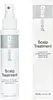 Key Ingredients
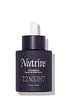
Benefits
Concerns
Ingredients Side-by-side
Water
Skin ConditioningGlycerin
Humectant


PEG-40 Hydrogenated Castor Oil
Emulsifying


Butylene Glycol
Humectant
Panthenol
Skin Conditioning

Gluconolactone
Chelating






Tocopheryl Acetate
Antioxidant

Camellia Sinensis Leaf Extract
Antimicrobial
Aloe Barbadensis Leaf Juice Powder
Skin Conditioning
Niacinamide
Smoothing

Apigenin
Antioxidant
Biotinoyl Tripeptide-1

Squalane
Emollient
Caffeine
Skin Conditioning
Ubiquinone
Antioxidant
Oleanolic Acid
Skin ConditioningCalcium Gluconate
HumectantPhytantriol
HumectantAlcohol Denat.
Antimicrobial



Sodium Benzoate
Masking
Sodium Hydroxide
BufferingSodium Phytate
ChelatingPPG-26-Buteth-26
Skin ConditioningWater, Glycerin, PEG-40 Hydrogenated Castor Oil, Butylene Glycol, Panthenol, Gluconolactone, Tocopheryl Acetate, Camellia Sinensis Leaf Extract, Aloe Barbadensis Leaf Juice Powder, Niacinamide, Apigenin, Biotinoyl Tripeptide-1, Squalane, Caffeine, Ubiquinone, Oleanolic Acid, Calcium Gluconate, Phytantriol, Alcohol Denat., Sodium Benzoate, Sodium Hydroxide, Sodium Phytate, PPG-26-Buteth-26
Water
Skin ConditioningGlycerin
Humectant
Lactic Acid
Buffering
Propanediol
Solvent
Phenoxyethanol
Preservative
Polyglyceryl-3 Cocoate
Emulsifying
Polyglyceryl-4 Caprate
EmulsifyingPolyglyceryl-6 Caprylate
EmulsifyingPolyglyceryl-6 Ricinoleate
Emulsifying
Polyquaternium-10
Cetrimonium Chloride
Antimicrobial
Polyquaternium-7
Sodium Hydroxide
BufferingHydroxyethylcellulose
Emulsion StabilisingArginine
Masking
Menthyl Ethylamido Oxalate
Skin ConditioningPanthenol
Skin Conditioning
Glycine Soja Germ Extract
EmollientTriticum Vulgare Germ Extract
Skin ConditioningCaffeine
Skin Conditioning
Serenoa Serrulata Fruit Extract
Skin Conditioning
Urtica Dioica Leaf Extract
Skin ConditioningButylene Glycol
Humectant
Sodium Benzoate
Masking
Gluconolactone
Chelating
Avena Sativa Bran Extract
Abrasive
Camellia Sinensis Leaf Extract
Antimicrobial
Simmondsia Chinensis Seed Oil
Emollient
Scutellaria Baicalensis Root Extract
Astringent
Ganoderma Lucidum Extract
Skin Protecting
Sh-Polypeptide-50
Skin Conditioning
Citric Acid
Buffering
Leuconostoc/Radish Root Ferment Filtrate
Antimicrobial
Cucurbita Pepo Seed Extract
Skin ConditioningDisodium Phosphate
BufferingPolysorbate 60
Emulsifying
Linum Usitatissimum Seed Extract
Perfuming
Cetyl Palmitate
Emollient
Helianthus Annuus Seed Oil
Emollient
Lauryl Glucoside
CleansingMelaleuca Alternifolia Leaf Oil
Antioxidant
Sorbitan Stearate
Emulsifying
Oenothera Biennis Root Extract
Skin ConditioningCalcium Gluconate
HumectantSodium Phosphate
BufferingLactobacillus Ferment
Skin Conditioning
Ethylhexylglycerin
Skin ConditioningRosmarinus Officinalis Leaf Extract
AntimicrobialTocopheryl Acetate
Antioxidant
Potassium Sorbate
Preservative
Water, Glycerin, Lactic Acid, Propanediol, Phenoxyethanol, Polyglyceryl-3 Cocoate, Polyglyceryl-4 Caprate, Polyglyceryl-6 Caprylate, Polyglyceryl-6 Ricinoleate, Polyquaternium-10, Cetrimonium Chloride, Polyquaternium-7, Sodium Hydroxide, Hydroxyethylcellulose, Arginine, Menthyl Ethylamido Oxalate, Panthenol, Glycine Soja Germ Extract, Triticum Vulgare Germ Extract, Caffeine, Serenoa Serrulata Fruit Extract, Urtica Dioica Leaf Extract, Butylene Glycol, Sodium Benzoate, Gluconolactone, Avena Sativa Bran Extract, Camellia Sinensis Leaf Extract, Simmondsia Chinensis Seed Oil, Scutellaria Baicalensis Root Extract, Ganoderma Lucidum Extract, Sh-Polypeptide-50, Citric Acid, Leuconostoc/Radish Root Ferment Filtrate, Cucurbita Pepo Seed Extract, Disodium Phosphate, Polysorbate 60, Linum Usitatissimum Seed Extract, Cetyl Palmitate, Helianthus Annuus Seed Oil, Lauryl Glucoside, Melaleuca Alternifolia Leaf Oil, Sorbitan Stearate, Oenothera Biennis Root Extract, Calcium Gluconate, Sodium Phosphate, Lactobacillus Ferment, Ethylhexylglycerin, Rosmarinus Officinalis Leaf Extract, Tocopheryl Acetate, Potassium Sorbate
Ingredients Explained
These ingredients are found in both products.
Ingredients higher up in an ingredient list are typically present in a larger amount.
Butylene Glycol (or BG) is used within cosmetic products for a few different reasons:
Overall, Butylene Glycol is a safe and well-rounded ingredient that works well with other ingredients.
Though this ingredient works well with most skin types, some people with sensitive skin may experience a reaction such as allergic rashes, closed comedones, or itchiness.
Learn more about Butylene GlycolCaffeine is a naturally occurring plant compound found in coffee beans, tea leaves, cocoa pods, and guarana.
As an antioxidant, caffeine protects your skin from free radical damage caused by UV exposure and envionrmnetal stressors.
Early research also shows that caffeine can help calm redness, soothe irritated skin, and support hair growth by stimulating microcirculation in the scalp.
You might have seen eye creams marketing caffeine as a depuffing ingredient. This is because it is a vasoconstrictor meaning it can temporarily constrict blood vessels, though clinical evidence for this specific use is still limited.
Most skincare products contain this ingredient at concentrations between 1-6%. It is able to penetrate skin easily regardless of skin type or thickness.
Just so you know, a very small number of case reports describe caffeine-induced allergy. This ingredient is generally well-tolerated, non-irritating, and non-sensitizing for the majority of people.
Learn more about CaffeineThis ingredient is calcium salt of gluconic acid. It is a humectant, meaning it attracts water to your skin.
Camellia Sinensis Leaf Extract (tea extract) is one of the most well-researched plant extracts in skincare with an impressive resume.
Black tea, green tea, and oolong tea are all harvested from the Camellia Sinensis plant.
Studies show green tea extract and its catechins (like epigallocatechin gallate (EGCG)) help your skin cells product energy more efficiently and reducing the number of free-radicals that can damage your skin from the inside.
In lab-grown skin models, this translated to younger, healthier, and stronger skin.
There's also good sun protection data; researchers saw less DNA damage and redness on human skin when green tea was applied before UVB exposure. And the more they applied, the better the protection.
Needless to say, this ingredient shouldn't replace your sunscreen. But it is a great supportive ingredient that you can already find in many sunscreens and antioxidant serums.
A 2009 study found a 2% green tea lotion was effective for mild-to-moderate acne thanks to its anti-inflammatory and mild antimicrobial activity.
The quality of the extract matters a lot here:
Good extracts contain 50-90% catechins while lower quality ones are mostly there for marketing. We recommend reaching out to the brand if you have questions about the quality or source of their ingredients.
Human Repeated Insult Patch Testing showed no irritation or sensitization at use concentrations (0.86% in leave-on products and up to 30% as leaf water).
Learn more about Camellia Sinensis Leaf ExtractGluconolactone is a PHA. PHAs are a great gentle alternative to traditional AHAs.
When applied, Gluconolactone has the same affect on skin as AHAs such as lactic acid. It helps dissolve the dead skin cells in the top layer of your skin. This improves texture and brightens the skin.
PHAs are more gentle than AHAs due to their larger structure. They do not penetrate as deeply as AHAs and take a longer time to dissolve dead cells. Studies show PHAs do not cause as much irritation.
Gluconolactone has some interesting properties:
In a 2004 study, Gluconolactone was found to prevent UV damage in mouse skin cells and has not been found to increase sun sensitivity. However, we still recommend wearing SPF daily.
This ingredient is is an created by reacting gluconic acid with an alcohol.
Learn more about GluconolactoneGlycerin (or glycerol) is a compound naturally found in your skin. It's a powerhouse humectant that pulls water into the stratum corneum.
Topically, glycerin does several things at once:
Your skin makes glycerin on its own (mostly from sebaceous oil breakdown) and shuttles it to your outermost layer of skin, or your epidermis, via aquaporin-3.
Aquaporin-3 is a transporter that is essential for normal skin hydration, elasticity, and repair. Interestingly, mice lacking in AQP3 have dry and less elastic skin that can be fully corrected with glycerin.
This ingredient is non-irritating, plays well with almost every ingredient, and works across all skin types. Typical use is anywhere between 3-10% but can go up to 79% in some leave-on products.
Just know very high concentrations (>40%) can feel tacky in low humidity.
Glycerin is the name for this ingredient in American English. British English uses Glycerol/Glycerine.
Learn more about GlycerinPanthenol is a common ingredient that helps hydrate and soothe the skin. It is found naturally in our skin and hair.
There are two forms of panthenol: D and L.
D-panthenol is also known as dexpanthenol. Most cosmetics use dexpanthenol or a mixture of D and L-panthenol.
Panthenol is famous due to its ability to go deeper into the skin's layers. Using this ingredient has numerous pros (and no cons):
Like hyaluronic acid, panthenol is a humectant. Humectants are able to bind and hold large amounts of water to keep skin hydrated.
This ingredient works well for wound healing. It works by increasing tissue in the wound and helps close open wounds.
Once oxidized, panthenol converts to pantothenic acid. Panthothenic acid is found in all living cells.
This ingredient is also referred to as pro-vitamin B5.
Learn more about PanthenolSodium Benzoate is a preservative. It's used in both cosmetic and food products to inhibit the growth of mold and bacteria. It is typically produced synthetically.
Both the US FDA and EU Health Committee have approved the use of sodium benzoate. In the US, levels of 0.1% (of the total product) are allowed.
Sodium benzoate works as a preservative by inhibiting the growth of bacteria inside of cells. It prevents the cell from fermenting a type of sugar using an enzyme called phosphofructokinase.
It is the salt of benzoic acid. Foods containing sodium benzoate include soda, salad dressings, condiments, fruit juices, wines, and snack foods.
Studies for using ascorbic acid and sodium benzoate in cosmetics are lacking, especially in skincare routines with multiple steps.
We always recommend speaking with a professional, such as a dermatologist, if you have any concerns.
Learn more about Sodium BenzoateSodium Hydroxide is also known as lye or caustic soda. It is used to adjust the pH of products; many ingredients require a specific pH to be effective.
In small amounts, sodium hydroxide is considered safe to use. However, large amounts may cause chemical burns due to its high alkaline.
Your skin has a natural pH and acid mantle. This acid mantle helps prevent harmful bacteria from breaking through. The acid mantle also helps keep your skin hydrated.
"Alkaline" refers to a high pH level. A low pH level would be considered acidic.
Learn more about Sodium HydroxideTocopheryl Acetate is a stable, shelf-friendly form of vitamin E.
Formulators love it because plain vitamin E oxidizes quickly once it hits air. This acetate version stays stable and resists going off, helping to extend a product's shelf life.
It's actually inactive on its own and works like a slow-release "storage" form; the enzymes in your skin called esterases gradually convert it into active vitamin E over time.
One in vivo study showed 5% of the acetate in the living layer of the epidermis converted to vitamin E after 5 days of application. This study also found the skin gained protection against UV damage even though the conversion was slow and small.
Once converted, vitamin E acts as a skin's main fat-soluble antioxidant that fights free radicals to protect skin from damage.
Topical vitamin E generally boosts the skin's photoprotection, and it reduced UV-damage in animal models.
This ingredient has some brightening potential but it's more of a prevention ingredient than spot-fader. Cell studies show it can slow down melanin production but it's worth noting that it's not the most powerful brightener out there.
Overall, it has a pretty solid safety profile and has been found to be non-irritating and non-comedogenic. Allergic reactions may happen but stay rare due to how widely the ingredient gets used.
The concentration will vary depending on the formula; industry data shows 0.1% in baby lotions, 3% in lipsticks, and 5% in foot powders. You can also find this ingredient at 100% in a pure vitamin E oil.
Most leave-on skincare keeps it at the lower end, often between 0.5-1%.
Learn more about Tocopheryl AcetateWater. It's the most common cosmetic ingredient of all. You'll usually see it at the top of ingredient lists, meaning that it makes up the largest part of the product.
So why is it so popular? Water most often acts as a solvent - this means that it helps dissolve other ingredients into the formulation.
You'll also recognize water as that liquid we all need to stay alive. If you see this, drink a glass of water. Remember to stay hydrated!
Learn more about Water

