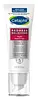
This calming night moisturizer is formulated around Allantoin and Dipotassium Glycyrrhizate to calm redness and strengthen the skin barrier.
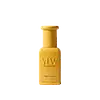
This barrier-repair night moisturizer is formulated around Avena Sativa Kernel Oil to strengthen the skin barrier and hydrate skin.


What's inside
What's inside
 Key Ingredients
Benefits
Concerns
Ingredients Side-by-side
Water
Skin ConditioningCaprylic/Capric Triglyceride
Masking


Glycerin
Humectant
Propanediol
Solvent
Pentylene Glycol
Skin Conditioning
Helianthus Annuus Seed Oil
Emollient


Sorbitol
Humectant
Dimethicone
Emollient
Butyrospermum Parkii Butter
Skin Conditioning


Cetearyl Alcohol
Emollient
Behenyl Alcohol
Emollient
Glyceryl Stearate
Emollient
Sodium Hydroxide
BufferingTocopheryl Acetate
Antioxidant


Allantoin
Skin Conditioning

Dipotassium Glycyrrhizate
Humectant
Sodium Hyaluronate
Humectant

Ceramide NP
Skin Conditioning
Panthenol
Skin Conditioning
Caffeine
Skin Conditioning
Citric Acid
Buffering
Cetyl Alcohol
Emollient
Ceteareth-20
Cleansing
Glyceryl Stearate Citrate
Emollient
Disodium Ethylene Dicocamide PEG-15 Disulfate
Cleansing
Niacinamide
Smoothing





Caprylyl Glycol
Emollient
Acrylates/C10-30 Alkyl Acrylate Crosspolymer
Emulsion StabilisingDisodium EDTA
ChelatingXanthan Gum
EmulsifyingBHT
Antioxidant
Water, Caprylic/Capric Triglyceride, Glycerin, Propanediol, Pentylene Glycol, Helianthus Annuus Seed Oil, Sorbitol, Dimethicone, Butyrospermum Parkii Butter, Cetearyl Alcohol, Behenyl Alcohol, Glyceryl Stearate, Sodium Hydroxide, Tocopheryl Acetate, Allantoin, Dipotassium Glycyrrhizate, Sodium Hyaluronate, Ceramide NP, Panthenol, Caffeine, Citric Acid, Cetyl Alcohol, Ceteareth-20, Glyceryl Stearate Citrate, Disodium Ethylene Dicocamide PEG-15 Disulfate, Niacinamide, Caprylyl Glycol, Acrylates/C10-30 Alkyl Acrylate Crosspolymer, Disodium EDTA, Xanthan Gum, BHT
Water
Skin ConditioningGlycerin
Humectant
Coco-Caprylate/Caprate
Emollient
Pentylene Glycol
Skin Conditioning
Cetearyl Ethylhexanoate
Emollient
Avena Sativa Kernel Oil
Skin Conditioning
Propanediol
Solvent
Almond/Borage/Linseed/Olive Acids/Glycerides
Antioxidant
Cetearyl Olivate
Behenyl Alcohol
Emollient
Cetearyl Alcohol
Emollient
Chlorella Vulgaris Extract
Skin ConditioningSorbitan Olivate
Emulsifying
Salvia Hispanica Seed Oil
Emollient
Plankton Extract
Skin ConditioningSodium Hyaluronate
Humectant
Magnesium Carboxymethyl Beta-Glucan
Skin ConditioningBetaine
Humectant
Helianthus Annuus Seed Oil
Emollient
Sodium PCA
Humectant
PCA
Humectant
Serine
Masking
Alanine
Masking
Glycine
Buffering
Glutamic Acid
Humectant
Lactic Acid
Buffering
Lysine Hcl
Skin Conditioning
Threonine
Arginine
Masking
Proline
Skin Conditioning
Tocopherol
Antioxidant
Lecithin
Emollient
Sodium Stearoyl Glutamate
CleansingXanthan Gum
EmulsifyingCellulose Gum
Emulsion StabilisingMicrocrystalline Cellulose
AbsorbentSodium Lactate
Buffering
Citric Acid
Buffering
Sodium Hydroxide
BufferingHydroxyacetophenone
Antioxidant
Water, Glycerin, Coco-Caprylate/Caprate, Pentylene Glycol, Cetearyl Ethylhexanoate, Avena Sativa Kernel Oil, Propanediol, Almond/Borage/Linseed/Olive Acids/Glycerides, Cetearyl Olivate, Behenyl Alcohol, Cetearyl Alcohol, Chlorella Vulgaris Extract, Sorbitan Olivate, Salvia Hispanica Seed Oil, Plankton Extract, Sodium Hyaluronate, Magnesium Carboxymethyl Beta-Glucan, Betaine, Helianthus Annuus Seed Oil, Sodium PCA, PCA, Serine, Alanine, Glycine, Glutamic Acid, Lactic Acid, Lysine Hcl, Threonine, Arginine, Proline, Tocopherol, Lecithin, Sodium Stearoyl Glutamate, Xanthan Gum, Cellulose Gum, Microcrystalline Cellulose, Sodium Lactate, Citric Acid, Sodium Hydroxide, Hydroxyacetophenone
Reviews
Ingredients Explained
These ingredients are found in both products.
Ingredients higher up in an ingredient list are typically present in a larger amount.
Behenyl Alcohol is a type of fatty alcohol (these are different from the drying, solvent alcohols).
Fatty Alcohols have hydrating properties and are most often used as an emollient or to thicken a product. They are usually derived from natural fats and oils; behenyl alcohol is derived from the fats of vegetable oils.
Emollients help keep your skin soft and hydrated by creating a film that traps moisture in.
In 2000, Behenyl Alcohol was approved by the US as medicine to reduce the duration of cold sores.
Learn more about Behenyl AlcoholCetearyl alcohol is a waxy mixture of two fatty alcohols: cetyl alcohol and stearyl alcohol. It is an emollient and emulsifier.
Despite having "alcohol" in its name, it has nothing to do with drying solvent alcohols; the FDA also allows "alcohol-free" products to contain fatty alcohols like this ingredient.
It plays several roles in a formula:
Typical use levels for this ingredient sit around 1-10% and the Cosmetic Ingredient Review Expert Panel has affirmed safety at concentrations up to 25% in leave-on products.
Multiple assessments have found it to be non-irritating and non-sensitizing to most people.
However, there have been some cases of allergic contact dermatitis in patients with chronically compromised skin barriers.
Cetearyl alcohol has a comedogenic rating of 2 and irritancy rating of 1. Both of these numbers come from the 1989 study that used rabbit ears; a "2" means mildly comedogenic and a "1" means low irritancy.
Here's the catch: rabbit skin is more sensitive than human skin and throws a lot of false positives. A 1996 reappraisal found that ingredients rated 1-2 in the rabbit ear tests are generally safe for humans.
Remember comedogenic ratings are unable to assess the entire formula of a product or how it will react on your skin. Just be sure to patch test if you are unsure about certain ingredients.
This ingredient is not fungal acne safe. Cetearyl alcohol is a fatty alcohol with chain lengths that fall within the range that Malassezia can metabolize.
A 2019 study has also observed Malassezia growth in the presence of this ingredient, confirming it to be not-fungal acne safe.
Learn more about Cetearyl AlcoholCitric Acid is an alpha hydroxy acid (AHA) naturally found in citrus fruits like oranges, lemons, and limes.
Like other AHAs, citric acid can exfoliate skin by breaking down the bonds that hold dead skin cells together. This helps reveal smoother and brighter skin underneath.
However, this exfoliating effect only happens at high concentrations (20%) which can be hard to find in cosmetic products.
Due to this, citric acid is usually included in small amounts as a pH adjuster. This helps keep products slightly more acidic and compatible with skin's natural pH.
In skincare formulas, citric acid can:
While it can provide some skin benefits, research shows lactic acid and glycolic acid are generally more effective and less irritating exfoliants.
Most citric acid used in skincare today is made by fermenting sugars (usually from molasses). This synthetic version is identical to the natural citrus form but easier to stabilize and use in formulations.
Rosacea skin has a lower threshold for acids generally, with 62.5% of rosacea subjects in one study reacting to lactic acid in a sting test. This is why we mark citric acid as a potential rosacea trigger.
However, this ingredient shows up as a pH adjuster or chelator at roughly 0.1-1% in many products. These low levels are unlikely to be an issue for rosacea skin and becomes a potential trigger at exfoliating concentrations (20%). Because everybody's skin is unique, we recommend a patch test if you are unsure.
Learn more about Citric AcidGlycerin (or glycerol) is a compound naturally found in your skin. It's a powerhouse humectant that pulls water into the stratum corneum.
Topically, glycerin does several things at once:
Your skin makes glycerin on its own (mostly from sebaceous oil breakdown) and shuttles it to your outermost layer of skin, or your epidermis, via aquaporin-3.
Aquaporin-3 is a transporter that is essential for normal skin hydration, elasticity, and repair. Interestingly, mice lacking in AQP3 have dry and less elastic skin that can be fully corrected with glycerin.
This ingredient is non-irritating, plays well with almost every ingredient, and works across all skin types. Typical use is anywhere between 3-10% but can go up to 79% in some leave-on products.
Just know very high concentrations (>40%) can feel tacky in low humidity.
Glycerin is the name for this ingredient in American English. British English uses Glycerol/Glycerine.
Learn more about GlycerinHelianthus Annuus Seed Oil is a plant oil derived from the seeds of a sunflower.
It is rich in fatty acids, primarily linoleic acid and oleic acid. This gives it emollient and skin conditioning properties.
The reason this ingredient is so effective is because it forms a thin film on the skin that reduces transepidermal water loss (TEWL) while supplying linoleic acid to the stratum corneum to improve barrier strength.
The high linoleic acid content is particularly noteworthy for acne-prone skin.
Research suggests that acne-prone skin tends to be deficient in linoleic acid in sebum. Topical application may help replenish this to support a healthier follicular environment and less comedone-promoting sebum.
One randomized study found sunflower seed oil preserved skin barrier integrity in adult volunteers with and without atopic dermatitis (outperforming olive oil).
This ingredient is well-studied, gentle, and an effective emollient suitable for most skin types.
On fungal acne: This ingredient may not be Fungal acne (Malassezia folliculitis) safe. This is because it contains fatty acids with carbon chain lengths in the C11-C24 range.
Learn more about Helianthus Annuus Seed OilPentylene Glycol (1,2-pentanediol) is a multitasking little diol with three main roles in a formula:
Research on alkanediols (the family pentylene glycol belongs to) show they work by disrupting microbial cell membranes. This disruption helps the primary preservative system in a product work more effectively at lower doses.
On the safety side, the Cosmetic Ingredient Review Expert Panel has concluded this ingredient to be safe as used in current cosmetic practices + concentrations.
Typical use levels in a formula run about 1-5%.
Learn more about Pentylene GlycolPropanediol is an all-star ingredient. It softens, hydrates, and smooths the skin.
It’s often used to:
Propanediol is not likely to cause sensitivity and considered safe to use. It is derived from corn or petroleum with a clear color and no scent.
Learn more about PropanediolSodium Hyaluronate is the salt form of hyaluronic acid. It is a long sugar chain that is naturally found in your skin, joints, and connective tissue that maintains hydration and elasticity.
In skincare, it works as a humectant. It pulls water from the environment and deeper layers of skin and binds it to the surface.
Interestingly, the size of the molecule affects its behavior:
Some clinical evidence links low molecular weight versions to improved wrinkle depth, elasticity, anti-inflammatory effects, and barrier repair.
Many serums use a blend of both weights so you can get surface hydration plus longer-lasting and deeper effects.
You'll typically see concentrations between 0.1-2% for this ingredient.
Learn more about Sodium HyaluronateSodium Hydroxide is also known as lye or caustic soda. It is used to adjust the pH of products; many ingredients require a specific pH to be effective.
In small amounts, sodium hydroxide is considered safe to use. However, large amounts may cause chemical burns due to its high alkaline.
Your skin has a natural pH and acid mantle. This acid mantle helps prevent harmful bacteria from breaking through. The acid mantle also helps keep your skin hydrated.
"Alkaline" refers to a high pH level. A low pH level would be considered acidic.
Learn more about Sodium HydroxideWater. It's the most common cosmetic ingredient of all. You'll usually see it at the top of ingredient lists, meaning that it makes up the largest part of the product.
So why is it so popular? Water most often acts as a solvent - this means that it helps dissolve other ingredients into the formulation.
You'll also recognize water as that liquid we all need to stay alive. If you see this, drink a glass of water. Remember to stay hydrated!
Learn more about WaterXanthan gum is used as a stabilizer and thickener within cosmetic products. It helps give products a sticky, thick feeling - preventing them from being too runny.
On the technical side of things, xanthan gum is a polysaccharide - a combination consisting of multiple sugar molecules bonded together.
Xanthan gum is a pretty common and great ingredient. It is a natural, non-toxic, non-irritating ingredient that is also commonly used in food products.
Learn more about Xanthan Gum

