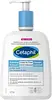
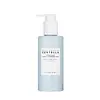
Cetaphil Hydrating Cream-To-Foam Cleanser Versus SKIN1004 Madagascar Centella Hyalu-Cica Gentle Cleansing Milk


What's inside
What's inside
 Key Ingredients
Benefits
Concerns
Ingredients Side-by-side
Water
Skin ConditioningSodium Cocoyl Isethionate
Cleansing
Glycerin
Humectant


Glycol Distearate
Emollient

Sodium Cocoyl Glutamate
Cleansing
Cocamidopropyl Betaine
Cleansing

Sodium Lauroyl Sarcosinate
CleansingCetearyl Alcohol
Emollient


Niacinamide
Smoothing









Panthenol
Skin Conditioning
Aloe Barbadensis Leaf Juice Powder
Skin Conditioning
Pantolactone
Humectant
Acrylates/C10-30 Alkyl Acrylate Crosspolymer
Emulsion StabilisingArginine
Masking
Propylene Glycol
Humectant
Sodium Chloride
MaskingXanthan Gum
EmulsifyingEthylhexylglycerin
Skin ConditioningPhenoxyethanol
Preservative
Citric Acid
Buffering
Water, Sodium Cocoyl Isethionate, Glycerin, Glycol Distearate, Sodium Cocoyl Glutamate, Cocamidopropyl Betaine, Sodium Lauroyl Sarcosinate, Cetearyl Alcohol, Niacinamide, Panthenol, Aloe Barbadensis Leaf Juice Powder, Pantolactone, Acrylates/C10-30 Alkyl Acrylate Crosspolymer, Arginine, Propylene Glycol, Sodium Chloride, Xanthan Gum, Ethylhexylglycerin, Phenoxyethanol, Citric Acid
Water
Skin ConditioningEthylhexyl Stearate
Emollient
Ethylhexyl Palmitate
Emollient
Propanediol
Solvent
Dicaprylyl Ether
Emollient
Polyglyceryl-6 Stearate
Emollient
Glycerin
Humectant
Methylpropanediol
SolventPentylene Glycol
Skin Conditioning
1,2-Hexanediol
Skin Conditioning
Panthenol
Skin Conditioning
Polyacrylate Crosspolymer-6
Emulsion StabilisingAcrylates/C10-30 Alkyl Acrylate Crosspolymer
Emulsion StabilisingCentella Asiatica Extract
Cleansing
Polyglyceryl-6 Behenate
Emulsion Stabilising
Musa Sapientum Flower Extract
Skin ConditioningRosa Damascena Flower Water
Masking
Butylene Glycol
Humectant
Allantoin
Skin Conditioning
Ectoin
Skin Conditioning
Xanthan Gum
EmulsifyingPyrus Communis Fruit Extract
Skin ConditioningSodium Dilauramidoglutamide Lysine
HumectantPrunus Domestica Fruit Extract
MoisturisingTocopherol
Antioxidant

Ethylhexylglycerin
Skin ConditioningCucumis Melo Fruit Extract
Skin ConditioningAminomethyl Propanediol
BufferingCitric Acid
Buffering
Hedera Helix Leaf/Stem Extract
AntimicrobialSodium Phytate
Candida Bombicola/Glucose/Methyl Rapeseedate Ferment
AntimicrobialCynanchum Atratum Extract
Skin ConditioningMacadamia Ternifolia Seed Oil
Emollient
Althaea Rosea Flower Extract
Skin ConditioningHydrolyzed Vegetable Protein
Skin ConditioningMaltodextrin
Absorbent
Sodium Cocoyl Apple Amino Acids
Skin Conditioning
Hydrolyzed Sodium Hyaluronate
Skin Conditioning
Moringa Oleifera Seed Oil
Emollient
Beta-Glucan
Skin Conditioning
Hexylene Glycol
EmulsifyingCeramide NP
Skin Conditioning
Phytosphingosine
Skin Conditioning
Hydrogenated Lecithin
Emulsifying
Tetrasodium Glutamate Diacetate
Water, Ethylhexyl Stearate, Ethylhexyl Palmitate, Propanediol, Dicaprylyl Ether, Polyglyceryl-6 Stearate, Glycerin, Methylpropanediol, Pentylene Glycol, 1,2-Hexanediol, Panthenol, Polyacrylate Crosspolymer-6, Acrylates/C10-30 Alkyl Acrylate Crosspolymer, Centella Asiatica Extract, Polyglyceryl-6 Behenate, Musa Sapientum Flower Extract, Rosa Damascena Flower Water, Butylene Glycol, Allantoin, Ectoin, Xanthan Gum, Pyrus Communis Fruit Extract, Sodium Dilauramidoglutamide Lysine, Prunus Domestica Fruit Extract, Tocopherol, Ethylhexylglycerin, Cucumis Melo Fruit Extract, Aminomethyl Propanediol, Citric Acid, Hedera Helix Leaf/Stem Extract, Sodium Phytate, Candida Bombicola/Glucose/Methyl Rapeseedate Ferment, Cynanchum Atratum Extract, Macadamia Ternifolia Seed Oil, Althaea Rosea Flower Extract, Hydrolyzed Vegetable Protein, Maltodextrin, Sodium Cocoyl Apple Amino Acids, Hydrolyzed Sodium Hyaluronate, Moringa Oleifera Seed Oil, Beta-Glucan, Hexylene Glycol, Ceramide NP, Phytosphingosine, Hydrogenated Lecithin, Tetrasodium Glutamate Diacetate
Reviews
Ingredients Explained
These ingredients are found in both products.
Ingredients higher up in an ingredient list are typically present in a larger amount.
Acrylates/C10-30 Alkyl Acrylate Crosspolymer is a synthetic polymer. It is used to thicken, emulsify, and improve the texture of products.
As an emulsifier, it helps stabilize oil-in-water emulsions to give products an elegant feel when applied.
It can also form a thin protective film on skin. One study found that a formula using this polymer helped slow down how quickly other ingredients (like DEET) were absorbed through skin.
A 2024 study of over 1,300 patients confirmed that sensitization to this ingredient is rare. It is also non-mutagenic and has a clean track record.
Learn more about Acrylates/C10-30 Alkyl Acrylate CrosspolymerCitric Acid is an alpha hydroxy acid (AHA) naturally found in citrus fruits like oranges, lemons, and limes.
Like other AHAs, citric acid can exfoliate skin by breaking down the bonds that hold dead skin cells together. This helps reveal smoother and brighter skin underneath.
However, this exfoliating effect only happens at high concentrations (20%) which can be hard to find in cosmetic products.
Due to this, citric acid is usually included in small amounts as a pH adjuster. This helps keep products slightly more acidic and compatible with skin's natural pH.
In skincare formulas, citric acid can:
While it can provide some skin benefits, research shows lactic acid and glycolic acid are generally more effective and less irritating exfoliants.
Most citric acid used in skincare today is made by fermenting sugars (usually from molasses). This synthetic version is identical to the natural citrus form but easier to stabilize and use in formulations.
Read more about some other popular AHA's here:
Learn more about Citric AcidEthylhexylglycerin is created from glycerin. It is a multitasker ingredient that:
The CIR Expert Panel found minimal skin absorption or sensitization of any kind in a safety assessment. Though this ingredient is considered well-tolerated, a small number of cases of allergic dermatitis have been published since 2002. Just be sure to patch test if you are unsure.
Industry-reported use ranges from 8% in rinse-off products and 2% in leave-on formulations.
Learn more about EthylhexylglycerinGlycerin (or glycerol) is a compound naturally found in your skin. It's a powerhouse humectant that pulls water into the stratum corneum.
Topically, glycerin does several things at once:
Your skin makes glycerin on its own (mostly from sebaceous oil breakdown) and shuttles it to your outermost layer of skin, or your epidermis, via aquaporin-3.
Aquaporin-3 is a transporter that is essential for normal skin hydration, elasticity, and repair. Interestingly, mice lacking in AQP3 have dry and less elastic skin that can be fully corrected with glycerin.
This ingredient is non-irritating, plays well with almost every ingredient, and works across all skin types. Typical use is anywhere between 3-10% but can go up to 79% in some leave-on products.
Just know very high concentrations (>40%) can feel tacky in low humidity.
Glycerin is the name for this ingredient in American English. British English uses Glycerol/Glycerine.
Learn more about GlycerinPanthenol is a common ingredient that helps hydrate and soothe the skin. It is found naturally in our skin and hair.
There are two forms of panthenol: D and L.
D-panthenol is also known as dexpanthenol. Most cosmetics use dexpanthenol or a mixture of D and L-panthenol.
Panthenol is famous due to its ability to go deeper into the skin's layers. Using this ingredient has numerous pros (and no cons):
Like hyaluronic acid, panthenol is a humectant. Humectants are able to bind and hold large amounts of water to keep skin hydrated.
This ingredient works well for wound healing. It works by increasing tissue in the wound and helps close open wounds.
Once oxidized, panthenol converts to pantothenic acid. Panthothenic acid is found in all living cells.
This ingredient is also referred to as pro-vitamin B5.
Learn more about PanthenolWater. It's the most common cosmetic ingredient of all. You'll usually see it at the top of ingredient lists, meaning that it makes up the largest part of the product.
So why is it so popular? Water most often acts as a solvent - this means that it helps dissolve other ingredients into the formulation.
You'll also recognize water as that liquid we all need to stay alive. If you see this, drink a glass of water. Remember to stay hydrated!
Learn more about WaterXanthan gum is used as a stabilizer and thickener within cosmetic products. It helps give products a sticky, thick feeling - preventing them from being too runny.
On the technical side of things, xanthan gum is a polysaccharide - a combination consisting of multiple sugar molecules bonded together.
Xanthan gum is a pretty common and great ingredient. It is a natural, non-toxic, non-irritating ingredient that is also commonly used in food products.
Learn more about Xanthan Gum

