

What's inside
What's inside
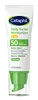 Key Ingredients
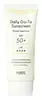
Benefits
Concerns
Ingredients Side-by-side
Ethylhexyl Methoxycinnamate 7.5%
UV Absorber


Ethylhexyl Salicylate 5%
UV Absorber
Octocrylene 7%
UV Absorber
Benzophenone-3 6%
UV Absorber
Titanium Dioxide 5.7%
Cosmetic Colorant
Water
Skin ConditioningPropylene Glycol
Humectant
Glycerin
Humectant

Dimethicone
Emollient
Vp/Eicosene Copolymer
Cyclomethicone
Emollient
Stearic Acid
Cleansing

Dimethiconol
Emollient
Potassium Cetyl Phosphate
EmulsifyingGlyceryl Stearate
Emollient
PEG-100 Stearate
Surfactant
Aluminum Hydroxide
EmollientDisodium EDTA
Tocopherol
Antioxidant





Triethanolamine
BufferingPhenoxyethanol
Preservative
Ethylparaben
Preservative
Chlorphenesin
Antimicrobial
Cetyl Alcohol
Emollient

Carbomer
Emulsion StabilisingMethylparaben
Preservative
Xanthan Gum
EmulsifyingEthylhexyl Methoxycinnamate 7.5%, Ethylhexyl Salicylate 5%, Octocrylene 7%, Benzophenone-3 6%, Titanium Dioxide 5.7%, Water, Propylene Glycol, Glycerin, Dimethicone, Vp/Eicosene Copolymer, Cyclomethicone, Stearic Acid, Dimethiconol, Potassium Cetyl Phosphate, Glyceryl Stearate, PEG-100 Stearate, Aluminum Hydroxide, Disodium EDTA, Tocopherol, Triethanolamine, Phenoxyethanol, Ethylparaben, Chlorphenesin, Cetyl Alcohol, Carbomer, Methylparaben, Xanthan Gum
Water
Skin ConditioningButyloctyl Salicylate
Skin Conditioning
Dibutyl Adipate
EmollientPropanediol
Solvent
Butylene Glycol
Humectant
Bis-Ethylhexyloxyphenol Methoxyphenyl Triazine
Skin Conditioning
Ethylhexyl Triazone
UV Absorber
Dicaprylyl Carbonate
EmollientTitanium Dioxide
Cosmetic Colorant
Diethylamino Hydroxybenzoyl Hexyl Benzoate
UV Filter
Hydrogenated Poly(C6-14 Olefin)
Emollient1,2-Hexanediol
Skin Conditioning
Centella Asiatica Extract
Cleansing

Polyglyceryl-2 Stearate
Emulsifying
Aluminum Hydroxide
EmollientGlyceryl Stearate
Emollient
Stearyl Alcohol
Emollient
Sodium Polyacrylate
Absorbent
Stearic Acid
Cleansing
Polyhydroxystearic Acid
Emulsifying
Behenyl Alcohol
Emollient
Polymethylsilsesquioxane
Ethylhexyl Stearate
Emollient
Ammonium Acryloyldimethyltaurate/Vp Copolymer
Caprylyl Glycol
Emollient
Trideceth-6
EmulsifyingEthylhexylglycerin
Skin ConditioningXanthan Gum
EmulsifyingMadecassoside
Antioxidant
Asiaticoside
Antioxidant
Asiatic Acid
Skin Conditioning
Madecassic Acid
Skin Conditioning
Water, Butyloctyl Salicylate, Dibutyl Adipate, Propanediol, Butylene Glycol, Bis-Ethylhexyloxyphenol Methoxyphenyl Triazine, Ethylhexyl Triazone, Dicaprylyl Carbonate, Titanium Dioxide, Diethylamino Hydroxybenzoyl Hexyl Benzoate, Hydrogenated Poly(C6-14 Olefin), 1,2-Hexanediol, Centella Asiatica Extract, Polyglyceryl-2 Stearate, Aluminum Hydroxide, Glyceryl Stearate, Stearyl Alcohol, Sodium Polyacrylate, Stearic Acid, Polyhydroxystearic Acid, Behenyl Alcohol, Polymethylsilsesquioxane, Ethylhexyl Stearate, Ammonium Acryloyldimethyltaurate/Vp Copolymer, Caprylyl Glycol, Trideceth-6, Ethylhexylglycerin, Xanthan Gum, Madecassoside, Asiaticoside, Asiatic Acid, Madecassic Acid
Reviews
Ingredients Explained
These ingredients are found in both products.
Ingredients higher up in an ingredient list are typically present in a larger amount.
Aluminum Hydroxide is a form of aluminum. It can be naturally found in nature as the mineral gibbsite. In cosmetics, Aluminum Hydroxide is used as a colorant, pH adjuster, and absorbent.
As a colorant, Aluminum Hydroxide may add opacity, or reduce the transparency. Aluminum hydroxide is contains both basic and acidic properties.
According to manufacturers, this ingredient is an emollient and humectant. This means it helps hydrate the skin.
In medicine, this ingredient is used to help relieve heartburn and help heal ulcers.
There is currently no credible scientific evidence linking aluminum hydroxide in cosmetics to increased cancer risk.
Major health organizations allow the use of aluminum hydroxide in personal care products and have not flagged it as a carcinogenic risk at typical usage levels.
Learn more about Aluminum HydroxideGlyceryl Stearate is made by reacting glycerin with stearic acid (typically sourced from plant oils like palm or coconut). It's an emulsifier, emollient, and mild occlusive.
Emulsifiers help ingredients like oil and water stay mixed so your formula stays nicely blended and uniform in texture.
This ingredient is typically used in concentrations between 1-10%. Studies have found it to be non-sensitizing, non-phototoxic, and non-photoallergenic.
A close cousin of this ingredient is Glyceryl Stearate SE ("self-emulsifying"). This just has a small amount of sodium or potassium stearate added so it can emulsify without a co-emulsifier.
Since this ingredient is an ester of a C18 fatty acid, it may not be fungal acne safe. The Malassezia yeast can potentially metabolize within the C11-C24 range.
Fun fact: The human body also creates Glyceryl Stearate naturally.
Learn more about Glyceryl StearateStearic Acid is a fatty acid that is already found in your skin. It's one of the free fatty acids that works alongside ceramides and cholesterols to maintain your barrier.
In cosmetics, it is a multitasker:
Safety-wise, the CIR Expert Panel has concluded it to be safe in cosmetics when formulated to be non-irritating and non-sensitizing.
Free stearic acid is a C18 fatty acid that the Malassezia yeast can substrate, so this ingredient may not be fungal acne safe.
Learn more about Stearic AcidTitanium dioxide is a mineral UV filter widely used in sunscreens and cosmetics.
It is one of only two UV filters officially classified as “mineral” by regulatory agencies, the other being zinc oxide.
Titanium dioxide provides broad-spectrum protection mostly in the UVB and UVAII range, with some protection in the UVAI range.
While its UVA protection isn’t as strong as zinc oxide’s, the difference is minor.
A common myth is that mineral UV filters reflect UV light. However, modern research shows titanium dioxide absorbs UV radiation like chemical filters (~95% absorption & 5% reflection).
Thanks to its non-irritating nature, titanium dioxide is suitable for sensitive, acne-prone, or redness-prone skin. It is unlikely to cause "eye sting" like other sunscreen ingredients.
A major drawback of this ingredient is its white cast and thick texture. This is why mineral sunscreens often leave a white cast and are less cosmetically elegant than chemical/hybrid sunscreens.
To improve white cast and spreadability, micronized or nano-sized titanium dioxide is often used.
There are ongoing concerns surrounding nano-titanium oxide's impact on marine ecosystems.
There is no conclusive evidence that any form of titanium oxide (or any other sunscreen ingredients) will cause harm to marine ecosystems or coral reefs. The science is still developing but many consumers are keeping a close eye on this issue.
Please note, many destinations have reef-safety sunscreen rules. For instance, the U.S. Virgin Islands advises all visitors to use non-nano mineral sunscreens.
Nano mineral sunscreens once raised safety concerns about absorption into skin.
Extensive research has shown that they do not penetrate healthy or damaged skin; they remain safely on the surface and the top layer of dead skin (stratum corneum).
You'll likely find titanium dioxide bundled with alumina, silica, or dimethicone. These ingredients help make titanium dioxide highly photostable; this prevents it from interacting with other formula components under UV light.
Learn more about Titanium DioxideWater. It's the most common cosmetic ingredient of all. You'll usually see it at the top of ingredient lists, meaning that it makes up the largest part of the product.
So why is it so popular? Water most often acts as a solvent - this means that it helps dissolve other ingredients into the formulation.
You'll also recognize water as that liquid we all need to stay alive. If you see this, drink a glass of water. Remember to stay hydrated!
Learn more about WaterXanthan gum is used as a stabilizer and thickener within cosmetic products. It helps give products a sticky, thick feeling - preventing them from being too runny.
On the technical side of things, xanthan gum is a polysaccharide - a combination consisting of multiple sugar molecules bonded together.
Xanthan gum is a pretty common and great ingredient. It is a natural, non-toxic, non-irritating ingredient that is also commonly used in food products.
Learn more about Xanthan Gum
