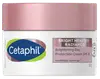
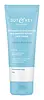
Cetaphil Bright Healthy Radiance Brightening Day Protection Cream SPF 15 Versus Dot & Key Skincare Ceramides & Hyaluronic Skin Barrier Repair Face Cream
This brightening day moisturizer is formulated around Niacinamide to brighten dull-looking skin and fade the look of dark spots.
This barrier-repair moisturizer is formulated around Hyaluronic Acid and Ceramide EOP to strengthen the skin barrier and hydrate skin.


What's inside
What's inside
 Key Ingredients
Benefits
Concerns
Ingredients Side-by-side
Water
Skin ConditioningHomosalate
Skin Conditioning

Ethylhexyl Methoxycinnamate
UV Absorber
Niacinamide
Smoothing











Ethylhexyl Salicylate
UV Absorber
Cetearyl Alcohol
Emollient






Glycerin
Humectant
Isoamyl P-Methoxycinnamate
UV Absorber
Butyl Methoxydibenzoylmethane
UV Absorber
Octocrylene
UV Absorber
Dipropylene Glycol
HumectantCetearyl Olivate
Sorbitan Olivate
Emulsifying
1,2-Hexanediol
Skin Conditioning
Acrylates/C10-30 Alkyl Acrylate Crosspolymer
Emulsion StabilisingAnhydroxylitol
Humectant
Caprylyl Glycol
Emollient
Disodium EDTA
ChelatingEthylhexylglycerin
Skin ConditioningGlyceryl Stearate
Emollient
Hydrolyzed Cicer Seed Extract
Skin ProtectingPancratium Maritimum Extract
BleachingPotassium Cetyl Phosphate
EmulsifyingRhododendron Chrysanthum Leaf Extract
MaskingSodium Hydroxide
BufferingTricholoma Matsutake Extract
Skin ConditioningXylitol
Humectant
Xylitylglucoside
Humectant
Water, Homosalate, Ethylhexyl Methoxycinnamate, Niacinamide, Ethylhexyl Salicylate, Cetearyl Alcohol, Glycerin, Isoamyl P-Methoxycinnamate, Butyl Methoxydibenzoylmethane, Octocrylene, Dipropylene Glycol, Cetearyl Olivate, Sorbitan Olivate, 1,2-Hexanediol, Acrylates/C10-30 Alkyl Acrylate Crosspolymer, Anhydroxylitol, Caprylyl Glycol, Disodium EDTA, Ethylhexylglycerin, Glyceryl Stearate, Hydrolyzed Cicer Seed Extract, Pancratium Maritimum Extract, Potassium Cetyl Phosphate, Rhododendron Chrysanthum Leaf Extract, Sodium Hydroxide, Tricholoma Matsutake Extract, Xylitol, Xylitylglucoside
Water
Skin ConditioningCaprylic/Capric Triglyceride
Masking
Glycerin
Humectant
Glyceryl Stearate
Emollient
PEG-100 Stearate
Surfactant
Cetyl Alcohol
Emollient
Cetearyl Olivate
Sorbitan Olivate
Emulsifying
Dimethicone
Emollient
Dimethicone Crosspolymer
Emulsion Stabilising
Cyclopentasiloxane
Emollient
Hyaluronic Acid
Humectant
Laminaria Digitata Extract
Skin Protecting
Cetyl-Pg Hydroxyethyl Palmitamide
Skin ConditioningCeramide EOP
Skin Conditioning
Ceramide Ns
Skin Conditioning
Ceramide NP
Skin Conditioning
Ceramide As
Skin Conditioning
Ceramide AP
Skin Conditioning
Tocopheryl Acetate
Antioxidant

Polyglutamic Acid
Skin Conditioning
Lactobacillus
Skin ConditioningMaltodextrin
Absorbent
Oryza Sativa Bran Water
Masking
Cocos Nucifera Oil
Masking
Olea Europaea Fruit Oil
Masking
Simmondsia Chinensis Seed Oil
Emollient
Stearic Acid
Cleansing
Sodium Polyacrylate
Absorbent
Dicaprylyl Carbonate
EmollientPolyglyceryl-3 Caprate
EmulsifyingXylitylglucoside
Humectant
Anhydroxylitol
Humectant
Xylitol
Humectant
BHT
Antioxidant
Sodium Hydroxide
BufferingXanthan Gum
EmulsifyingDisodium EDTA
ChelatingC14-22 Alcohols
Emulsion Stabilising
C12-20 Alkyl Glucoside
EmulsifyingBenzyl Alcohol
Perfuming



Ethylhexylglycerin
Skin ConditioningTocopherol
Antioxidant
Water, Caprylic/Capric Triglyceride, Glycerin, Glyceryl Stearate, PEG-100 Stearate, Cetyl Alcohol, Cetearyl Olivate, Sorbitan Olivate, Dimethicone, Dimethicone Crosspolymer, Cyclopentasiloxane, Hyaluronic Acid, Laminaria Digitata Extract, Cetyl-Pg Hydroxyethyl Palmitamide, Ceramide EOP, Ceramide Ns, Ceramide NP, Ceramide As, Ceramide AP, Tocopheryl Acetate, Polyglutamic Acid, Lactobacillus, Maltodextrin, Oryza Sativa Bran Water, Cocos Nucifera Oil, Olea Europaea Fruit Oil, Simmondsia Chinensis Seed Oil, Stearic Acid, Sodium Polyacrylate, Dicaprylyl Carbonate, Polyglyceryl-3 Caprate, Xylitylglucoside, Anhydroxylitol, Xylitol, BHT, Sodium Hydroxide, Xanthan Gum, Disodium EDTA, C14-22 Alcohols, C12-20 Alkyl Glucoside, Benzyl Alcohol, Ethylhexylglycerin, Tocopherol
Reviews
Ingredients Explained
These ingredients are found in both products.
Ingredients higher up in an ingredient list are typically present in a larger amount.
This ingredient is created from dehydrating xylitol in acidic conditions. Xylitol is a famous sugar and humectant.
Much like its predecessor, anhydroxylitol is a humectant. Humectants attract and hold water to moisturize the skin.
This ingredient is most commonly found in a popular trio called Aquaxyl. Aquaxyl is made up of anhydroxylitol (24 - 34%), xylitylglucoside (35 - 50%), and xylitol (5 - 15%).
According to a manufacturer, Aquaxyl is known for a 3-D hydration concept and an anti-dehydration shield to reinforce the outer layer of skin.
This ingredient is often derived from plants such as wood and sugarcane.
Learn more about AnhydroxylitolCetearyl Olivate is a plant-derived emulsifier and texture enhancer. It helps keep the oil and water phases from separating so your formulas stay stable.
You'll likely see it combined with Sorbitan Olivate (together sold as the trade name Olivem 1000). This combination generates a liquid crystal structure that closely resemble the lipid organization of the stratum corneum.
These "skin-like" liquid crystals improve skin barrier integrity and promote the delivery of actives into the skin.
This ingredient is well-tolerated and has no significant sensitization data.
Because it is derived from the fatty acids in olive oil, this ingredient may not be fungal acne safe.
Learn more about Cetearyl OlivateDisodium EDTA is a chelating agent. It grabs onto and deactivates metal ions that sneak into your products from water, packaging, or air.
This ingredient mainly works behind the scenes and helps with:
On top of that, this ingredient can counteract the effects of hard water by binding to the minerals in it.
One thing worth knowing is that Disodium EDTA has been shown to be a mild penetration enhancer. It can help other ingredients absorb into skin more effectively which can be a double-edged sword (great for actives, but can also make the active too strong if you have sensitive skin).
Clinical patch testing showed no significant skin irritation at typical use concentrations and minimal dermal absorption.
You'll most likely see this ingredient near the end of an ingredient list. It's typically found in concentrations less than 1%.
Learn more about Disodium EDTAEthylhexylglycerin is created from glycerin. It is a multitasker ingredient that:
The CIR Expert Panel found minimal skin absorption or sensitization of any kind in a safety assessment. Though this ingredient is considered well-tolerated, a small number of cases of allergic dermatitis have been published since 2002. Just be sure to patch test if you are unsure.
Industry-reported use ranges from 8% in rinse-off products and 2% in leave-on formulations.
Learn more about EthylhexylglycerinGlycerin (or glycerol) is a compound naturally found in your skin. It's a powerhouse humectant that pulls water into the stratum corneum.
Topically, glycerin does several things at once:
Your skin makes glycerin on its own (mostly from sebaceous oil breakdown) and shuttles it to your outermost layer of skin, or your epidermis, via aquaporin-3.
Aquaporin-3 is a transporter that is essential for normal skin hydration, elasticity, and repair. Interestingly, mice lacking in AQP3 have dry and less elastic skin that can be fully corrected with glycerin.
This ingredient is non-irritating, plays well with almost every ingredient, and works across all skin types. Typical use is anywhere between 3-10% but can go up to 79% in some leave-on products.
Just know very high concentrations (>40%) can feel tacky in low humidity.
Glycerin is the name for this ingredient in American English. British English uses Glycerol/Glycerine.
Learn more about GlycerinGlyceryl Stearate is made by reacting glycerin with stearic acid (typically sourced from plant oils like palm or coconut). It's an emulsifier, emollient, and mild occlusive.
Emulsifiers help ingredients like oil and water stay mixed so your formula stays nicely blended and uniform in texture.
This ingredient is typically used in concentrations between 1-10%. Studies have found it to be non-sensitizing, non-phototoxic, and non-photoallergenic.
A close cousin of this ingredient is Glyceryl Stearate SE ("self-emulsifying"). This just has a small amount of sodium or potassium stearate added so it can emulsify without a co-emulsifier.
Since this ingredient is an ester of a C18 fatty acid, it may not be fungal acne safe. The Malassezia yeast can potentially metabolize within the C11-C24 range.
Fun fact: The human body also creates Glyceryl Stearate naturally.
Learn more about Glyceryl StearateSodium Hydroxide is also known as lye or caustic soda. It is used to adjust the pH of products; many ingredients require a specific pH to be effective.
In small amounts, sodium hydroxide is considered safe to use. However, large amounts may cause chemical burns due to its high alkaline.
Your skin has a natural pH and acid mantle. This acid mantle helps prevent harmful bacteria from breaking through. The acid mantle also helps keep your skin hydrated.
"Alkaline" refers to a high pH level. A low pH level would be considered acidic.
Learn more about Sodium HydroxideSorbitan Olivate is created from the fatty acids in olive oil and sorbitol.
This ingredient is an oil in water emulsifier. It helps stabilize a product by preventing oils and waters from separating. Sorbitan Olivate also helps hydrate the skin.
This ingredient is also known as part of Olivem 1000, with Cetearyl Olivate being the other part.
According to a manufacturer, this ingredient helps preserve the natural microbiome of skin. Having a healthy microbiome helps keep our skin healthy and protects against harmful bacteria.
Please note, having a healthy microbiome is different from fungal acne; a healthy microbiome includes small amounts of yeast that normally live on your skin without causing problems.
Fungal acne happens when one type of yeast (Malassezia) grows out of control. This is usually because it's feeding on certain oils or fatty acids. Due to the olive oil base, this ingredient may not be fungal acne safe.
Learn more about Sorbitan OlivateWater. It's the most common cosmetic ingredient of all. You'll usually see it at the top of ingredient lists, meaning that it makes up the largest part of the product.
So why is it so popular? Water most often acts as a solvent - this means that it helps dissolve other ingredients into the formulation.
You'll also recognize water as that liquid we all need to stay alive. If you see this, drink a glass of water. Remember to stay hydrated!
Learn more about WaterXylitol is a humectant and prebiotic. It can help with dry skin.
In studies, xylitol has been shown to improve dry skin. It decreased transepidermal water loss, or when water passes through the skin and evaporates. Xylitol also showed to help improve the biomechanical properties of the skin barrier.
The prebiotic property of xylitol may also help reinforce our skin's natural microbiome. Having a healthy microbiome prevents infection by bad bacteria and helps with hydration.
As a humectant, Xylitol helps draw moisture from both the air and from deeper skin layers. This helps keep skin hydrated.
Xylitol is a sugar alcohol and commonly used as a sugar substitute. It is naturally occurring in plants such as strawberries and pumpkin.
Learn more about XylitolXylitylglucoside is created from xylitol and glucose, two humectants.
Not surprisingly, this ingredient is also a humectant. It attracts and holds water in your skin, helping to maintain hydration.
This ingredient is most commonly found in a popular trio called Aquaxyl. Aquaxyl is made up of anhydroxylitol(24 - 34%), xylitylglucoside (35 - 50%), and xylitol (5 - 15%).
According to a manufacturer, Aquaxyl is known for a 3-D hydration concept and an anti-dehydration shield to reinforce the outer layer of skin.
Learn more about Xylitylglucoside

