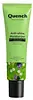
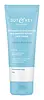
Quench Botanics Anti-Shine Moisturizer Versus Dot & Key Skincare Ceramides & Hyaluronic Skin Barrier Repair Face Cream
This oil-control moisturizer is formulated around Centella Asiatica Extract and Bakuchiol to balance excess oil.
This barrier-repair moisturizer is formulated around Hyaluronic Acid and Ceramide EOP to strengthen the skin barrier and hydrate skin.

What's inside
What's inside
 Key Ingredients
Benefits
Concerns
Ingredients Side-by-side
Water
Skin ConditioningPropanediol
Solvent

Cyclopentasiloxane
Emollient
1,2-Hexanediol
Skin Conditioning
Sodium Polyacrylate
Absorbent
Hydrogenated Polydecene
EmollientSilica
Abrasive


Ethylhexylglycerin
Skin ConditioningParfum
Masking




Butylene Glycol
Humectant
Trideceth-6
EmulsifyingDisodium EDTA
ChelatingBiosaccharide Gum-1
Humectant
Centella Asiatica Extract
Cleansing




Scutellaria Baicalensis Root Extract
Astringent
Polygonum Cuspidatum Root Extract
Antioxidant
Camellia Sinensis Leaf Extract
Antimicrobial
Glycyrrhiza Glabra Root Extract
Bleaching
Bakuchiol
Antimicrobial
Tocopherol
Antioxidant
Chamomilla Recutita Flower Extract
Masking
Rosmarinus Officinalis Leaf Extract
AntimicrobialLimonene
Perfuming
Water, Propanediol, Cyclopentasiloxane, 1,2-Hexanediol, Sodium Polyacrylate, Hydrogenated Polydecene, Silica, Ethylhexylglycerin, Parfum, Butylene Glycol, Trideceth-6, Disodium EDTA, Biosaccharide Gum-1, Centella Asiatica Extract, Scutellaria Baicalensis Root Extract, Polygonum Cuspidatum Root Extract, Camellia Sinensis Leaf Extract, Glycyrrhiza Glabra Root Extract, Bakuchiol, Tocopherol, Chamomilla Recutita Flower Extract, Rosmarinus Officinalis Leaf Extract, Limonene
Water
Skin ConditioningCaprylic/Capric Triglyceride
Masking
Glycerin
Humectant
Glyceryl Stearate
Emollient
PEG-100 Stearate
Surfactant
Cetyl Alcohol
Emollient
Cetearyl Olivate
Sorbitan Olivate
Emulsifying
Dimethicone
Emollient
Dimethicone Crosspolymer
Emulsion Stabilising
Cyclopentasiloxane
Emollient
Hyaluronic Acid
Humectant
Laminaria Digitata Extract
Skin Protecting
Cetyl-Pg Hydroxyethyl Palmitamide
Skin ConditioningCeramide EOP
Skin Conditioning
Ceramide Ns
Skin Conditioning
Ceramide NP
Skin Conditioning
Ceramide As
Skin Conditioning
Ceramide AP
Skin Conditioning
Tocopheryl Acetate
Antioxidant
Polyglutamic Acid
Skin Conditioning
Lactobacillus
Skin ConditioningMaltodextrin
Absorbent
Oryza Sativa Bran Water
Masking
Cocos Nucifera Oil
Masking

Olea Europaea Fruit Oil
Masking
Simmondsia Chinensis Seed Oil
Emollient
Stearic Acid
Cleansing
Sodium Polyacrylate
Absorbent
Dicaprylyl Carbonate
EmollientPolyglyceryl-3 Caprate
EmulsifyingXylitylglucoside
Humectant
Anhydroxylitol
Humectant
Xylitol
Humectant
BHT
Antioxidant
Sodium Hydroxide
BufferingXanthan Gum
EmulsifyingDisodium EDTA
ChelatingC14-22 Alcohols
Emulsion Stabilising
C12-20 Alkyl Glucoside
EmulsifyingBenzyl Alcohol
Perfuming

Ethylhexylglycerin
Skin ConditioningTocopherol
Antioxidant
Water, Caprylic/Capric Triglyceride, Glycerin, Glyceryl Stearate, PEG-100 Stearate, Cetyl Alcohol, Cetearyl Olivate, Sorbitan Olivate, Dimethicone, Dimethicone Crosspolymer, Cyclopentasiloxane, Hyaluronic Acid, Laminaria Digitata Extract, Cetyl-Pg Hydroxyethyl Palmitamide, Ceramide EOP, Ceramide Ns, Ceramide NP, Ceramide As, Ceramide AP, Tocopheryl Acetate, Polyglutamic Acid, Lactobacillus, Maltodextrin, Oryza Sativa Bran Water, Cocos Nucifera Oil, Olea Europaea Fruit Oil, Simmondsia Chinensis Seed Oil, Stearic Acid, Sodium Polyacrylate, Dicaprylyl Carbonate, Polyglyceryl-3 Caprate, Xylitylglucoside, Anhydroxylitol, Xylitol, BHT, Sodium Hydroxide, Xanthan Gum, Disodium EDTA, C14-22 Alcohols, C12-20 Alkyl Glucoside, Benzyl Alcohol, Ethylhexylglycerin, Tocopherol
Reviews
Ingredients Explained
These ingredients are found in both products.
Ingredients higher up in an ingredient list are typically present in a larger amount.
Cyclopentasiloxane (D5) is a lightweight silicone that mostly acts as an emollient and solvent in cosmetics. Its the reason your products feel silky, fast-spreading, and non-greasy.
Since D5 is volatile, it does its thing and then evaporates off the skin quickly.
The safety profile of this ingredient is reassuring; the US CIR Expert Panel concluded D5 is safe as used in cosmetics and Health Canada concluded that D5 is not harmful to human health or the environment as currently used in cosmetics
There's a study that people mention about D5 in a rat study showing tumors. This study is related to long-term inhalation of high D5 levels.
Regulatory bodies have judged this study to be not applicable in topical skincare since skin absorption of D5 is very low and we're not really inhaling huge amounts of D5.
The only restriction for this ingredient is environmental. The European Chemicals Agency (ECHA) restricted D5 in wash-off cosmetics at or above 0.1% due to their persistence in water.
Learn more about CyclopentasiloxaneDisodium EDTA is a chelating agent. It grabs onto and deactivates metal ions that sneak into your products from water, packaging, or air.
This ingredient mainly works behind the scenes and helps with:
On top of that, this ingredient can counteract the effects of hard water by binding to the minerals in it.
One thing worth knowing is that Disodium EDTA has been shown to be a mild penetration enhancer. It can help other ingredients absorb into skin more effectively which can be a double-edged sword (great for actives, but can also make the active too strong if you have sensitive skin).
Clinical patch testing showed no significant skin irritation at typical use concentrations and minimal dermal absorption.
You'll most likely see this ingredient near the end of an ingredient list. It's typically found in concentrations less than 1%.
Learn more about Disodium EDTAEthylhexylglycerin is created from glycerin. It is a multitasker ingredient that:
The CIR Expert Panel found minimal skin absorption or sensitization of any kind in a safety assessment. Though this ingredient is considered well-tolerated, a small number of cases of allergic dermatitis have been published since 2002. Just be sure to patch test if you are unsure.
Industry-reported use ranges from 8% in rinse-off products and 2% in leave-on formulations.
Learn more about EthylhexylglycerinSodium Polyacrylate is the sodium salt of polyacrylic acid. It is used as an absorber, emollient, and stabilizer.
This ingredient is a super-absorbent polymer - meaning it can absorb 100 to 1000 times its mass in water. As an emollient, Sodium Polyacrylate helps soften and soothe skin. Emollients work by creating a barrier to trap moisture in. This helps keep your skin hydrated.
Tocopherol is a fat-soluble antioxidant known as Vitamin E.
You'll find this ingredient in the vast majority of skincare (for good reason). It works to neutralize free radicals, or unstable molecules generated by UV exposure, pollution, and other environmental stressors, before they can cause oxidative damage to your skin cells.
Topically applied tocopherol has been shown to protect against UV damage by ramping up the skin's own natural defense enzymes.
It also acts as a skin conditioning agent; some studies show that regular topical use can improve the skin's water-binding capacity over 2-4 weeks.
This ingredient is especially loved for being a team player. When combined with Vitamin C, the photoprotective effect of both ingredients roughly doubles and the combo also helps reduce UV-induced DNA damage.
This ingredient has some brightening potential but it's more of a prevention ingredient than spot-fader. Cell studies show it can slow down melanin production but it's worth noting that it's not the most powerful brightener out there.
In formulations, it also serves as a stabilizer that helps protect other oxidation-prone ingredients from degrading.
Concentrations usually range from 0.1-1% in most leave-on products.
Learn more about TocopherolWater. It's the most common cosmetic ingredient of all. You'll usually see it at the top of ingredient lists, meaning that it makes up the largest part of the product.
So why is it so popular? Water most often acts as a solvent - this means that it helps dissolve other ingredients into the formulation.
You'll also recognize water as that liquid we all need to stay alive. If you see this, drink a glass of water. Remember to stay hydrated!
Learn more about Water

