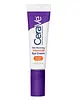
This anti-aging eye moisturizer is formulated around Ascorbic Acid and Ceramide NP to soften the look of wrinkles and brighten dull-looking skin.
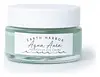
This calming eye moisturizer is formulated around Aloe Barbadensis Leaf Juice and Sodium Hyaluronate to calm redness and hydrate skin.

What's inside
What's inside
 Key Ingredients
Benefits
Concerns
Ingredients Side-by-side
Water
Skin ConditioningGlycerin
Humectant


Ascorbic Acid
Antioxidant





Propanediol
Solvent
Dimethicone
Emollient
Caprylic/Capric Triglyceride
Masking
Cetearyl Alcohol
Emollient





Glyceryl Isostearate
Emollient
Sodium Hydroxide
BufferingGlyceryl Stearate
Emollient
PEG-100 Stearate
Surfactant
Panthenol
Skin Conditioning

Dipotassium Glycyrrhizate
Humectant
Hydrogenated Jojoba Oil
Abrasive

Ceramide NP
Skin Conditioning
Ceramide AP
Skin Conditioning
Ceramide EOP
Skin Conditioning
Carbomer
Emulsion StabilisingCopernicia Cerifera Cera
Emollient
Cetearyl Glucoside
Emulsifying
Behentrimonium Methosulfate
SurfactantTriethyl Citrate
Masking

Caffeine
Skin Conditioning
Silica
Abrasive

Sodium Hyaluronate
Humectant
Sodium Lauroyl Lactylate
EmulsifyingCholesterol
Emollient
Phenoxyethanol
Preservative
Tocopherol
Antioxidant
Hydrogenated Lecithin
Emulsifying
Hydroxyacetophenone
Antioxidant
Citric Acid
Buffering
Caprylyl Glycol
Emollient
Trisodium Ethylenediamine Disuccinate
ChelatingXanthan Gum
EmulsifyingPentaerythrityl Tetra-Di-T-Butyl Hydroxyhydrocinnamate
Antioxidant
Phytosphingosine
Skin Conditioning
Polyacrylate Crosspolymer-6
Emulsion StabilisingBenzoic Acid
Masking
Water, Glycerin, Ascorbic Acid, Propanediol, Dimethicone, Caprylic/Capric Triglyceride, Cetearyl Alcohol, Glyceryl Isostearate, Sodium Hydroxide, Glyceryl Stearate, PEG-100 Stearate, Panthenol, Dipotassium Glycyrrhizate, Hydrogenated Jojoba Oil, Ceramide NP, Ceramide AP, Ceramide EOP, Carbomer, Copernicia Cerifera Cera, Cetearyl Glucoside, Behentrimonium Methosulfate, Triethyl Citrate, Caffeine, Silica, Sodium Hyaluronate, Sodium Lauroyl Lactylate, Cholesterol, Phenoxyethanol, Tocopherol, Hydrogenated Lecithin, Hydroxyacetophenone, Citric Acid, Caprylyl Glycol, Trisodium Ethylenediamine Disuccinate, Xanthan Gum, Pentaerythrityl Tetra-Di-T-Butyl Hydroxyhydrocinnamate, Phytosphingosine, Polyacrylate Crosspolymer-6, Benzoic Acid
Aloe Barbadensis Leaf Juice
Skin Conditioning
Alcohol
Antimicrobial


Olea Europaea Fruit Oil
Masking
Cetearyl Glucoside
Emulsifying
Cucurbita Pepo Seed Oil
Emollient
Sclerocarya Birrea Seed Oil
Humectant
Adansonia Digitata Seed Oil
Emollient
Vaccinium Macrocarpon Seed Oil
Skin Conditioning
Tocopherol
Antioxidant
Helianthus Annuus Seed Oil
Emollient
Sodium PCA
Humectant
Sodium Hyaluronate
Humectant
Laminaria Japonica Extract
Skin Protecting
Aspalathus Linearis Leaf Extract
Skin ConditioningLavandula Angustifolia Flower Extract
Cleansing
Calendula Officinalis Flower Extract
Masking
Punica Granatum Seed Extract
Skin ConditioningVaccinium Corymbosum Fruit Extract
Skin ConditioningTanacetum Annuum Flower Oil
Masking
Lavandula Angustifolia Flower Oil
Masking
Pelargonium Graveolens Flower Oil
Masking
Santalum Album Wood Oil
Perfuming
Aloe Barbadensis Leaf Juice, Alcohol, Olea Europaea Fruit Oil, Cetearyl Glucoside, Cucurbita Pepo Seed Oil, Sclerocarya Birrea Seed Oil, Adansonia Digitata Seed Oil, Vaccinium Macrocarpon Seed Oil, Tocopherol, Helianthus Annuus Seed Oil, Sodium PCA, Sodium Hyaluronate, Laminaria Japonica Extract, Aspalathus Linearis Leaf Extract, Lavandula Angustifolia Flower Extract, Calendula Officinalis Flower Extract, Punica Granatum Seed Extract, Vaccinium Corymbosum Fruit Extract, Tanacetum Annuum Flower Oil, Lavandula Angustifolia Flower Oil, Pelargonium Graveolens Flower Oil, Santalum Album Wood Oil
Reviews
Alternatives
Ingredients Explained
These ingredients are found in both products.
Ingredients higher up in an ingredient list are typically present in a larger amount.
Cetearyl Glucoside is a sugar-based emulsifier. It is usually made by combining cetearyl alcohol and glucose.
Belonging to the aklyl polyglucoside (APG) family, Cetearyl Glucoside has a sugar "head" that loves water and a fatty "tail" that loves oil. This means it can shuffle oil and water into a stable and smooth emulsion.
Typical use levels are between 1-5% and this ingredient is considered to be non-irritating by the CIR Expert Panel Review.
Once applied, your skin's glucoside hydrolases breaks it down to the parent fatty alcohol and glucose. This is why this ingredient may not be fungal acne safe.
Learn more about Cetearyl GlucosideSodium Hyaluronate is the salt form of hyaluronic acid. It is a long sugar chain that is naturally found in your skin, joints, and connective tissue that maintains hydration and elasticity.
In skincare, it works as a humectant. It pulls water from the environment and deeper layers of skin and binds it to the surface.
Interestingly, the size of the molecule affects its behavior:
Some clinical evidence links low molecular weight versions to improved wrinkle depth, elasticity, anti-inflammatory effects, and barrier repair.
Many serums use a blend of both weights so you can get surface hydration plus longer-lasting and deeper effects.
You'll typically see concentrations between 0.1-2% for this ingredient.
Learn more about Sodium HyaluronateTocopherol is a fat-soluble antioxidant known as Vitamin E.
You'll find this ingredient in the vast majority of skincare (for good reason). It works to neutralize free radicals, or unstable molecules generated by UV exposure, pollution, and other environmental stressors, before they can cause oxidative damage to your skin cells.
Topically applied tocopherol has been shown to protect against UV damage by ramping up the skin's own natural defense enzymes.
It also acts as a skin conditioning agent; some studies show that regular topical use can improve the skin's water-binding capacity over 2-4 weeks.
This ingredient is especially loved for being a team player. When combined with Vitamin C, the photoprotective effect of both ingredients roughly doubles and the combo also helps reduce UV-induced DNA damage.
This ingredient has some brightening potential but it's more of a prevention ingredient than spot-fader. Cell studies show it can slow down melanin production but it's worth noting that it's not the most powerful brightener out there.
In formulations, it also serves as a stabilizer that helps protect other oxidation-prone ingredients from degrading.
Concentrations usually range from 0.1-1% in most leave-on products.
Learn more about Tocopherol

