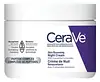
This barrier-repair night moisturizer is formulated around Ceramide NP and Niacinamide to strengthen the skin barrier and soften the look of wrinkles.
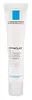
This oil-control moisturizer is formulated around Salicylic Acid and Zinc PCA to balance excess oil and refine the look of pores.


What's inside
What's inside
 Key Ingredients
Benefits
Concerns
Ingredients Side-by-side
Water
Skin ConditioningGlycerin
Humectant


Caprylic/Capric Triglyceride
Masking
Butyrospermum Parkii Butter
Skin Conditioning




Dimethicone/Vinyl Dimethicone Crosspolymer
Skin Conditioning
Cyclopentasiloxane
Emollient
Glyceryl Stearate Se
Emulsifying
Cetyl Alcohol
Emollient
Dimethicone
Emollient
Saccharide Isomerate
Humectant
Stearic Acid
Cleansing
Palmitic Acid
Emollient
Glycine Soja Sterols
Emollient
Allantoin
Skin Conditioning
Ceramide NP
Skin Conditioning

Ceramide AP
Skin Conditioning
Ceramide EOP
Skin Conditioning
Carbomer
Emulsion StabilisingNiacinamide
Smoothing






Cetearyl Alcohol
Emollient
Behentrimonium Methosulfate
SurfactantSodium Hydroxide
BufferingMyristic Acid
Cleansing
Sodium Lauroyl Lactylate
EmulsifyingSodium Benzoate
Masking
Sodium Citrate
BufferingSodium Hyaluronate
Humectant
Cholesterol
Emollient
Phenoxyethanol
Preservative
Tocopherol
Antioxidant

Tripeptide-1
Skin Conditioning
Laureth-9
EmulsifyingCitric Acid
Buffering
Caprooyl Tetrapeptide-3
Skin Protecting
Biosaccharide Gum-1
Humectant
Phytosphingosine
Skin Conditioning
Xanthan Gum
EmulsifyingDextran
Ethylhexylglycerin
Skin ConditioningButylene Glycol
Humectant
Water, Glycerin, Caprylic/Capric Triglyceride, Butyrospermum Parkii Butter, Dimethicone/Vinyl Dimethicone Crosspolymer, Cyclopentasiloxane, Glyceryl Stearate Se, Cetyl Alcohol, Dimethicone, Saccharide Isomerate, Stearic Acid, Palmitic Acid, Glycine Soja Sterols, Allantoin, Ceramide NP, Ceramide AP, Ceramide EOP, Carbomer, Niacinamide, Cetearyl Alcohol, Behentrimonium Methosulfate, Sodium Hydroxide, Myristic Acid, Sodium Lauroyl Lactylate, Sodium Benzoate, Sodium Citrate, Sodium Hyaluronate, Cholesterol, Phenoxyethanol, Tocopherol, Tripeptide-1, Laureth-9, Citric Acid, Caprooyl Tetrapeptide-3, Biosaccharide Gum-1, Phytosphingosine, Xanthan Gum, Dextran, Ethylhexylglycerin, Butylene Glycol
Water
Skin ConditioningPropylene Glycol
Humectant
Octyldodecanol
Emollient
Dimethicone
Emollient
PEG-100 Stearate
Surfactant
Glyceryl Stearate
Emollient
Salicylic Acid
Masking


Ammonium Polyacryloyldimethyl Taurate
Emulsion StabilisingZinc PCA
Humectant
Sarcosine
Skin Conditioning
Sodium Hydroxide
BufferingSilica
Abrasive
Silica Silylate
Emollient
Perlite
Absorbent
Carnosine
Skin Conditioning
Disodium EDTA
ChelatingCapryloyl Salicylic Acid
Exfoliating
Xanthan Gum
EmulsifyingPentylene Glycol
Skin Conditioning
Acrylates Copolymer
Cetyl Alcohol
Emollient
Butylene Glycol
Humectant
Tocopherol
Antioxidant
Parfum
Masking

Water, Propylene Glycol, Octyldodecanol, Dimethicone, PEG-100 Stearate, Glyceryl Stearate, Salicylic Acid, Ammonium Polyacryloyldimethyl Taurate, Zinc PCA, Sarcosine, Sodium Hydroxide, Silica, Silica Silylate, Perlite, Carnosine, Disodium EDTA, Capryloyl Salicylic Acid, Xanthan Gum, Pentylene Glycol, Acrylates Copolymer, Cetyl Alcohol, Butylene Glycol, Tocopherol, Parfum
Reviews
Ingredients Explained
These ingredients are found in both products.
Ingredients higher up in an ingredient list are typically present in a larger amount.
Butylene Glycol (or BG) is used within cosmetic products for a few different reasons:
Overall, Butylene Glycol is a safe and well-rounded ingredient that works well with other ingredients.
Though this ingredient works well with most skin types, some people with sensitive skin may experience a reaction such as allergic rashes, closed comedones, or itchiness.
Learn more about Butylene GlycolCetyl Alcohol is a fatty alcohol. Fatty Alcohols are most often used as an emollient or to thicken a product.
Its main roles are:
Though it has "alcohol" in the name, it is not related to denatured alcohol or ethyl alcohol.
The FDA allows products labeled "alcohol-free" to have fatty alcohols.
This ingredient may not be fungal acne safe. It is a primary fatty alcohol with a chain length above 12 carbons. A study from 2019 show Malassezia can feed on fatty alcohols in this range, so it may trigger fungal acne in those prone to it.
Learn more about Cetyl AlcoholDimethicone is a type of synthetic silicone created from natural materials such as quartz. It is also known as polydimethylsiloxane.
What it does:
Dimethicone comes in different viscosities:
Depending on the viscosity, dimethicone has different properties.
Ingredients lists don't always show which type is used, so we recommend reaching out to the brand if you have questions about the viscosity.
This ingredient is unlikely to cause irritation because it does not get absorbed into skin. However, people with silicone allergies should be careful about using this ingredient.
Note: Dimethicone may contribute to pilling. This is because it is not oil or water soluble, so pilling may occur when layered with products. When mixed with heavy oils in a formula, the outcome is also quite greasy.
Learn more about DimethiconeSodium Hydroxide is also known as lye or caustic soda. It is used to adjust the pH of products; many ingredients require a specific pH to be effective.
In small amounts, sodium hydroxide is considered safe to use. However, large amounts may cause chemical burns due to its high alkaline.
Your skin has a natural pH and acid mantle. This acid mantle helps prevent harmful bacteria from breaking through. The acid mantle also helps keep your skin hydrated.
"Alkaline" refers to a high pH level. A low pH level would be considered acidic.
Learn more about Sodium HydroxideTocopherol is a fat-soluble antioxidant known as Vitamin E.
You'll find this ingredient in the vast majority of skincare (for good reason). It works to neutralize free radicals, or unstable molecules generated by UV exposure, pollution, and other environmental stressors, before they can cause oxidative damage to your skin cells.
Topically applied tocopherol has been shown to protect against UV damage by ramping up the skin's own natural defense enzymes.
It also acts as a skin conditioning agent; some studies show that regular topical use can improve the skin's water-binding capacity over 2-4 weeks.
This ingredient is especially loved for being a team player. When combined with Vitamin C, the photoprotective effect of both ingredients roughly doubles and the combo also helps reduce UV-induced DNA damage.
This ingredient has some brightening potential but it's more of a prevention ingredient than spot-fader. Cell studies show it can slow down melanin production but it's worth noting that it's not the most powerful brightener out there.
In formulations, it also serves as a stabilizer that helps protect other oxidation-prone ingredients from degrading.
Concentrations usually range from 0.1-1% in most leave-on products.
Learn more about TocopherolWater. It's the most common cosmetic ingredient of all. You'll usually see it at the top of ingredient lists, meaning that it makes up the largest part of the product.
So why is it so popular? Water most often acts as a solvent - this means that it helps dissolve other ingredients into the formulation.
You'll also recognize water as that liquid we all need to stay alive. If you see this, drink a glass of water. Remember to stay hydrated!
Learn more about WaterXanthan gum is used as a stabilizer and thickener within cosmetic products. It helps give products a sticky, thick feeling - preventing them from being too runny.
On the technical side of things, xanthan gum is a polysaccharide - a combination consisting of multiple sugar molecules bonded together.
Xanthan gum is a pretty common and great ingredient. It is a natural, non-toxic, non-irritating ingredient that is also commonly used in food products.
Learn more about Xanthan Gum

