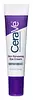
This barrier-repair eye moisturizer is formulated around Niacinamide and Ceramide NP to strengthen the skin barrier and soften the look of wrinkles.
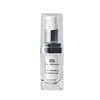
This anti-aging eye moisturizer is formulated around Galactomyces Ferment Filtrate and Acetyl Hexapeptide-8 to soften the look of wrinkles and hydrate skin.

What's inside
What's inside
 Key Ingredients
Benefits
Concerns
Ingredients Side-by-side
Water
Skin ConditioningPropanediol
Solvent

Glycerin
Humectant
Niacinamide
Smoothing









Cetearyl Alcohol
Emollient






Cetearyl Ethylhexanoate
Emollient
Caprylic/Capric Triglyceride
Masking
Dimethicone
Emollient
Petrolatum
Emollient

Polyacrylate Crosspolymer-6
Emulsion StabilisingHydrogenated Lecithin
Emulsifying
Ceramide NP
Skin Conditioning
Ceramide AP
Skin Conditioning
Ceramide EOP
Skin Conditioning
Carbomer
Emulsion StabilisingBehentrimonium Methosulfate
SurfactantTriethyl Citrate
Masking

Caffeine
Skin Conditioning
Sodium Hyaluronate
Humectant
Sodium Lauroyl Lactylate
EmulsifyingSodium Lactate
Buffering
Cholesterol
Emollient
Palmitoyl Tripeptide-1
Skin Conditioning
Palmitoyl Tetrapeptide-7
Skin Conditioning
Phenoxyethanol
Preservative
Isopropyl Myristate
Emollient
Caprylyl Glycol
Emollient
Trisodium Ethylenediamine Disuccinate
ChelatingPhytosphingosine
Skin Conditioning
Xanthan Gum
EmulsifyingButylene Glycol
Humectant
Polysorbate 20
Emulsifying
Benzoic Acid
Masking
Water, Propanediol, Glycerin, Niacinamide, Cetearyl Alcohol, Cetearyl Ethylhexanoate, Caprylic/Capric Triglyceride, Dimethicone, Petrolatum, Polyacrylate Crosspolymer-6, Hydrogenated Lecithin, Ceramide NP, Ceramide AP, Ceramide EOP, Carbomer, Behentrimonium Methosulfate, Triethyl Citrate, Caffeine, Sodium Hyaluronate, Sodium Lauroyl Lactylate, Sodium Lactate, Cholesterol, Palmitoyl Tripeptide-1, Palmitoyl Tetrapeptide-7, Phenoxyethanol, Isopropyl Myristate, Caprylyl Glycol, Trisodium Ethylenediamine Disuccinate, Phytosphingosine, Xanthan Gum, Butylene Glycol, Polysorbate 20, Benzoic Acid
Galactomyces Ferment Filtrate
Humectant
Sodium Hyaluronate
Humectant
Oryza Sativa Bran Water
Masking
Zinc Hydrolyzed Hyaluronate
HumectantHyaluronic Acid
Humectant
Sodium Hyaluronate Crosspolymer
Humectant
Hydroxypropyltrimonium Hyaluronate
C12-13 Alkyl Glyceryl Hydrolyzed Hyaluronate
Acetyl Octapeptide-3
Humectant
Acetyl Hexapeptide-8
Humectant
Acetyl Tetrapeptide-5
Humectant
Palmitoyl Pentapeptide-4
Skin Conditioning
Palmitoyl Tetrapeptide-7
Skin Conditioning
Sodium Carboxymethyl Beta-Glucan
CleansingTheobroma Grandiflorum Seed Butter
Skin Conditioning
Palmitoyl Tripeptide-1
Skin Conditioning
Butyrospermum Parkii Butter
Skin Conditioning
Tocotrienols
Skin Conditioning
Bisabolol
Antioxidant
C12-15 Alkyl Benzoate
AntimicrobialPanax Ginseng Extract
Antioxidant
Oryza Sativa Bran Oil
Emollient
Dipalmitoyl Hydroxyproline
Skin Conditioning
Camellia Sinensis Leaf Extract
Antimicrobial
Sorbitan Laurate
Emulsifying
Lysolecithin
EmulsifyingChenopodium Quinoa Seed Extract
Skin Conditioning
Pfaffia Paniculata Root Extract
SoothingLilium Candidum Flower Extract
Skin ConditioningSuperoxide Dismutase
Antioxidant
Cyathea Medullaris Leaf Extract
Skin ConditioningCamellia Sinensis Extract
Antioxidant
Phospholipids
Skin Conditioning
Moringa Oil/Hydrogenated Moringa Oil Esters
Skin Conditioning
C18-36 Acid Triglyceride
EmollientPropanediol
Solvent
Camellia Oleifera Seed Oil
Skin Conditioning
Hydrolyzed Ulva Lactuca Extract
Skin ConditioningGlycosaminoglycans
EmollientC18-36 Acid Glycol Ester
EmollientPanthenol
Skin Conditioning
Allantoin
Skin Conditioning
Tocopherol
Antioxidant
Caprylyl Glycol
Emollient
Ethylhexylglycerin
Skin ConditioningUndecylenoyl Glycine
CleansingCapryloyl Glycine
CleansingGalactomyces Ferment Filtrate, Sodium Hyaluronate, Oryza Sativa Bran Water, Zinc Hydrolyzed Hyaluronate, Hyaluronic Acid, Sodium Hyaluronate Crosspolymer, Hydroxypropyltrimonium Hyaluronate, C12-13 Alkyl Glyceryl Hydrolyzed Hyaluronate, Acetyl Octapeptide-3, Acetyl Hexapeptide-8, Acetyl Tetrapeptide-5, Palmitoyl Pentapeptide-4, Palmitoyl Tetrapeptide-7, Sodium Carboxymethyl Beta-Glucan, Theobroma Grandiflorum Seed Butter, Palmitoyl Tripeptide-1, Butyrospermum Parkii Butter, Tocotrienols, Bisabolol, C12-15 Alkyl Benzoate, Panax Ginseng Extract, Oryza Sativa Bran Oil, Dipalmitoyl Hydroxyproline, Camellia Sinensis Leaf Extract, Sorbitan Laurate, Lysolecithin, Chenopodium Quinoa Seed Extract, Pfaffia Paniculata Root Extract, Lilium Candidum Flower Extract, Superoxide Dismutase, Cyathea Medullaris Leaf Extract, Camellia Sinensis Extract, Phospholipids, Moringa Oil/Hydrogenated Moringa Oil Esters, C18-36 Acid Triglyceride, Propanediol, Camellia Oleifera Seed Oil, Hydrolyzed Ulva Lactuca Extract, Glycosaminoglycans, C18-36 Acid Glycol Ester, Panthenol, Allantoin, Tocopherol, Caprylyl Glycol, Ethylhexylglycerin, Undecylenoyl Glycine, Capryloyl Glycine
Reviews
Alternatives
Ingredients Explained
These ingredients are found in both products.
Ingredients higher up in an ingredient list are typically present in a larger amount.
Caprylyl Glycol is a humectant, skin conditioner, emollient, and preservative booster derived from either caprylic acid or synthetically created.
Typical use levels vary from 0.3-1% as a preservative booster and go up to 2% to condition skin.
Because it is not a free-fatty acid, this ingredient is fungal acne safe (there's nothing for Malassezia to feed on).
Learn more about Caprylyl GlycolPalmitoyl Tetrapeptide-7 (formerly Palmitoyl Tetrapeptide-3) is a synthetic peptide. Its main job is to fight what researchers call "inflammaging".
"Inflammaging" is the slow, low-grade chronic inflammation that quietly breaks down collagen as we age.
This ingredient calms down a specific inflammation signal in your skin cells (called IL-6). When left unchecked, this signal triggers enzymes that break down collagen and elastin.
Clinical testing showed statistically significant improvements in:
Studies also found the more of this ingredient used, the more your skin produces Collagen I, fibronectin, and hyaluronic acid.
You'll likely see this ingredient paired with Palmitoyl Tripeptide-1 in the well-known Matrixyl 3000 complex for enhanced anti-aging effects.
A 3% concentration applied twice daily for two months showed meaningful skin rejuvenation results in clinical panels.
Fungal acne note:
Usually a palmitic acid component can feed Malassezia in unbound form, but here is is covalently bonded to the peptide. This means it is very difficult for Malassezia to access, and therefore very unlikely to cause fungal acne.
Palmitoyl Tripeptide-1 (aka Pal-GHK) is a synthetic signal peptide made of three amino acids attached to palmitic acid.
That fatty acid attachment is the key: it boosts the peptide's ability to penetrate the skin barrier. This puts it closer to the dermal cells where it can actually make a difference.
Once there, it acts as a matrikine, a signaling peptide that prompts fibroblasts to produce more collagen, fibronectin, and hyaluronic acid.
In vitro studies show it can boost collagen production in skin cells even when UV-damaged skin samples were treated with it at a tiny concentration (it almost fully restored dermal collagen at 5ppm). It achieved this at 100x lower concentration than retinoic acid, which needed 500 ppm to do the same thing.
Human clinical data is promising, but modest:
A study of 23 female volunteers found a small but statistically significant increase (~4%) in skin thickness after treatment at 4 ppm.
A separate small trial of 15 women showed statistically significant reductions in wrinkle length, depth, and skin roughness after applying it twice daily for four weeks.
You'll likely see Pal-GHK paired with Palmitoyl Tetrapeptide-7 as part of the Matrixyl 3000 complex.
Fungal acne note:
Usually a palmitic acid component can feed Malassezia in unbound form, but here is is covalently bonded to the peptide. This means it is very difficult for Malassezia to access, and therefore very unlikely to cause fungal acne.
Propanediol is an all-star ingredient. It softens, hydrates, and smooths the skin.
It’s often used to:
Propanediol is not likely to cause sensitivity and considered safe to use. It is derived from corn or petroleum with a clear color and no scent.
Learn more about PropanediolSodium Hyaluronate is the salt form of hyaluronic acid. It is a long sugar chain that is naturally found in your skin, joints, and connective tissue that maintains hydration and elasticity.
In skincare, it works as a humectant. It pulls water from the environment and deeper layers of skin and binds it to the surface.
Interestingly, the size of the molecule affects its behavior:
Some clinical evidence links low molecular weight versions to improved wrinkle depth, elasticity, anti-inflammatory effects, and barrier repair.
Many serums use a blend of both weights so you can get surface hydration plus longer-lasting and deeper effects.
You'll typically see concentrations between 0.1-2% for this ingredient.
Learn more about Sodium Hyaluronate

