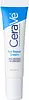
This barrier-repair eye moisturizer is formulated around Niacinamide and Ceramide NP to strengthen the skin barrier and hydrate skin.
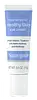
This anti-aging eye moisturizer is formulated around Glycolic Acid and Retinyl Palmitate to soften the look of wrinkles and refine skin texture.

What's inside
What's inside
 Key Ingredients
Benefits
Concerns
Ingredients Side-by-side
Water
Skin ConditioningNiacinamide
Smoothing











Cetyl Alcohol
Emollient



Caprylic/Capric Triglyceride
Masking
Glycerin
Humectant
Propanediol
Solvent
Isononyl Isononanoate
EmollientJojoba Esters
Emollient
PEG-20 Methyl Glucose Sesquistearate
Emulsifying
Cetearyl Alcohol
Emollient


Dimethicone
Emollient
Methyl Glucose Sesquistearate
Emollient
Asparagopsis Armata Extract
Skin Protecting
Ceramide NP
Skin Conditioning
Ceramide AP
Skin Conditioning
Potassium Sorbate
Preservative
Ceramide EOP
Skin Conditioning
Sorbitol
Humectant
Carbomer
Emulsion StabilisingZinc Citrate
Behentrimonium Methosulfate
SurfactantTriethanolamine
BufferingAloe Barbadensis Leaf Extract
Emollient
Sodium Lauroyl Lactylate
EmulsifyingSodium Hydroxide
BufferingEquisetum Arvense Extract
AstringentSodium Hyaluronate
Humectant
Cholesterol
Emollient
Phenoxyethanol
Preservative
Prunus Amygdalus Dulcis Oil
Skin Conditioning
Tocopherol
Antioxidant

Ascophyllum Nodosum Extract
Skin Conditioning
Laureth-4
Emulsifying
Hydrogenated Vegetable Oil
Emollient
Tetrasodium EDTA
ChelatingMaltodextrin
Absorbent
Phytosphingosine
Skin Conditioning
Xanthan Gum
EmulsifyingButylene Glycol
Humectant
Ethylhexylglycerin
Skin ConditioningChrysanthellum Indicum Extract
Skin Conditioning
Water, Niacinamide, Cetyl Alcohol, Caprylic/Capric Triglyceride, Glycerin, Propanediol, Isononyl Isononanoate, Jojoba Esters, PEG-20 Methyl Glucose Sesquistearate, Cetearyl Alcohol, Dimethicone, Methyl Glucose Sesquistearate, Asparagopsis Armata Extract, Ceramide NP, Ceramide AP, Potassium Sorbate, Ceramide EOP, Sorbitol, Carbomer, Zinc Citrate, Behentrimonium Methosulfate, Triethanolamine, Aloe Barbadensis Leaf Extract, Sodium Lauroyl Lactylate, Sodium Hydroxide, Equisetum Arvense Extract, Sodium Hyaluronate, Cholesterol, Phenoxyethanol, Prunus Amygdalus Dulcis Oil, Tocopherol, Ascophyllum Nodosum Extract, Laureth-4, Hydrogenated Vegetable Oil, Tetrasodium EDTA, Maltodextrin, Phytosphingosine, Xanthan Gum, Butylene Glycol, Ethylhexylglycerin, Chrysanthellum Indicum Extract
Water
Skin ConditioningCetyl Alcohol
Emollient
C12-15 Alkyl Benzoate
AntimicrobialStearic Acid
Cleansing
Glycerin
Humectant
Glyceryl Stearate
Emollient
PEG-100 Stearate
Surfactant
Ethylhexyl Palmitate
Emollient
Dimethicone
Emollient
Tocopheryl Acetate
Antioxidant
Silica
Abrasive
Glycolic Acid
Buffering

Sodium Hydroxide
BufferingXanthan Gum
EmulsifyingDiazolidinyl Urea
Preservative
Methylparaben
Preservative

Panthenol
Skin Conditioning
Bisabolol
Antioxidant
Melibiose
HumectantPropylparaben
Preservative
Tetrasodium EDTA
ChelatingAscorbic Acid/Orange/Citrus Limon/Citrus Aurantifolia Polypeptides
Skin Conditioning
Retinyl Palmitate
Skin Conditioning
Mica
Cosmetic ColorantWater, Cetyl Alcohol, C12-15 Alkyl Benzoate, Stearic Acid, Glycerin, Glyceryl Stearate, PEG-100 Stearate, Ethylhexyl Palmitate, Dimethicone, Tocopheryl Acetate, Silica, Glycolic Acid, Sodium Hydroxide, Xanthan Gum, Diazolidinyl Urea, Methylparaben, Panthenol, Bisabolol, Melibiose, Propylparaben, Tetrasodium EDTA, Ascorbic Acid/Orange/Citrus Limon/Citrus Aurantifolia Polypeptides, Retinyl Palmitate, Mica
Reviews
Ingredients Explained
These ingredients are found in both products.
Ingredients higher up in an ingredient list are typically present in a larger amount.
Cetyl Alcohol is a fatty alcohol. Fatty Alcohols are most often used as an emollient or to thicken a product.
Its main roles are:
Though it has "alcohol" in the name, it is not related to denatured alcohol or ethyl alcohol.
The FDA allows products labeled "alcohol-free" to have fatty alcohols.
This ingredient may not be fungal acne safe. It is a primary fatty alcohol with a chain length above 12 carbons. A study from 2019 show Malassezia can feed on fatty alcohols in this range, so it may trigger fungal acne in those prone to it.
Learn more about Cetyl AlcoholDimethicone is a type of synthetic silicone created from natural materials such as quartz. It is also known as polydimethylsiloxane.
What it does:
Dimethicone comes in different viscosities:
Depending on the viscosity, dimethicone has different properties.
Ingredients lists don't always show which type is used, so we recommend reaching out to the brand if you have questions about the viscosity.
This ingredient is unlikely to cause irritation because it does not get absorbed into skin. However, people with silicone allergies should be careful about using this ingredient.
Note: Dimethicone may contribute to pilling. This is because it is not oil or water soluble, so pilling may occur when layered with products. When mixed with heavy oils in a formula, the outcome is also quite greasy.
Learn more about DimethiconeGlycerin (or glycerol) is a compound naturally found in your skin. It's a powerhouse humectant that pulls water into the stratum corneum.
Topically, glycerin does several things at once:
Your skin makes glycerin on its own (mostly from sebaceous oil breakdown) and shuttles it to your outermost layer of skin, or your epidermis, via aquaporin-3.
Aquaporin-3 is a transporter that is essential for normal skin hydration, elasticity, and repair. Interestingly, mice lacking in AQP3 have dry and less elastic skin that can be fully corrected with glycerin.
This ingredient is non-irritating, plays well with almost every ingredient, and works across all skin types. Typical use is anywhere between 3-10% but can go up to 79% in some leave-on products.
Just know very high concentrations (>40%) can feel tacky in low humidity.
Glycerin is the name for this ingredient in American English. British English uses Glycerol/Glycerine.
Learn more about GlycerinSodium Hydroxide is also known as lye or caustic soda. It is used to adjust the pH of products; many ingredients require a specific pH to be effective.
In small amounts, sodium hydroxide is considered safe to use. However, large amounts may cause chemical burns due to its high alkaline.
Your skin has a natural pH and acid mantle. This acid mantle helps prevent harmful bacteria from breaking through. The acid mantle also helps keep your skin hydrated.
"Alkaline" refers to a high pH level. A low pH level would be considered acidic.
Learn more about Sodium HydroxideTetrasodium EDTA is the salt formed from neutralizing ethylenediamine tetraacetic acid with sodium hydroxide. It is a chelating agent and used to prevent metal ions from binding to other ingredients. This helps keep the product and ingredients stable.
Tetrasodium EDTA comes as a white solid and is soluble in water.
Water. It's the most common cosmetic ingredient of all. You'll usually see it at the top of ingredient lists, meaning that it makes up the largest part of the product.
So why is it so popular? Water most often acts as a solvent - this means that it helps dissolve other ingredients into the formulation.
You'll also recognize water as that liquid we all need to stay alive. If you see this, drink a glass of water. Remember to stay hydrated!
Learn more about WaterXanthan gum is used as a stabilizer and thickener within cosmetic products. It helps give products a sticky, thick feeling - preventing them from being too runny.
On the technical side of things, xanthan gum is a polysaccharide - a combination consisting of multiple sugar molecules bonded together.
Xanthan gum is a pretty common and great ingredient. It is a natural, non-toxic, non-irritating ingredient that is also commonly used in food products.
Learn more about Xanthan Gum

