This brightening eye mask is formulated around Niacinamide and Sodium DNA to brighten dull-looking skin and soften the look of wrinkles.

What's inside
What's inside
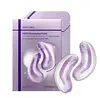 Key Ingredients

Benefits
Concerns
Ingredients Side-by-side
Water
Skin ConditioningGlycerin
Humectant


Niacinamide
Smoothing









Agar
MaskingButylene Glycol
Humectant
Cetyl Ethylhexanoate
EmollientDipropylene Glycol
HumectantCaprylyl/Capryl Glucoside
CleansingHydroxyacetophenone
Antioxidant
Squalane
Emollient
Chondrus Crispus Extract
Skin Conditioning
Glucomannan
Skin ConditioningCaprylyl Glycol
Emollient
Ascophyllum Nodosum Extract
Skin Conditioning

Cellulose Gum
Emulsion StabilisingEpilobium Angustifolium Flower/Leaf/Stem Extract
Skin Conditioning1,2-Hexanediol
Skin Conditioning
Mica
Cosmetic ColorantCalcium Lactate
AstringentCI 77891
Cosmetic ColorantCalcium Aluminum Borosilicate
Adenosine
Skin Conditioning
CI 77007
Cosmetic ColorantSynthetic Fluorphlogopite
Maltodextrin
Absorbent
CI 77491
Cosmetic ColorantTetrasodium Glutamate Diacetate
ChelatingSodium Hyaluronate
Humectant
Sodium DNA
Skin Conditioning
Caffeine
Skin Conditioning
Menthoxypropanediol
Masking

Glutathione
Dimethyl Isosorbide
SolventAsiaticoside
Antioxidant
Madecassic Acid
Skin Conditioning
Asiatic Acid
Skin Conditioning
Dipotassium Glycyrrhizate
Humectant
Ethylhexylglycerin
Skin ConditioningHydroxypinacolone Retinoate
Skin Conditioning
Tin Oxide
Abrasive
Centella Asiatica Extract
Cleansing
Hydrogenated Lecithin
Emulsifying
Potassium Hyaluronate
Skin ConditioningGlycine Soja Sterols
Emollient
Xanthan Gum
EmulsifyingSolanum Lycopersicum Fruit Extract
Antioxidant
Retinol
Skin Conditioning
Hydrolyzed Sodium Hyaluronate
Skin Conditioning
Hyaluronic Acid
Humectant
Sodium Acetylated Hyaluronate
Humectant
Acetyl Hexapeptide-1
Skin Conditioning
Nelumbo Nucifera Leaf Extract
Skin ConditioningWater, Glycerin, Niacinamide, Agar, Butylene Glycol, Cetyl Ethylhexanoate, Dipropylene Glycol, Caprylyl/Capryl Glucoside, Hydroxyacetophenone, Squalane, Chondrus Crispus Extract, Glucomannan, Caprylyl Glycol, Ascophyllum Nodosum Extract, Cellulose Gum, Epilobium Angustifolium Flower/Leaf/Stem Extract, 1,2-Hexanediol, Mica, Calcium Lactate, CI 77891, Calcium Aluminum Borosilicate, Adenosine, CI 77007, Synthetic Fluorphlogopite, Maltodextrin, CI 77491, Tetrasodium Glutamate Diacetate, Sodium Hyaluronate, Sodium DNA, Caffeine, Menthoxypropanediol, Glutathione, Dimethyl Isosorbide, Asiaticoside, Madecassic Acid, Asiatic Acid, Dipotassium Glycyrrhizate, Ethylhexylglycerin, Hydroxypinacolone Retinoate, Tin Oxide, Centella Asiatica Extract, Hydrogenated Lecithin, Potassium Hyaluronate, Glycine Soja Sterols, Xanthan Gum, Solanum Lycopersicum Fruit Extract, Retinol, Hydrolyzed Sodium Hyaluronate, Hyaluronic Acid, Sodium Acetylated Hyaluronate, Acetyl Hexapeptide-1, Nelumbo Nucifera Leaf Extract
Water
Skin ConditioningGlycerin
Humectant
Butylene Glycol
Humectant
Caprylic/Capric Triglyceride
Masking
Cetyl Ethylhexanoate
EmollientHydrogenated Polydecene
Emollient1,2-Hexanediol
Skin Conditioning
Betaine
Humectant
Propanediol
Solvent
Ammonium Acryloyldimethyltaurate/Vp Copolymer
Hydroxyacetophenone
Antioxidant
Acrylates/C10-30 Alkyl Acrylate Crosspolymer
Emulsion StabilisingPentaerythrityl Tetra-Di-T-Butyl Hydroxyhydrocinnamate
Antioxidant
Hydrogenated Lecithin
Emulsifying
Ethylhexylglycerin
Skin ConditioningRetinol
Skin Conditioning
Tromethamine
BufferingBenzotriazolyl Dodecyl P-Cresol
UV AbsorberGlyceryl Polymethacrylate
Hdi/Trimethylol Hexyllactone Crosspolymer
Xanthan Gum
EmulsifyingCholesterol
Emollient
Panthenol
Skin Conditioning
Disodium EDTA
ChelatingPolyvinyl Alcohol
Methylpropanediol
SolventTocopherol
Antioxidant
Ceramide NP
Skin Conditioning
Centella Asiatica Leaf Water
Skin Conditioning
Caprylyl Glycol
Emollient
Phenylpropanol
Masking

Madecassoside
Antioxidant
Hyaluronic Acid
Humectant
Bakuchiol
Antimicrobial
Echinacea Purpurea Extract
MoisturisingSodium DNA
Skin Conditioning
Acetyl Tetrapeptide-5
Humectant
Acetyl Hexapeptide-1
Skin Conditioning
Acetyl Hexapeptide-8
Humectant
Water, Glycerin, Butylene Glycol, Caprylic/Capric Triglyceride, Cetyl Ethylhexanoate, Hydrogenated Polydecene, 1,2-Hexanediol, Betaine, Propanediol, Ammonium Acryloyldimethyltaurate/Vp Copolymer, Hydroxyacetophenone, Acrylates/C10-30 Alkyl Acrylate Crosspolymer, Pentaerythrityl Tetra-Di-T-Butyl Hydroxyhydrocinnamate, Hydrogenated Lecithin, Ethylhexylglycerin, Retinol, Tromethamine, Benzotriazolyl Dodecyl P-Cresol, Glyceryl Polymethacrylate, Hdi/Trimethylol Hexyllactone Crosspolymer, Xanthan Gum, Cholesterol, Panthenol, Disodium EDTA, Polyvinyl Alcohol, Methylpropanediol, Tocopherol, Ceramide NP, Centella Asiatica Leaf Water, Caprylyl Glycol, Phenylpropanol, Madecassoside, Hyaluronic Acid, Bakuchiol, Echinacea Purpurea Extract, Sodium DNA, Acetyl Tetrapeptide-5, Acetyl Hexapeptide-1, Acetyl Hexapeptide-8
Reviews
Ingredients Explained
These ingredients are found in both products.
Ingredients higher up in an ingredient list are typically present in a larger amount.
1,2-Hexanediol is a synthetic liquid and another multi-functional powerhouse.
It is a:
- Humectant, drawing moisture into the skin
- Emollient, helping to soften skin
- Solvent, dispersing and stabilizing formulas
- Preservative booster, enhancing the antimicrobial activity of other preservatives
This peptide is a lab-made "messenger peptide" that differs from other peptides; it's mostly known for nudging skin pigmentation upward rather than smoothing wrinkles like other peptides.
It works by mimicing parts of the alpha-melanocyte-stimulating hormone signaling pathway by telling pigment making cells (melanocytes) to make more melanin.
Our bodies produce melanin in response to UV so this peptide is marketed for supporting tanning and has also been explored in hypopigmentation contexts like vitiligo.
Though there is some human data, it's doesn't have the best "single-ingredient" evidence.
For example, an 8 week clinical study in middle-aged Chinese women found using an essence with 0.02% acetyl hexapeptide-1 + retinol improved photoaging related measures. Since it was a combo product, you can't attribute the results to the peptide alone.
In vitiligo research a topical cream with acetyl hexapeptide-1 plus other actives was reported to support repigmentation in some areas. Again, this was a combo product so it's not a pure “acetyl hexapeptide-1 did this” conclusion.
If you're trying to fade hyperpigmentation like melasma and sun spots, this may not be the ingredient for you. Again, its generally positioned as a pro-pigment / tanning support peptide.
Peptides are usually well tolerated but be sure to patch test if you're cautious or have extra sensitive skin.
Learn more about Acetyl Hexapeptide-1Butylene Glycol (or BG) is used within cosmetic products for a few different reasons:
Overall, Butylene Glycol is a safe and well-rounded ingredient that works well with other ingredients.
Though this ingredient works well with most skin types, some people with sensitive skin may experience a reaction such as allergic rashes, closed comedones, or itchiness.
Learn more about Butylene GlycolCaprylyl Glycol is a humectant, skin conditioner, emollient, and preservative booster derived from either caprylic acid or synthetically created.
Typical use levels vary from 0.3-1% as a preservative booster and go up to 2% to condition skin.
Because it is not a free-fatty acid, this ingredient is fungal acne safe (there's nothing for Malassezia to feed on).
Learn more about Caprylyl GlycolCetyl Ethylhexanoate is an emollient ester. It comes from cetearyl alcohol and 2-ethylhexanoic acid.
Cetyl Ethylhexanoate is an emollient that adds a velvety feel to skin without being greasy or oily. Emollients help trap moisture into your skin, keeping your skin soft and hydrated.
Ethylhexylglycerin is created from glycerin. It is a multitasker ingredient that:
The CIR Expert Panel found minimal skin absorption or sensitization of any kind in a safety assessment. Though this ingredient is considered well-tolerated, a small number of cases of allergic dermatitis have been published since 2002. Just be sure to patch test if you are unsure.
Industry-reported use ranges from 8% in rinse-off products and 2% in leave-on formulations.
Learn more about EthylhexylglycerinGlycerin (or glycerol) is a compound naturally found in your skin. It's a powerhouse humectant that pulls water into the stratum corneum.
Topically, glycerin does several things at once:
Your skin makes glycerin on its own (mostly from sebaceous oil breakdown) and shuttles it to your outermost layer of skin, or your epidermis, via aquaporin-3.
Aquaporin-3 is a transporter that is essential for normal skin hydration, elasticity, and repair. Interestingly, mice lacking in AQP3 have dry and less elastic skin that can be fully corrected with glycerin.
This ingredient is non-irritating, plays well with almost every ingredient, and works across all skin types. Typical use is anywhere between 3-10% but can go up to 79% in some leave-on products.
Just know very high concentrations (>40%) can feel tacky in low humidity.
Glycerin is the name for this ingredient in American English. British English uses Glycerol/Glycerine.
Learn more about GlycerinHyaluronic acid (HA) is a glycosaminoglycan (basically a long sugar chain) that your skin already makes on its own. In your skin, HA lives in the extracellular matrix and acts as the body's moisture reservoir.
Topically, HA is a humectant that binds water and helps skin look more plump, smooth, and hydrated.
The only catch is that HA isn't a single thing; it actually comes in a wide range of molecular weights (~50 - 2,000+ kDA) and size matters.
Some clinical evidence links low molecular weight versions to improved wrinkle depth, elasticity, anti-inflammatory effects, and barrier repair.
This is why the best HA serums blend the two sizes together so you get the best of both worlds.
The majority of cosmetic HA is produced by bacterial fermentation, typically using Streptococcus or Bacillus strains. Typical use levels in skincare sit around 0.1-2%.
A clinical study using a 0.2% low-molecular weight HA gel showed improvement in facial seborrheic dermatitis with excellent tolerance.
These are some other common types of Hyaluronic Acid:
Learn more about Hyaluronic AcidHydrogenated Lecithin is a more stable version of lecithin.
It's made by taking lecithin (a phospholipid commonly found in soybeans and egg yolks) and hydrogenating it. This just means the unsaturated fatty acids are turned into saturated ones so they don't go bad as easily.
This ingredient is an emollient, emulsifier, and penetration enhancer. As an emollient, it helps soften and hydrate skin by trapping moisture within. As an emulsifier, it prevents oil and water ingredients from separating.
Hydrogenated Lecithin can form tiny spherical structures made of phospholipid bilayers called liposomes. These liposomes are able to capture compounds inside their structure and deliver them through the skin barrier.
Because phospholipids are a natural component of our cell membranes, this ingredient is inherently compatible with skin.
A 2021 study found lecithin-based surfactants were less harsh and more tolerable comared to Sodium Lauryl Sulfate (SLS).
Learn more about Hydrogenated LecithinHydroxyacetophenone is a small phenolic molecule that earns its place in a formulas as an antioxidant and preservative booster.
As a phenol, it is able to neutralize free radicals to protect both the product and the skin from oxidative stress.
Though it can't kill microbes on its own, it works as a good supporting agent when combined with other preservatives like Phenoxyethanol or 1,2-Hexanediol.
This ingredient naturally occurs as piceol in Norwegian spruce needles (~0.4-1.1% dry weight and in cloudberries). Though the cosmetic-grade material is synthesized for purity and consistency.
You'll usually see it used at low levels and suppliers recommend up to 1% added to a water phase.
Safety testing was done at concentrations like 0.05% in SPF products and 0.5% in a Human Repeated Insult Patch Test. The safety evidence is assuring; this ingredient is safe for cosmetics in current use and also holds safety status as a food flavoring as well.
An honest caveat: the "soothing" and "anti-inflammatory" claims come mostly from supplier marketing rather than published clinical trials. The Cosmetic Ingredient Review's own literature search found no useful efficacy studies on this ingredient.
So the antioxidant and preservative-boosting roles are the well supported ones while the calming benefit is plausible but thinly evidenced.
Overall, this is a well-tolerated, low-irritation multitasker that quietly helps a formula stay fresh and stable.
Learn more about HydroxyacetophenoneRetinol is one of the most studied anti-aging ingredients in skincare (and for good reason!).
It's a form of vitamin A that your skin converts into Retinoic Acid, the active molecule that actually does the work in your cells.
That conversion happens in two steps: your skin first turns Retinol into Retinaldehyde (also called Retinal), then turns Retinaldehyde into Retinoic Acid.
Retinol is converted to biologically active retinoic acid via retinaldehyde by dehydrogenases in a two-step oxidation process.
Each step is a little "upgrade" toward the active form which is part of why Retinol is gentler than prescription Retinoic Acid; your skin does the work gradually. This also explains where Retinol sits in the retinoid family.
Here is the retinoid family ranked roughly by strength: Retinyl Esters (like Retinyl Palmitate) < Retinol < Retinaldehyde < Retinoic Acid.
Retinoid activity increases in that order, while tolerance runs in reverse; retinyl esters are the gentlest and retinoic acid the most irritating.
The more conversion steps an ingredient needs, the gentler (and slower) it tends to be, so Retinol lands in a nice middle spot. It's more effective than the esters, gentler than prescription options.
Once it becomes Retinoic Acid, it binds to receptors inside your cells' nuclei (called RARs and RXRs). These receptor pairs bind to specific DNA motifs called retinoic acid response elements and act like switches that turn certain genes on or off.
In practice, this means a few things happen in a formula. It:
That last two are worth a closer look.
A study that tested Retinol directly (not just prescription Retinoic Acid) found that four weeks of retinol thickened the epidermis and switched on the genes for Collagen I and Collagen III, with more procollagen I and III showing up in the skin. And after twelve weeks, facial wrinkles were visibly reduced.
Retinoids more broadly stimulate the skin's synthesis of hyaluronan and other glycosaminoglycans, part of what gives skin a plumper, more hydrated look over time.
So even the gentler OTC form is doing real structural work (not just sitting on the surface).
It's also worth knowing Retinol isn't only a wrinkle ingredient; it can help with uneven tone, dark spots, rough texture, and the look of pores as well because it speeds up turnover and influences pigment.
The research backs this up as well.
A pooled analysis of six clinical studies found that 0.1% stabilized retinol improved all signs of photoaging versus vehicle as early as week 4 and through 12 weeks, with only a few mild cases of irritation.
Another study comparing concentrations found that 0.3% and 1% Retinol were similarly effective at remodeling photodamaged skin, but 0.3% caused fewer adverse reactions when used daily (a useful reminder that more isn't always better).
Retinol is about tenfold less potent than Retinoic Acid. This is why it works as a gentler, non-prescription option that builds results over time.
Typical concentrations range from 0.1-1%, with 0.1% to 0.3% being a well-supported sweet spot for visible benefits with good tolerability.
One quirk worth mentioning: Retinol is famously unstable.
It's highly sensitive to light and oxygen, and UV exposure breaks it down into a range of degradation products.
Real-world testing bears this out, with retinoid content in some products dropping anywhere from 0% to 80% after six months at room temperature, and even more at higher temperatures.
This is why good formulations lean on opaque, air-tight packaging (think tubes and pumps, not clear jars) and often "encapsulate" the Retinol to shield it.
Signs of oxidation include your product turning yellow or smelling "off". Keeping it somewhere cool and dark, and using it up within a few months of opening helps it stay effective.
The most common side effects are mild and temporary: usually some dryness, redness, or light peeling as your skin adjusts. These tend to settle with consistent and lower-frequency use.
Like all retinoids, Retinol works best with nightly use, a good moisturizer, and daytime sunscreen.
The "ramp up" method works well: start with Retinol once a week to give your skin time to adjust, which keeps irritation low. Slowly add more nights until you reach your goal frequency once your skin feels comfortable.
Retinoids also make your skin more sensitive to the sun in the first few weeks, so wear sunscreen every morning and protect your skin from direct sun while you build up tolerance.
One safety note: topical Retinoids aren't recommended during pregnancy or breastfeeding. Systemic absorption from creams is low but because high oral vitamin A is a known teratogen and topical safety data are limited, most clinicians recommend stopping retinoids when pregnant or trying to conceive.
Learn more about RetinolSodium DNA is an emerging anti-aging ingredient.
It is created by taking deoxyribonucleic acid (DNA) and purifying it with sodium hydroxide.
The DNA is extracted from several different animal sources, including: calf thymus, the gonadic tissue of a male sturgeon, or herring / salmon sperm.
You have probably seen this ingredient in anti-aging skincare. But what is it?
DNA is composed of nucleotides, or chemical building blocks. Nucleotides include adenine (A), thymine (T), guanine (G), and cytosine (C). Talk about a flashback to biology! Nucleosides are formed from these nucleotides.
The science behind Sodium DNA is based on an ingredient called Polydeoxyribonucleotide or PDRN.
PDRN are DNA fragments mainly extracted from the sperm cells of trout or salmon. Meaning, PDRN can be derived from Sodium DNA.
PDRN consists of chains of nucleotides and nucleosides mentioned above. They can range anywhere from 80 - 2000 pairs.
Studies show PDRN has the following properties:
Most of the research on PDRN has been done using injectable forms. That’s important, because PDRN is a large molecule and doesn’t absorb well through the skin. So if you’re applying it topically, the effects are likely to be much milder.
Still, topical Sodium DNA is emerging as a trendy anti-aging ingredient. It’s generally well-tolerated and offers good biocompatibility with human skin, making it a low-risk addition to most routines.
Further studies are needed to truly confirm this ingredients anti-aging ability (Remember, retinol has decades of research!).
Sodium DNA may be sourced from fish, animal tissue, or plants. Since this isn’t always disclosed, we recommend asking the brand directly if the ingredient’s origin is important to you.
Learn more about Sodium DNAWater. It's the most common cosmetic ingredient of all. You'll usually see it at the top of ingredient lists, meaning that it makes up the largest part of the product.
So why is it so popular? Water most often acts as a solvent - this means that it helps dissolve other ingredients into the formulation.
You'll also recognize water as that liquid we all need to stay alive. If you see this, drink a glass of water. Remember to stay hydrated!
Learn more about WaterXanthan gum is used as a stabilizer and thickener within cosmetic products. It helps give products a sticky, thick feeling - preventing them from being too runny.
On the technical side of things, xanthan gum is a polysaccharide - a combination consisting of multiple sugar molecules bonded together.
Xanthan gum is a pretty common and great ingredient. It is a natural, non-toxic, non-irritating ingredient that is also commonly used in food products.
Learn more about Xanthan Gum

