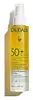
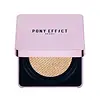
Caudalie Vinosun Protect Very High Protection Sun Water SPF 50+ Versus Pony Effect Glow Stay Cushion Foundation
This chemical sunscreen covers the full UV range and blocks ~98% of UVB at SPF 50.


What's inside
What's inside
 Key Ingredients
Benefits
Concerns
Ingredients Side-by-side
Dibutyl Adipate
EmollientWater
Skin ConditioningDiethylamino Hydroxybenzoyl Hexyl Benzoate
UV Filter
Dicaprylyl Carbonate
EmollientPropanediol
Solvent

Ethylhexyl Triazone
UV Absorber
Methylpropanediol
SolventBis-Ethylhexyloxyphenol Methoxyphenyl Triazine
UV Absorber
Phenylbenzimidazole Sulfonic Acid
UV Absorber
Arginine
Masking
Lupinus Albus Seed Oil
Skin Conditioning


Benzotriazolyl Dodecyl P-Cresol
UV AbsorberSodium Chloride
MaskingPalmitoyl Grape Seed Extract
Skin ConditioningGlycerin
Humectant
Caprylyl Glycol
Emollient
Niacinamide
Smoothing









Phenylpropanol
Masking

O-Cymen-5-Ol
Antimicrobial
Tocopheryl Acetate
Antioxidant

Picea Abies Wood Extract
Linalool
Perfuming


Helianthus Annuus Seed Oil
Emollient
Hexyl Cinnamal
Perfuming
Tocopherol
Antioxidant
Parfum
Masking
Geraniol
Perfuming
Citronellol
Perfuming
Dibutyl Adipate, Water, Diethylamino Hydroxybenzoyl Hexyl Benzoate, Dicaprylyl Carbonate, Propanediol, Ethylhexyl Triazone, Methylpropanediol, Bis-Ethylhexyloxyphenol Methoxyphenyl Triazine, Phenylbenzimidazole Sulfonic Acid, Arginine, Lupinus Albus Seed Oil, Benzotriazolyl Dodecyl P-Cresol, Sodium Chloride, Palmitoyl Grape Seed Extract, Glycerin, Caprylyl Glycol, Niacinamide, Phenylpropanol, O-Cymen-5-Ol, Tocopheryl Acetate, Picea Abies Wood Extract, Linalool, Helianthus Annuus Seed Oil, Hexyl Cinnamal, Tocopherol, Parfum, Geraniol, Citronellol
Water
Skin ConditioningCI 77891
Cosmetic ColorantPhenyl Trimethicone
Skin Conditioning
Ethylhexyl Methoxycinnamate
UV Absorber
Cyclopentasiloxane
Emollient
Butylene Glycol
Humectant
Ethylhexyl Salicylate
UV Absorber
Cyclohexasiloxane
Emollient
Isononyl Isononanoate
EmollientLauryl PEG-10 Tris(Trimethylsiloxy)Silylethyl Dimethicone
Emulsifying
Dimethicone
Emollient
Niacinamide
Smoothing
1,2-Hexanediol
Skin Conditioning
CI 77492
Cosmetic ColorantCI 77163
Cosmetic Colorant
Synthetic Fluorphlogopite
Centella Asiatica Extract
Cleansing
Chamomilla Recutita Flower Extract
Masking
Simmondsia Chinensis Seed Oil
Emollient
Cetyl PEG/PPG-10/1 Dimethicone
Emulsifying
Phytosteryl/Isostearyl/Cetyl/Stearyl/Behenyl Dimer Dilinoleate
Skin Conditioning
Trimethylsiloxysilicate
Emollient
Trisiloxane
Skin Conditioning
Disteardimonium Hectorite
StabilisingMagnesium Sulfate
Sorbitan Sesquioleate
Emulsifying
Ethylhexyl Hydroxystearate
Emollient
Glyceryl Caprylate
EmollientStearic Acid
Cleansing
Cetyl Palmitate
Emollient
Alumina
Abrasive
Triethoxycaprylylsilane
Sorbitan Olivate
Emulsifying
Sorbitan Palmitate
Emulsifying
Aluminum Hydroxide
EmollientEthylhexylglycerin
Skin ConditioningAdenosine
Skin Conditioning
CI 77220
Cosmetic ColorantDisodium EDTA
ChelatingParfum
Masking
CI 77491
Cosmetic ColorantCI 77499
Cosmetic ColorantWater, CI 77891, Phenyl Trimethicone, Ethylhexyl Methoxycinnamate, Cyclopentasiloxane, Butylene Glycol, Ethylhexyl Salicylate, Cyclohexasiloxane, Isononyl Isononanoate, Lauryl PEG-10 Tris(Trimethylsiloxy)Silylethyl Dimethicone, Dimethicone, Niacinamide, 1,2-Hexanediol, CI 77492, CI 77163, Synthetic Fluorphlogopite, Centella Asiatica Extract, Chamomilla Recutita Flower Extract, Simmondsia Chinensis Seed Oil, Cetyl PEG/PPG-10/1 Dimethicone, Phytosteryl/Isostearyl/Cetyl/Stearyl/Behenyl Dimer Dilinoleate, Trimethylsiloxysilicate, Trisiloxane, Disteardimonium Hectorite, Magnesium Sulfate, Sorbitan Sesquioleate, Ethylhexyl Hydroxystearate, Glyceryl Caprylate, Stearic Acid, Cetyl Palmitate, Alumina, Triethoxycaprylylsilane, Sorbitan Olivate, Sorbitan Palmitate, Aluminum Hydroxide, Ethylhexylglycerin, Adenosine, CI 77220, Disodium EDTA, Parfum, CI 77491, CI 77499
Ingredients Explained
These ingredients are found in both products.
Ingredients higher up in an ingredient list are typically present in a larger amount.
Niacinamide is a multitasking form of vitamin B3 that strengthens the skin barrier, reduces pores and dark spots, regulates oil, and improves signs of aging.
And the best part? It's gentle and well-tolerated by most skin types, including sensitive and reactive skin.
You might have heard of "niacin flush", or the reddening of skin that causes itchiness. Niacinamide has not been found to cause this.
In very rare cases, some individuals may not be able to tolerate niacinamide at all or experience an allergic reaction to it.
If you are experiencing flaking, irritation, and dryness with this ingredient, be sure to double check all your products as this ingredient can be found in all categories of skincare.
When incorporating niacinamide into your routine, look out for concentration amounts. Typically, 5% niacinamide provides benefits such as fading dark spots. However, if you have sensitive skin, it is better to begin with a smaller concentration.
When you apply niacinamide to your skin, your body converts it into nicotinamide adenine dinucleotide (NAD). NAD is an essential coenzyme that is already found in your cells as "fuel" and powers countless biological processes.
In your skin, NAD helps repair cell damage, produce new healthy cells, support collagen production, strengthen the skin barrier, and fight environmental stressors (like UV and pollution).
Our natural NAD levels start to decline with age, leading to slower skin repair, visible aging, and a weaker skin barrier. By providing your skin niacinamide, you're recharging your skin's NAD levels. This leads to stronger, healthier, and younger looking skin.
Another name for vitamin B3 is nicotinamide. This vitamin is water-soluble and our bodies don't store it. We obtain Vitamin B3 from either food or skincare. Meat, fish, wheat, yeast, and leafy greens contain vitamin B3.
The type of niacinamide used in skincare is synthetically created.
Learn more about NiacinamideParfum is a catch-all term for an ingredient or more that is used to give a scent to products.
Also called "fragrance", this ingredient can be a blend of hundreds of chemicals or plant oils. This means every product with "fragrance" or "parfum" in the ingredients list is a different mixture.
For instance, Habanolide is a proprietary trade name for a specific aroma chemical. When used as a fragrance ingredient in cosmetics, most aroma chemicals fall under the broad labeling category of “FRAGRANCE” or “PARFUM” according to EU and US regulations.
The term 'parfum' or 'fragrance' is not regulated in many countries. In many cases, it is up to the brand to define this term.
For instance, many brands choose to label themselves as "fragrance-free" because they are not using synthetic fragrances. However, their products may still contain ingredients such as essential oils that are considered a fragrance by INCI standards.
One example is Calendula flower extract. Calendula is an essential oil that still imparts a scent or 'fragrance'.
Depending on the blend, the ingredients in the mixture can cause allergies and sensitivities on the skin. Some ingredients that are known EU allergens include linalool and citronellol.
Parfum can also be used to mask or cover an unpleasant scent.
The bottom line is: not all fragrances/parfum/ingredients are created equally. If you are worried about fragrances, we recommend taking a closer look at an ingredient. And of course, we always recommend speaking with a professional.
Learn more about ParfumWater. It's the most common cosmetic ingredient of all. You'll usually see it at the top of ingredient lists, meaning that it makes up the largest part of the product.
So why is it so popular? Water most often acts as a solvent - this means that it helps dissolve other ingredients into the formulation.
You'll also recognize water as that liquid we all need to stay alive. If you see this, drink a glass of water. Remember to stay hydrated!
Learn more about Water

